
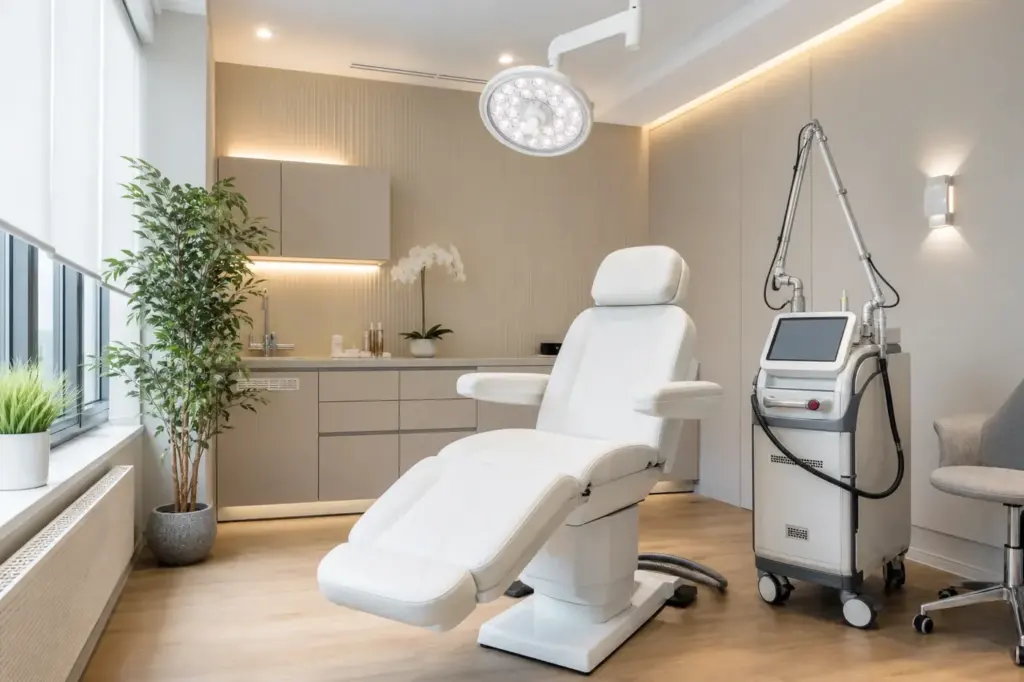
Information only. This article explains what a treatment is and how it is usually carried out. It is not medical advice, not an offer and not a recommendation to have any procedure. Whether it suits you can only be decided by a licensed doctor after an examination.
Acne scar treatment in Istanbul encompasses several non-surgical and surgical approaches to improve the appearance of scars caused by severe acne. The type and depth of scarring—whether ice pick, boxcar or rolling scars—determines which method suits you.
This guide explains how treatment works, what to expect during the process, common risks and recovery times, and what questions to ask a licensed doctor before deciding. Many visitors consider treatment abroad, and you will find multiple accredited hospitals and dermatology clinics in Istanbul offering these procedures. Quality, regulation and medical standards differ by provider and country; the health authority in your own country is a useful first point to check before considering any treatment abroad.
Quick answer: Acne scar treatment aims to smooth, fill or reduce the appearance of depressed or raised scars by stimulating new collagen, resurfacing the skin or surgically revising the scar tissue. Most methods require multiple sessions over weeks or months; healing usually takes days to weeks depending on the technique. Results and recovery times differ from person to person.
At a Glance
| Total time | Initial consultation: 30–60 minutes. Procedure duration varies: laser or microneedling 20–60 minutes depending on area size; chemical peel 15–30 minutes; surgical revision 45–120 minutes. Full healing usually 1–4 weeks depending on method. Multiple sessions often span 2–6 months. |
|---|---|
| Typical cost | ₺₺–₺₺₺ |
What You Need Before You Start
- Medical consultation and scar assessment by a licensed dermatologist or plastic surgeon in person
- Realistic expectations about what the treatment can achieve and awareness that results vary
- Commitment to multiple sessions (usually 4–6 for laser or microneedling, or single sessions for some fillers)
- Avoidance of blood-thinning medication or supplements before the procedure, as advised by your doctor
- Clean, healthy skin free of active acne or infection at the time of treatment
- Written treatment plan and aftercare instructions before the procedure
- Follow-up care arrangement with a doctor at home after your trip
Compare Your Options
| Option | Duration | Price | Notes |
|---|---|---|---|
| Fractional laser resurfacing (non-ablative and ablative) | 20–60 minutes per session; usually 4–6 sessions over 3–6 months | Fractional lasers create tiny columns of heat in the skin to stimulate collagen and smooth scars. Non-ablative versions have less downtime (redness 1–3 days); ablative lasers require 5–10 days recovery with crusting and peeling. Most common for rolling and boxcar scars. Usually requires the most sessions but produces significant improvement for many scar types. | |
| Microneedling (collagen-induction therapy) | 30–60 minutes per session; usually 4–6 sessions over 3–6 months | A pen or roller device with fine needles creates controlled micro-injuries to trigger collagen remodeling. Less aggressive than laser; redness and mild swelling fade within 2–3 days. Suitable for all skin types including darker skin. Often combined with PRP or topical serums. Works well for rolling and atrophic scars. | |
| Chemical peel (TCA CROSS, glycolic acid or salicylic acid) | 15–30 minutes; single or multiple sessions depending on strength | A chemical solution removes the outer skin layer and stimulates new growth. Light peels have minimal downtime; medium to deep peels cause visible peeling for 3–7 days. Particularly effective for ice pick scars and mild surface scarring. Results appear gradually over weeks as new skin forms. Risk of pigmentation changes, especially in darker skin. | |
| Soft tissue filler injection (hyaluronic acid, collagen or poly-L-lactic acid) | 15–30 minutes; single session with repeat touch-ups every 6–12 months | Filler material is injected under depressed scars to raise and smooth them. Results are immediate but temporary (6–12 months for most fillers). No downtime; mild bruising and swelling may occur. Best for rolling and boxcar scars; not permanent. Repeated injections add cost over time. | |
| Surgical revision and punch excision | 30–120 minutes for a single session; stitches removed in 1–2 weeks | A surgical tool removes the scar completely (punch excision) or revises deeper scars by lifting or repositioning tissue. Often combined with laser treatment 4–6 weeks later. Leaves a small linear scar that fades with time. Most effective for deep ice pick scars and severe boxcar scars. Requires sutures and longer healing (1–3 weeks before visible improvement). | |
| Combination treatment (laser plus filler, or laser plus subcision) | 45–90 minutes; multiple sessions over 2–6 months | Combining two or more methods often produces better results than single treatments, especially for moderate to severe scarring. For example, fractional laser may be followed by filler injection in the same or a later session, or microneedling combined with PRP. Requires higher overall cost and longer treatment timeline but may reduce total sessions needed. |
₺ budget · ₺₺ moderate · ₺₺₺ upscale · ₺₺₺₺ splurge. Price levels are estimates compared with typical prices for visitors.
Step-by-Step Instructions
Step 1: Initial consultation with a licensed dermatologist or plastic surgeon
Book an in-person appointment at a hospital, clinic or medical center offering dermatology or cosmetic surgery services. Bring clear photos of your scars taken in natural light. The doctor will examine your skin under magnification, assess scar type and depth, ask about your skin type and healing history, and discuss realistic outcomes. Ask whether your scars are atrophic (depressed), hypertrophic (raised) or keloid, as this determines which treatments are suitable. Expect to discuss your budget and time constraints.
Tip: Take photos from multiple angles before treatment so you can compare them to results after healing.
Step 2: Choose the treatment method or combination
Based on scar type and depth, your doctor will recommend laser resurfacing, microneedling, chemical peel, injectable filler, surgical revision, or a combination. Ask about downtime, number of sessions needed, and expected healing time. Fractional laser and microneedling typically require 4–6 sessions spaced 4–6 weeks apart; chemical peels and fillers may differ. Confirm the exact technique, equipment and any adjunctive treatments such as platelet-rich plasma (PRP) or mesotherapy.
Tip: Combination treatments (for example laser plus filler) often produce better results than single methods for moderate to severe scarring.
Step 3: Prepare your skin in the days before treatment
Follow pre-treatment instructions provided by your doctor, usually 1–2 weeks before: avoid sun exposure and tanning; stop retinoid or vitamin A products if advised; avoid blood-thinning medications, supplements (fish oil, aspirin) and herbal remedies such as ginkgo or ginger unless your own doctor says it is safe; do not pick or squeeze the skin; keep skin clean and moisturized. Inform your doctor of any allergies, skin sensitivities, or medications you are taking.
Tip: Sunscreen and sun avoidance before treatment reduce the risk of post-procedure pigmentation changes.
Step 4: Attend the treatment session
Arrive with clean skin free of makeup, creams or sunscreen. The doctor or technician will apply numbing cream or local anesthetic depending on the method. For laser or microneedling, you will feel heat or mild prickling; a cooling air stream or cooling gel often accompanies the procedure. The treated area may turn red and slightly swollen during treatment. For chemical peels, you will feel mild stinging; for fillers, a pinch as the needle enters. Sessions typically last 20–60 minutes depending on area size.
Tip: Wear comfortable, loose clothing so treated areas are not rubbed during or after the session.
Step 5: Follow aftercare instructions for the first week
Healing begins immediately. Expect redness, swelling, mild discomfort and sometimes crusting or peeling depending on the method. For laser or microneedling: apply ice for 10–15 minutes several times daily for the first 24–48 hours; use gentle, fragrance-free cleanser and moisturizer; avoid makeup, strenuous exercise, hot water and sun for 3–7 days. For chemical peels: avoid picking or scratching peeling skin; keep skin hydrated. For fillers: minimize facial movement and avoid pressure on treated areas for 24–48 hours. Take pain relief as advised.
Tip: Redness and light swelling usually fade within 3–7 days; deeper peels or surgical revision may take 1–3 weeks.
Step 6: Schedule follow-up sessions if needed
Most laser, microneedling and chemical peel treatments require multiple sessions spaced 4–6 weeks apart to allow skin healing between sessions. Book your next appointment before leaving the clinic. Each session may be progressively stronger as skin tolerance increases. Fillers require touch-ups every 6–12 months as the body gradually absorbs the material. Surgical revision usually requires one session but may need a second minor procedure.
Tip: Space sessions at least 4 weeks apart to avoid damaging healing skin and to allow collagen remodeling to occur.
Step 7: Arrange follow-up care at home
Request a written summary of the treatment received, products used, and a detailed aftercare plan to show your home doctor. Ask your doctor in Istanbul to provide contact details in case complications arise after you leave. Before you leave Istanbul, confirm that you understand the signs of infection or unusual reaction (increasing pain, fever, persistent bleeding or spreading rash) and know when to seek urgent medical help. Schedule a consultation with a doctor in your home country 1–2 weeks after treatment for assessment.
Tip: A written aftercare plan from your Istanbul doctor helps your home doctor provide continuity of care.
Common Mistakes to Avoid
- Assuming one treatment session will fully resolve scarring. Most scars require 4–6 sessions spaced weeks apart; improvement is gradual and results vary from person to person.
- Not asking the doctor about realistic outcomes based on your specific scar type and skin. Ice pick scars need different treatment than rolling scars; darker skin types have different risks (pigmentation changes) than lighter skin.
- Underestimating downtime or planning social events immediately after treatment. Fractional laser, microneedling and some peels cause visible redness and swelling for 3–7 days; aggressive treatments may require 1–3 weeks before normal appearance returns.
- Skipping aftercare instructions or exposing treated skin to sun. Sun exposure and poor aftercare increase the risk of complications such as hyperpigmentation (dark patches) or scarring.
- Not checking the doctor's credentials or clinic accreditation before booking. Verify that the clinic is licensed by Turkish health authorities and that the doctor is registered as a dermatologist or plastic surgeon with appropriate training.
- Forgetting to arrange follow-up care at home. Treatment abroad requires continuity; inform your home doctor about what was done so they can monitor healing and address any problems.
Tickets, Payment and Booking
Acne scar treatment in Istanbul is offered at private hospitals, university-affiliated medical centers and standalone dermatology clinics. Many are accredited by international bodies such as the Joint Commission International (JCI) or affiliated with established healthcare groups. To book:
- Contact the clinic directly by phone, email or through their official website to schedule a consultation. International patient departments often speak English and can arrange video consultations before you arrive.
- Payment methods typically include cash (Turkish lira), bank transfer, and credit cards. Ask whether your home country’s insurance covers procedures abroad (many do not). Clarify costs upfront, including consultant fees, procedure cost and aftercare.
- Foreign patients should verify the doctor’s registration with the Turkish Ministry of Health or the Turkish Medical Association before booking. Ask the clinic to provide proof of accreditation and the doctor’s credentials.
- Medical tourism agencies or resellers may offer packages on different terms; booking directly with the hospital or clinic makes it easier to confirm what is included and who provides the care.
Good to know
- Book your consultation well before your trip to Istanbul so you have time to discuss options and arrange sessions around your travel dates. Most treatments require multiple visits spaced weeks apart, so a single trip may not complete your full treatment course.
- Bring clear before photos of your scars in natural daylight from multiple angles. This helps the doctor assess severity and is essential for comparing results after healing.
- Ask the clinic whether they combine treatments (for example, fractional laser plus filler or PRP) as packages. Combination approaches often reduce the total number of sessions and improve results for moderate to severe scarring.
- Plan to stay in Istanbul for at least 7–10 days after your first session so you are nearby if complications arise and to allow initial healing to progress. Subsequent sessions may require shorter visits.
- Sun exposure immediately after treatment dramatically increases the risk of dark pigmentation (hyperpigmentation) or uneven skin tone. Wear broad-spectrum SPF 30+ sunscreen daily and avoid sun for at least 2 weeks after each session, especially in summer.
- Connect with your home doctor before you leave Istanbul so they are aware of the treatment and can monitor your healing. Provide them with written aftercare instructions and the clinic's contact details in case you need follow-up guidance.
Explore Nearby Acne Scar Treatment
Related guides
 How to Visit a Hammam: Process, Etiquette and Where to Go in Istanbul
Main image: AI-generated illustration. It may not show the place exactly as it looks.
 Istanbul in Autumn: Golden Light, Festivals and Fewer Crowds
Main image: AI-generated illustration. It may not show the place exactly as it looks.
 Nisantasi and Sisli Walk: Istanbul’s Urban Elite Quarter
Main image: AI-generated illustration. It may not show the place exactly as it looks.
 Beyoğlu and Galata Walk: Modern Istanbul from Taksim to the Tower
Main image: AI-generated illustration. It may not show the place exactly as it looks.
Browse more: All Other · All Treatments
FAQ
How many sessions do I need for acne scar treatment?
Most laser and microneedling treatments require 4–6 sessions spaced 4–6 weeks apart to see significant improvement. Chemical peels may need 3–5 sessions; fillers are single sessions but need touch-ups every 6–12 months; surgical revision is usually one session. The exact number depends on scar type, depth and your skin's healing response. Your doctor will advise after assessing your scars.
Can I complete all my treatment sessions during one trip to Istanbul?
Unlikely. Most treatments require sessions spaced 4–6 weeks apart to allow skin healing and collagen remodeling between sessions. You could complete one or two sessions during a longer stay, but full treatment typically spans 2–6 months. Discuss a realistic timeline with your doctor and plan multiple trips if possible.
What scar types respond best to treatment?
Rolling and shallow boxcar scars usually respond well to laser and microneedling. Ice pick scars are often treated with chemical peel (TCA CROSS) or surgical punch excision. Raised scars (hypertrophic or keloid) may be treated with steroid injections or laser. Combination treatments often work best for mixed or severe scarring. Your doctor will assess your specific scars and recommend the most suitable method.
Is acne scar treatment suitable for all skin types?
Most methods can be adapted for different skin types, but risks and results vary. Darker skin types have higher risk of hyperpigmentation (dark patches) or hypopigmentation (light patches) after laser, peels and microneedling. Microneedling and fillers are generally safer for darker skin. Always inform your doctor of your skin tone and ask about risks specific to you.
How long is recovery after each session?
Recovery depends on the method. Microneedling: redness and mild swelling for 2–3 days. Non-ablative fractional laser: redness for 1–3 days. Ablative laser: crusting and peeling for 5–10 days. Chemical peel (medium): visible peeling for 3–7 days. Filler: minimal downtime, mild bruising possible. Surgical revision: stitches for 1–2 weeks, gradual fading over months. Most people can resume normal activities after the initial swelling fades but must avoid sun and strenuous exercise.
Can acne scar treatment completely remove my scars?
Complete removal is rarely possible, but significant improvement is common. Most scars soften and become less visible after 4–6 sessions. The degree of improvement depends on scar depth, your age, skin type and healing ability. Very deep scars may require multiple methods or repeated sessions. Discuss realistic outcomes with your doctor based on your specific scars.
Are there age restrictions for acne scar treatment?
Most treatments can be done on adults of any age. However, your doctor will advise whether you are a good candidate based on your overall health, skin condition and ability to follow aftercare. Pregnancy is usually a contraindication for elective cosmetic treatment. Always disclose your age, medical history and any medications to your doctor.
What should I do if I develop complications after I leave Istanbul?
Seek immediate medical attention from a doctor at home if you experience severe pain, fever, persistent bleeding, spreading rash or signs of infection. Have the written treatment summary and aftercare plan from your Istanbul clinic on hand. Contact the Istanbul clinic by email or phone to report complications and get guidance. Most issues are manageable with proper care, but early intervention is important.
Not legal advice. This is general information for visitors. Rules on visas, entry, registration, customs and similar matters change often and can depend on your nationality. Check the official source and, if in doubt, ask your embassy or a qualified adviser.
Before you decide anything
Risks and possible complications
- Infection: although rare, post-procedure skin infection can occur, especially if aftercare instructions are not followed or skin is picked or scratched.
- Hyperpigmentation or hypopigmentation: treated skin may develop dark patches or light patches, especially in darker skin types. This usually fades over months but can be prolonged.
- Persistent redness or flushing: some people experience prolonged redness at the treatment site lasting weeks to months, particularly after ablative laser.
- Scarring or worsening of scars: aggressive treatment or poor aftercare can paradoxically create new scars or worsen existing ones.
- Allergic reaction to anesthetic, filler material or topical products used during or after treatment.
- Nerve or blood vessel damage: rare but possible with deep surgical revision or aggressive laser, causing numbness, tingling or bleeding.
- Post-inflammatory hyperpigmentation or demarcation lines: temporary but noticeable darkening or color change at treated areas.
- Prolonged swelling, bruising or discomfort lasting longer than expected.
Alternatives to talk about with a doctor
- Topical treatments with retinoids, alpha-hydroxy acids or vitamin C to improve skin texture and fade mild scars or discoloration over months.
- Steroid injections directly into raised acne scars (hypertrophic or keloid scars) to flatten them over multiple sessions.
- Dermatological monitoring and sun protection to prevent worsening of existing scars.
- Acceptance and cosmetic camouflage using full-coverage makeup designed for scar concealment.
- Discussion with a doctor about whether waiting 1–2 years allows natural fading before pursuing active treatment, especially for newer scars.
Questions to ask a licensed doctor
- What type of acne scars do I have (ice pick, boxcar, rolling, hypertrophic)? Which treatment is best for my scar type and skin tone?
- How many sessions will I likely need, and what is the interval between sessions?
- What is the expected downtime? When can I return to work, exercise and social activities?
- What aftercare do I need, and for how long? Are there activities or products I must avoid?
- What are the realistic outcomes for my scars? Can the treatment eliminate them completely or will improvement be partial?
- What risks and complications apply to my skin type and health history? Am I at higher risk of hyperpigmentation, infection or other problems?
- Will I need anesthetic, and do I have any allergies to numbing agents?
- What written aftercare plan and contact information will you provide me to share with my home doctor?
- If I experience severe pain, fever, bleeding or unusual swelling after I leave Istanbul, what should I do? How can I reach you?
- This page is information. It is not medical advice and not a recommendation to have any treatment or to choose any clinic, doctor or country.
- Every medical procedure has risks, and results and healing differ from person to person. A licensed doctor who has examined you decides whether a treatment is suitable.
- Talk to a doctor in your home country before you decide, and plan follow-up care at home: problems can appear after you return.
- Check that the clinic and the doctor are licensed in the official register of the Türkiye Cumhuriyeti Sağlık Bakanlığı, and ask for a written treatment plan and a consent form you understand.
- After a procedure, get urgent medical help for severe pain, fever, heavy bleeding or breathing problems. In an emergency call the local emergency number.
Kontrendikasyonlar olabilir. Bir uzmana danışmak gerekir.

Take this guide with you
Get a free PDF of this guide to print or read offline: key facts, tips and a map link on a few clean pages.
Report an issue on this page
How we research and update our guides
About this page: AI assistance and accuracy
This page was prepared with the help of AI and checked by automatic rules. It is general information only, not medical advice and not a recommendation to have any treatment or to choose any clinic. Mistakes can still happen and details can change without notice. Please check important details with the official source and talk to a licensed doctor before you decide anything.
