

Istanbul sits on one of Europe’s most important bird migration routes, the East European Flyway, where thousands of species pass through during spring and autumn journeys between Africa and Europe. The city’s geography—narrowing straits that funnel flying birds and diverse habitats from woodlands to wetlands—makes it a prime destination for ornithologists and casual birdwatchers alike.
This guide covers eight bird watching locations Istanbul, from urban observation towers to ancient forests. Sites are selected based on verified reports from ornithological sources, species records, and accessibility for visitors. Best visiting times vary; spring migration (March–May) and autumn migration (August–October) are peak seasons, but resident species and winter visitors offer year-round opportunities.
Route: 3 stops, about 10–14 hours including walking (estimate)
At a Glance
| # | Place | Best for | Good to know |
|---|---|---|---|
| 1 | Sarıyer Feneryolu Bird Observatory Tower | Best for spring raptor migration | Northern Istanbul (Sarıyer district, Feneryolu), 25 km from city centre; reach via Metro M2 plus bus 150 or 29C; free entry; telescope recommended |
| 2 | Belgrad Forest | Best for year-round resident species | North of central Istanbul (Eyüp/Sarıyer border), European side; free entry; multiple access points; most visited via Neşet Suyu or Mehmet Akif Ersoy recreation areas |
| 3 | Camlica Hill | Best for autumn raptor migration | Asian side, Üsküdar district; accessible by cable car or walking from Camlica Mosque area; free viewing |
| 4 | Lake Terkos | Best for migration photography | Northwest Istanbul, near Silivri; 40 km from city; reachable by car; paid entry; check water authority regulations before visiting |
| 5 | Küçükçekmece Lake | Best for waders and winter visitors | Western Istanbul; accessible by car; open and free; no formal facilities |
| 6 | Gülhane Park | Best for urban birdwatching | Sultanahmet district, near Blue Mosque and Hagia Sophia; free entry; urban setting with nearby cafes and facilities |
| 7 | Bosphorus Cruise | Best for water and coastal birds | Various departure points in central Istanbul; paid cruise; operates year-round |
| 8 | Black Sea Shores | Best for seabirds and divers | Northern Istanbul (Sarıyer, Rumeli Fortress area); accessible by car or public transport; free |
How We Chose
These locations are chosen for:
- Verified bird presence: Species records confirmed by ornithological societies and published research.
- Accessibility: Reachable by public transport or car from central Istanbul.
- Habitat diversity: Mix of migration observation points, resident forest species, and wetland birds.
- Seasonal opportunities: Different sites peak at different times of year; together they offer options throughout the year.
- Safety and legality: All publicly accessible; no private permits required for general visiting.
1. Sarıyer Feneryolu Bird Observatory Tower – Best for spring raptor migration
The most celebrated raptor-watching site in Europe during spring. The tower overlooks the Bosphorus Strait where birds concentrate to avoid long sea crossings. Spring counts exceed 100,000 soaring birds, dominated by white storks, common buzzards, and lesser spotted eagles. From the tower's platform you see birds at eye level arriving from Asia with Bosphorus views. The site has been used by birdwatchers since the 1990s and draws international groups during peak weeks in March and April.
Good to know: Northern Istanbul (Sarıyer district, Feneryolu), 25 km from city centre; reach via Metro M2 plus bus 150 or 29C; free entry; telescope recommended
Tip: Peak hours are 09:00–16:00 when thermal air currents are strongest. Go on clear days with northerly or easterly winds; cloudy or southerly-wind days see fewer birds. March peak is usually late March around the equinox.
2. Belgrad Forest – Best for year-round resident species
A mixed deciduous forest spanning 5,500 hectares north of Istanbul with over 170 bird species. Permanent residents include woodpeckers (including the rare Syrian woodpecker), warblers, jays, and raptors. Lakes and streams within the forest attract herons, egrets, and kingfishers. The dense oak, beech, and pine canopy provides habitat for songbirds and birds of prey. Forest trails suit casual walkers; birdwatchers find productive areas near water features and forest edges.
Good to know: North of central Istanbul (Eyüp/Sarıyer border), European side; free entry; multiple access points; most visited via Neşet Suyu or Mehmet Akif Ersoy recreation areas
Tip: Early morning is best for songbirds. Forest edges and clearings are more productive than deep woods. Several nature parks within the forest (Ayvat Bendi, Kirazlıbent, Fatih Çeşmesi) offer focused trails.
3. Camlica Hill – Best for autumn raptor migration
At 262 meters, Istanbul's highest point on the Asian side, Camlica Hill is a key observation spot for autumn migration. Birds spiral up the thermal currents rising from the hill to gain altitude for onward travel. The vantage point looks west toward Europe across the Bosphorus. Autumn migrants include lesser spotted eagles, storks, and various raptors moving south toward Africa. The hilltop location means clear sightlines and cooler breezes.
Good to know: Asian side, Üsküdar district; accessible by cable car or walking from Camlica Mosque area; free viewing
Tip: August to October is migration season, with peaks in September. Early morning provides the best thermals. Bring binoculars and a scope for distant birds.
4. Lake Terkos – Best for migration photography
A shallow lake 40 km northwest of Istanbul, used as a stopover and wintering ground by waterfowl and waders during migration. Divers, cormorants, grebes, and wildfowl gather in large numbers during spring and autumn. Winter brings diving ducks and gulls. The lake's open water makes photography easier than forest birding. It is also Istanbul's drinking water reservoir, strictly managed to protect water quality.
Good to know: Northwest Istanbul, near Silivri; 40 km from city; reachable by car; paid entry; check water authority regulations before visiting
Tip: Bring a camera with a telephoto lens for distant waterfowl. Wear neutral colors to avoid startling birds. Respect access restrictions posted by the water authority.
5. Küçükçekmece Lake – Best for waders and winter visitors
Situated on Istanbul's western edge, this shallow brackish lake is surrounded by marshland habitat. Year-round residents include herons, egrets, and kingfishers. During migration seasons (spring and autumn), the lake becomes crowded with transiting waders, sandpipers, and waterfowl. Winter attracts diving ducks and coots. The lake's complex hydrology supports both freshwater and saltwater species.
Good to know: Western Istanbul; accessible by car; open and free; no formal facilities
Tip: Visit during migration to see the greatest variety. Early morning in spring and late afternoon in autumn maximize sightings. Scope and binoculars essential; birds are often distant.
6. Gülhane Park – Best for urban birdwatching
A historic park in Sultanahmet district near major monuments, offering accessible birdwatching without leaving the tourist core. The park is famous for nightingales and songbirds, particularly during migration seasons. Rose-ringed parakeets (an invasive species now established in Istanbul) are common. Proximity to the Bosphorus means occasional seabirds. Mature trees and open lawns create varied habitat within a small area.
Good to know: Sultanahmet district, near Blue Mosque and Hagia Sophia; free entry; urban setting with nearby cafes and facilities
Tip: Best in dawn hours before tourist crowds. Spring and autumn migrations bring songbirds; nightingales are audible in April. The park is also a good fallback on rainy days as it has covered areas.
7. Bosphorus Cruise – Best for water and coastal birds
A cruise along the Bosphorus waterway provides opportunistic birdwatching with views of cormorants, gulls, terns, and occasionally sea eagles. The water acts as a highway for migrating species during passage seasons. Unlike static observation points, a cruise covers distance and different microhabitats. Visitors see birds in their environment rather than scanning distant skies. Regular ferry crossings (functional transport, not tourist tours) also provide birdwatching opportunities.
Good to know: Various departure points in central Istanbul; paid cruise; operates year-round
Tip: Book a cruise with a naturalist guide if available. Early morning cruises often yield better sightings. Bring binoculars and a camera. The Golden Horn northern tip (less trafficked) can be quieter than main Bosphorus routes.
8. Black Sea Shores – Best for seabirds and divers
Istanbul's northern Black Sea coastline attracts divers, cormorants, gulls, and terns, especially in winter when diving birds move south from the Arctic. The rocky and sandy shores provide vantage points for scanning the open water. Winter storms drive seabirds into the straits. The exposed shore creates a different habitat than forested or wetland areas, with access to both pelagic and coastal species.
Good to know: Northern Istanbul (Sarıyer, Rumeli Fortress area); accessible by car or public transport; free
Tip: Winter (November–February) is best for seabirds. Visit after storms when birds are pushed closer to shore. Scope essential for distant divers and auks.
Istanbul Vibes Tips
- Spring migration peaks in late March through April; autumn migration peaks in late August through September. These weeks see the largest concentrations and most species. Winter (November–February) brings fewer migrants but different waterbirds. Summer is quieter except for resident breeders.
- Bring binoculars and ideally a spotting scope for distant birds. In forests, binoculars suffice. At exposed migration points, scopes reveal details at 100+ meters. Early morning (dawn to 10:00) is always best; light is better and birds more active.
- Weather shapes bird activity. Clear skies with northerly winds in spring bring the largest northbound movements. Southerly winds in autumn push birds toward the straits. Cloudy days reduce thermals, keeping birds lower and closer.
- Join local birdwatching groups or check Istanbul Bird Watching Society reports before visiting. Species lists and daily counts inform which site to prioritize on a given day. Birdwatchers share sightings and forecasts online.
- Avoid wearing bright colors or moving suddenly in forests and parks; neutral greens and browns are better. At observation towers, movement is less critical because birds are distant. Always place yourself downwind of birds if possible.
- Respect access rules at wetlands and lakes; some areas restrict entry or require permits to protect breeding birds. Check signage and local regulations. Ferries and cruises are always open to the public year-round.
Explore Nearby Bird Watching Locations
Sights near Bird Watching Locations
 Belgrad Forest · typical visit: 2–4 hours
Main image: AI-generated illustration. It may not show the place exactly as it looks.
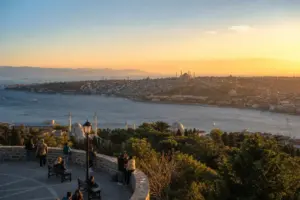 Camlica Hill · typical visit: 1–2 hoursOpen daily 10:00–21:30
Main image: AI-generated illustration. It may not show the place exactly as it looks.
 Pierre Loti Hill · typical visit: 1–2 hours2 min on foot from Piyer Loti metro, Open daily 08:00–23:00
Main image: AI-generated illustration. It may not show the place exactly as it looks.
 Bosphorus Cruise · typical visit: 2–6 hours depending on cruise type
Main image: AI-generated illustration. It may not show the place exactly as it looks.
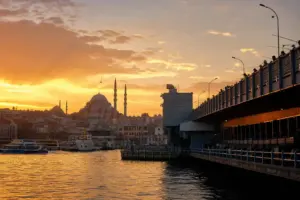 Golden Horn · typical visit: 1–3 hours (waterfront walk or boat tour)
Main image: AI-generated illustration. It may not show the place exactly as it looks.
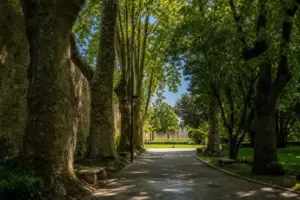 Gülhane Park · typical visit: 1–2 hours7 min on foot from Gülhane metro, Open daily 06:00–22:30
Main image: AI-generated illustration. It may not show the place exactly as it looks.
Browse more: All Guides · All Other
FAQ
When is the best time to visit for bird watching in Istanbul?
Spring (March–May) and autumn (August–October) are prime migration seasons when hundreds of thousands of birds pass through. Spring raptor migration peaks in late March–April at the Feneryolu tower. Autumn migration peaks August–September on Camlica Hill. Winter brings waterfowl to lakes and shores. Summer is quieter but good for resident forest species.
Do I need special equipment or permits?
No permits are required for general birdwatching at public sites. Binoculars are essential; a spotting scope (20–60x) greatly improves distant bird identification at migration sites. A field guide or bird identification app helps with species recognition. Camera gear is optional. Lake Terkos and some private properties may have entry fees.
Can I see the migration from central Istanbul?
Some birds pass over central areas—Gülhane Park has songbirds and the occasional raptor overhead. But most soaring birds follow the Bosphorus corridor north or concentrate at specific hilltops (Feneryolu, Camlica Hill). For the dramatic spring stork migrations, travel to these specific sites rather than expecting to see them from downtown hotels.
How many bird species can I realistically see in one day?
At a single site in peak season, a dedicated birdwatcher might identify 15–40 species depending on habitat and effort. Spring at Feneryolu can yield 10–15 raptor species alone in the airspace above you. Belgrad Forest might yield 20–30 over several hours of walking. Casual visitors spending 1–2 hours at one site often see 5–10 species.
Are guides necessary?
Not necessary, but helpful. Many local naturalists and birdwatching clubs offer guided tours during migration seasons. Guides accelerate learning, provide species identification, and share local knowledge about the best vantage points on a given day. Solo birdwatching with a field guide is also rewarding and common among experienced visitors.
Is bird watching in Istanbul accessible for children?
Yes. Gülhane Park, Belgrad Forest trails, and short Bosphorus cruises are family-friendly. Young children may lose patience with patient scanning at migration sites. Hilltop observation (Camlica Hill cable car) and lake-edge walks suit mixed-age groups. Focus on fun of spotting and listening rather than species counts.
What species are most common in each season?
Spring: white storks, raptors (buzzards, eagles), and songbirds heading north. Summer: resident songbirds, woodpeckers, and jays in forests. Autumn: raptors, storks, and warblers heading south. Winter: waterfowl (ducks, grebes, divers) on lakes and shores; gulls and cormorants year-round.
Can I birdwatch and see other Istanbul attractions in one day?
Yes. Gülhane Park offers birdwatching steps from Hagia Sophia and the Blue Mosque. Belgrad Forest is reachable as a half-day trip from central Istanbul. A morning at Camlica Hill or a Bosphorus cruise fits easily alongside mosque visits or museums. Feneryolu and Lake Terkos require full-day commitments due to distance and site intensity.
Istanbul Vibes is a one-person project. A coffee keeps it going

Take this guide with you
Get a free PDF of this guide to print or read offline: key facts, tips and a map link on a few clean pages.
Report an issue on this page
How we research and update our guides
About this guide: AI assistance and accuracy
This guide is created with the help of AI and is based on official sources where available. Mistakes can still happen. Opening hours, prices, rules and other details are given to the best of our knowledge as of the date shown and can change without notice. It offers general recommendations only, not professional, legal or travel advice. Please confirm important details with the official source before you travel; you are responsible for your own plans and decisions.
* Affiliate link: as an Amazon Associate we earn from qualifying purchases at no extra cost to you.
