
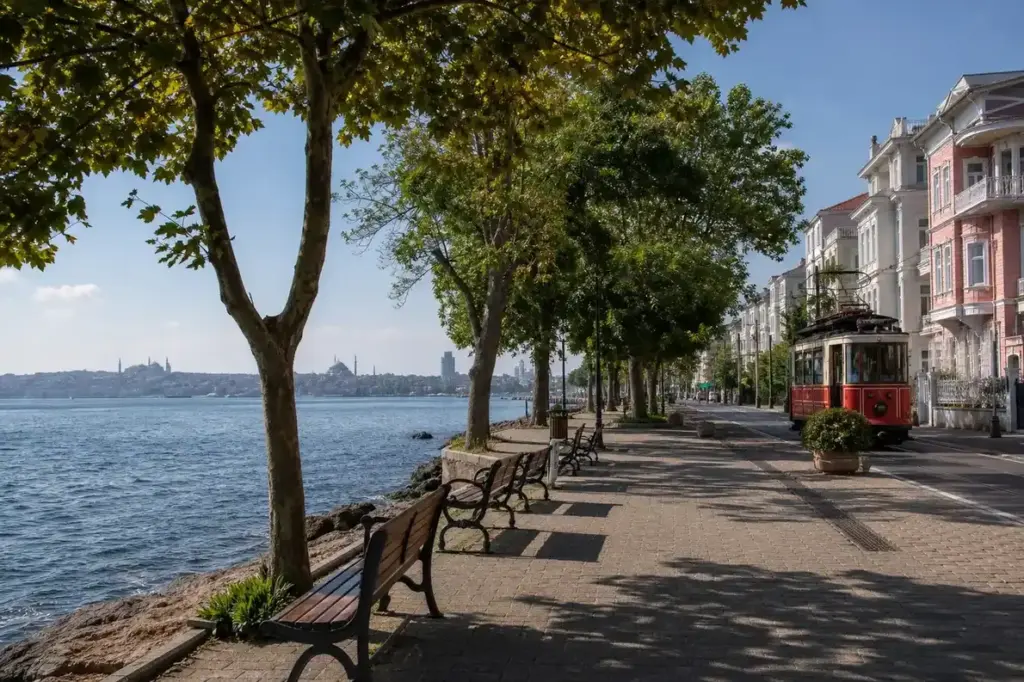
Perched on the southern edge of Kadıköy on Istanbul’s Asian side, Moda feels less like a district and more like a way of life. Moda is one of the most pleasant corners of Kadıköy, loved for its laid-back coastal atmosphere, local cafés, and easy walks by the water.
The district grew in the late nineteenth century when wealthy Armenian, Greek, and Levantine families built elegant wooden mansions along quiet lanes; today the same streets shelter bookshops, boutique cafés, and art-house cinemas. If you want to experience Istanbul from a different angle, away from the busiest historic sights such as Sultanahmet Square or the Grand Bazaar, Moda offers a calmer, more residential side of the city.
Quick Facts
| Address | Moda, Kadıköy, Istanbul Google MapsApple MapsYandex Maps |
|---|---|
| District | Kadıköy |
| Metro | Moda (T3 Kadıköy-Moda Tram, Main station; walk downhill to promenade) Kadıköy IDO (ferry pier) (T3 Kadıköy-Moda Tram; M4 Kadıköy-Sabiha Gökçen Metro, 20-minute walk along the waterfront to Moda, or take T3 tram) |
| Best time to visit | Moda is pleasant year-round. Spring (April–May) and autumn (September–October) offer comfortable temperatures and fewer crowds than summer. Weekdays are quieter than weekends, especially on Kadife Street. Evenings and weekends (Friday and Saturday nights especially) bring the most activity to bars and cafés. On summer weekends the promenade becomes crowded with families. Winter is mild but can be overcast; locals use the promenade year-round for jogging and walking. |
| Recommended duration | 2–4 hours |
What Is (and Isn't) Part of a Visit to Moda?
| Part | Status | Notes |
|---|---|---|
| Moda neighborhood promenade and parks | Included in the standard ticket | The waterfront pathway and parks are free public spaces accessible to all visitors. |
| Kadife Street (Bar Street) | Included in the standard ticket | A public street lined with independent bars and cafés; entry to venues is paid separately. |
| Agia Triada Greek Orthodox Church | Included in the standard ticket | Free entry during non-worship hours; respect worship schedules and photography restrictions. |
| Süreyya Opera House | Separate ticket or institution | Separate ticket required for performances or tours; check official venue for current programs. |
| Moda Pier | Included in the standard ticket | Free access to the pier structure; cafés and bookstore have separate charges. |
| T3 Moda Tram ride | Included in the standard ticket | Single tram fare required; included in Istanbul transportation cards. |
| Kadıköy central market and ferry terminal | Outside / not part of it | These are in central Kadıköy, not Moda itself; accessible by the same tram or a 20-minute walk north. |
Why Visit Moda?
The Moda Coast is the ideal location in Istanbul to take a stroll and enjoy the waterfront; it is almost always lively with people jogging, riding bikes, or simply sitting beneath trees or on benches, and that constant local energy is part of its charm. Today the streets shelter bookshops, boutique cafés, and art-house cinemas; slip into Kadife Sokak, called Bars Street, for live DJ sets and craft beer after dark. The neighborhood offers a mix of history and contemporary culture without the crowds of the European side’s main attractions.
How Moda Is Laid Out
Moda occupies a small peninsula at the southern tip of Kadıköy. The easiest way to reach Moda from the European side is using Marmaray to reach Ayrılık Çeşmesi and then transferring to the M4 Kadıköy–Tavşantepe metro line; from there, Kadıköy is just one stop away; alternatively, you can take a ferry to Kadıköy from Eminonu. Starting passenger service on 1st November 2003, the Kadıköy-Moda Tram Line has 11 stations within a 2.6 km network, starting from Kadıköy Square, following the reserved bus lane and reaching Bahariye Street, and finally arriving back to Kadıköy Square via Moda Street. Once you arrive at Kadıköy IDO pier or Ayrılık Çeşmesi metro station, the waterfront walk to Moda takes about 20 minutes, or you can board the T3 tram for a 20-minute scenic ride through residential streets and past local landmarks.
Highlights of Moda
Moda Promenade and Coastal Park
There is a waterfront pathway that runs through several different parks, offering a continuous walking route along the Sea of Marmara. The broad promenade is lined with benches and shaded trees. On clear days you can see across the water toward the European side and the Princes' Islands. This is where locals spend afternoons reading, jogging or watching the water. No ticket required; free access.
Tip: Visit in late afternoon when light hits the water and the neighborhood is busiest with after-work walkers.
Agia Triada Greek Orthodox Church
Agia Triada was built between 1887 and 1905, with Metropolitan Kallinikos of Chalcedon laying the cornerstone; the church was consecrated on April 10, 1905, by Metropolitan Germanus of Chalcedon, the future Ecumenical Patriarch Germanus V. The interior features traditional Orthodox iconography and a serene nave. The church is still active and central to the Greek community in the neighborhood.
Tip: Respect worship times; visit outside service hours, typically mornings and early afternoons. Photography may be restricted inside.
Süreyya Opera House
Built between 1924 and 1927 by Süreyya İlmen, a deputy in Istanbul, the purpose of the building was to enhance the culture of Kadıköy; it originally opened as a musical theatre, served as a movie theatre from 1930 to 2005, and reopened as an opera house in 2007. The ornate exterior is visible from the street. Check the official schedule for performances and whether interior tours are available.
Tip: Walk around the building in late afternoon to photograph its façade with better light.
Moda Pier
The Historic Moda Pier, which juts out into the Marmara Sea, was built between 1916-1917 by Vedat Bey, a famous architect at that time, was destroyed in a storm in 1937 and has been restored into service. A restored 1917 pier now serves ferries, a book café, and a bright public library. The pier is a working ferry terminal with cafés and viewpoints. Free to walk on.
Tip: The bookstore and café on the upper levels have views of the Marmara Sea; arrive before sunset.
Kadife Street (Bar Street)
Most people will visit Moda for Kadife Street, also known as Bar Street, with several bars and cafés to choose from, some located in colorful Ottoman homes. The narrow lane is lined with small independent venues, galleries and boutiques. It comes alive in the evening with local crowds.
Tip: Visit in the evening to experience the bar and live music scene; go on weekends for the most activity.
Moda Tram (T3 Heritage Tram Line)
The Kadıköy-Moda Tram Line has 11 stations within a 2.6 km network and started passenger service on 1st November 2003. The system provides heritage tram operations with Tatra GT6 tramcars procured from Germany; since the operation uses the route of the old no 20 tram line with nostalgic cars, it is also named as the Heritage Tram Line. A scenic 20-minute loop through the neighborhood passing residential streets and key landmarks.
Tip: Ride it for orientation on arrival; the open-sided vintage cars offer good views and photo opportunities. Board at Kadıköy IDO station.
Historic Mansions and Architecture
The place became an outstanding residential area only after the 1870s, when wealthy non-Muslims settled down there by building their own mansions. A handful of these mansions still exist, but most of the buildings are modern concrete structures. Walking the side streets reveals pastel-colored wooden homes, decorative ironwork, and period details from the late Ottoman and early Republican eras.
Tip: Look for the Tubini Mansion and other named heritage buildings on street-level plaques; photograph architectural details like cornices and windows.
Atmosphere
Ferries drift into the distance, old trees lean into quiet streets, and locals read books at seaside benches. A quick ferry ride lands you in Kadıköy on the Asian shore where life slows down; street markets spill onto wide sidewalks, musicians play on corners, and sunset turns the Bosphorus a soft shade of gold; this district shows the city’s everyday rhythm and invites visitors to join in. The neighborhood is populated by young professionals, artists, expat residents and local families. Mornings are calm; afternoons see children and older people on the promenade; evenings bring crowds to Kadife Street’s bars and cafés. The atmosphere is bohemian but established—not undiscovered, yet far less touristy than Sultanahmet.
History of Moda
The place was originally settled in 685 BCE by the Greeks, and the city that is now Kadıköy was founded about 30 years prior to the city that is now the European side of Istanbul. For centuries it remained a minor settlement until the dramatic transformation of the 19th century.
Moda became a fashionable residential area in the 1870s, when wealthy non-Muslims began building their mansions in the area. The district grew in the late nineteenth century when wealthy Armenian, Greek, and Levantine families built elegant wooden mansions along quiet lanes. The name “Moda” is believed to come from the French word mode, reflecting the Western tastes that shaped this part of the city. By the early 1900s it had become the fashionable retreat of Istanbul’s educated merchant class and elite.
The spiritual landscape took shape during this period. Agia Triada was built between 1887 and 1905, with Metropolitan Kallinikos of Chalcedon laying the cornerstone; the church was consecrated on April 10, 1905. The Greek Orthodox Metropolis mansion was established in 1906 as the administrative center of the Greek church on the Asian side. Cultural institutions followed: the Süreyya Opera House was built between 1924 and 1927 by Süreyya İlmen, a deputy in Istanbul, to enhance the culture of Kadıköy; it originally opened as a musical theatre, served as a movie theatre from 1930 to 2005, and reopened as an opera house in 2007.
The 20th century brought further development. The Historic Moda Pier, which juts out into the Marmara Sea, was built between 1916-1917 by Vedat Bey, a famous architect at that time, was destroyed in a storm in 1937 and has been restored into service. The Turkish Republic transformed the largely non-Muslim quarter into a modern mixed neighborhood, though the architecture and character of the 19th-century mansions survived. In the early Republican era, it became a favored escape for Istanbul’s intellectuals and writers; poet Yahya Kemal found inspiration here, and generations of locals grew up cycling the coast and sneaking into tea gardens.
In recent decades, Moda has undergone a cultural revival. The Kadıköy-Moda Tram Line started passenger service on 1st November 2003, restoring a heritage transport link. Young professionals and artists began moving in, converting old buildings into cafés, galleries and boutiques. Today it balances its historical identity—visible in the surviving mansions and churches—with a contemporary creative scene.
Legends and Myths about Moda
The naming from French fashion (Moda)
Disputed by historians. The name "Moda" is believed to come from the French word mode, reflecting the Western tastes that shaped this part of the city. The theory reflects Moda's actual origin as a 19th-century enclave of wealthy Westernized families who followed European fashion and lifestyle. Whether the name was formally given by early residents or emerged from the neighborhood's cosmopolitan character remains unclear.
Yahya Kemal and the intellectual sanctuary
Legend – historically unreliable. In the early Republican era, Moda became a favored escape for Istanbul's intellectuals and writers; poet Yahya Kemal found inspiration here, and generations of locals grew up cycling the coast and sneaking into tea gardens. The neighborhood gained a reputation as a bohemian retreat for writers, musicians and thinkers seeking refuge from the busier city.
Tickets and Booking for Moda
Moda is a free-access neighborhood. No tickets are required to walk the streets, promenade, parks or visit the exterior of historic buildings. Individual venues—cafés, restaurants, bars and shops—charge separately. The Süreyya Opera House has separate ticket requirements; check its official website for current performances and tour availability. The T3 tram fare applies if you ride the heritage line; this is included in Istanbul transportation cards or costs a small per-ride fare.
Suggested itineraries Moda
2 hours
Start at Kadıköy IDO pier or Ayrılık Çeşmesi metro station. Board the T3 tram or walk the waterfront to reach Moda. Spend 1 hour on the promenade and parks, then walk Kadife Street for 30 minutes, browsing shops and cafés. End with tea or coffee at a seaside café.
3–4 hours
Arrive by tram or walk. Explore the entire promenade (1 hour). Visit Agia Triada Church (30 minutes). Walk the residential streets to see historic mansions and architecture (45 minutes). Spend time on Kadife Street (1 hour). Visit Moda Pier, bookstore and café (1 hour). Finish with dinner at a neighborhood restaurant.
Half day
Combine Moda with central Kadıköy. Start at the Kadıköy market in the morning. Take the T3 tram to Moda (20 minutes). Spend 2–3 hours exploring the neighborhood, promenade, Agia Triada Church and Kadife Street. Return to central Kadıköy for lunch at a fish restaurant overlooking the ferry pier.
How to Get to Moda
By ferry and tram: Take a ferry from Eminonu on the European side to Kadıköy pier (frequent service, 15–20 minutes). At Kadıköy IDO station, board the T3 Moda tram heading toward Moda. The ride takes about 20 minutes and passes through the neighborhood’s main streets. Get off at Moda, Moda Caddesi, or Mühürdar depending on your destination.
By metro and tram: Take Marmaray from Sirkeci or Yenikapı to Ayrılık Çeşmesi (on the European side). Transfer to the M4 Kadıköy–Sabiha Gökçen Metro line and ride one stop to Kadıköy. At Iskele Camii metro station, exit and walk to Kadıköy IDO pier to board the T3 tram toward Moda, or walk 20 minutes along the waterfront to Moda promenade.
Walking: From Kadıköy pier, it is possible to walk the entire waterfront to Moda in about 20 minutes, following the promenade and parks southward.
Accessibility
The waterfront promenade and parks are mostly flat and wheelchair accessible. Kadife Street is narrow and uneven in places. The T3 tram has level boarding at sidewalk-level stations with no enclosed structures. Agia Triada Church has steps at the entrance. Most cafés and shops are at street level but may have steps or narrow doorways. Accessible restrooms are limited; check specific venues. No comprehensive accessibility information is officially published; contact venues directly for specific needs.
Food Nearby
Moda and Kadıköy are rich in independent cafés, bakeries, fish restaurants and bars. Kadife Street alone has dozens of venues. Walk along Moda Caddesi and the side streets to find cafés serving Turkish coffee, pastries and sandwiches. The Kadıköy market (accessible via tram going north toward Kadıköy center) has street food stalls selling everything from fresh fish to roasted corn. Moda Pier's bookstore has a café with sea views. For sit-down meals, the waterfront has restaurants serving fish, meze and Turkish cuisine at moderate prices.
What to Bring
Comfortable walking shoes for uneven streets and cobblestones. A hat and sunscreen for the waterfront in summer. A light jacket for cooler months or sea breezes. Binoculars or a camera for photographing the water and historic buildings. A reusable water bottle (water fountains are limited). Small bag acceptable; no special restrictions on Moda streets, though respect quiet residential areas.
Best Views and Photo Spots of Moda
Moda Promenade at sunset
Facing west across the Sea of Marmara toward the European shore and historic peninsula skyline. The light at sunset turns the water golden and illuminates the domes and minarets across the water. Trees frame the view; the promenade is often populated with locals, adding life to the scene.
Best time: One hour before sunset; clear days in spring and autumn
Moda Pier from the end
Looking back toward the Moda neighborhood with the pier deck in the foreground and the Marmara Sea beyond. The bookstore and café building frame the view. Early morning or late afternoon light is soft and flatters the composition.
Best time: Early morning (7–9 AM) or late afternoon (4–6 PM); weekday mornings for fewer people
Historic mansions on Mühürdar Caddesi
The tree-lined street with preserved 19th-century wooden houses painted in pastels. Ornate gates, ironwork and windows are visible. Afternoon light highlights the architectural details.
Best time: Mid-afternoon when light is strong; autumn for colorful foliage
Agia Triada Church exterior
The Orthodox church facade with its distinctive domes against trees and residential buildings. The entrance and gardens frame the spiritual character of the neighborhood.
Best time: Morning light from the east; any day except during services
T3 Tram on Moda Caddesi
The vintage red tram car passing through tree-lined Moda Street with local shops and cafés in the background. A living symbol of the neighborhood's character and heritage transport.
Best time: Mid-morning or late afternoon; less crowded than peak hours
Photography Rules
Photography is permitted throughout Moda's public spaces, promenade and streets. Exterior photography of buildings and the pier is welcome. Interior photography in Agia Triada Church may be restricted during services; ask before photographing. Moda Pier and the tram are excellent photo subjects. No drones, tripods or commercial filming without permission from local authorities.
Family Suitability
Moda is family-friendly. The waterfront promenade and parks are safe, flat and ideal for children, strollers and cycling. Cafés and restaurants welcome families. Kadife Street is lively in the evening but suitable for older children and teens interested in youth culture. The T3 tram is fun for children. Agia Triada Church is quiet and peaceful. In summer, crowds on the promenade are manageable on weekdays. Stroller access is good on the main promenade but more difficult on narrow side streets and in historic buildings. The neighborhood offers a gentler pace than central Istanbul, making it less overwhelming for young families.
Istanbul Vibes Tips
- Avoid comparing Moda to the Grand Bazaar or Sultanahmet. This is not a major historical tourist site; it is a neighborhood where locals live and socialize. The appeal is the everyday atmosphere, not monumental sights. Come to relax and observe rather than check boxes.
- Rent a bike or use Kadife Street as your base to explore. Walk the side streets without a plan; most streets loop back. The neighborhood is small enough to get lost and find something unexpected.
- Visit Moda Pier at sunset for the best light and to experience the ferries and sea traffic. Bring a book or camera and stay for tea.
- Kadife Street is fun but touristy in evenings. For authentic local cafés and quieter experience, explore the residential blocks on Mühürdar Caddesi and the streets above the promenade.
- Do not expect Moda to feel 'undiscovered.' It is well known among Istanbul residents and visitors seeking the 'Asian side experience.' It is less crowded than Sultanahmet but not a hidden gem.
- The T3 tram is both a transport and a tourist attraction. Riding it at the beginning of a visit helps you get oriented to the neighborhood's layout and main streets.
Explore Nearby Moda
Sights near Moda
 Kadıköy · typical visit: Half a day to a full day
Main image: AI-generated illustration. It may not show the place exactly as it looks.
 Maiden's Tower – about 4.8 km away · typical visit: 1–1.5 hoursOpen daily 09:00–18:00
Main image: AI-generated illustration. It may not show the place exactly as it looks.
 Bosphorus Cruise · typical visit: 2–6 hours depending on cruise type
Main image: AI-generated illustration. It may not show the place exactly as it looks.
 Barış Manço Museum – about 250 m away (~4 min walk) · typical visit: 1–1.5 hoursOpen 09:00–16:00, closed Mon
Main image: AI-generated illustration. It may not show the place exactly as it looks.
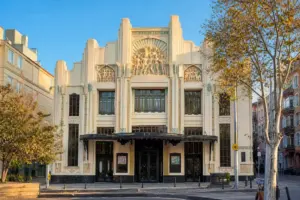 Süreyya Opera House – about 1.0 km away (~17 min walk) · typical visit: 2–3 hours12 min on foot from Kadıköy-İDO metro, Open daily 10:00–18:00
Main image: AI-generated illustration. It may not show the place exactly as it looks.
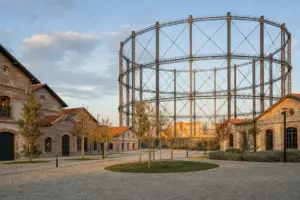 Müze Gazhane – about 2.5 km away · typical visit: 1.5–2.5 hours9 min on foot from Acıbadem metro, Open 10:00–18:00, closed Mon
Main image: AI-generated illustration. It may not show the place exactly as it looks.
Restaurants and cafes near Moda
 Ciya Sofrasi – about 1.0 km away (~17 min walk)6 min on foot from Kadıköy-İDO metro
Main image: AI-generated illustration. It may not show the place exactly as it looks.
 Baylan Pastanesi – about 1.2 km away (~19 min walk)4 min on foot from Kadıköy-İDO metro, Open daily 09:00–20:00
Main image: AI-generated illustration. It may not show the place exactly as it looks.
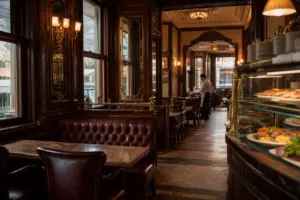 Yanyalı Fehmi Lokantası – about 1.2 km away (~20 min walk)1 min on foot from Kadıköy-İDO metro, Open daily 09:00–21:00
Main image: AI-generated illustration. It may not show the place exactly as it looks.
Nightlife near Moda
 Taşra Kabare – about 1.3 km away (~22 min walk)7 min on foot from Kadıköy-İDO metro, Open daily 11:00–04:00
Main image: AI-generated illustration. It may not show the place exactly as it looks.
Train stations and river piers near Moda
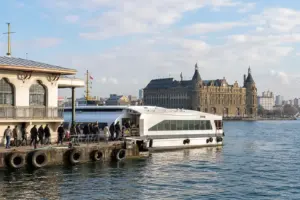 Kadıköy Ferry Terminalabout 1.2 km away (~20 min walk)
Main image: AI-generated illustration. It may not show the place exactly as it looks.
Related guides
 Princes’ Islands: Ferry, Day Trip and What to See
Main image: AI-generated illustration. It may not show the place exactly as it looks.
 Best Specialty Coffee Shops in Istanbul: Local Roasters
Main image: AI-generated illustration. It may not show the place exactly as it looks.
 Çiya Kebap: Anatolian Kebabs in Kadıköy Market
Main image: AI-generated illustration. It may not show the place exactly as it looks.
 Kebapçı İskender: The Inventor’s Family in Kadıköy
Main image: AI-generated illustration. It may not show the place exactly as it looks.
 Best Shopping Districts by Style: Eight Istanbul Neighborhoods for Every Shopper
Main image: AI-generated illustration. It may not show the place exactly as it looks.
Browse more: More in Kadıköy · All Hidden Istanbul · All Neighborhoods
FAQ: Moda
Is Moda part of Kadıköy?
Yes. Moda is a neighborhood within the Kadıköy district on Istanbul's Asian side. Think of it as the southern peninsula of Kadıköy, extending along the Marmara Sea. Kadıköy is the larger district; Moda is its most well-known residential quarter.
How do I get to Moda from the European side?
Take a ferry from Eminonu to Kadıköy, then board the T3 Moda tram for 20 minutes. Alternatively, use Marmaray to Ayrılık Çeşmesi, transfer to M4 metro one stop to Kadıköy, then take the T3 tram. You can also walk the waterfront from Kadıköy pier to Moda in about 20 minutes.
Do I need to buy a ticket to visit Moda?
No. Walking the neighborhood, promenade and parks is free. You pay only for cafés, restaurants, bars and shops. If you ride the T3 tram, that costs a small fare (included in a transportation card). Entry to Agia Triada Church is free; the Süreyya Opera House requires a separate ticket for performances.
What is Kadife Street?
Also called Bar Street, Kadife Sokak is a narrow lane lined with independent bars, cafés, galleries and boutiques. It is the most visibly active part of Moda, especially in the evening. Some venues are in restored Ottoman homes. It is lively but manageable even on busy evenings.
How long should I spend in Moda?
Plan 2–4 hours. A quick visit includes the promenade and Kadife Street. A longer afternoon allows time for Agia Triada Church, historic mansions, the pier, cafés and leisurely walking. Combine it with Kadıköy's central market and ferry pier for a half-day outing on the Asian side.
Is Moda safe at night?
Yes, Moda is generally safe in the evenings. Kadife Street and the promenade are well-lit and populated until late. As in any neighborhood, use standard urban common sense: stay in main areas, be aware of your surroundings, and avoid isolated streets very late at night. The neighborhood attracts many young locals and visitors.
What is the T3 tram?
The T3 is a heritage tram line operating since 2003, using restored vintage cars from the 1950s. It makes a 2.6 km loop through Kadıköy and Moda, connecting the ferry pier to the Moda neighborhood via Bahariye and Moda Caddesi. A single ride takes about 20 minutes and includes good photo opportunities.
Are there beaches in Moda?
Moda has a coastal promenade and parks along the Sea of Marmara, but no sandy beach or swimming area. The focus is on waterfront walking and viewing, not bathing. For swimming, locals go to beaches farther along the Bosphorus or to nearby islands.
Istanbul Vibes is a one-person project. A coffee keeps it going

Take this guide with you
Get a free PDF of this guide to print or read offline: key facts, tips and a map link on a few clean pages.
Report an issue on this page
How we research and update our guides
About this guide: AI assistance and accuracy
This guide is created with the help of AI and is based on official sources where available. Mistakes can still happen. Opening hours, prices, rules and other details are given to the best of our knowledge as of the date shown and can change without notice. It offers general recommendations only, not professional, legal or travel advice. Please confirm important details with the official source before you travel; you are responsible for your own plans and decisions.
* Affiliate link: as an Amazon Associate we earn from qualifying purchases at no extra cost to you.
