
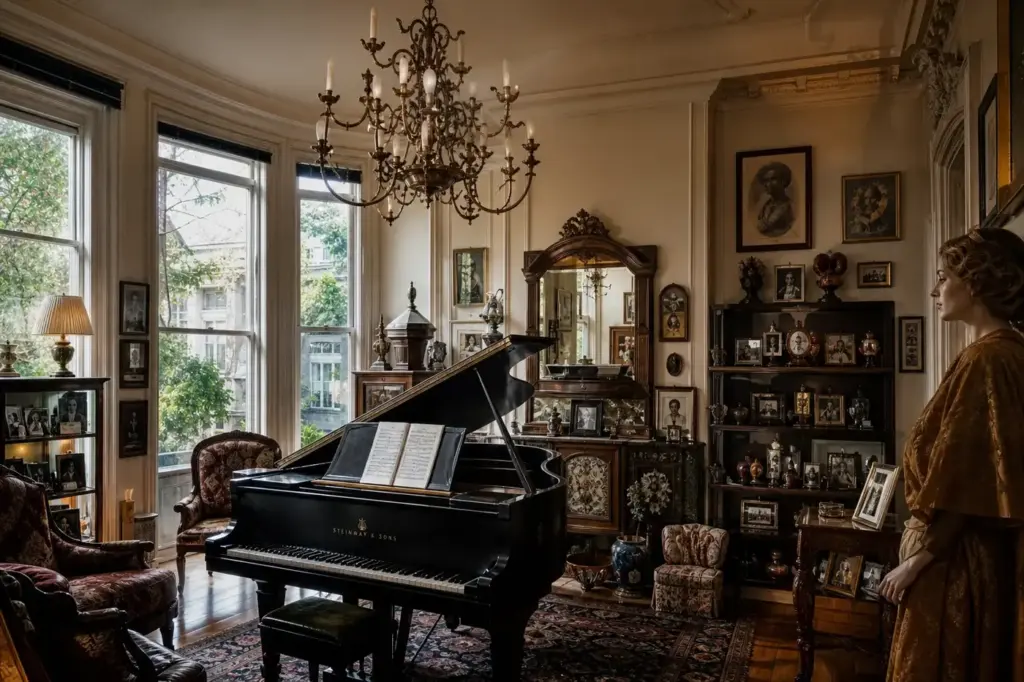
The Barış Manço Museum is the former residence of one of Turkey’s most influential musicians. Located in the Moda neighbourhood of Kadıköy on Istanbul’s Asian side, this three-story mansion served as Barış Manço’s home and creative workspace until his death in 1999. The house has been carefully preserved to reveal the life and legacy of the pioneering rock musician who blended Western rock with Turkish folk traditions to create Anatolian rock.
Walking through the Barış Manço Museum offers an intimate portrait of a multifaceted artist—not just a musician, but also a graphic designer, television host and cultural ambassador. Every room tells part of his story through original objects: his piano where he composed, his stage costumes from international tours, collections he gathered throughout his life, and family spaces that remain largely unchanged.
Quick Facts
| Turkish name | Barış Manço Müzesi |
|---|---|
| Built / opened | 2010 |
| Architect(s) | Pape |
| Address | Caferağa, Yusuf Kamil Paşa Sk. No:5, 34710 Kadıköy/İstanbul Google MapsApple MapsYandex Maps |
| District | Kadıköy |
| Metro | Kadıköy (Ferry terminal; walk northwest 15–20 minutes to Moda) |
| Admission | ₺ |
| Best time to visit | Visit on a weekday morning or early afternoon for the quietest experience; the museum is small and can feel crowded on weekend afternoons. Autumn and spring offer pleasant temperatures and natural light in the house. Avoid very hot summer afternoons when the unair-conditioned rooms may feel uncomfortable. The museum is open year-round; no seasons are closed. |
| Website | barismanco.kadikoy.bel.tr |
What Is (and Isn't) Part of a Visit to Barış Manço Museum?
| Part | Status | Notes |
|---|---|---|
| Three-story mansion tour | Included in the standard ticket | Access to ground floor, upper floors and basement with all permanent exhibits; all rooms visitable on a single ticket. |
| Summer and Winter Gardens | Included in the standard ticket | Both garden spaces are accessible; the summer garden operates as a cafe. |
| Archive and Research Materials | Included in the standard ticket | Basement archive available for visitors interested in researching Manço's life and work. |
| Café in Summer Garden | Separate ticket or institution | Cafe is within the museum grounds but operates separately; refreshments purchased à la carte. |
| Photography | Included in the standard ticket | Personal photography is permitted throughout; no flash restrictions noted. |
Why Visit Barış Manço Museum?
Barış Manço pioneered the blending of rock sounds with traditional Turkish folk music to establish the Anatolian rock genre in the 1960s and 1970s. He remains a cultural touchstone in Turkey, and this museum preserves his creative environment exactly as he left it.
The house itself is a Victorian-era mansion built around 1900, and the museum displays remarkable personal collections: a Steinway grand piano, 19th-century furnishings, his fanciful concert outfits and a piano-key designed staircase. Costumes from a 17-city tour of Japan, including a Chinese embroidered jacket worn at his 1978 wedding and a graduation outfit from his 1982 Ph.D. from Hacettepe University are on display. Fans of Turkish rock, music history and creative personalities will find genuine insight into an artist who profoundly shaped Turkish popular culture.
How Barış Manço Museum Is Laid Out
The museum occupies a multi-story mansion with rooms arranged roughly as they were during Manço’s lifetime. A basement level holds the Knight Room and Administration Room, used for research archives on the artist.
The ground floor features a wax statue of Barış Manço greeting visitors, alongside the piano on which he composed his works. The dining room is decorated with European furniture including a 90kg French bronze chandelier, with cabinets displaying ornate etched liquor glasses finished in gold.
The costume room holds vibrant patterned clothes, belts and accessories he received on his 17-city tour of Japan. A keyboard staircase leads to family rooms that now display mementos of his life and work, including rings, graphic art examples, records, cassettes and recordings of his shows. His son Batıkan’s former bedroom is now set up to showcase his popular TV programme ‘From 7 to 77’, featuring a statue of Manço and an original camera from the show.
The mansion includes a Winter Garden and Summer Garden; the summer garden is a café with record-shaped tables and note-shaped chairs.
Highlights of Barış Manço Museum
Steinway Grand Piano
The Steinway grand piano is a centrepiece of the main salon, where Manço composed many of his works. This instrument is central to understanding his creative process and remains one of the museum's most striking objects. Visitors should look for it on the ground floor as the focal point of the main room.
Tip: Ask the staff about specific pieces Manço composed at this piano; the memory can bring context to his recorded work you may have heard.
Whizz Kid Television Room
The former bedroom of his son Batıkan has been transformed to showcase his role as a TV host, particularly his famous programme 'From 7 to 77', a music, documentary and chat show that was popular for its segment called Whizz Kid where he talked directly to children on set. The room includes a statue of Manço and an original camera from the show.
Tip: This room reflects how Manço transcended music to become a beloved television personality and cultural figure; the original camera is a tangible link to television history.
Concert Costumes and Stage Jewellery
The musician's flamboyant silver jewellery and stage costumes are on display. Vibrant patterned clothes, belts and accessories he received on his 17-city tour of Japan include a Chinese embroidered jacket he wore at his wedding on 18 July 1978 and the graduation outfit from his Ph.D. presentation on 19 June 1982.
Tip: The scale and intricacy of the rings and belts reveal his personal aesthetic; photograph these carefully as they illustrate how he constructed his iconic visual identity.
Piano-Key Staircase
A keyboard staircase leads up to rooms once used by his family. This distinctive feature is an architectural whimsy that captures Manço's larger-than-life personality and his integration of music into every aspect of his home.
Tip: Take the stairs slowly and look at how the keys are designed and arranged; it's a small detail that reveals the thought behind the museum's design.
Decorative Arts and Collections
The dining room features a 90kg French bronze chandelier and cabinets displaying his collection of highly ornate etched liquor glasses finished in gold and other glassware. His handkerchief and barware collections are also on display. These reflect his refined taste and connections to international culture.
Tip: The glassware collection is easily overlooked but reveals his attention to craftsmanship and design; the French chandelier alone is worth noting for its weight and ornate detail.
Graphic Art and Design Work
Examples of Manço's work as a talented graphic artist are displayed throughout. The museum presents original objects, from the clothes he wore to paintings he designed himself, showing that his creativity extended well beyond music into visual design.
Tip: His graphic art is housed on the upper floors; these pieces are often less crowded and reveal a side of his talent that fans of his music may not be familiar with.
Records, Cassettes and Archival Materials
Display cases are packed with his records and cassettes while the walls are lined with hundreds of tapes of his shows. An archive on the life of the artist is housed in the basement floor for research purposes.
Tip: The sheer volume of recorded material is visually impressive; it underscores his prolific output over a four-decade career from the 1950s to 1999.
Wax Statue and Final Desk
Visitors are greeted by a wax statue of Barış Manço on the ground floor. The museum displays items from the desk in his final moments, creating a poignant connection to his presence in the house.
Tip: The wax statue can feel startling on first encounter; it's designed to be an intimate greeting that personalizes the visit to his home.
Atmosphere
The museum feels like stepping into a time capsule of a home frozen in the 1980s and 1990s. Barış Manço’s music plays softly throughout, creating a living soundscape that grounds the experience in his artistic voice. The rooms retain their residential character—these are not sterile display halls but intimate spaces where a creative family lived and worked.
Natural light filters through windows overlooking the quiet streets of Moda, a neighbourhood known for its greenery and proximity to the Bosphorus. The atmosphere is contemplative rather than crowded; visitors tend to move slowly through rooms, taking time to absorb the personal details. Staff members are present but not intrusive. The cafe in the summer garden offers a place to sit and reflect, surrounded by record-shaped tables that playfully reference his profession. The overall mood is one of reverence tinged with the eccentricity and warmth of a singular personality.
History of Barış Manço Museum
The building is a Victorian mansion constructed between 1895 and 1900, designed by architect Pape. Originally built as the Whittall Mansion, it was the home of British businessman James William Whittall and his family; the mansion changed ownership many times over the 20th century until 1965 when fifth-generation family member John Whittall regained possession.
In 1984, rock musician Barış Manço purchased the mansion. After Manço’s death, the mansion, where he had lived with his wife Lale and sons Doğukan Hazar and Batıkan Zorbey and produced his works, was restored and turned into a museum focused on his life. It was opened to the public on 9 June 2010.
Barış Manço (2 January 1943 – 1 February 1999) was a Turkish rock musician, singer, composer, actor, television producer and show host who was a pioneer of rock music in Turkey and one of the founders of the Anatolian rock genre. He was born in Üsküdar in 1943 and began performing in the early 1960s. Manço composed around 200 songs and is among the best-selling Turkish artists to date and the winner of the most awards.
His television programme ‘From 7 to 77’ was a music, documentary and chat show that was wildly popular, mainly for the segment called Whizz Kid where he talked directly to children on set. On the night of January 31, 1999, Barış Manço passed away while sleeping in his home in the Moda neighbourhood. For several years thereafter, the estate was bank-held as a backlog of outstanding debts were paid down, after which time the home was converted into a museum.
Tickets and Booking for Barış Manço Museum
| Ticket | Price | Includes |
|---|---|---|
| General admission (adult) | ₺ | Full access to three floors, all permanent exhibits, basement archive, gardens and cafe access. |
₺ budget · ₺₺ moderate · ₺₺₺ upscale · ₺₺₺₺ splurge. Price levels are estimates compared with typical prices for visitors.
Tickets are purchased at the museum entrance on arrival; online advance booking is not available. The museum is operated by Kadıköy Municipality. Visit the official website at barismanco.kadikoy.bel.tr for the most current pricing and any special hours. Turkish citizens, students and other concession categories qualify for reduced rates; bring valid ID. The museum does not accept group vouchers. Entry is straightforward—simply arrive during operating hours, purchase a ticket at the desk, and begin your visit. No special registration or ID verification is required for foreign adult visitors beyond a simple entry process.
Suggested itineraries Barış Manço Museum
45 minutes
Focus on the ground floor: the wax statue greeting, Steinway piano, dining room with chandelier and glassware collection, and the piano-key staircase. Ascend to one upper floor to see stage costumes and personal memorabilia. This captures the core narrative of Manço's artistic and personal life.
1–1.5 hours
Begin on ground floor with the piano and dining room. Climb the keyboard staircase to explore upper floors: the costume room, graphic art examples, rings and jewellery collection, records and cassettes, and the Whizz Kid television room. Descend to the basement archive. Finish with tea or coffee in the summer garden.
2–2.5 hours
Complete the full tour: ground floor exhibits, systematic exploration of all three floors including family bedrooms and the graphic art gallery, basement archive, and extended time in the cafe. Read descriptive plaques carefully, absorb the atmosphere of each room, and allow time to sit and reflect on Manço's multifaceted legacy as a musician, designer, television personality and cultural ambassador.
How to Get to Barış Manço Museum
By ferry and foot: Take the ferry from Eminönü or Karaköy to Kadıköy. From the ferry terminal, head northwest on the main avenue toward Moda (walking signs are posted). Continue approximately 15–20 minutes, following the street signs for Moda neighbourhood. Turn onto Yusuf Kamil Paşa Sokak (Street); the museum entrance is at No. 5 on your left. The walk is pleasant through quiet residential streets with local shops and cafes.
By bus: From the European side, buses cross to Kadıköy; get off at a central Kadıköy stop and walk to Moda following the above directions.
By taxi or ride-sharing: Provide the driver with the address: Caferağa, Yusuf Kamil Paşa Sk. No:5, 34710 Kadıköy. Ride-sharing apps are reliable and the area is straightforward to locate.
By private car: Park on or near Yusuf Kamil Paşa Sokak; street parking is available. The area has no designated museum car park.
Accessibility
The mansion is a historic house with multiple floors connected by stairs, including the distinctive keyboard staircase. Wheelchair access is limited; the ground floor is reachable, but upper floors and the basement are not accessible to wheelchair users. The building has no lifts. Visitors with mobility challenges should check ahead by phone (+90 216 337 94 13) about what they will be able to view. Benches are placed in some rooms for rest.
Food Nearby
The museum's summer garden operates as a simple cafe offering light refreshments and tea. In Moda neighbourhood, Yusuf Kamil Paşa Sokak and adjacent streets have local cafes, traditional Turkish breakfast spots and casual restaurants. The seafront promenade (Sahil) a short walk away has waterside restaurants and tea gardens with Bosphorus views.
What to Bring
Comfortable walking shoes for the ferry walk and internal stairs. A light layer, as historic houses can feel cool even in warm seasons. Water bottle. A small notebook if you want to record details about exhibits. No special items are required; bag checks are standard and security is straightforward.
Best Views and Photo Spots of Barış Manço Museum
Ground floor with Steinway piano and wax statue
The grand piano beneath the elaborate French bronze chandelier, with the wax figure of Manço in period costume nearby, creates a striking composition of his artistic presence and refined aesthetic.
Best time: Morning light from the windows; shoot from the doorway to capture the full room depth.
Keyboard staircase landing
The distinctive piano-key designed stairs photographed from above or below create an unusual geometric pattern and convey Manço's whimsical integration of music into his home.
Best time: Mid-morning when soft light falls on the steps; shoot from the lower or upper landing.
Costume room with display cases
Vibrant patterned fabrics, oversized rings and stage wear arranged in cases and on mannequins capture the flamboyance and international influences of his concert aesthetic.
Best time: Indirect daylight from windows; late morning provides warm, diffused light.
Summer garden from inside the house
The record-shaped tables and note-shaped chairs set among greenery offer a playful perspective on his creative personality and the integration of his life with his art.
Best time: Late afternoon when side light illuminates the garden foliage and table details.
Photography Rules
Personal photography is permitted throughout the museum without restrictions. No professional tripods, commercial filming or drone photography. Flash is not explicitly prohibited but should be avoided to protect sensitive artworks and the comfort of other visitors. Interior lighting is naturally soft, so slower film speeds or higher ISO settings may be needed for sharp images.
Family Suitability
The museum is moderately suitable for families with older children (10+) and particularly for teenagers interested in music history. Younger children may find the many rooms and displays overwhelming or tiring due to stairs. The wax statue can startle very young visitors. No dedicated children's areas or interactive exhibits are present; visits are self-guided and contemplative rather than activity-based. The cafe and gardens offer space to rest. Strollers cannot navigate stairs, so the upper floors would be inaccessible with an infant. Groups of school-age children and families with teenagers typically find it engaging, especially if they have prior interest in Turkish rock music or 1980s–1990s cultural history.
Istanbul Vibes Tips
- Arrive early in the week or on a weekday morning; the museum is small and much less crowded than weekend afternoons. You'll have more space to linger in each room and potentially more availability for staff to answer questions.
- The basement archive is often overlooked by casual visitors; if you're interested in Manço's later work or want to see research materials and additional documentation, ask staff for access—it offers a deeper dive beyond the public displays.
- Don't rush past the graphic art examples on the upper floors; these reveal a lesser-known dimension of Manço's creativity and are visually striking. He was a serious designer, not just a performer.
- The summer garden cafe is more than a refreshment stop—it's an extension of the museum experience. Sit for tea among the record-shaped tables and review your photos or notes; the atmosphere is contemplative and the garden view complements the visit.
- The opening date of June 9, 2010 is relatively recent for such a historic figure; the museum is well-maintained but still evolving. Ask staff about any rotating exhibits or special events—they sometimes host commemorative events or musical programs.
- If you're familiar with his 'From 7 to 77' television programme, the dedicated room with the original camera is a pilgrimage site for fans; this room is the most emotionally resonant for many visitors because the show was culturally significant across generations in Turkey.
Explore Nearby Barış Manço Museum
Sights near Barış Manço Museum
 Göztepe Park – about 3.0 km away · typical visit: 1–2 hoursOpen 24 hours
Main image: AI-generated illustration. It may not show the place exactly as it looks.
 Hidiv Grove – about 14.3 km away · typical visit: 2–4 hoursOpen daily 08:00–23:00
Main image: AI-generated illustration. It may not show the place exactly as it looks.
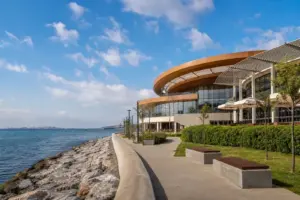 Bostanci Entertainment Center – about 7.1 km away · typical visit: About 3 hours for a show, longer with dinner nearby15 min on foot from Bostancı metro
Main image: AI-generated illustration. It may not show the place exactly as it looks.
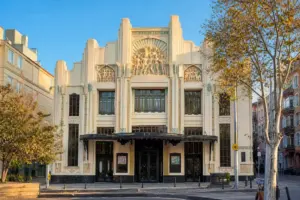 Süreyya Opera House – about 750 m away (~12 min walk) · typical visit: 2–3 hours12 min on foot from Kadıköy-İDO metro, Open daily 10:00–18:00
Main image: AI-generated illustration. It may not show the place exactly as it looks.
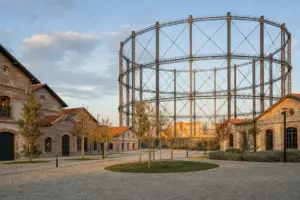 Müze Gazhane – about 2.2 km away · typical visit: 1.5–2.5 hours9 min on foot from Acıbadem metro, Open 10:00–18:00, closed Mon
Main image: AI-generated illustration. It may not show the place exactly as it looks.
Metro stations near Barış Manço Museum
 Kadıköy-İDO – about 1.1 km away (~18 min walk)Open daily 06:00–00:04
Main image: AI-generated illustration. It may not show the place exactly as it looks.
Restaurants and cafes near Barış Manço Museum
 Ciya Sofrasi – about 850 m away (~14 min walk)6 min on foot from Kadıköy-İDO metro
Main image: AI-generated illustration. It may not show the place exactly as it looks.
 Baylan Pastanesi – about 950 m away (~16 min walk)4 min on foot from Kadıköy-İDO metro, Open daily 09:00–20:00
Main image: AI-generated illustration. It may not show the place exactly as it looks.
 Yanyalı Fehmi Lokantası – about 1.1 km away (~18 min walk)1 min on foot from Kadıköy-İDO metro, Open daily 09:00–21:00
Main image: AI-generated illustration. It may not show the place exactly as it looks.
 Afsona Uzbek Restaurant – about 1.3 km away (~21 min walk)15 min on foot from Kadıköy-İDO metro, Open daily 09:00–22:00
Main image: AI-generated illustration. It may not show the place exactly as it looks.
Nightlife near Barış Manço Museum
 Taşra Kabare – about 1.3 km away (~20 min walk)7 min on foot from Kadıköy-İDO metro, Open daily 11:00–04:00
Main image: AI-generated illustration. It may not show the place exactly as it looks.
Train stations and river piers near Barış Manço Museum
 Kadıköy Ferry Terminalabout 1.1 km away (~18 min walk)
Main image: AI-generated illustration. It may not show the place exactly as it looks.
Related guides
 Kuzguncuk Waterfront Walk: A Quiet Bosphorus Route Through Ottoman Streets
Main image: AI-generated illustration. It may not show the place exactly as it looks.
 Moda Seafront: Istanbul’s Free Sunset Promenade
Main image: AI-generated illustration. It may not show the place exactly as it looks.
 Kadıköy Fish Market: Food Streets and Where to Start
Main image: AI-generated illustration. It may not show the place exactly as it looks.
 Haydarpaşa Station: A German Landmark on the Asian Shore
Main image: AI-generated illustration. It may not show the place exactly as it looks.
 Kadıköy: Market, Bull Statue and Moda on the Asian Side
Main image: AI-generated illustration. It may not show the place exactly as it looks.
Browse more: More in Kadıköy · All Museums · All Sightseeing
FAQ: Barış Manço Museum
Is there a metro station nearby?
No metro line serves the museum directly. The nearest metro stop would require a lengthy walk. Instead, take the ferry from the European side to Kadıköy ferry terminal, then walk approximately 15–20 minutes northwest to Moda. This ferry journey is scenic and part of the Istanbul experience.
How long should I spend at the museum?
Plan 1–1.5 hours for a thorough visit of all three floors and the gardens. If you move quickly through the ground floor only, 45 minutes is possible. To truly absorb the atmosphere and read descriptive plaques, 2–2.5 hours is ideal.
Can I take photographs inside?
Yes, personal photography without flash or professional equipment is permitted throughout the museum. The interior lighting is soft, so consider a higher ISO setting or slower shutter speed for sharp images.
Is the museum accessible for wheelchair users?
Limited access. The ground floor is reachable, but upper floors and the basement require stair navigation. There are no lifts. Visitors with mobility questions should call ahead (+90 216 337 94 13) to confirm what is accessible.
What is included in the ticket price?
A single admission ticket includes access to all three floors of the mansion, the basement archive, both gardens, and all permanent exhibits. Refreshments at the cafe are purchased separately. No separate tickets for different areas are needed.
When is the best time to visit to avoid crowds?
Weekday mornings and early afternoons are quietest. Weekends, particularly Saturday and Sunday afternoons, see more visitors. The museum is open year-round; no seasons experience significant closures.
Is a guide necessary or available?
The visit is self-guided with descriptive plaques in English and Turkish. No mandatory guided tours are offered, but staff can answer questions at the entrance. Most visitors find the self-guided experience intimate and personal.
What makes this museum different from a typical rock star museum?
This is his actual home preserved as a museum, not a recreated exhibition space. You're walking through rooms where Manço lived, worked and composed. The personal atmosphere—family photos, worn piano, everyday objects—creates an intimate understanding of him as a person, not just a performer.
Istanbul Vibes is a one-person project. A coffee keeps it going
Hotels near Barış Manço Museum
- Pasha Otel (400 m) Check prices (affiliate link, opens in a new tab)
- Pasha Hotel (450 m) Check prices (affiliate link, opens in a new tab)
- Miesha Ottoman Palace (450 m) Check prices (affiliate link, opens in a new tab)
- The Pasha İstanbul (500 m) Check prices (affiliate link, opens in a new tab)
Affiliate link (opens the booking site): we may earn a commission at no extra cost to you.
Restaurants near Barış Manço Museum
- Pinsa (150 m) Google Maps
- Lita Mantı (150 m) Google Maps
- Kolombo Kebap (150 m) Google Maps
- Köyüm Pidecisi (150 m) Google Maps
Distances are straight-line, from OpenStreetMap data.

Take this guide with you
Get a free PDF of this guide to print or read offline: key facts, tips and a map link on a few clean pages.
Report an issue on this page
How we research and update our guides
About this guide: AI assistance and accuracy
This guide is created with the help of AI and is based on official sources where available. Mistakes can still happen. Opening hours, prices, rules and other details are given to the best of our knowledge as of the date shown and can change without notice. It offers general recommendations only, not professional, legal or travel advice. Please confirm important details with the official source before you travel; you are responsible for your own plans and decisions.
* Affiliate link: as an Amazon Associate we earn from qualifying purchases at no extra cost to you.
