
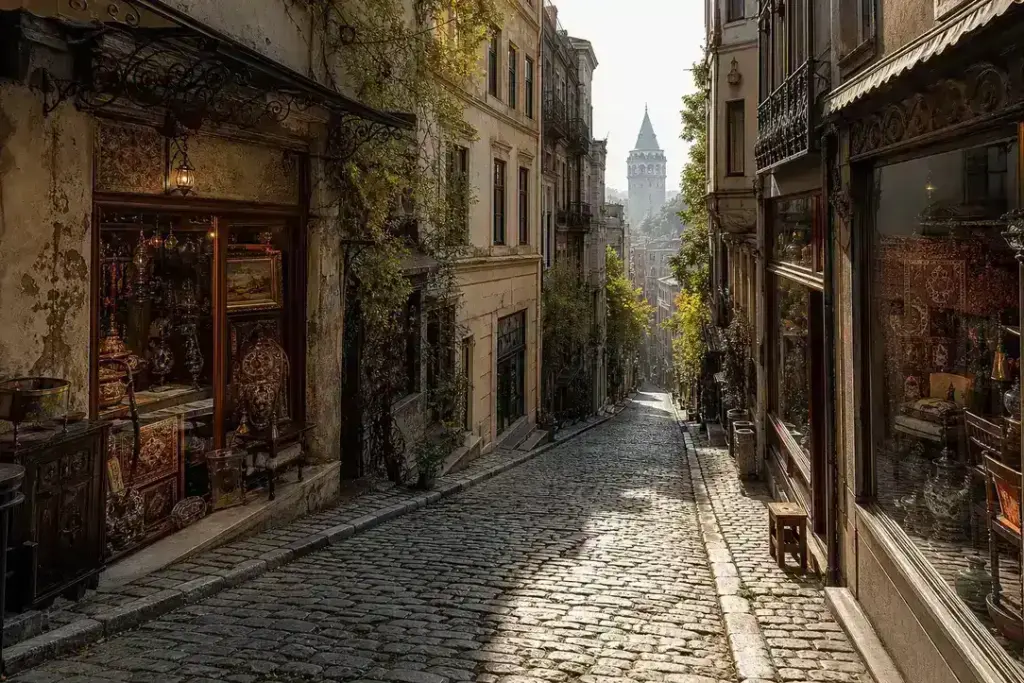
Çukurcuma is a district of Beyoğlu in Istanbul, lying southeast of İstiklal Caddesi in a valley, not far from Galatasaray Square. Made up of the Kuloğlu and Firuzağa neighbourhoods, the area is commonly known by its old street name rather than its official neighborhood designation. The district’s identity rests on a single, decades-old reputation: it is Istanbul’s primary marketplace for antiques, second-hand goods, and vintage finds.
The buildings largely date from the 19th century, and during the Conquest of Constantinople, Sultan Mehmed the Conqueror is said to have initiated Friday prayer in the valley, giving rise to its name. Stepping into Çukurcuma feels like stepping back in time; the cobbled streets are quieter, the pace slower, and the atmosphere more nostalgic.
Quick Facts
| Address | Çukurcuma Caddesi, Beyoğlu, Istanbul Google MapsApple MapsYandex Maps |
|---|---|
| District | Beyoğlu |
| Metro | Taksim (M2, Walk downhill southeast through Galatasaray area, approximately 12 minutes) Kabataş (M2, Walk northwest uphill via Galata, approximately 10 minutes) |
| Admission | Free; individual shops may charge entrance or set purchase minimums |
| Best time to visit | Visit Tuesday mornings from 9am when new stock arrives from the weekly dealer circuit; weekdays in general beat weekends. Morning hours (9:00–13:00) are quieter and staff are fresher; afternoon foot traffic increases. Summer (June–September) is peak tourist season, bringing crowds; spring and autumn offer milder weather and fewer visitors. Winter is cold and rainy but sees the fewest crowds. |
What Is (and Isn't) Part of a Visit to Çukurcuma?
| Part | Status | Notes |
|---|---|---|
| Antique shops, galleries, and boutiques along main streets | Included in the standard ticket | Free to browse most shops; purchase is not required. Individual shop hours vary; most open Tue–Sun 10:00–18:00 and close Monday. |
| Çukurcuma Hamam (Turkish bath) | Separate ticket or institution | Requires separate entrance fee; operates on gender-separated schedules with different daily hours. |
| Museum of Innocence | Separate ticket or institution | Located on Çukurcuma Caddesi but requires a separate ticket; independently operated museum, not part of general neighborhood browsing. |
| Ömer Ağa Fountain and Muhyiddin Molla Fenari Mosque | Included in the standard ticket | Free to view externally. Mosque is a working place of worship; modest dress required if entering during prayer times. |
| Cafés and restaurants | Separate ticket or institution | Food and drinks require payment; prices vary by establishment. |
| Adjacent Cihangir neighborhood | Outside / not part of it | Cihangir lies uphill to the northwest; it is a separate neighborhood with its own cafés, restaurants, and attractions. |
Why Visit Çukurcuma?
There is a very popular trade of second-hand goods here that has been running for 550 years. Çukurcuma is Istanbul’s top destination for antique lovers, home to a wide array of antique stores and vintage boutiques where you can find everything from Ottoman-era furniture and handwoven carpets to old postcards, typewriters, and gramophones. Unlike the packed Grand Bazaar, collectors and design enthusiasts will find Çukurcuma is a completely different proposition where dealers operate at their own rhythm with prices that reward patience over urgency. The area is also home to art galleries, cafés, and the excellent Museum of Innocence.
How Çukurcuma Is Laid Out
The main thoroughfare is Çukurcuma Caddesi, which runs downhill from the upper neighborhood near Cihangir and descends toward the Galata area. Many shops are located along Çukur Cuma Street, but you can also find them on Faik Pasha and Bostanbaşı Streets. The neighborhood has two distinct zones: the upper section near Cihangir, which is quieter and features smaller independent dealers and cafés; and the lower main commercial strip along Çukurcuma Caddesi and Faik Paşa Caddesi, where dozens of established antique shops cluster. Some buildings at the top of Çukurcuma Caddesi near the Cihangir junction have multi-story dealers sharing a single staircase, with each floor being a different shop. For antique hunting, start at the upper end and walk downhill, or begin on Faik Paşa Caddesi for more commercial establishments.
Highlights of Çukurcuma
Antique shops on Çukurcuma Caddesi and Faik Paşa Caddesi
The district hosts over 150 antique shops, ranging from specialized dealers to general collectors. Shops offer everything from Ottoman-era furniture and handwoven carpets to old postcards, typewriters, and gramophones. The shops stock Ottoman silver, Art Nouveau ceramics, Soviet cameras, vintage film posters, and taxidermied peacocks—the buildings themselves are half the draw, with cracked plaster facades, wrought iron staircases, and courtyard views. Each shop has distinct character and inventory, so browsing several is essential.
Tip: Visit Tuesday mornings from 9am when new stock arrives from the weekly dealer circuit; weekdays in general beat weekends. Skip the polished 'antique' shops on Faik Paşa Caddesi's main strip where prices are already marked up for tourists; the real finds are in the buildings set back from the main road.
A La Turca
Erkal Aksoy's A La Turca is a museum of an antique shop in the popular antiques quarter of Çukurcuma, midway between İstiklal Caddesi and the cafés of Cihangir. Kilims are rolled up and kept on bookshelves, the basement hides mountains of green-glazed Tokat pottery, and there are mounds of other delights from giant wooden rakes to globes, portraits and curious lamps. This flagship dealer specializes in Ottoman textiles, carpets, and home furnishings.
Tip: The turnover of goodies is so fast it pays to go back again at least once a month.
Museum of Innocence
Nobel prize-winning novelist Orhan Pamuk established the Museum of Innocence (Masumiyet Müzesi) to exhibit artifacts from the scenes in his novel of the same name. The Museum of Innocence is set in a 19th-century mansion on Çukur Cuma Street. On the top floor is the supposed room of the protagonist, Kemal Basmacı, with a sign indicating Kemal lived in the bedroom from 2000 until his death on April 12, 2007, and Pamuk would visit him occasionally to listen to his story. This unique museum blurs fiction and reality, creating an immersive experience.
Tip: The museum requires a separate ticket and should be booked in advance during peak visitor seasons. It is a small space and operates on limited hours; check the official museum website before visiting.
Ömer Ağa Fountain
The Ömer Ağa Fountain (Ömer Ağa Çeşmesi) sits near the Muhyiddin Molla Fenari Mosque and was built in 1731. This modest but historically significant fountain is one of the few public landmarks that predate the antique district's rise. This historic fountain showcases the neighborhood's architectural heritage.
Tip: Look for the fountain near the small mosque on Çukurcuma Caddesi, slightly below the main shopping area. It is easy to miss if you are focused on the shops.
Muhyiddin Molla Fenari Mosque
The Çukurcuma Camii (officially the Muhyiddin Molla Fenari Camii) is a small mosque nestled within the neighborhood's layout. The mosque is said to date from Mehmed's reign. This working mosque remains active despite being surrounded by secular shops and galleries, reflecting the area's layered history.
Tip: The mosque is on a side street; respect prayer times and dress modestly if entering. It is a quiet retreat from the bustle of the antique shops.
Çukurcuma Hamam (Turkish Bath)
The Çukurcuma Bath (Çukurcuma Hamamı) was built in 1830 by Nakşedil Valide Sultan, wife of Abdulhamid I and spiritual mother of Mahmud II, and was reopened in 2018 after a long renovation. This Ottoman-era hammam offers an authentic bathing experience within historic surroundings, a rare survival in a neighborhood dominated by shopping.
Tip: Hammams operate on gender-separated schedules; confirm opening times before visiting. Bring minimal valuables; lockers are provided.
Galeri Alfa
Galeri Alfa was one of the first stores to open in this area and specializes in antique maps, engravings, and a unique collection of lead alloy toy soldier sets of the Ottoman Royal Army and the Janissary corps, each piece hand-painted with historically-accurate costumes. This shop stands out for its focus on visual ephemera and unique collectibles that tell the story of Istanbul's Ottoman past.
Tip: Arrive with time to study the maps and engravings carefully; this shop rewards close attention and repeat visits.
Cafés and restaurants in the neighborhood
Çukurcuma has warm and friendly cafes and restaurants offering a variety of options from traditional Turkish cuisine to international flavors, where you can enjoy delicious meals with their unique atmosphere and historical texture. Many cafés are housed in restored Ottoman buildings and provide rest stops during antique hunting. Options range from casual tea houses to sit-down restaurants.
Tip: Most cafés cluster near the upper end of the neighborhood near Cihangir; exploring the lower commercial strip for shops and then returning uphill for a break is a natural rhythm.
Atmosphere
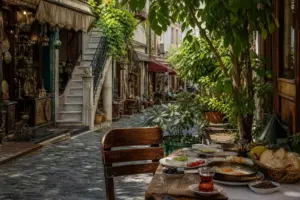
Çukurcuma is a hidden gem in the heart of Beyoğlu, known for its narrow, winding streets lined with antique shops, boutique cafés, and historic buildings, offering an unforgettable experience for those who love exploring charming, off-the-beaten-path destinations. Stunning 19th-century buildings, many of which have been beautifully restored, enhance the neighborhood’s unique atmosphere with cobblestone alleys, wooden houses, and intricately designed facades. The pace is leisurely and reflective. The dealers operate at their own rhythm: morning tea, slow transactions, prices that reward patience over urgency. The cobbled streets are quieter, the pace slower, and the atmosphere more nostalgic. Visitors are more likely to encounter serious collectors and locals than tour groups. Morning light filters through narrow alleys; the sound of shopkeepers arranging merchandise and conversation drifts from open doorways. The visual density is striking—every storefront displays layers of objects competing for attention.
History of Çukurcuma
The area of today’s Çukurcuma was not inhabited in the Byzantine period, but during the Conquest of Constantinople in 1453, Sultan Mehmed the Conqueror is said to have initiated Friday prayer in the valley, giving rise to its name. The legend, though not historically certain, reflects the neighborhood’s Ottoman origins. The Muhittin Molla Fenari Mosque is said to date from Mehmed’s reign.
Çukurcuma’s history dates back over 550 years, established during the reign of Fatih Sultan Mehmet. Originally home to a significant Greek population, the neighborhood evolved into a multicultural hub that reflects the diverse heritage of Istanbul. The Çukurcuma Hamam was built in 1830 by Nakşedil Valide Sultan, wife of Abdulhamid I and the spiritual mother of Mahmud II. This bathhouse remains one of the neighborhood’s most significant Ottoman-era structures.
Çukurcuma became known as an area where skilled wood craftsmen resided and created their wares, and many of these goods are for sale in the tiny antique shops that line the steep, narrow streets. This craft heritage evolved into the broad-based antique market visible today. In 2008 The Guardian devoted an article to Çukurcuma, and in 2012 described it as one of the five best places to live worldwide. This international recognition solidified the neighborhood’s status among collectors and design enthusiasts, though it remains less touristed than the Grand Bazaar or major historical monuments.
Legends and Myths about Çukurcuma
Mehmed the Conqueror's Friday Prayer in the Valley
Legend – historically unreliable. According to a rumor, Fatih Sultan Mehmet performed the first Friday prayer here after the conquest. Fatih Sultan Mehmet, who went with his armies, said, "Let's perform Friday prayers in that pit." It then merged into Çukurcuma, a combination of the words pit and Friday in Turkish. No historical records confirm this account, but it remains the popular folk etymology of the neighborhood's name.
Tickets and Booking for Çukurcuma
Çukurcuma is a neighborhood and market district, not a ticketed venue. Antique shops are open to walk-in browsing at no cost; there is no charge to explore the streets and window-shop. Individual purchases are optional and priced by each dealer.
The Museum of Innocence and Çukurcuma Hamam require separate tickets, available at their entrances or online (check their official websites for current prices and hours).
Best times to visit: Tuesday mornings from 9am, when new stock arrives from the weekly dealer circuit; weekdays beat weekends by a wide margin. Most shops close on Monday. Afternoon hours (after 13:00) are less crowded than mornings.
Suggested itineraries Çukurcuma
1–2 hours
Start at the top of Çukurcuma Caddesi near Cihangir. Walk downhill slowly, browsing the main shops along Çukurcuma Caddesi. Stop at Galeri Alfa for maps and toy soldiers. Explore Faik Paşa Caddesi on the side for established dealers like A La Turca. Descend to the lower section to view the Muhyiddin Molla Fenari Mosque and Ömer Ağa Fountain, then exit near Galata.
2–3 hours
Follow the 1–2 hour route but add a café break uphill in Cihangir. Return to explore side streets and smaller unmarked shops. Visit the Çukurcuma Hamam if time allows (schedule separately if bathing). Conclude with a tea stop before descending.
Half day (3–4 hours)
Spend the full morning or afternoon browsing methodically. Visit the Museum of Innocence (allow 1 hour), then explore all main and side streets. Enjoy a leisurely lunch at a neighborhood restaurant. Reserve time to return to favorite shops or discover new ones. End with tea at a café overlooking the Galata Tower view from the upper streets.
How to Get to Çukurcuma
By metro: The nearest metro station is Taksim (M2), approximately 12 minutes downhill on foot. Exit onto İstiklal Caddesi, head toward Galatasaray Square, and continue southeast downhill. Follow signs toward Beyoğlu or ask for Çukurcuma. Alternatively, Kabataş (M2) is 10 minutes uphill; exit and walk northwest toward Galata, then uphill.
By walking: From Taksim Square, head downhill southeast on İstiklal Caddesi past Galatasaray Square (visible landmark on your right). At Galatasaray, turn right onto Turnacıbaşı Caddesi or Faik Paşa Caddesi. The neighborhood lies just below and to the southeast of İstiklal Caddesi in a valley.
By bus: Several buses serve the Galatasaray area (route numbers change seasonally; check local transit maps). Alight at Galatasaray and walk downhill or ask for directions to Çukurcuma Caddesi.
By taxi or ride-share: Direct the driver to “Çukurcuma Caddesi, Beyoğlu” or provide the Museum of Innocence as a landmark. Narrow streets make drop-off best at the upper end (near Cihangir junction) or lower end (near Galata).
Accessibility
Çukurcuma has steep, narrow cobbled streets with numerous steps and narrow alleyways. Wheelchair and stroller access is severely limited. The neighborhood is not suited for those with mobility challenges. Individual shops have doorstep entrances (typically 1–3 steps); most interiors are cramped and multi-floored with only stairs (no lifts in most buildings). The Çukurcuma Hamam has a street-level entrance but internal layout involves steps. The Museum of Innocence occupies a restored mansion with narrow stairs between floors and no lift. Comfortable walking shoes with good grip are essential for all visitors.
Food Nearby
Çukurcuma and its immediate surroundings have numerous cafés, tea houses, and small restaurants. The neighborhood has warm and friendly cafés and restaurants offering a variety of options from traditional Turkish cuisine to international flavors, with unique atmosphere and historical texture. The upper section near Cihangir has casual cafés and brunch spots. The main strip has restaurants and kebab stands. Most serve Turkish breakfast, tea, coffee, and light meals. Prices are moderate (₺₺).
What to Bring
Wear comfortable, sturdy walking shoes with good grip for steep cobbled streets and steps. A small backpack or crossbody bag is practical; hands-free carrying helps with balance on steep slopes. Bring a water bottle; few stops sell cold water. In summer (June–September), bring sunscreen and a hat; sun exposure is significant on steep, exposed streets. In winter (December–February), rain gear and warm layers are essential. A small notebook can be useful for recording shop names or prices. Bring cash; not all dealers accept cards, though this is changing.
Best Views and Photo Spots of Çukurcuma
Top of Çukurcuma Caddesi looking downhill (near Cihangir junction)
Street descends steeply, with antique shop windows on both sides and the Galata Tower framed at the bottom between building facades. Early morning light creates strong shadows on cobblestones.
Best time: Early morning (8:00–9:30), especially on clear days when sunlight is low and creates strong directional shadows. Weekday mornings have fewer pedestrians.
Faik Paşa Caddesi street perspective
Historic 19th-century buildings with worn plaster facades, wrought iron railings, and antique shop windows create layered depth. Cobblestone texture dominates the foreground.
Best time: Mid-morning to early afternoon when storefronts are animated with activity but not crowded. Overcast days avoid harsh shadows.
Entrance to Çukurcuma Hamam (Turkish bath)
Ottoman-era entrance with weathered stonework and traditional bath signage. Surrounding antique shops provide context of the neighborhood's commercial character.
Best time: Morning light softens architectural details; late afternoon creates warm amber tones on stone.
Muhyiddin Molla Fenari Mosque exterior
Small mosque's modest dome and minaret set against the backdrop of surrounding antique shops and residential buildings create a contrast between sacred and commercial.
Best time: Golden hour (30 minutes before sunset) when the minaret and dome are sidelit. Late afternoon shadows create definition on the building's surfaces.
Courtyard views from mid-level of Çukurcuma Caddesi
Looking between buildings toward rooftops, the Galata Tower, or Golden Horn glimpses. Multi-story buildings frame the view and create layered composition.
Best time: Clear days with blue sky. Morning or late afternoon for soft directional light. Weekdays have fewer tourists.
Photography Rules
Photography is generally permitted on public streets and in shops (ask first in individual stores). Stand at the upper end of Çukurcuma Caddesi and face downhill; at 24mm or wider, the street's descending buildings compress into a corridor, and the Galata Tower appears centered in the gap between building facades. Avoid photographing people without permission. Flash is not needed indoors due to diffused light from shop windows.
Family Suitability
Çukurcuma is suitable for older children (8+) and adults interested in history, antiques, or walking exploration. Very young children may struggle with steep cobbled streets and narrow passages. Strollers are impractical; the terrain is hazardous. Shopping (without purchases) and people-watching are the main attractions; there is no playground, water feature, or dedicated children's area. Cafés are family-friendly and serve non-alcoholic drinks and snacks. The pace is slow and contemplative, which may not suit young children seeking action. Teens and older children who enjoy browsing and learning about history will find the neighborhood engaging.
Istanbul Vibes Tips
- Visit on Tuesday mornings from 9am when new stock arrives from the weekly dealer circuit; weekdays beat weekends by a wide margin. Monday is often closed.
- Skip the polished 'antique' shops on Faik Paşa Caddesi's main strip where prices are already marked up for tourists; the real finds are in the buildings set back from the main road.
- Some buildings at the top of Çukurcuma Caddesi near the Cihangir junction have multi-story dealers sharing a single staircase, with each floor being a different shop and none of them labeled from the street—explore unmarked doorways to discover small dealers.
- Bring cash; many dealers (especially smaller, independent shops) do not accept cards or accept them reluctantly. Having small notes helps with negotiation and transactions.
- Allow extra time if specific items interest you. Antique dealers in Çukurcuma operate at a leisurely pace, and engaging in conversation often leads to better prices or access to unlisted stock kept in back rooms.
- Explore the upper end of the neighborhood near Cihangir first in the morning while energy is high; descend toward Galata in the afternoon as the slope becomes more tiring. Reverse the route if you arrive from Kabataş metro.
Explore Nearby Çukurcuma
Sights near Çukurcuma
 Galata Tower – about 650 m away (~11 min walk) · typical visit: 1–2 hours4 min on foot from Şişhane metro, Open daily 08:30–23:00
Main image: AI-generated illustration. It may not show the place exactly as it looks.
 Tophane Park – about 750 m away (~12 min walk) · typical visit: 45 minutes to 1 hour2 min on foot from Tophane metro, Open 24 hours
Main image: AI-generated illustration. It may not show the place exactly as it looks.
 Museum of Innocence – about 500 m away (~9 min walk) · typical visit: 1.5–2.5 hours8 min on foot from Tophane metro
Main image: AI-generated illustration. It may not show the place exactly as it looks.
 Fener and Balat Districtsabout 1.8 km away (~30 min walk) · typical visit: 3–5 hours
Main image: AI-generated illustration. It may not show the place exactly as it looks.
 Pera Museum – about 150 m away (~2 min walk) · typical visit: 2–3 hours6 min on foot from Tünel metro
Main image: AI-generated illustration. It may not show the place exactly as it looks.
 Suriye Passage – about 200 m away (~3 min walk) · typical visit: 30 minutes–1 hour3 min on foot from Tünel metro
Main image: AI-generated illustration. It may not show the place exactly as it looks.
Metro stations near Çukurcuma
 Tünelabout 350 m away (~6 min walk)
Main image: AI-generated illustration. It may not show the place exactly as it looks.
 Şişhane – about 450 m away (~7 min walk)Open daily 06:09–00:09
Main image: AI-generated illustration. It may not show the place exactly as it looks.
 Tophaneabout 850 m away (~14 min walk)
Main image: AI-generated illustration. It may not show the place exactly as it looks.
Restaurants and cafes near Çukurcuma
 Aheste – about 300 m away (~4 min walk)2 min on foot from Tünel metro, Open daily 18:00–00:00
Main image: AI-generated illustration. It may not show the place exactly as it looks.
 360 Istanbul – about 300 m away (~5 min walk)8 min on foot from Tünel metro
Main image: AI-generated illustration. It may not show the place exactly as it looks.
 Eleos Restaurant – about 300 m away (~5 min walk)2 min on foot from Tünel metro, Open daily 14:30–00:00
Main image: AI-generated illustration. It may not show the place exactly as it looks.
 Yeni Lokanta – about 300 m away (~5 min walk)3 min on foot from Tünel metro
Main image: AI-generated illustration. It may not show the place exactly as it looks.
Nightlife near Çukurcuma
 Blind – about 200 m away (~3 min walk)3 min on foot from Tünel metro
Main image: AI-generated illustration. It may not show the place exactly as it looks.
 Balkon – about 200 m away (~3 min walk)2 min on foot from Tünel metro, Open daily 13:00–02:00
Main image: AI-generated illustration. It may not show the place exactly as it looks.
Train stations and river piers near Çukurcuma
 Karaköy Ferry Terminalabout 1.1 km away (~18 min walk)
Main image: AI-generated illustration. It may not show the place exactly as it looks.
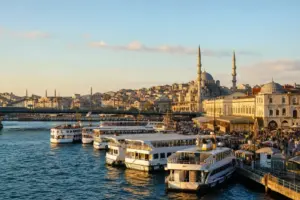 Eminönü Ferry Terminalabout 1.6 km away (~26 min walk)
Main image: AI-generated illustration. It may not show the place exactly as it looks.
Events and traditions near Çukurcuma
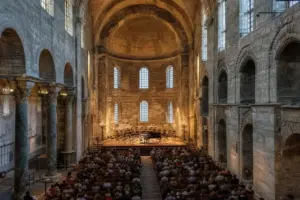 Istanbul Music Festivalabout 750 m away (~12 min walk)
Main image: AI-generated illustration. It may not show the place exactly as it looks.
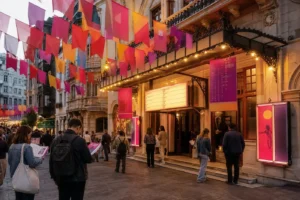 Istanbul Film Festivalabout 1.8 km away (~29 min walk)
Main image: AI-generated illustration. It may not show the place exactly as it looks.
Related guides
 Cihangir and Çükurcuma Walk: Antiques, Cafés, and Hidden Streets
Main image: AI-generated illustration. It may not show the place exactly as it looks.
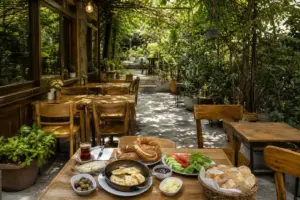 Kahve 6: Cihangir Garden Breakfast With İzmir Flavors
Main image: AI-generated illustration. It may not show the place exactly as it looks.
 Journey: Cihangir Cafe for Breakfast, Pizza and Late Evenings
Main image: AI-generated illustration. It may not show the place exactly as it looks.
 Cuma: Çukurcuma Breakfast, Terrace and Mediterranean Menu
Main image: AI-generated illustration. It may not show the place exactly as it looks.
 Istanbul Film Festival Venues: Cinemas, Layout and Planning
Main image: AI-generated illustration. It may not show the place exactly as it looks.
Browse more: More in Beyoğlu · All Markets & Shopping · All Neighborhoods
FAQ: Çukurcuma
How long does it take to explore Çukurcuma?
A quick walk-through without entering shops takes 30 minutes. Meaningful browsing of 5–10 shops typically requires 1.5–2 hours. If visiting the Museum of Innocence or the Hamam, add 1 hour per venue. Many visitors spend half a day or longer.
Is there an entrance fee to Çukurcuma neighborhood?
No. The neighborhood is free to walk through and browse shops. Entering individual shops and browsing costs nothing; purchasing items is optional. The Museum of Innocence and Çukurcuma Hamam require separate tickets.
What is the best time of year to visit?
Spring (April–May) and autumn (September–October) offer comfortable temperatures and fewer crowds. Summer is warm but brings peak tourists. Winter is rainy and cold but has the fewest visitors. Tuesday mornings are consistently the quietest regardless of season.
Is it suitable for shopping if I'm not wealthy?
Yes. Shops range from budget (small items ₺) to luxury. Many dealers are happy to show smaller, affordable pieces. Bargaining is culturally normal; respectful negotiation often yields better prices, especially for serious browsers.
Can I use my credit card in Çukurcuma?
Larger, established antique shops accept cards, but many independent dealers prefer or require cash. Bring cash for the best experience and to enable negotiation. ATMs are nearby on İstiklal Caddesi or in the Galatasaray area.
Is Çukurcuma part of the Cihangir neighborhood?
No. Çukurcuma (Firuzağa Mahallesi and Kuloğlu neighborhoods) is a separate district in lower Beyoğlu. Cihangir is uphill to the northwest. Cihangir is known as Istanbul's antique quarter and Çukurcuma is the central hub where most antique shops are located; a stroll down Çukurcuma streets is recommended.
What should I bring with me?
Comfortable walking shoes with good grip (the streets are steep and cobbled), a small backpack, cash, water, and weather-appropriate clothing. In summer, sunscreen and a hat; in winter, rain gear and warm layers. A notebook to record shop names or prices is helpful.
Is the Museum of Innocence included in neighborhood browsing?
No. The Museum of Innocence is a separate, ticketed museum located on Çukurcuma Caddesi. Browsing the neighborhood is free; museum entry requires a separate ticket.
Istanbul Vibes is a one-person project. A coffee keeps it going

Take this guide with you
Get a free PDF of this guide to print or read offline: key facts, tips and a map link on a few clean pages.
Report an issue on this page
How we research and update our guides
About this guide: AI assistance and accuracy
This guide is created with the help of AI and is based on official sources where available. Mistakes can still happen. Opening hours, prices, rules and other details are given to the best of our knowledge as of the date shown and can change without notice. It offers general recommendations only, not professional, legal or travel advice. Please confirm important details with the official source before you travel; you are responsible for your own plans and decisions.
* Affiliate link: as an Amazon Associate we earn from qualifying purchases at no extra cost to you.
