
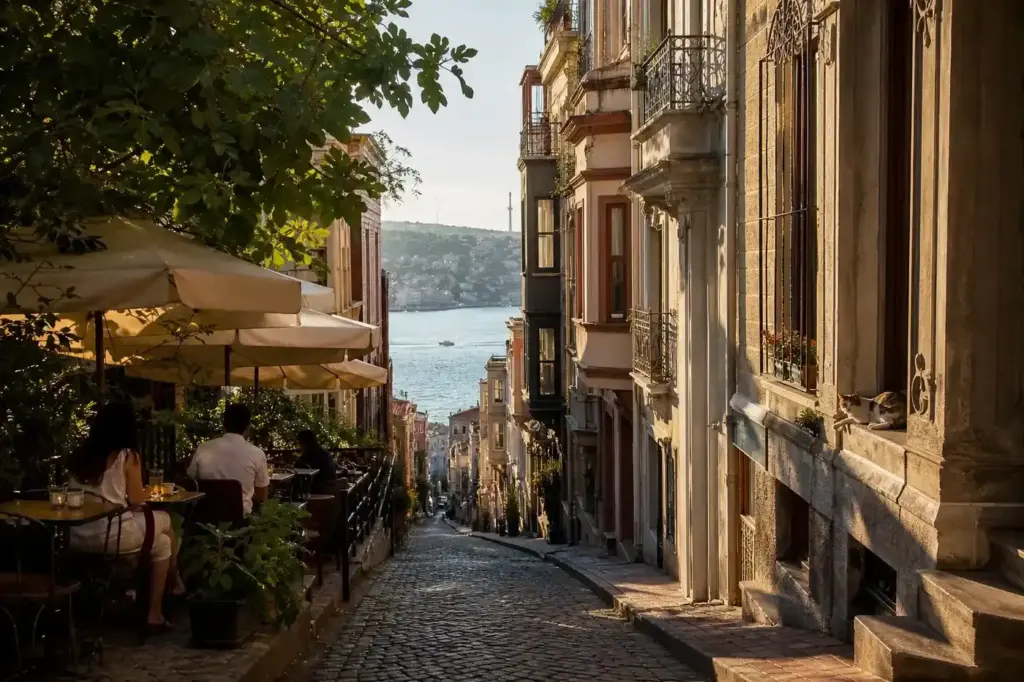
Cihangir is a hilltop neighborhood in the Beyoğlu district that sits between Taksim Square and the Kabataş waterfront. With just under 4,000 residents, it punches above its weight as Istanbul’s most distinctive artistic quarter. The neighborhood is known for its steep, narrow streets lined with restored 19th-century stone apartments, street cats that seem to run local affairs, and a concentration of independent cafés, galleries, and vintage shops that make it feel like its own small bohemian village.
The area takes its name from Şehzade Cihangir (1531–1553), the beloved son of Suleiman the Magnificent, who favored the site when it was still a forested hunting ground. A mosque built in 1559 to honor his memory marks the heart of the neighborhood and remains one of the quietest Bosphorus viewpoints in the city.
Quick Facts
| Address | Google MapsApple MapsYandex Maps |
|---|---|
| District | Beyoğlu |
| Metro | Taksim (M2, Walk southwest down Sıraselviler Caddesi for 10 minutes) Kabataş (F1, Walk uphill for 6 minutes) |
| Best time to visit | Spring and autumn offer the most pleasant weather for walking the neighborhood's steep streets without summer heat or winter cold. Weekday mornings are quietest, particularly Tuesday through Thursday, with a concentration of residents at cafés. Weekends bring more visitors but the neighborhood never becomes crowded compared to major tourist sites. Visit in the morning or early afternoon for the best café atmosphere; late afternoon offers softer light for photography and fewer crowds. |
What Is (and Isn't) Part of a Visit to Cihangir?
| Part | Status | Notes |
|---|---|---|
| Cihangir neighborhood streets and cafés | Included in the standard ticket | The neighborhood is open to public access; no ticket required to walk the streets, visit cafés, or view the Cihangir Mosque from outside. |
| Cihangir Mosque interior | Separate ticket or institution | The mosque is open only for the five daily prayers. Non-Muslim visitors may view the exterior and terrace respectfully; interior access depends on respectful timing outside prayer hours. |
| Galleries and cultural spaces (ARK Kultur and others) | Separate ticket or institution | Independent galleries charge admission for exhibitions or operate by appointment; hours vary by venue. |
| Parks (Cihangir Park, secondary parks) | Included in the standard ticket | Public parks are free to enter and available during daylight hours. |
| Restaurants and cafés | Separate ticket or institution | Cafés and restaurants operate as independent businesses; each has its own hours and pricing. |
| Firuzağa Mosque (in adjacent Çukurcuma district) | Outside / not part of it | Located at the boundary of Cihangir and Çukurcuma; technically a separate landmark though walkable as part of the area. |
| Galata district and Karaköy waterfront | Outside / not part of it | Adjacent neighborhoods to the south; not part of Cihangir but accessible via downhill walking routes. |
Why Visit Cihangir?
Cihangir rewards curiosity with its layered character and authentic neighborhood life. It is the place to experience how Istanbul’s creative class actually lives—writers, actors, painters, and intellectuals gather in its corner cafés for conversation and work. The neighborhood has a distinct identity that blends imperial Ottoman history with modern artistic spirit, visible in everything from the restored belle époque facades to the independent galleries and bookstores. Most visitors come for the calm, the views, the excellent breakfast spots, and the chance to wander without maps through streets that offer unexpected courtyards and hidden terraces overlooking the Bosphorus.
Highlights of Cihangir
Cihangir Mosque
Built in 1559 by the Ottoman architect Mimar Sinan as a wooden structure to commemorate the death of Prince Cihangir, son of Suleiman the Magnificent, this mosque was reconstructed in stone after a fire in 1874. Its terrace offers one of Istanbul's best free Bosphorus views and has become a quiet sunset spot for locals. The mosque is usually open only for the five daily prayers, but visitors can approach the terrace respectfully. The building's simple stone form and the surrounding neighborhood take their name from this modest but historically significant structure.
Tip: Arrive in the late afternoon to watch the light change across the Bosphorus; the terrace is peaceful well before sunset and locals appreciate respectful visitors during non-prayer times.
Akarsu Yokuşu Sokağı
This steep, narrow street is the nerve center of Cihangir's café culture and the neighborhood's social heart. Named Akarsu (meaning 'flowing water'), the lane winds downhill past independent coffee shops, tea gardens tucked under fig trees, bookstores, and galleries. The street is filled with the sounds of conversation, clinking glasses, and the smell of fresh bread from corner bakeries. It perfectly captures the neighborhood's bohemian character and is where you'll find the mixture of local residents, expats, artists, and the occasional curious visitor.
Tip: Visit on a weekday morning for breakfast; the street fills with office workers and creatives starting their day but remains manageable compared to weekend crowds.
Cihangir Park
A green refuge in this densely built neighborhood, Cihangir Park sits between the steep residential streets and overlooks the lower slopes toward the waterfront. The park's location on the hillside provides glimpses of the Bosphorus through surrounding buildings and trees. It serves as a gathering point for residents and offers benches shaded by mature trees. Though modest in size, it is one of only two parks the neighborhood contains and functions as genuine public space rather than a tourist attraction.
Tip: The park is best used as a rest point during an uphill walk rather than as a destination; bring water and comfortable shoes for navigating the neighborhood's steep slopes.
Restored 19th-Century Architecture
The neighborhood's character is defined by its faded belle époque apartment buildings, most dating to the early 20th century. These are the replacement structures built after a major fire in the early 1900s destroyed the earlier wooden buildings. Five-story stone and masonry buildings with ornate balconies and high ceilings line the streets, many now meticulously restored. The architecture reflects the neighborhood's period as a non-Muslim quarter when European and Levantine merchants built upmarket residences here to escape crowded Pera after the 1850s.
Tip: Look up as you walk; many façades feature distinctive carved stonework and decorative balconies that reveal the buildings' grand past despite their modest street-level presence.
Sadık Pasha Mansion
Tip: The mansion is not open to the public but is visible from the street; it stands as a quiet reminder of the neighborhood's cosmopolitan 19th-century character.
Independent Galleries and Cultural Spaces
Scattered through the neighborhood are artist-run galleries, small exhibition spaces, and cultural venues including ARK Kultur, which stages exhibitions, seminars, and video screenings across three floors. These spaces reflect the neighborhood's continued role as a creative hub and draw a community of visual artists, curators, and performers. Unlike formal museums, these venues are intimate and often feature emerging work or experimental presentations that connect to Istanbul's broader contemporary art scene.
Tip: Check online or ask at local cafés for current exhibitions; many spaces have irregular hours and special programming tied to artistic seasons rather than tourist schedules.
Firuzağa Mosque
Located at the corner where Cihangir meets the antiques district of Çukurcuma, this mosque was originally built in 1491 by Firuz Ağa, the head treasurer of Sultan Bayezid II. It represents the area's much earlier Ottoman history before it became a 19th-century European refuge. The mosque marks a transition point between Cihangir's bohemian core and the adjacent Çukurcuma district, which is known for antique shops. The mosque's age and modest architecture stand in contrast to the later developments surrounding it.
Tip: The mosque and Çukurcuma district can be explored together in a single walk; descend from Cihangir to visit Firuzağa and then explore the winding antique-filled streets below.
Street Cats and Neighborhood Life
Street cats are so integral to Cihangir's identity that they have become a symbol of the neighborhood. They sun themselves on windowsills, patrol the cafés and streets, and are cared for by residents and café owners. The presence of these cats contributes to the neighborhood's timeless, bohemian atmosphere and reflects Istanbul's broader culture of community care for street animals. They are a genuine part of daily life here rather than a packaged attraction.
Tip: Respect the cats as residents, not photo subjects; they are part of the neighborhood's social fabric and best observed while sitting at a café rather than approached directly.
Atmosphere
Cihangir feels like its own small town perched on a hillside. The narrow streets are quiet by day outside of café hours and bustling in the morning and afternoon as residents grab coffee or breakfast. Stone buildings with faded balconies lean over the lanes, and the sound of conversation in multiple languages drifts from open café windows. The neighborhood has a distinctly bohemian spirit—independent bookstores, vintage shops, and galleries sit mixed among ordinary grocers and bakeries. Street cats hold court on corners. Residents are predominantly young creative professionals, intellectuals, writers, actors, expats, and long-term foreigners who chose this specific neighborhood deliberately.
Late mornings and afternoons are when the cafés fill; weekends bring more casual visitors, but the neighborhood never loses its lived-in, unhurried character. The atmosphere is deliberately understated—there is no sense of performance or packaging for outsiders. The Bosphorus views appear unexpectedly from certain street corners and the mosque terrace, framing the water across the narrower Asian shore. This is where Istanbul pauses to reflect rather than rush.
History of Cihangir
The site of Cihangir held special meaning for the Ottoman court long before it became a neighborhood. It was one of the favored hunting grounds of Suleiman the Magnificent during the 16th century, known for its forests and open air. The neighborhood takes its name from Şehzade Cihangir, Suleiman’s sixth and youngest child with Hürrem Sultan, born in 1531. The prince, who suffered from a curvature of the spine, died young at age 22 in 1553 in Aleppo, devastating his father. In memory of his beloved son, Suleiman commissioned the renowned architect Mimar Sinan to construct a wooden mosque in 1559 at the site of Cihangir’s favorite retreat overlooking the Bosphorus. This mosque, rebuilt in stone after a fire in 1874, established the neighborhood’s identity and gave it its name.
The area remained relatively undeveloped through the centuries. The dramatic transformation began in the second half of the 19th century when European populations fleoded to Istanbul following the opening of trade routes. The nearby Pera district (Beyoğlu) became crowded as Europeans were officially confined there by Ottoman rules. However, some wealthy European traders and Levantine merchants managed to acquire land in outlying areas including Cihangir, leading to upmarket residential development. The neighborhood became a prestigious non-Muslim quarter filled with tall, elegant wooden apartment buildings that reflected European architectural tastes.
A major fire in the early 20th century devastated these timber structures. The buildings rebuilt in their aftermath—five-story stone and masonry apartments with ornate balconies—are the very same faded, grand buildings that define the neighborhood’s appearance today. Cihangir at this period was home to an international mix of merchants, professionals, and intellectuals including Levantines, who were long-established European traders with family roots in the Ottoman East.
Starting in the 1930s, this cosmopolitan character shifted dramatically. Non-Muslim residents of Cihangir and the wider Beyoğlu district began leaving or were forced out during the early decades of the Turkish Republic. They were replaced by Muslim internal migrants from other Istanbul neighborhoods and Anatolian workers seeking employment in the expanding city. By the 1950s and 1960s, Cihangir had become a working-class neighborhood inhabited by migrants and entertainment workers. Many derelict buildings sat vacant as middle-class residents moved away to newer districts.
Today, Cihangir remains Istanbul’s most distinctive artistic neighborhood while navigating the tensions of gentrification. It continues to attract creatives, expats, and intellectuals while rental prices have climbed significantly from their lowest point. The neighborhood balances its working-class past, its Ottoman imperial heritage, its 19th-century European history, and its modern artistic present in layers visible on every street.
Legends and Myths about Cihangir
Prince Cihangir's Favorite Retreat
Legend – historically unreliable. The neighborhood is said to rest on the site that Şehzade Cihangir favored as a retreat during his father Suleiman the Magnificent's reign. According to Ottoman sources, the prince loved this forested hillside overlooking the Bosphorus. The area remained special to him despite his physical limitations caused by his spinal condition. Some accounts suggest the prince spent time here in contemplation of the water view, and his father later chose this exact location for the memorial mosque after the prince's untimely death. The tradition persists that the neighborhood still carries the prince's spirit of quiet reflection.
The Fire That Shaped the Neighborhood
Legend – historically unreliable. A significant fire swept through Cihangir in the early 20th century, destroying the wooden apartment buildings that had housed the European and Levantine community. The fire is remembered locally as the moment that reshapped the neighborhood's physical form. The stone and masonry buildings that replaced the wooden structures became the architectural template Cihangir is known for today. In neighborhood lore, the fire is sometimes described as the boundary between Cihangir's cosmopolitan European chapter and its later transformation into a working-class and eventually artistic quarter.
Tickets and Booking for Cihangir
Cihangir is a public neighborhood with no entry requirements or tickets needed for walking the streets, sitting in cafés, or enjoying the public spaces. Visitors pay only for services they use—cafés charge for coffee or meals, galleries charge admission for exhibitions, and restaurants have their own pricing. Most cafés operate on a casual pay-as-you-go basis. Restaurants and specialized venues may accept reservations, particularly on weekends or for larger groups.
Suggested itineraries Cihangir
2 hours
Start at Taksim Metro station and walk down Sıraselviler Caddesi for 10 minutes to reach Cihangir's upper edge. Walk the steep streets around Akarsu Yokuşu Sokağı, stopping at a café for coffee. Visit the Cihangir Mosque terrace for Bosphorus views. Explore the secondary streets with restored apartment buildings and note the architectural details.
3–4 hours
Follow the 2-hour route, then descend toward Kabataş. Stop at Cihangir Park for rest. Continue downhill to the Firuzağa Mosque at the neighborhood's edge. Explore the adjacent antique-filled streets of Çukurcuma. Return uphill through different routes to avoid repetition.
Half day (4–5 hours)
Spend the morning walking the full neighborhood, browsing independent galleries and bookstores. Have breakfast or lunch at a café on Akarsu Yokuşu Sokağı. Visit the Cihangir Mosque and terrace. Explore side streets in detail, including Sadık Pasha Mansion and historical buildings. Walk down to Çukurcuma district and antique shops. Rest at a café watching street life.
How to Get to Cihangir
By Metro: Take the M2 line to Taksim station. Exit and walk southwest down Sıraselviler Caddesi (the main street descending from Taksim toward the waterfront) for approximately 10 minutes. You will enter Cihangir as the street slopes more steeply and narrows into neighborhood alleys. Alternatively, take the F1 cable car line to Kabataş and walk uphill for 6 minutes to reach the neighborhood’s lower edge.
By Tram: Take the T1 line to Fındıklı or Tophane stops and walk uphill into Cihangir from the waterfront side; this approach requires climbing the steeper slopes.
By Bus: Several buses serve the neighborhood edges, including routes 22, 62, and others. Check local transport apps for routes to Fındıklı or areas near Taksim.
On Foot: From Taksim Square, descend Sıraselviler Caddesi on foot (10 minutes). From Karaköy or the waterfront, climb the steep lanes uphill into the neighborhood.
Accessibility
Cihangir is built on a steep hillside with narrow streets and numerous steps connecting different levels. Walking the neighborhood requires moderate fitness and comfortable shoes suitable for extended inclines. No wheelchair access is available for most streets due to the terrain and architectural constraints. Many older buildings lack elevators, and café seating is often on stepped terraces or uneven surfaces. The Cihangir Mosque terrace is reachable on foot from main streets but involves steps. Public restrooms are limited; visitors should use café restrooms when possible.
Food Nearby
Cihangir's food culture is one of its main attractions. Akarsu Yokuşu Sokağı, the main café street, hosts independent coffee shops, breakfast venues specializing in fresh simit (sesame bread rings), cheese, and jams, as well as casual lunch spots. The neighborhood contains numerous small restaurants serving Turkish cuisine, Mediterranean fare, and international dishes. Many cafés serve tea and light snacks under shade trees. Wine bars and raki houses are scattered through the area. The district is particularly known for breakfast culture and third-wave coffee. Specific recommendations require checking current venues; look for recommendations from café-goers or ask residents when you arrive.
What to Bring
Wear comfortable walking shoes suitable for steep streets and steps. Bring water, as climbing the neighborhood's slopes requires hydration. A light scarf or sunhat helps manage sun exposure on narrow streets. A camera is useful for architectural photography and street scenes. The neighborhood has adequate mobile phone service; offline maps or local directions are helpful given the maze-like streets. Modest clothing is respectful when passing near the mosque during prayer times. Bring small bills in local currency for cafés.
Best Views and Photo Spots of Cihangir
Cihangir Mosque Terrace
The terrace offers an unobstructed view across the Bosphorus to the Asian shore with old wooden houses and forested hills beyond. The Bosphorus stretches left and right from this elevated vantage point. The mosque's stone form frames the foreground, and the afternoon light illuminates the water.
Best time: Late afternoon when the sun creates golden light across the water and the Asian shore. The view is best from 3 PM to sunset, particularly on clear days.
Akarsu Yokuşu Sokağı (looking downhill)
The steep street descends between restored stone buildings with ornate balconies. Fig trees and café umbrellas partially shade the lane. The perspective captures the neighborhood's intimate scale and architectural character in a single frame.
Best time: Morning light from 9–11 AM illuminates the stone buildings and creates shadow patterns on the street. Visit on a weekday for fewer people in the frame.
Street corners looking down toward Kabataş
From several street corners on Cihangir's southern edge, you can see through gaps in the buildings down to the Bosphorus, waterfront buildings, and the Asian shore. The urban layering creates depth and context.
Best time: Midday provides clear visibility; the late afternoon angle may be obscured by building shadows.
Cihangir Park surrounded by restored buildings
The park provides relief with its green trees and benches, framed by the neighborhood's signature five-story stone apartments with their distinctive balconies. The composition shows scale and the intimate urban character.
Best time: Mid-morning when light is soft and the park has fewer people but is still active with residents.
Restored apartment building façades (various streets)
Close-up or wide shots of the belle époque balconies, carved stonework, arched windows, and ornate details on the 19th and early 20th-century buildings. The weathered patina adds character.
Best time: Morning light from 8–10 AM or late afternoon from 4–6 PM reveals texture and detail in the stonework. Overcast days provide even, flattering light.
Photography Rules
Photography is permitted freely throughout the neighborhood's public streets. No drones are allowed. Respect residents' privacy; ask before photographing people, particularly in residential areas. The Cihangir Mosque can be photographed from outside, but be respectful during prayer times. Street cats make excellent photographic subjects but should not be approached or disturbed. The mosque terrace and street corners offer excellent architectural and Bosphorus views; visit in late afternoon for the best light.
Family Suitability
Cihangir is moderately family-friendly. The steep streets and numerous steps make it challenging for families with very young children or strollers. Older children (ages 8+) can manage the walking with rest breaks at cafés. The neighborhood lacks dedicated children's facilities; its appeal is to older children and teenagers interested in history, art, or urban exploration. Cafés are welcoming to families, and the small parks provide rest areas. Street cats may delight children but should not be approached. The bohemian character means the neighborhood is calm and intellectually engaging rather than entertainment-focused for young kids.
Istanbul Vibes Tips
- Enter from Taksim and descend rather than climbing from below; the walk down Sıraselviler Caddesi into the neighborhood is far easier than climbing uphill, and you'll naturally explore on the way down.
- Don't follow GPS too rigidly through the neighborhood; the streets are a labyrinth by design and wandering without a fixed route will reveal hidden courtyards, staircases, and cafés that mapping apps don't capture.
- Visit a café for coffee or tea rather than walking past them; sitting at a table and observing neighborhood life for 30 minutes gives far more authentic understanding than rushing through streets.
- The neighborhood's character is strongest on weekday mornings before 1 PM when residents are at cafés working or socializing; midday and weekends feel slightly touristy by comparison, though still peaceful.
- Many galleries and small cultural spaces have irregular or short hours; ask at the nearest café about current exhibitions rather than planning around predicted opening times.
- The mosque terrace is peaceful during mid-afternoon hours between prayers; avoid arrival times around dawn, midday, afternoon, sunset, or evening when prayer calls occur and locals gather respectfully.
Explore Nearby Cihangir
Sights near Cihangir
 Galata Tower – about 1.2 km away (~20 min walk) · typical visit: 1–2 hours4 min on foot from Şişhane metro, Open daily 08:30–23:00
Main image: AI-generated illustration. It may not show the place exactly as it looks.
 Galata Bridge – about 1.8 km away (~29 min walk) · typical visit: 30 minutes to 1 hour10 min on foot from Haliç metro, Open 24 hours
Main image: AI-generated illustration. It may not show the place exactly as it looks.
 Museum of Innocence – about 500 m away (~8 min walk) · typical visit: 1.5–2.5 hours8 min on foot from Tophane metro
Main image: AI-generated illustration. It may not show the place exactly as it looks.
 Gülhane Park – about 3.1 km away · typical visit: 1–2 hours7 min on foot from Gülhane metro, Open daily 06:00–22:30
Main image: AI-generated illustration. It may not show the place exactly as it looks.
 Bosphorus Cruise · typical visit: 2–6 hours depending on cruise type
Main image: AI-generated illustration. It may not show the place exactly as it looks.
 Atatürk Library – about 450 m away (~7 min walk) · typical visit: 2–3 hours11 min on foot from Kabataş metro, Open daily 09:00–21:00
Main image: AI-generated illustration. It may not show the place exactly as it looks.
Metro stations near Cihangir
 Fındıklı-Mimar Sinan Üniversitesi – about 400 m away (~6 min walk)Open daily 06:00–00:00
Main image: AI-generated illustration. It may not show the place exactly as it looks.
 Kabataş – about 650 m away (~11 min walk)Open daily 06:15–00:00
Main image: AI-generated illustration. It may not show the place exactly as it looks.
 Tophaneabout 750 m away (~13 min walk)
Main image: AI-generated illustration. It may not show the place exactly as it looks.
Restaurants and cafes near Cihangir
 Van Kahvalti Evi – about 50 m away (~1 min walk)6 min on foot from Fındıklı-Mimar Sinan Üniversitesi metro, Open daily 08:00–17:00
Main image: AI-generated illustration. It may not show the place exactly as it looks.
 Vegan Dükkan Lokanta – about 100 m away (~2 min walk)8 min on foot from Fındıklı-Mimar Sinan Üniversitesi metro, Open 12:00–20:30, closed Mon
Main image: AI-generated illustration. It may not show the place exactly as it looks.
 Galaktion – about 200 m away (~3 min walk)9 min on foot from Fındıklı-Mimar Sinan Üniversitesi metro, Open daily 11:00–23:00
Main image: AI-generated illustration. It may not show the place exactly as it looks.
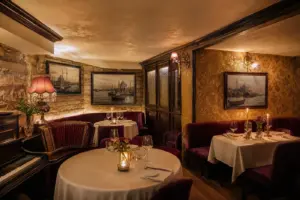 Jash Istanbul – about 200 m away (~3 min walk)4 min on foot from Fındıklı-Mimar Sinan Üniversitesi metro, Open daily 12:00–02:00
Main image: AI-generated illustration. It may not show the place exactly as it looks.
Nightlife near Cihangir
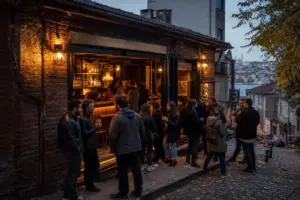 Geyik Coffee Roastery and Cocktail Bar – about 350 m away (~5 min walk)7 min on foot from Tophane metro, Open daily 16:00–02:00
Main image: AI-generated illustration. It may not show the place exactly as it looks.
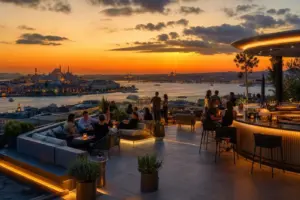 Upperist – about 400 m away (~6 min walk)10 min on foot from Kabataş metro
Main image: AI-generated illustration. It may not show the place exactly as it looks.
Train stations and river piers near Cihangir
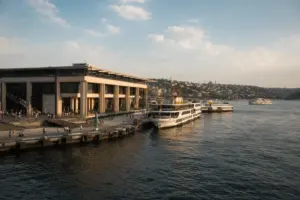 Kabataş Ferry Terminalabout 700 m away (~11 min walk)
Main image: AI-generated illustration. It may not show the place exactly as it looks.
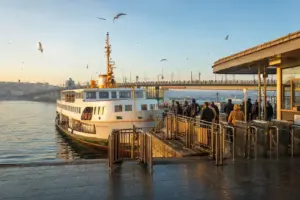 Karaköy Ferry Terminalabout 1.5 km away (~24 min walk)
Main image: AI-generated illustration. It may not show the place exactly as it looks.
Events and traditions near Cihangir
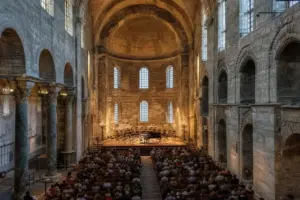 Istanbul Music Festivalabout 1.0 km away (~17 min walk)
Main image: AI-generated illustration. It may not show the place exactly as it looks.
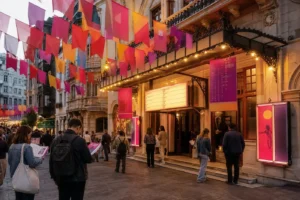 Istanbul Film Festivalabout 1.9 km away (~31 min walk)
Main image: AI-generated illustration. It may not show the place exactly as it looks.
Related guides
 Best Specialty Coffee Shops in Istanbul: Local Roasters
Main image: AI-generated illustration. It may not show the place exactly as it looks.
 Hatay Medeniyetler Sofrası: Hatay Cuisine on İstiklal
Main image: AI-generated illustration. It may not show the place exactly as it looks.
 Journey: Cihangir Cafe for Breakfast, Pizza and Late Evenings
Main image: AI-generated illustration. It may not show the place exactly as it looks.
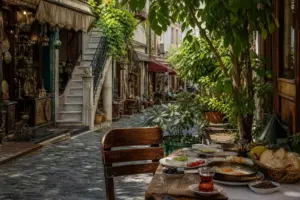 Cuma: Çukurcuma Breakfast, Terrace and Mediterranean Menu
Main image: AI-generated illustration. It may not show the place exactly as it looks.
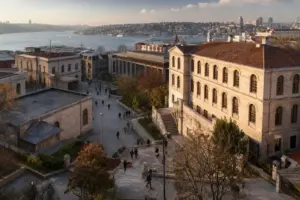 Mimar Sinan Fine Arts University: History, Campus, and What to See2 min on foot from Fındıklı-Mimar Sinan Üniversitesi metro
Main image: AI-generated illustration. It may not show the place exactly as it looks.
Browse more: More in Beyoğlu · All Hidden Istanbul · All Neighborhoods
FAQ: Cihangir
Is Cihangir a single neighborhood or multiple neighborhoods?
Cihangir's official administrative boundary is a single district within Beyoğlu, but locals often use the name more broadly to include adjacent areas like Kılıç Ali Paşa, Firuzağa, and Pürtelaş. The narrower, core Cihangir district is about 500 meters southwest of Taksim Square. For a visitor, the 'Cihangir experience' extends across all these adjacent areas as a single interconnected bohemian zone.
Can non-Muslims visit the Cihangir Mosque?
Yes, visitors can approach and view the mosque from outside respectfully at any time. The exterior and terrace are accessible. The interior is open only during the five daily prayers and to Muslim worshippers. Respectful non-Muslim visitors may observe from the courtyard or terrace during non-prayer times, though the interior remains restricted. Avoid photography of worshippers and dress modestly.
What is the best time of day to visit Cihangir?
Early mornings (8–11 AM) and early afternoons (2–4 PM) are ideal for experiencing authentic neighborhood life, with residents at cafés and fewer tourists. Weekday mornings are quieter than weekends. The mosque terrace is best visited in late afternoon (4–6 PM) for Bosphorus light. Avoid the neighborhood after dark unless visiting a specific restaurant or bar, as steep streets and limited lighting can be navigational challenges.
Do I need to book restaurants or cafés in advance?
Most neighborhood cafés operate on a casual walk-in basis with no reservations. Breakfast spots and lunch venues can have waits during peak hours (8–10 AM for breakfast, 12–2 PM for lunch) but turnover is usually fast. Dinner restaurants may accept or require reservations on weekends, particularly for larger groups. Many restaurants are closed Mondays or Tuesdays; check before planning an evening visit.
Are there any museums or specific attractions with entry fees in Cihangir itself?
The Museum of Innocence is located just outside the core neighborhood boundary and is a nearby place with admission fees. Within Cihangir proper, independent galleries like ARK Kultur charge admission for exhibitions, but hours are irregular. Most galleries are free to browse if open. The neighborhood's main appeal is free: the streets, architecture, parks, and café culture.
How do I get from Cihangir to major attractions like Topkapi Palace or the Blue Mosque?
From Cihangir, walk to Taksim Metro station (10 minutes downhill on Sıraselviler Caddesi). Take the M2 line to Sultanahmet station near these attractions, approximately 15 minutes. Alternatively, take the T1 tram from Fındıklı station (15 minutes walk from Cihangir downhill) directly toward the Old City. Total travel time is 20–30 minutes depending on starting point within the neighborhood.
Is Cihangir safe for solo travelers or at night?
Cihangir is safe during daylight and early evening; locals and residents are visible, and there is normal neighborhood activity. After dark, the steep, winding streets with limited lighting can be difficult to navigate. Solo travelers should feel comfortable in the neighborhood until early evening, but avoid arriving after dark without specific direction to a restaurant or bar. Stick to main streets like Sıraselviler Caddesi when traveling after sunset.
What is the difference between Cihangir and Çukurcuma?
Cihangir is the larger, more lively bohemian neighborhood known for cafés, third-wave coffee, and intellectual gatherings. Çukurcuma, to the south, is smaller and quieter, famous for antique shops and vintage dealers along winding side streets. Cihangir has more residents and daytime activity; Çukurcuma is more specialized. Both are connected; you can walk between them in 10 minutes downhill through the Firuzağa area.
Istanbul Vibes is a one-person project. A coffee keeps it going

Take this guide with you
Get a free PDF of this guide to print or read offline: key facts, tips and a map link on a few clean pages.
Report an issue on this page
How we research and update our guides
About this guide: AI assistance and accuracy
This guide is created with the help of AI and is based on official sources where available. Mistakes can still happen. Opening hours, prices, rules and other details are given to the best of our knowledge as of the date shown and can change without notice. It offers general recommendations only, not professional, legal or travel advice. Please confirm important details with the official source before you travel; you are responsible for your own plans and decisions.
* Affiliate link: as an Amazon Associate we earn from qualifying purchases at no extra cost to you.
