
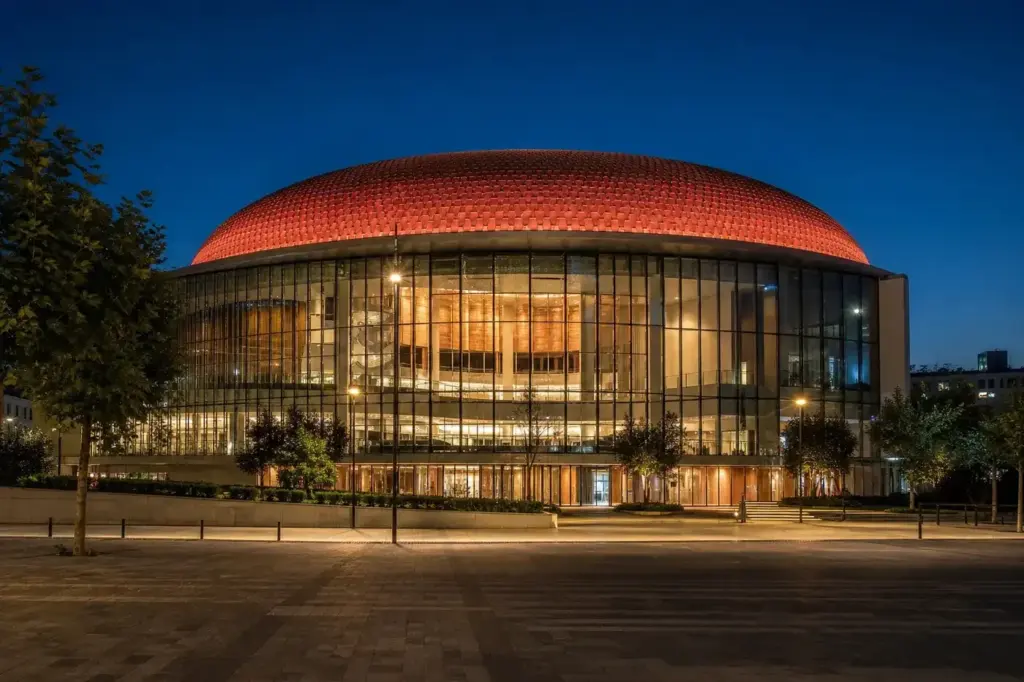
The Atatürk Cultural Center (AKM) dominates the eastern edge of Taksim Square as the city’s principal performing arts venue. Originally opened in 1969, the building underwent total reconstruction and reopened in October 2021 as a modern cultural complex.
The new structure maintains the original modernist character—a glass and metal facade facing the square—while housing state-of-the-art facilities: a 2,040-seat opera hall topped by a globe-shaped dome clad in red ceramic tiles, a 781-seat theater hall, exhibition galleries, a specialized library on music and design, and dining spaces. The center serves as home to Turkey’s major opera, ballet and orchestral companies.
Quick Facts
| Turkish name | Atatürk Kültür Merkezi |
|---|---|
| Built / opened | 1969 |
| Architect(s) | Hayati Tabanlıoğlu |
| Address | Gümüşsuyu Mahallesi, Tak-ı Zafer Caddesi No. 8, 34437 Beyoğlu, Istanbul Google MapsApple MapsYandex Maps |
| District | Beyoğlu |
| Metro | Taksim (M2, Direct access to AKM) |
| Admission | free to enter building; event tickets required for performances |
| Best time to visit | AKM operates year-round. The best visiting time depends on your goal:For free access (foyer, gallery, library): Weekday afternoons (Mon–Fri, 2–5 PM) are quietest and offer the most peaceful experience. Avoid evenings on performance nights when crowds are heavy.For performances: Check the official website for the schedule; operas and ballets typically run autumn through spring; summer hosts more concert and special events. Peak season is October–April; fewer performances in July–August.By season: Spring (Apr–May) and autumn (Sep–Oct) offer comfortable weather in Taksim Square if you are coming early or staying after. Winter (Nov–Feb) can be rainy and cold; summer (Jun–Aug) is hot but has more outdoor café activity in surrounding areas.Photography: The dome glows most dramatically at night (after 6 PM). The glass facade reflects afternoon light beautifully in spring and autumn. Avoid crowds by photographing in early morning (8–9 AM) or mid-afternoon on weekdays. |
| Website | akmistanbul.gov.tr |
What Is (and Isn't) Part of a Visit to Atatürk Cultural Center?
| Part | Status | Notes |
|---|---|---|
| Building foyer and gallery entry | Included in the standard ticket | General access to the ground floor foyer, AKM Gallery (410 m²), café and box office is free. No ticket required to view the space or exhibitions in the foyer. |
| Performance hall entry (opera, theater, concerts) | Separate ticket or institution | Separate paid ticket required for each performance in the opera hall, theater hall, or other venues. Tickets must be purchased in advance or at the box office on the day of the event. |
| AKM Library (Vitali Hakko Creative Industries Library) | Included in the standard ticket | Free access to the specialized library on the culture street level during building hours. Materials focus on music, visual arts, architecture and design; it is a research and reference collection. |
| Culture Street level and permanent installations | Included in the standard ticket | The interior culture street with AKM Music Platform, permanent art installations, and cafés is freely accessible during building hours as part of general circulation through the building. |
| Taksim Square (adjacent) | Outside / not part of it | Taksim Square itself is public outdoor space; the AKM occupies the eastern flank but does not include the square. |
| Istanbul Art and Culture itinerary (on-site content) | Outside / not part of it | External cultural events, walking tours and exhibitions in surrounding Taksim/Beyoğlu neighborhoods are separate from AKM; AKM is one component of the broader cultural district. |
Why Visit Atatürk Cultural Center?
AKM is the city’s top destination for world-class performances and cultural events. Its three main halls host an ever-changing program: opera productions, ballet, classical concerts, theatrical performances, and exhibitions by Turkish and international artists. The building itself is architecturally striking—visitors often pause to photograph the dramatic interior of the opera hall with its curved lines and the exterior dome glowing with colored light at night. The venue’s library specializes in books on music, visual art and design. Cafés and a restaurant inside offer views of Taksim Square.
How Atatürk Cultural Center Is Laid Out
The AKM occupies the entire eastern flank of Taksim Square. The main entrance faces the square directly. Inside, the building is organized into distinct performance and exhibition spaces arranged vertically:
- Ground level: Foyer, temporary exhibition gallery (410 m²), café, and box office. The gallery opens onto the square.
- Upper levels: The 2,040-seat Türk Telekom Opera Hall (the main performance space), 781-seat Theater Hall for concerts and dance, smaller multipurpose hall, library on the Culture Street level.
- Support spaces: Green room, orchestra rehearsal areas, storage, restaurants and additional cafés.
Visitors typically enter at ground level, explore the foyer gallery and cafés, then move to their event venue. The layout is logical but can feel formal and crowded during performances, especially evening shows.
Highlights of Atatürk Cultural Center
Türk Telekom Opera Hall
The main performance space seats 2,040 guests in an elliptical design that provides excellent sightlines from every seat. Its distinctive exterior dome is sheathed in 15,000 glossy red ceramic tiles and glows dramatically after dark. The hall's curved interior contrasts strikingly with the building's rectilinear glass facade. Built in 2021 with modern acoustics and technical systems, it stages opera, ballet and symphony performances by Turkey's national companies and international guests.
Tip: Arrive early to observe the foyer and dome interior before your performance begins. The building's symmetry and lighting are most dramatic in the evening.
Theater Hall
This 781-seat hall with acoustically engineered interior hosts theatrical performances, chamber concerts, dance works and smaller-scale productions. The space was designed with high-level light, sound and visual systems to serve diverse art forms. It offers a more intimate setting than the opera hall while maintaining professional touring capabilities.
Tip: Theater and chamber performances often cost less than opera and may be less crowded; check the schedule for experimental or emerging artists.
AKM Gallery
Located on the ground floor facing Taksim Square, the 410-square-meter gallery hosts rotating exhibitions of visual art, photography, installations and design work. Exhibitions are typically contemporary and curated by the ministry or partner institutions, often free or low-cost to enter. The space is well-lit with an open, approachable atmosphere.
Tip: Check the official website for current exhibitions; many are completely free and no ticket to enter the building is required to view the foyer galleries.
The Glass Facade and Square Integration
The building's primary facade is a transparent glass-and-metal wall that fully opens the interior to Taksim Square. At night, colored stage lighting and the dome's illumination transform the exterior into a living artwork. This design breaks from the fortress-like isolation of many concert halls, embedding the arts venue into the urban life of the square.
Tip: The building is most photogenic in the evening, especially from the square looking at the dome. Stand back from the tree coverage to capture the full elevation.
AKM Library (Vitali Hakko Creative Industries Library)
Housed within the culture street level, the specialized library focuses on music, visual arts, architecture and design. The collection includes books, periodicals and reference materials for researchers, students and enthusiasts. The library is free to access during building hours and offers a quiet, curated space away from performance activity.
Tip: Library hours and exact location on the interior culture street should be verified on the official site; it is a working research collection, not a general public reading room.
Culture Street and Dining
A dedicated 'culture street' (Kültür Sokağı) runs through the building and hosts the AKM Music Platform for temporary exhibitions, permanent installations, a café, and access to the library. The street creates a pedestrian environment within the building, separating performance halls from social spaces. Restaurant and café seating offer views of Taksim Square.
Tip: Arrive with time to spare and explore the culture street and foyer; the building itself is an attraction separate from any specific event.
Atmosphere
AKM is a formal, event-driven venue. During the day, the building feels spacious and echoing—foyer and gallery spaces are well-lit and calm. Visitors move purposefully, often consulting schedules or reviewing exhibitions. The transparent facade floods the interior with daylight and visual connection to the urban energy of Taksim Square.
During evening performances, the atmosphere transforms dramatically. Large crowds converge 30–60 minutes before curtain, filling the foyer and creating a palpable sense of occasion. Visitors dress formally for opera and ballet. The dome and glass walls glow with color. After performances, crowds flow back onto the square and into surrounding restaurants and bars. On quiet afternoons, the building feels like a museum—cool, contemplative, full of architectural detail and artwork to observe.
History of Atatürk Cultural Center
1946–1969: Uncertain Beginning
The original Palace of Culture was first conceived in 1946, with foundation laid by architects Feridun Kip and Rüknettin Güney. Lack of funding halted construction; the project was transferred to the Ministry of Public Works in 1953. In 1956, architect Hayati Tabanlıoğlu took over the design. The building finally opened on April 12, 1969, as the world’s fourth-largest arts center and became a symbol of the Turkish Republic’s modernization under Atatürk’s secular vision.
1970 Fire and Reconstruction
On November 27, 1970, just two years after opening, a major fire broke out during a performance. The damage was catastrophic but not total. Tabanlıoğlu redesigned the interior, and the building reopened on October 6, 1978, with a distinctive new glass-and-metal facade and improved technical systems. This version remained in service through the 2000s.
2008–2018 Closure and Demolition
In 2008, the Ministry of Culture closed the aging building for renovations. Structural decay and obsolete systems made repairs increasingly impractical. In 2018, rather than restore, the decision was made to demolish the original and reconstruct from the foundation.
2018–2021 Rebuilt Complex
Tabanlioglu Architects, led by Murat Tabanlıoğlu (son of the original designer), oversaw the complete reconstruction. The new building honors the 1960s modernist character—maintaining the iconic glass facade, circular form, and integration with Taksim Square—while incorporating 21st-century technology, accessibility, and performance standards. The distinctive red-tiled dome dome became the signature element of the new design. Construction cost 2 billion Turkish lira. The new AKM opened to the public after years of closure.
Legends and Myths about Atatürk Cultural Center
The 1970 Fire and the Lost Performance
Legend – historically unreliable. According to accounts, the November 27, 1970 fire began during an evening performance with the building crowded with patrons. Flames spread rapidly through the wooden stage and interior finishes. While no confirmed deaths occurred during evacuation, the fire destroyed stage sets, costumes, and decades of performance archives stored inside. The incident shocked Istanbul and became emblematic of the building's fraught early years. Tabanlıoğlu's redesign after the fire was motivated by this trauma, and the new 1978 facade was partly conceived as a more fireproof, modern enclosure.
The Dome of Red Tiles and the Rainbow Light
Disputed by historians. The red ceramic tile dome of the rebuilt AKM (2021) has become the subject of color-changing light installation stories among locals. Visitors claim the dome shifts through rainbow hues at night, with specific colors supposedly signaling different types of events inside. While the dome does glow dramatically and the building uses colored stage lighting effects on its exterior, the color-coding mythology appears to be urban folklore rather than an official design feature.
Tickets and Booking for Atatürk Cultural Center
| Ticket | Price | Includes |
|---|---|---|
| General admission (foyer and gallery) | Free | Access to foyer, ground-floor gallery exhibitions, culture street, library, and cafés. |
| Opera performance | ₺₺₺ | Türk Telekom Opera Hall seat for the full performance. Resident and guest productions. |
| Theater performance | ₺₺–₺₺₺ | Theater Hall seat for the full performance. Includes plays, chamber concerts, and dance. |
| Concert or special event | ₺₺–₺₺₺₺ | Seat or standing room for the performance. Price varies by artist and venue. |
₺ budget · ₺₺ moderate · ₺₺₺ upscale · ₺₺₺₺ splurge. Price levels are estimates compared with typical prices for visitors.
Tickets for performances and exhibitions at AKM can be purchased through the official website (akmistanbul.gov.tr) or authorized ticketing platforms such as iticket.com.tr. Event schedules are published in advance on the website. Performances often sell out weeks in advance, especially for well-known artists and operas; book online before arrival when possible. Same-day tickets may be available at the box office on the ground floor during building hours (10 AM–6 PM), but availability varies.
International visitors pay the same ticket prices as Turkish residents. Concession rates for students, seniors, and other categories exist but change frequently; check the official ticket page for current categories and rates. Voucher exchange (if purchased outside Turkey) and ID requirements are handled at the box office. Gallery exhibitions in the foyer are free; no booking required.
Suggested itineraries Atatürk Cultural Center
1 hour
Visit the foyer, view the AKM Gallery exhibition (if available), explore the culture street and dome interior, and enjoy a coffee at the café while observing Taksim Square. This covers the architecture and free spaces without attending a performance.
2–3 hours
Begin with 30 minutes in the foyer and gallery. Explore the culture street and library for 20 minutes. Attend a shorter performance such as a chamber concert or experimental theater work in the Theater Hall (typically 90 minutes). Finish with a meal or drinks in the restaurant overlooking the square.
Evening (3–4 hours)
Arrive 1–2 hours before a major opera or ballet performance. Explore the foyer and dome lighting, dine at the restaurant, find your seat early to observe the hall's interior. Attend the full performance (2–2.5 hours). Exit and join the crowd on Taksim Square or nearby bars and restaurants for after-show food and drinks.
Daytime off-peak
Visit mid-afternoon on a weekday when the building is quietest and most performances are evening. Spend time photographing the dome interior, reading in the library, viewing rotating exhibitions, and observing the building's architecture without the energy of an event. Ideal for architects, design students, and photographers.
How to Get to Atatürk Cultural Center
By Metro: Take the M2 line (Yenikapı–Hacıosman) and get off at Taksim Station. The AKM is directly accessible from the station; follow signs for Taksim Square. Journey time from Sultanahmet (the Old City): 15–20 minutes.
By Bus: Many buses serve Taksim Square. Lines 28, 30, and others from Beşiktaş or surrounding neighborhoods stop at the Gümüşsuyu or Taksim stops within a 5-minute walk of AKM. Check your route via HES or Google Maps for current service.
By Ferry: From the Beşiktaş or Kabataş ferry terminals, take a bus (lines 28, 30) or walk uphill 15 minutes to reach Taksim Square and AKM.
By Taxi or Rideshare: Ask for ‘Atatürk Kültür Merkezi, Taksim’ or ‘AKM’. The address is Tak-ı Zafer Caddesi, Beyoğlu. Use the taxi stand or app-based services (Uber, BiTaksi) available throughout the city.
Walking: From central Beyoğlu (Istiklal Avenue), AKM is a 10–15 minute downhill walk; from Galata or Karaköy, 15–20 minutes uphill.
Accessibility
The AKM building is wheelchair accessible. The main entrance at ground level has ramped access from Taksim Square. Elevators serve all performance halls and levels. Accessible restrooms are provided on multiple floors. Many performance seats on the orchestra and lower balcony levels are reserved for wheelchair users; book through the official site or contact the box office by phone (+90 212 372 5000) to request accessible seating.The library and foyer galleries are accessible on the ground floor. Some areas of the culture street may have small level changes; staff can assist. Personal care companions are admitted at no charge; confirm this when booking tickets.Guide dogs and service animals are generally permitted; verify with the venue before arrival. The building is modern and designed to contemporary accessibility standards; however, crowds during peak evening events can make navigation challenging.
Food Nearby
Inside AKM, the building has a café and restaurant with views of Taksim Square; both offer Turkish coffee, tea, light snacks and meals. These are moderately priced and popular during evening performance rushes.On and around Taksim Square, dozens of cafés, restaurants and bars serve Turkish and international cuisines, from casual kebab stands to upscale dining. Nearby Istiklal Avenue (15 minutes downhill on foot) has extensive dining and café options. Beyoğlu neighborhood generally has high-quality independent restaurants and international chains.Reservations are not always necessary at foyer cafés but are advised for the main restaurant on performance nights, especially weekends. The building's restaurants can become crowded 1 hour before performances as visitors seek a final drink or snack.
What to Bring
Formal clothing is expected for opera and ballet performances; business casual for most theater and concerts. Comfortable walking shoes are essential due to crowds on Taksim Square and surrounding areas. A camera or smartphone for photographing the building exterior and dome (interior photography may be restricted during performances; check the venue rules on arrival). In winter, a warm coat and umbrella are necessary; Taksim Square is exposed to wind and rain. Bring a reusable water bottle; tap water in Istanbul is potable. Small bags are preferred; security checks may slow entry with large luggage. Leave valuables secure; crowds at evening events attract pickpockets.
Best Views and Photo Spots of Atatürk Cultural Center
Taksim Square, facing the dome (southwest elevation)
Full-on view of the distinctive red ceramic tile dome and glass facade at night. The dome glows with colored lighting; the transparent walls reveal illuminated interior spaces. This is the most recognizable angle of the building and works as both daytime architectural study and dramatic evening shot.
Best time: Dusk (just after sunset, 30 minutes before dark) or full night (9 PM onward) when dome lighting is brightest. Avoid midday direct sun which causes glare on the glass.
Taksim Square trees (northeast corner)
The entire building framed by tree canopy and urban background. This perspective shows the AKM as part of the square rather than as an isolated structure. Morning or late afternoon side-lighting creates depth on the facade.
Best time: Morning (8–10 AM) for soft side light from the east; late afternoon (4–6 PM) for warm light from the west. Spring and autumn trees provide better framing than summer or winter.
Interior foyer dome view (ground floor, looking up)
The red dome interior framed by the structural ribs and glass skylight above. The curved interior dome contrasts with the rectilinear exterior. Stage lighting can create dramatic color washes inside. This is an unexpected interior perspective most exterior visitors miss.
Best time: Midday for natural skylight; evening (after 6 PM) for colored stage lighting effects. Weekday afternoons (2–5 PM) are least crowded for shooting.
Glass facade reflection (street level, early morning or sunset)
The facade acts as a mirror of Taksim Square, surrounding buildings and sky. Early morning side-light or sunset creates warm reflection and reveals the interior's relationship to the external urban environment. Best wide-angle perspective of the building's transparency principle.
Best time: Golden hour: 1 hour after sunrise or 1 hour before sunset, with clear sky. Cloudy days reduce the reflection contrast.
Photography Rules
Exterior photography of the building is unrestricted and encouraged. The dome, facade and square views are free to photograph day and night. Interior foyer and gallery photography is typically allowed in non-performance spaces. However, photography inside performance halls during rehearsals or shows is usually prohibited; check with staff on arrival. No drones permitted on or near Taksim Square. Professional tripods may require advance permission; arrive early if planning structured shots. Flash is prohibited inside all performance spaces.
Family Suitability
AKM is suitable for families interested in performing arts. Performances are rated by age; ballets and family-oriented operas are clearly marked on the website and welcome children (typically age 4+). The building has family restrooms and nursing areas. The foyer, gallery and culture street are free to explore and safe for supervised children. Cafés inside accommodate families.The atmosphere during evening performances is formal; young children may find long performances (2+ hours) difficult without experience. Matinee performances (often on weekends) are typically shorter and less crowded, making them better for families. The library and gallery are quiet and may not hold the attention of young children; the building's architecture and the dome interior are the main attractions for non-performance visits. Stroller access through the ground floor foyer is feasible but stairs and escalators limit movement in high-crowd periods. Older children (age 10+) and teens who enjoy architecture, music or visual art will find more to engage them.
Istanbul Vibes Tips
- Arrive 60 minutes before an evening performance and explore the foyer and dome lighting before entering the performance hall. The building itself is as much an attraction as the performance; most visitors rush in and miss the architectural details and temporary exhibitions.
- Book tickets online 2–3 weeks in advance for popular opera and ballet productions, especially Thursday–Sunday performances. Same-day box office availability is unpredictable; don't count on walk-up tickets for major productions.
- Visit on a weekday afternoon (Mon–Fri, 2–5 PM) when the building is quiet and free to explore without an event. Crowds and formality disappear; you can photograph the dome, read in the library, and observe the architecture without performance-day pressure.
- The M2 metro (Taksim station) is a fast, reliable route; prefer it over taxis during rush hours (7–9 AM, 5–7 PM) when Taksim Square gridlocks. Buses converge on the same square and can be equally delayed.
- Do not confuse the AKM with specific performances or institutions inside. The Istanbul State Opera and Ballet, Istanbul Philharmonic and Istanbul State Theatres are resident organizations that perform at AKM but maintain separate offices and schedules. Check the official AKM calendar for 'external productions' and 'guest artists' if you want non-resident performances.
- The red-tiled dome glows red by default; ignore social media claims about color-coded meanings. The building uses stage lighting for effect, but there is no official color-coding system. Focus on photographing the dome as an architectural feature, not as a signaling device.
Explore Nearby Atatürk Cultural Center
Sights near Atatürk Cultural Center
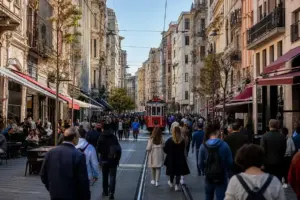 Istiklal Street – about 800 m away (~13 min walk) · typical visit: 1–2 hours12 min on foot from Tünel metro, Open 24 hours
Main image: AI-generated illustration. It may not show the place exactly as it looks.
 Maçka Park – about 950 m away (~15 min walk) · typical visit: 1–2 hoursOpen 24 hours
Main image: AI-generated illustration. It may not show the place exactly as it looks.
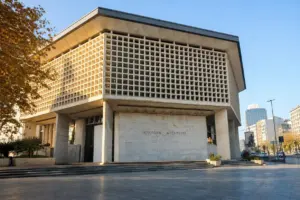 Atatürk Library – about 150 m away (~3 min walk) · typical visit: 2–3 hours11 min on foot from Kabataş metro, Open daily 09:00–21:00
Main image: AI-generated illustration. It may not show the place exactly as it looks.
 Galata Mevlevi Museum – about 300 m away (~5 min walk) · typical visit: 45 minutes to 1.5 hours13 min on foot from Kabataş metro, Open 09:00–18:30, closed Mon
Main image: AI-generated illustration. It may not show the place exactly as it looks.
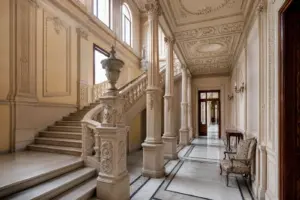 Istanbul Cinema Museum – about 700 m away (~11 min walk) · typical visit: 2–3 hoursOpen 11:00–19:00, closed Mon
Main image: AI-generated illustration. It may not show the place exactly as it looks.
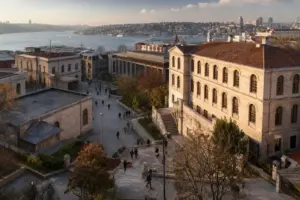 Mimar Sinan Fine Arts University – about 700 m away (~12 min walk) · typical visit: 1–2 hours2 min on foot from Fındıklı-Mimar Sinan Üniversitesi metro
Main image: AI-generated illustration. It may not show the place exactly as it looks.
Metro stations near Atatürk Cultural Center
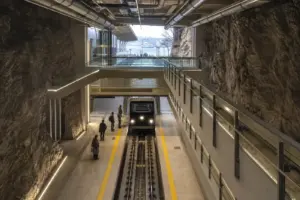 Kabataş – about 500 m away (~8 min walk)Open daily 06:15–00:00
Main image: AI-generated illustration. It may not show the place exactly as it looks.
 Fındıklı-Mimar Sinan Üniversitesi – about 600 m away (~10 min walk)Open daily 06:00–00:00
Main image: AI-generated illustration. It may not show the place exactly as it looks.
Restaurants and cafes near Atatürk Cultural Center
 Tiflisi – about 200 m away (~3 min walk)10 min on foot from Kabataş metro
Main image: AI-generated illustration. It may not show the place exactly as it looks.
 Ayaspaşa Russian Restaurant – about 200 m away (~3 min walk)5 min on foot from Kabataş metro, Open daily 12:30–23:30
Main image: AI-generated illustration. It may not show the place exactly as it looks.
 Kızılkayalar – about 250 m away (~4 min walk)11 min on foot from Fındıklı-Mimar Sinan Üniversitesi metro, Open daily 08:00–05:00
Main image: AI-generated illustration. It may not show the place exactly as it looks.
 Topaz – about 300 m away (~5 min walk)11 min on foot from Fındıklı-Mimar Sinan Üniversitesi metro, Open 18:00–00:00, closed Sun
Main image: AI-generated illustration. It may not show the place exactly as it looks.
Nightlife near Atatürk Cultural Center
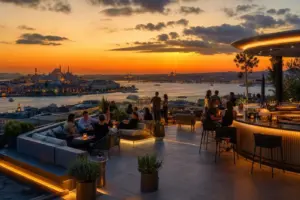 Upperist – about 150 m away (~2 min walk)10 min on foot from Kabataş metro
Main image: AI-generated illustration. It may not show the place exactly as it looks.
 U2 Istanbul Irish Pub – about 500 m away (~8 min walk)14 min on foot from Fındıklı-Mimar Sinan Üniversitesi metro
Main image: AI-generated illustration. It may not show the place exactly as it looks.
Train stations and river piers near Atatürk Cultural Center
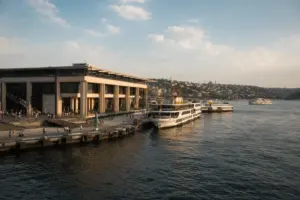 Kabataş Ferry Terminalabout 650 m away (~10 min walk)
Main image: AI-generated illustration. It may not show the place exactly as it looks.
 Beşiktaş Ferry Terminalabout 1.4 km away (~22 min walk)
Main image: AI-generated illustration. It may not show the place exactly as it looks.
Events and traditions near Atatürk Cultural Center
 Istanbul Music Festivalabout 1.1 km away (~18 min walk)
Main image: AI-generated illustration. It may not show the place exactly as it looks.
 Istanbul Film Festivalabout 1.7 km away (~28 min walk)
Main image: AI-generated illustration. It may not show the place exactly as it looks.
Related guides
 Taksim: Modern Heart of Istanbul and Gateway to Beyoğlu
Main image: AI-generated illustration. It may not show the place exactly as it looks.
 Beyoğlu and Galata Walk: Modern Istanbul from Taksim to the Tower
Main image: AI-generated illustration. It may not show the place exactly as it looks.
 Best Restaurants by Cuisine: Turkish, Ottoman, Mediterranean and More
Main image: AI-generated illustration. It may not show the place exactly as it looks.
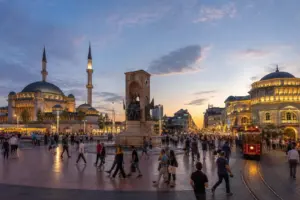 Taksim Square: Istanbul’s Central Crossroads
Main image: AI-generated illustration. It may not show the place exactly as it looks.
 Istanbul Opera and Ballet Festival: Dates, Tickets and What to See
Main image: AI-generated illustration. It may not show the place exactly as it looks.
Browse more: More in Beyoğlu · All Entertainment · All Sightseeing
FAQ: Atatürk Cultural Center
Do I need a ticket to enter the AKM building?
No. Entry to the foyer, ground-floor gallery, culture street, library and cafés is free. You only need a ticket if you want to attend a performance in one of the performance halls (opera, theater, concert). Exhibitions in the foyer gallery are free to view.
What is the difference between the Opera Hall and Theater Hall?
The Opera Hall (2,040 seats) is the main performance space for large-scale productions: opera, ballet, symphony concerts and major theatrical works. The Theater Hall (781 seats) hosts smaller productions: chamber concerts, experimental theater, contemporary dance and more intimate works. Both are professional venues; the choice depends on the production scale and type.
Can I buy tickets on the day of the performance?
Tickets for some performances are available at the box office on the day; however, popular productions (opera, ballet) often sell out weeks in advance. Same-day availability is unreliable; book online through akmistanbul.gov.tr or iticket.com.tr 2–3 weeks in advance when possible. Ticket prices are the same whether you book early or buy same-day.
Is the AKM closed on any particular days?
The building is open to visitors daily 10 AM–6 PM. However, the performance schedule varies; specific performance halls may be dark (no event) on certain evenings or days. Check the official website calendar for performances on your intended date.
How long does it take to visit if I'm not seeing a performance?
A casual visit to the foyer, gallery and culture street takes 30–60 minutes. Exploring the library and spending time observing the architecture adds another 30–45 minutes. Most visitors spend 1–2 hours on a non-performance visit. If you attend a performance, add 2–3 hours total (arrival, finding your seat, the show, and exiting).
Is the AKM wheelchair accessible?
Yes. The main entrance has ramped access, elevators serve all levels, and wheelchair-accessible seating is available in all performance halls. Request accessible seating when booking tickets. Personal care companions are admitted at no charge. The foyer, gallery and culture street are fully accessible on the ground floor.
Can I bring food or drinks into the performance halls?
Outside food and beverages are not permitted in the performance halls during shows. The AKM has cafés and a restaurant inside where you can purchase drinks and snacks before the performance; you may bring these items into the halls if they are in closed containers.
Why was the original AKM demolished and rebuilt?
The original building, which opened in 1969 and survived a major fire in 1970, served until 2008. It then closed for renovations but gradually deteriorated. By the mid-2010s, the structure was deemed beyond efficient repair. The decision was made to demolish it entirely and rebuild from the foundation in 2018–2021. The new AKM preserves the modernist character and design intent of the original while incorporating 21st-century technology, accessibility and performance standards.
Istanbul Vibes is a one-person project. A coffee keeps it going
Hotels near Atatürk Cultural Center
- Juno Taksim Hotel (150 m) Check prices (affiliate link, opens in a new tab)
- Lokalist Taksim (150 m) Check prices (affiliate link, opens in a new tab)
- Taksim Home (200 m) Check prices (affiliate link, opens in a new tab)
- Taxim Hill Hotel (200 m) Check prices (affiliate link, opens in a new tab)
Affiliate link (opens the booking site): we may earn a commission at no extra cost to you.
Restaurants near Atatürk Cultural Center
- Hong Bin Lou (150 m) Google Maps
- My House (300 m) Google Maps
- Eylül Cafe and Restaurant (350 m) Google Maps
- Sima Cafe (350 m) Google Maps
Distances are straight-line, from OpenStreetMap data.

Take this guide with you
Get a free PDF of this guide to print or read offline: key facts, tips and a map link on a few clean pages.
Report an issue on this page
How we research and update our guides
About this guide: AI assistance and accuracy
This guide is created with the help of AI and is based on official sources where available. Mistakes can still happen. Opening hours, prices, rules and other details are given to the best of our knowledge as of the date shown and can change without notice. It offers general recommendations only, not professional, legal or travel advice. Please confirm important details with the official source before you travel; you are responsible for your own plans and decisions.
* Affiliate link: as an Amazon Associate we earn from qualifying purchases at no extra cost to you.
