
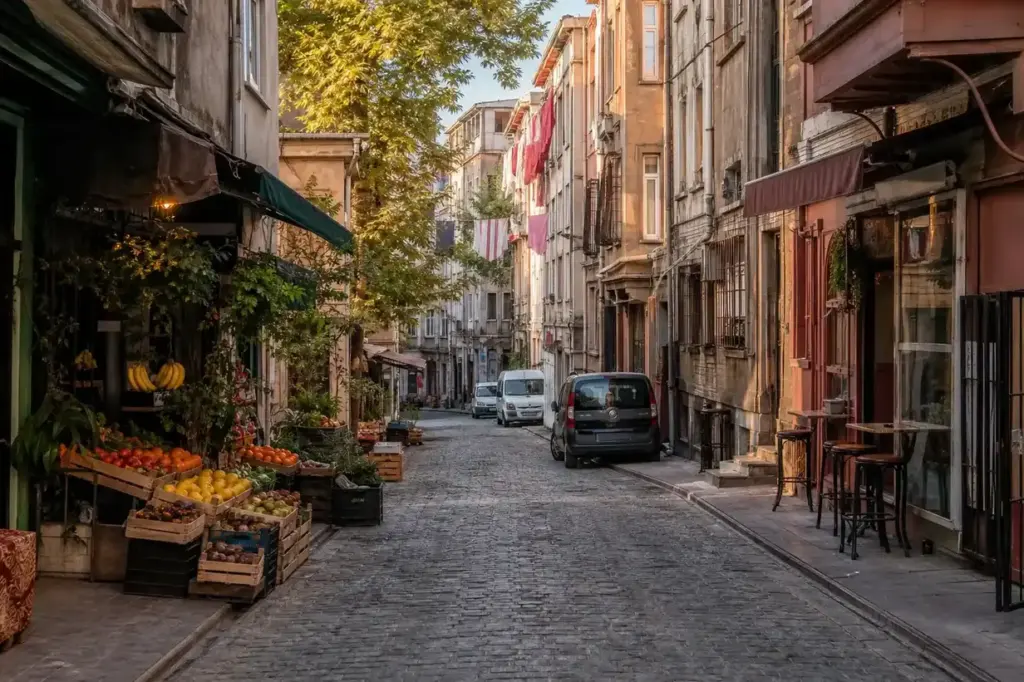
Down-to-earth Kurtuluş offers the best of traditional neighborhood life, with bustling streets and a wealth of small homestyle restaurants, bakeries, delis and other food stores. Originally called Tatavla, meaning ‘stables’ in Greek, the modern Turkish name means ‘liberation’, ‘salvation’, ‘independence’ or ‘deliverance’.
On 13 April 1929, six years after the Republic of Turkey was founded, a fire swept through the neighbourhood and largely destroyed it, with 207 houses going up in flames. The name was changed to Kurtuluş to mark the rebuilding of the area. Kurtuluş is one of Istanbul’s most diverse neighborhoods, shaped by generations of Greek, Armenian and Sephardic Jewish communities alongside newer arrivals from eastern Turkey. Its multicultural history lives on in its bakeries, meze counters, dairy shops and grill houses.
Quick Facts
| Address | Şişli, Istanbul, Turkey Google MapsApple MapsYandex Maps |
|---|---|
| District | Şişli |
| Metro | Osmanbey (M2, Main exit towards Kurtuluş Street) |
| Best time to visit | Early mornings (8–10 am) offer the most authentic experience, when locals shop at bakeries and produce stands and the streets are less crowded. Weekdays are quieter than weekends. Avoid midday heat in summer (July–August). Saturday mornings are lively for the Feriköy Organic Bazaar nearby. Winter (December–February) brings quieter streets and softer light but colder weather. Late afternoon (5–7 pm) is busy with people after work and school, creating neighborhood energy again. |
| Recommended duration | 2–3 hours |
What Is (and Isn't) Part of a Visit to Kurtuluş?
| Part | Status | Notes |
|---|---|---|
| Kurtuluş neighborhood exploration on foot | Included in the standard ticket | Walking through streets, visiting churches, and exploring shops is free and open to all. |
| St. Demetrios Greek Orthodox Church | Included in the standard ticket | Open for worship and visitors; services held daily; free to enter outside of religious services. |
| St. Athanasios Greek Orthodox Church | Included in the standard ticket | Free to visit; respects worship schedules and prayer times. |
| Cathedral of the Holy Spirit (Saint Esprit Cathedral) | Included in the standard ticket | Free to enter; located on Cumhuriyet Avenue at the neighborhood's edge; tourist visits permitted outside services. |
| Bomontiada cultural complex | Separate ticket or institution | Located in adjacent Bomonti neighborhood; free courtyard and free events, but restaurants and galleries may charge. |
| Feriköy Flea Market and Organic Bazaar | Separate ticket or institution | In Bomonti neighborhood; Saturday organic market and Sunday antique market; shopping costs depend on purchases. |
| Istanbul Military Museum | Outside / not part of it | Located in nearby Şişli but not within Kurtuluş proper; separate admission required. |
Why Visit Kurtuluş?
Kurtuluş offers traditional neighborhood life, with bustling streets and small homestyle restaurants, bakeries, delis and other food stores. The neighborhood is rewarding for travelers seeking an authentic local experience beyond tourist zones. The neighborhood celebrates generations of Greek heritage, offers specialties from Erzincan including rich kaymak with raw honey and aged tulum cheese, Sephardic borekitas, Armenian topik, stuffed vine leaves and other classic meze, sizzling kebabs straight from the grill and, depending on the season, traditional boza or Turkish-style ice cream. By the end of exploring, Kurtuluş reveals itself as one of Istanbul’s richest and most welcoming culinary neighborhoods.
Highlights of Kurtuluş
St. Demetrios Greek Orthodox Church
At the end of Kurtuluş Street is St. Demetrios Greek Orthodox Church. The current building dates back to 1726, but it's believed a church stood on the site in the 16th century. The church serves the small remaining Greek Orthodox community and remains a tangible link to the neighborhood's Greek heritage. The interior features traditional Orthodox iconography and maintains daily worship services.
Tip: Visit early morning during weekday worship to experience the church in its quietest, most reverent state. The church is modest and not a major tourist site, which makes it feel more intimate.
St. Athanasios Greek Orthodox Church
A few blocks to the west is St. Athanasios Greek Orthodox Church. It was built between 1855 and 1858. Thanks to the Tanzimat reforms, it became the very first Greek Orthodox church in the city that was allowed to have a bell tower and dome since 1453. Its architecture reflects a moment when Ottoman restrictions on non-Muslim religious buildings began to ease.
Tip: Look for the distinctive domed roof and bell tower from the street. The church stands as a historical marker of Ottoman religious policy shifts during the 19th century.
Cathedral of the Holy Spirit
The Cathedral of the Holy Spirit is an important Catholic church. The Istanbul representative of the Pope had the famous architect Gaspard Fossati build the cathedral in 1845. An important feature is its underground cemetery for nuns and believers of the Holy Spirit. No burial has taken place there since 1927, and the cemetery contains the grave of the famous palace musician Giuseppe Donizetti.
Tip: The Cathedral stands on Cumhuriyet Avenue near the neighborhood's boundary. Its European architectural style contrasts sharply with surrounding Ottoman and modern Turkish buildings.
Kurtuluş Street
Kurtuluş Street (Kurtuluş Caddesi) gives a good feel for the neighborhood. There are several shops, restaurants, and residential buildings along the way. The street serves as the neighborhood's main artery and commercial spine, lined with small family-run businesses that have operated for decades. Walking its length reveals layers of Kurtuluş's multicultural past and present.
Tip: Early morning visits (around 8–9 am) show the neighborhood at its most authentic, with locals shopping at bakeries and produce stalls. Avoid afternoon crowds if you prefer a quieter exploration.
Feriköy Flea Market and Organic Bazaar
Taking place inside the vast covered marketplace in Bomonti every Saturday, the Feriköy Organic Bazaar features a wide array of 100% organic produce including vegetables, fruit, honey, cheese, jam and more sourced from different corners of Turkey. On Sunday early mornings, antique dealers replace greengrocers. The market bridges the neighborhoods of Bomonti and Kurtuluş, drawing locals and visitors alike.
Tip: Saturday mornings are busiest for the organic market; Sunday dawn sees the antique market at its peak. Arrive very early for the best selection and avoid midday crowds.
Bomontiada
Bomontiada's opening inside the old and long-abandoned Bomonti beer factory has transformed the sleepy neighbourhoods of Bomonti and Kurtuluş. Free outdoor concerts and film screenings take place in Bomontiada's breezy courtyard during the warmer months. The complex represents a modern revitalization that has introduced cafes, galleries and cultural venues while preserving industrial heritage.
Tip: Check Bomontiada's website for concert and event schedules before visiting. Evening events during summer create a lively, younger atmosphere than daytime exploration of traditional Kurtuluş.
Atmosphere
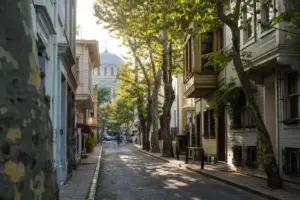
Kurtuluş feels like stepping into an Istanbul that exists primarily for locals, not tourists. The narrow streets bustle with everyday life: shoppers haggling at produce stands, old men sitting at tea tables outside corner cafes, bakeries releasing clouds of steam. Kurtulus is a neighborhood where the real people live. During morning and late afternoon hours, the energy peaks as residents shop for daily supplies. Midday can feel sleepier. The neighborhood retains a Mediterranean pace despite its urban location—conversation happens on the street, neighbors know each other, and time moves differently than in Istanbul’s commercial districts. The mix of generations, languages heard in passing, and the smell of bread and grilled meat define the sensory experience.
History of Kurtuluş
The neighborhood was first settled in the 16th century by Greeks from the island of Chios who came to work in the docks at Kasımpaşa. The original name was Tatavla (Ταταύλα). The name “Tatavla” was derived from “Ta Tavla,” the Greek word corresponding to “byre.” The reason was that the barns and meadows of the palace were situated there.
It remained an entirely Greek neighborhood through the 19th century and was predominantly Greek until the mid-20th century. Kurtuluş appears in historical records as a poor Greek district until the mid-19th century. From that period to the mid-20th century, some of the richest and most crowded Greek communities lived in the area. It was home to the popular Baklahorani carnival, which dates back to at least the 19th century.
On 13 April 1929, six years after the Republic of Turkey was founded, a fire swept through the neighbourhood and largely destroyed it, with 207 houses going up in flames. The name was changed to Kurtuluş to mark the rebuilding of the area. After the fire, the name was changed to Kurtuluş. It means “deliverance”, “liberation”, or “salvation”, depending on the context.
Although Turks and other minority groups had started to settle in Kurtuluş, the dominance of the Greeks continued until the 1950s. Many of the Greeks of Kurtuluş who suffered during the events of 6–7 September were deported according to the law enacted in 1964. The 1955 anti-Greek riots and subsequent legal deportations marked a turning point in the neighborhood’s demographics.
A rapid social and ethnic transformation followed during the 1970s, 1980s, and 1990s. Turkish migrants from eastern Anatolia, as well as Armenians and smaller numbers of other communities, settled in Kurtuluş. Today, while its Greek character has faded, the neighborhood retains its multicultural character and its role as a community-oriented, locally-focused district. The visible churches, street names, and family businesses still echo its Greek legacy even as new populations and generations have made it their home.
Legends and Myths about Kurtuluş
The 1929 Fire and the Name
Legend – historically unreliable. After the fire, the name was changed to Kurtuluş. It means "deliverance", "liberation", or "salvation", depending on the context. This is seen by many as an affront to the Greek population. The renaming symbolized the Turkish state's claim over a rebuilding space, erasing the Greek name Tatavla from official memory just as the fire had erased many of its buildings.
Giuseppe Donizetti's Grave
The Cathedral of the Holy Spirit features an underground cemetery for nuns and believers of the Holy Spirit. No burial has taken place there since 1927, and the cemetery contains the grave of the famous palace musician Giuseppe Donizetti. Donizetti was the brother of the opera composer Gaetano Donizetti and served the Ottoman court, his presence in Kurtuluş marking centuries of European-Ottoman cultural exchange.
Tickets and Booking for Kurtuluş
Kurtuluş is a neighborhood, not a ticketed venue. Exploring its streets, churches, and markets is free. Churches: St. Demetrios, St. Athanasios, and the Cathedral of the Holy Spirit are open to respectful visitors at no charge. Respect prayer times and religious services. Markets: The Feriköy Flea Market and Organic Bazaar operate on Saturday (organic) and Sunday (antiques) with no entry fee, though purchases are optional. Bomontiada: The courtyard is free to explore; restaurants, cafes, and galleries charge separately. For specific opening times of individual venues, check the official websites of each church or venue, as hours may vary.
Suggested itineraries Kurtuluş
90 minutes
Start at Osmanbey metro station and walk down Kurtuluş Street toward the main commercial area. Stop at a corner bakery or tea café. Continue to St. Demetrios Greek Orthodox Church at the street's end, spending 15 minutes inside. Return via side streets, pausing at produce stands and small shops. End with a traditional sweet or tea at a local café.
2–3 hours
Begin at Osmanbey station and walk Kurtuluş Street as above. Visit St. Demetrios Church. Explore side streets west to find St. Athanasios Greek Orthodox Church. Visit a local restaurant for lunch or meze. End at the Cathedral of the Holy Spirit (on the neighborhood's boundary). Include time wandering residential streets to absorb local life.
Half day (4–5 hours)
Combine the full neighborhood walk with a visit to nearby Bomontiada (10–15 minute walk). Spend time exploring shops and galleries inside the converted brewery. On Saturday, extend the itinerary to visit the Feriköy Organic Bazaar in Bomonti. On Sunday morning, see the antique market instead. End with lunch or dinner at a local restaurant in Kurtuluş or Bomontiada.
How to Get to Kurtuluş
Metro: Take the M2 line to Osmanbey station. Exit toward Kurtuluş Street; the neighborhood entrance is directly outside the station. Walking time from the station into Kurtuluş is under 2 minutes.
Walking: If coming from Taksim Square or Istiklal Street, Kurtuluş is about a 15–20 minute walk northwest downhill. From Taksim, head north toward Osmanbey metro station; Kurtuluş lies just beyond it.
Bus: Numerous buses from Taksim Square serve the Osmanbey and Kurtuluş area. Journey time from central Taksim is 10–15 minutes depending on traffic.
Taxi or ride-share: Use the address “Kurtuluş, Şişli, Istanbul” or ask for Osmanbey metro station. The area is easily accessible by car, though parking is limited on residential streets.
Accessibility
Kurtuluş consists of narrow residential streets typical of older Istanbul neighborhoods. Wheelchair access is limited due to steep hills, uneven pavements, and steps at many building entrances. Church interiors may have steps; call ahead to confirm access. Taxis and ride-share vehicles can drop visitors closer to specific destinations. The metro station (Osmanbey) is wheelchair-accessible. Bench seating is limited on streets, but many cafes offer seating. For detailed accessibility information, contact venues individually or check with the Şişli District municipality.
Food Nearby
Adana in Kurtuluş is a favorite ocakbaşı, an eatery where there's a hooded barbecue in the indoor dining space and customers can watch their meats being grilled over coals. The neighborhood features numerous small homestyle restaurants, traditional meze counters, bakeries, and delis throughout Kurtuluş Street and surrounding lanes. Street-level shops sell regional Turkish cheeses, honey, and spices. Cafes serve traditional Turkish tea, coffee, and sweets. The nearby Feriköy Market area (in Bomonti) has weekend food vendors. Most establishments cater to locals, offer authentic Turkish fare, and range from budget to moderate prices.
What to Bring
Comfortable walking shoes are essential due to uneven pavements and hills. Bring a bottle of water, especially in summer. A small daypack or crossbody bag is practical for shopping at markets. Cash is useful; many small shops and traditional cafes are cash-only, though modern restaurants accept cards. Sun protection (hat, sunscreen) is advisable year-round. A phrase book or translation app helps bridge language gaps in smaller venues. Security and bag rules are standard urban precautions; keep valuables secure and be aware of surroundings.
Best Views and Photo Spots of Kurtuluş
Kurtuluş Street main section
The street's commercial center lined with small shops, bakeries and locals shopping, capturing the neighborhood's authentic daily life. Morning light reveals the human-scale architecture and street vendors.
Best time: Early morning (8–9 am) when light is soft, crowds are sparse, and locals are actively shopping.
St. Demetrios Greek Orthodox Church exterior
The church's traditional Orthodox architecture with its bell tower frames historical Kurtuluş. The surrounding older residential buildings visible behind create layers of neighborhood time.
Best time: Late morning or late afternoon for angled light. Sunday mornings capture worshippers arriving, adding human context.
Narrow residential streets around St. Athanasios Church
Steep lanes with older apartment buildings, laundry lines, and intimate street-level life. These streets convey Kurtuluş's intimate, lived-in character.
Best time: Overcast days or late afternoon to avoid harsh shadows. Early evening captures locals returning home, adding vibrancy.
Bomontiada courtyard entrance (adjacent neighborhood)
The converted brewery's industrial facade and breezy courtyard spaces create contrast between heritage and contemporary culture.
Best time: Evening (after 5 pm) when light softens and people gather for cafes and events. Summer evenings are especially lively.
Photography Rules
Photography is permitted freely on streets and in public spaces. Respect worshippers and prayer times when photographing inside churches; ask permission inside religious buildings. Avoid photographing people without consent. Some shops and cafes may request permission before photographing the interior. Tripods and professional equipment are not restricted for personal photography but may require permission in some venues. Drone photography is not permitted over the city.
Family Suitability
Kurtuluş is family-friendly for walking tours and light exploration, though not an amusement-based destination. Streets are narrow with uneven pavements, making stroller navigation challenging. Older children and teens will enjoy navigating residential streets and markets independently. Many small, traditional restaurants welcome families; bakeries offer quick snacks for younger children. Churches are accessible but require respectful behavior during services. The Feriköy Market appeals to children interested in produce and antiques. Heat and hills in summer can challenge small children. Overall, Kurtuluş suits families seeking authentic urban exploration over structured attractions; plan shorter visits and take frequent café breaks.
Istanbul Vibes Tips
- Visit a corner çay bahçesi (tea garden) early in your visit to sit and observe neighborhood rhythms before exploring. Older locals gather there and can inadvertently teach you about the place through conversation and observation.
- Shop at small produce stands and bakeries where locals shop rather than supermarkets. Shopkeepers often know the neighborhood's history and may share stories; vendors call out to regular customers by name.
- Walk Kurtuluş Street in both directions to see how the neighborhood changes. One end has denser commercial activity; the other transitions into quieter residential streets.
- Don't expect clear museum-style information plaques on historic buildings. The neighborhood's history lives in the space, churches, and in locals' memory. If interested, ask at cafes—residents enjoy sharing stories.
- Go on Saturday morning to combine neighborhood exploration with the Feriköy Organic Bazaar in adjacent Bomonti. The weekend market energy contrasts vividly with weekday quietness.
- Learn a few basic Turkish phrases—locals appreciate the effort in Kurtuluş more than in tourist areas. This unlocks friendlier conversations and recommendations for hidden spots.
Explore Nearby Kurtuluş
Sights near Kurtuluş
 Istanbul Military Museumabout 650 m away (~11 min walk) · typical visit: 2–3 hours
Main image: AI-generated illustration. It may not show the place exactly as it looks.
 Pera Museum – about 1.9 km away (~31 min walk) · typical visit: 2–3 hours6 min on foot from Tünel metro
Main image: AI-generated illustration. It may not show the place exactly as it looks.
 Istanbul Lütfi Kırdar Convention Centerabout 700 m away (~12 min walk) · typical visit: Varies by event
Main image: AI-generated illustration. It may not show the place exactly as it looks.
 Cemal Reşit Rey Concert Hall – about 750 m away (~12 min walk) · typical visit: 2–3 hoursOpen 10:00–18:00, closed Sun
Main image: AI-generated illustration. It may not show the place exactly as it looks.
 Feriköy Antique Marketabout 900 m away (~15 min walk) · typical visit: 1–2 hours
Main image: AI-generated illustration. It may not show the place exactly as it looks.
 Arterabout 950 m away (~16 min walk) · typical visit: 2–3 hours
Main image: AI-generated illustration. It may not show the place exactly as it looks.
Restaurants and cafes near Kurtuluş
 Hamovabout 750 m away (~12 min walk)
Main image: AI-generated illustration. It may not show the place exactly as it looks.
 TURK Fatih Tutakabout 1.1 km away (~18 min walk)
Main image: AI-generated illustration. It may not show the place exactly as it looks.
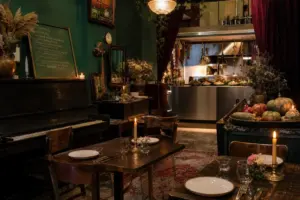 Lokanta Kru – about 1.2 km away (~19 min walk)Open 12:00–22:00, closed Sun
Main image: AI-generated illustration. It may not show the place exactly as it looks.
 Tiflisi – about 1.2 km away (~20 min walk)10 min on foot from Kabataş metro
Main image: AI-generated illustration. It may not show the place exactly as it looks.
Nightlife near Kurtuluş
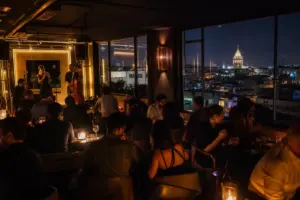 Meyhane Kebirabout 400 m away (~7 min walk)
Main image: AI-generated illustration. It may not show the place exactly as it looks.
 Babylonabout 1.1 km away (~18 min walk)
Main image: AI-generated illustration. It may not show the place exactly as it looks.
Events and traditions near Kurtuluş
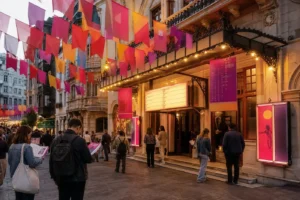 Istanbul Film Festivalabout 600 m away (~10 min walk)
Main image: AI-generated illustration. It may not show the place exactly as it looks.
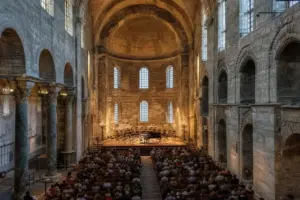 Istanbul Music Festivalabout 1.3 km away (~20 min walk)
Main image: AI-generated illustration. It may not show the place exactly as it looks.
Related guides
 Bomonti: Neighborhood Guide to Istanbul’s Beer Factory District
Main image: AI-generated illustration. It may not show the place exactly as it looks.
 Feriköy: Cemeteries, Markets and Istanbul’s European Past
Main image: AI-generated illustration. It may not show the place exactly as it looks.
 Çeşme Bazlama Kahvaltı: Aegean Breakfast in Nişantaşı
Main image: AI-generated illustration. It may not show the place exactly as it looks.
 Mahir Lokantası: Lahmacun and Anatolian Dishes in Osmanbey
Main image: AI-generated illustration. It may not show the place exactly as it looks.
 Hünkar: Ottoman Home Cooking in Nişantaşı Since 1950
Main image: AI-generated illustration. It may not show the place exactly as it looks.
Browse more: More in Şişli · All Hidden Istanbul · All Neighborhoods
FAQ: Kurtuluş
Is Kurtuluş worth visiting if I'm only in Istanbul a few days?
Yes, if you value authentic local life over major monuments. Kurtuluş suits travelers with extra time looking for genuine neighborhood experience rather than sightseeing checklists. A 2–3 hour visit between other activities is realistic. It rewards a slower pace and curiosity about how ordinary Istanbul residents live.
What is Kurtuluş known for?
Kurtuluş is one of Istanbul's most diverse neighborhoods, shaped by generations of Greek, Armenian and Sephardic Jewish communities alongside newer arrivals from eastern Turkey. Its multicultural history lives on in its bakeries, meze counters, dairy shops and grill houses. It is known for authentic food, neighborhood atmosphere, and layers of cultural history.
Are the churches in Kurtuluş open to visitors?
Yes. St. Demetrios Greek Orthodox Church, St. Athanasios Greek Orthodox Church, and the Cathedral of the Holy Spirit (Catholic) welcome respectful visitors free of charge. Observe prayer times and services; check before visiting during worship hours. Remove shoes or cover heads where requested.
Can I eat well in Kurtuluş on a budget?
Yes. Kurtuluş offers abundant traditional restaurants, meze counters, bakeries, and delis at budget to moderate prices. Street-level shops sell regional cheeses, honey, and fresh produce. Small family-run eateries cater to locals and offer authentic Turkish food without tourist-area markups.
How long should I spend in Kurtuluş?
1.5–3 hours is realistic for a neighborhood walk, church visits, and a café or meal stop. Half-day visits (4–5 hours) let you explore more deeply, include a trip to nearby Bomontiada, and absorb the pace. Avoid rushing; the neighborhood rewards slower exploration.
Is Kurtuluş safe for solo travelers?
Yes. Kurtuluş is a residential neighborhood with standard urban safety precautions. It is busy with locals during the day. Evenings can be quieter but remain safe. Exercise standard city awareness: avoid isolated side streets late at night, keep valuables secure, and be aware of surroundings as in any urban area.
What is the history behind the neighborhood's name change?
On 13 April 1929, six years after the Republic of Turkey was founded, a fire swept through the neighbourhood and largely destroyed it, with 207 houses going up in flames. The name was changed to Kurtuluş to mark the rebuilding of the area. The original name, Tatavla, was Greek. Many view the name change as symbolic of changing ownership and identity.
Can I combine Kurtuluş with other neighborhoods?
Yes. Kurtuluş sits between Nişantaşı (upscale shopping), Taksim (tourist hub), and adjacent Bomonti (cultural venues and markets). All are within 10–20 minutes by foot or one metro stop. A day can include Kurtuluş food exploration in the morning, Taksim mid-day, and Bomontiada in the evening.
Istanbul Vibes is a one-person project. A coffee keeps it going

Take this guide with you
Get a free PDF of this guide to print or read offline: key facts, tips and a map link on a few clean pages.
Report an issue on this page
How we research and update our guides
About this guide: AI assistance and accuracy
This guide is created with the help of AI and is based on official sources where available. Mistakes can still happen. Opening hours, prices, rules and other details are given to the best of our knowledge as of the date shown and can change without notice. It offers general recommendations only, not professional, legal or travel advice. Please confirm important details with the official source before you travel; you are responsible for your own plans and decisions.
* Affiliate link: as an Amazon Associate we earn from qualifying purchases at no extra cost to you.
