
Information only. This article explains what a treatment is and how it is usually carried out. It is not medical advice, not an offer and not a recommendation to have any procedure. Whether it suits you can only be decided by a licensed doctor after an examination.
Embryo freezing, also called cryopreservation, is a procedure that allows couples undergoing fertility treatment to preserve embryos (fertilized eggs) for future use. Many fertility clinics in Istanbul offer this service as part of IVF treatment. This article explains what embryo freezing is, how the process works, what to prepare beforehand, risks and recovery, and what to discuss with a doctor before deciding.
Note: Embryo freezing in Turkey is subject to specific regulations. Couples must be married and use only their own eggs and sperm. Embryos can be stored for up to five years with the written consent of both partners; storage beyond five years requires approval from the Turkish Ministry of Health. A doctor in Turkey can explain your eligibility and the legal requirements before you proceed.
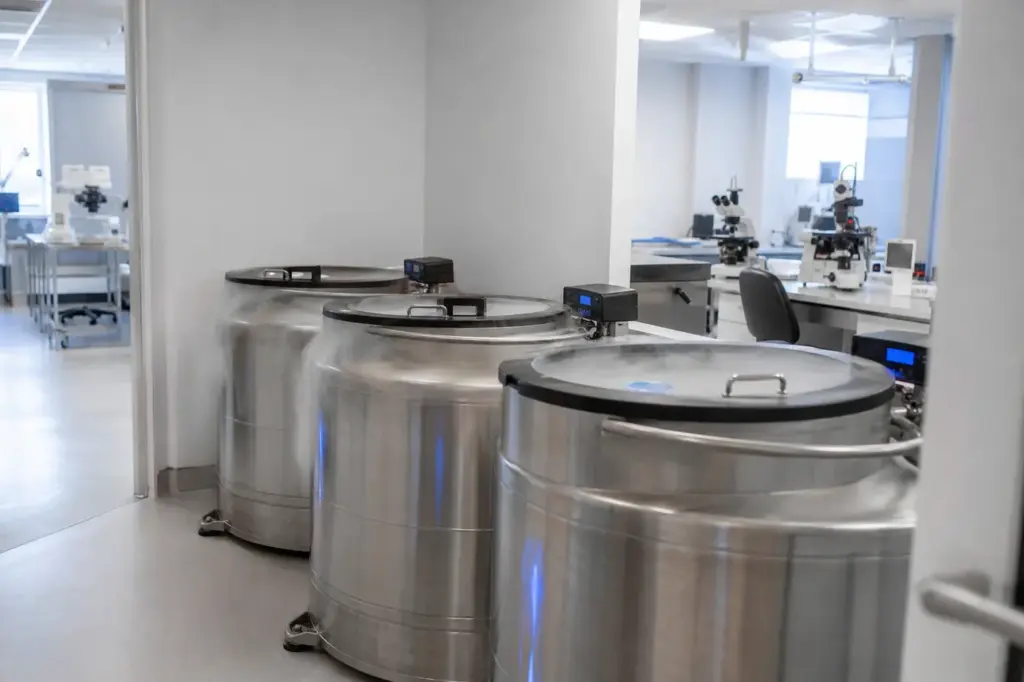
Quick answer: Embryo freezing preserves embryos by cooling and storing them at low temperatures so they can be thawed later and transferred to the uterus for conception. During in vitro fertilization (IVF), multiple eggs are stimulated to grow, then recovered from the ovary and fertilized, which may result in more embryos than a couple wants at one time. Embryos are immersed in liquid nitrogen, instantly freezing them into a glass-like substance using vitrification, a form of freezing that prevents ice crystals from forming.
At a Glance
| Total time | Embryo freezing itself takes hours; the full IVF cycle from stimulation to freezing takes 2–3 weeks. Thawing and transfer can be done in a separate cycle weeks or months later. |
|---|---|
| Typical cost | ₺₺₺ |
What You Need Before You Start
- Married to your partner (required by Turkish law)
- Medical examination and blood tests for infection screening (HIV, hepatitis B and C) before freezing
- Completed IVF cycle with embryos available for freezing
- Written consent from both partners
- Plan for follow-up care with a doctor in your home country after the procedure
Compare Your Options
| Option | Duration | Price | Notes |
|---|---|---|---|
| Vitrification (Rapid Freezing) | Seconds to minutes for freezing procedure | In this process, the doctor freezes the cryoprotected embryos so quickly that water molecules do not have time to form ice crystals, which helps protect the embryos and increases their survival rate during thawing. This is the most commonly used method in modern fertility clinics, including those in Turkey. | |
| Slow Freezing (Controlled-Rate Freezing) | 2 hours for freezing procedure | This involves placing embryos in sealed tubes, then slowly lowering their temperature; it prevents the embryo's cells from aging and reduces the risk of damage; however, slow freezing is time-consuming and requires expensive machinery. Some clinics still offer this method, though vitrification is more widely used. |
₺ budget · ₺₺ moderate · ₺₺₺ upscale · ₺₺₺₺ splurge. Price levels are estimates compared with typical prices for visitors.
Step-by-Step Instructions
Step 1: Consultation and Assessment
Meet with a fertility specialist at a clinic to discuss your fertility history, goals, and whether embryo freezing suits your situation. The doctor will explain Turkish legal requirements (couples must be married; only your own eggs and sperm can be used). You will have blood tests for infection screening and ultrasound to assess your ovaries. This step ensures the clinic can proceed safely and that you understand the regulations.
Tip: Ask the doctor to clarify storage costs, storage duration, and what happens to embryos if you move abroad or change your plans.
Step 2: Ovarian Stimulation
The process begins by using hormones and other medications to stimulate the production of potentially fertile eggs. You will inject yourself or receive injections over 10–14 days. The clinic monitors your response with blood tests and ultrasound scans. This prepares multiple eggs for retrieval.
Tip: Side effects from hormonal medications may include bloating, nausea, breast tenderness, and mood changes. These usually resolve after stimulation ends.
Step 3: Egg Retrieval
Around 36 hours after the trigger shot, eggs are retrieved through a minor surgical procedure under mild sedation or anesthesia; a thin needle is inserted into the ovarian follicles to aspirate the eggs. The procedure typically takes 15–30 minutes. You may experience mild cramping and spotting for a few hours afterward.
Tip: Arrange for someone to drive you home, as you will still be drowsy from sedation. Avoid strenuous activity for 1–2 days.
Step 4: Laboratory Fertilization
Eggs are retrieved and sperm is collected; these eggs are then fertilised with the sperm in a laboratory setting, and the resulting embryos are monitored for quality and development. Fertilization happens on the day of retrieval. Embryologists observe the embryos over the next few days.
Tip: The clinic will give you daily updates on how many eggs were retrieved and how many fertilized normally.
Step 5: Embryo Culture and Selection
Fertilized embryos are cultured in a specialized incubator for 3 to 5 days; embryologists monitor cell division and growth to identify high-quality embryos; embryos reach the blastocyst stage (Day 5 or 6), which has a higher implantation potential; only embryos of suitable quality are selected for freezing to support chances of pregnancy. Not all embryos will be suitable.
Tip: Ask the clinic how many embryos are of good enough quality to freeze. This number varies widely and affects your options for future pregnancies.
Step 6: Embryo Freezing (Vitrification)
Once deemed suitable for cryopreservation, embryos are rapidly cooled using a technique called vitrification, which involves immersing them in a cryoprotectant solution before flash-freezing them in liquid nitrogen; this ultra-rapid cooling prevents ice crystals from forming within the embryo. The selected embryos undergo rapid freezing which prevents the formation of damaging ice crystals; embryos are treated with cryoprotectants, substances that protect them from ice formation, then rapidly cooled to −196°C using liquid nitrogen.
Tip: Some clinics also offer slow freezing, an older method; vitrification is more commonly used today and has higher embryo survival rates after thawing.
Step 7: Embryo Storage
According to Turkish regulations, frozen embryos can be stored for up to 5 years with the written consent of both partners and by paying an annual storage fee to the freezing center; after 5 years, the storage period can be extended with approval from the Ministry of Health. Embryos can be stored for many years without compromising their quality; most clinics recommend use within 10 years, though Turkey allows for longer storage periods depending on regulations.
Tip: Confirm the annual storage fee and what happens if you wish to extend storage, move clinics, or leave the country.
Step 8: Preparation for Embryo Transfer (Future Cycle)
Frozen-thawed embryos are transferred into the uterus after preparation of the lining of the uterus using either a natural cycle or a hormone replacement cycle; in a natural cycle, the patient is monitored by blood tests to determine when ovulation occurs; embryos are thawed and transferred at the appropriate time after ovulation; during a hormone replacement cycle, appropriate development of the endometrium is achieved with hormonal medications. You can return for transfer weeks or months later.
Tip: The timing of transfer depends on your menstrual cycle and uterine readiness. Your doctor will advise whether a natural or hormone-supported cycle suits you.
Step 9: Embryo Thawing and Transfer
The thawing process involves carefully warming the embryos and removing the cryoprotectants; embryologists assess the viability of the embryos before transferring. Thawing can damage embryos; if multiple embryos are frozen, some or all may not survive the process. The doctor transfers one or more embryos into your uterus using a thin catheter. You may feel mild cramping. After transfer, you rest for a short time and then leave.
Tip: Not all thawed embryos will be viable. Ask the clinic how many embryos survive thawing and are suitable for transfer on the day of your cycle.
Step 10: Recovery and Follow-up
After embryo transfer, you may experience mild cramping or spotting for a few hours. Avoid strenuous activity, heavy lifting, and vigorous exercise for 7–10 days. Your doctor will schedule a blood test about 10–14 days after transfer to check for pregnancy. Continue taking any prescribed medications until you receive results. If you become pregnant, follow-up ultrasounds confirm the pregnancy and monitor development.
Tip: Emotional and physical recovery varies. Some people feel normal within days; others experience fatigue or mood changes. Rest as much as you need.
Common Mistakes to Avoid
- Assuming all embryos will survive freezing and thawing. In reality, freezing can damage embryos and thawing them later can also damage them; if multiple embryos are frozen, some or all may not survive the process. Ask your clinic about realistic survival rates before you freeze.
- Ignoring storage limitations and future planning. Frozen embryos can be stored for up to 5 years with written consent of both partners and by paying an annual storage fee. Understand the costs and what will happen if you move abroad or your circumstances change.
- Not planning for follow-up care at home. Embryo freezing and transfer are not complete treatments; they are part of an IVF cycle. Before leaving Turkey, arrange for a doctor in your home country to provide follow-up ultrasound, blood tests, and support if you become pregnant or experience complications.
- Expecting immediate pregnancy after embryo transfer. Failure to get pregnant after embryos are thawed and implanted is a possible outcome. Not all transferred embryos result in pregnancy, even if they appear healthy. Discuss realistic expectations with your doctor.
- Underestimating emotional and physical side effects. Hormonal stimulation and egg retrieval can cause bloating, nausea, mood changes, and fatigue. These are normal but should not be ignored. Talk to your doctor if side effects are severe or persistent.
Tickets, Payment and Booking
Embryo freezing in Istanbul is offered by multiple private fertility clinics. To book treatment:
- Research clinics: Verify that the clinic is licensed by Turkish health authorities. Ask whether the clinic can handle your specific needs (consultation abroad, payment from your country, follow-up care coordination).
- Contact directly: Most Istanbul fertility clinics have international patient coordinators who speak English. Email or call to request a consultation, pricing, and details of what is included.
- Payment: Many clinics accept international credit cards or bank transfers. Confirm accepted payment methods and whether your home insurance will cover any costs.
- Consent and documentation: Turkish law requires written consent from both partners before embryos are frozen. Prepare a copy of your marriage certificate or proof of legal marriage if required by the clinic.
- Avoid clinics found through medical tourism brokers or marketplaces unless you can verify their licensing independently. Always contact the clinic directly to confirm credentials.
Good to know
- Before traveling to Istanbul, consult a fertility specialist in your home country. They can review your medical history, confirm that embryo freezing is appropriate for you, and establish a plan for follow-up care after you return home.
- Book your Istanbul appointments 4–6 weeks ahead, as clinics may have limited availability. Most cycles require daily monitoring visits during stimulation, so plan your travel dates carefully.
- Bring original documents: marriage certificate, passport, any previous fertility test results, and a list of all medications and allergies. Turkish clinics require these for legal and medical reasons.
- Some fertility clinics in Istanbul have established relationships with specific clinics abroad; ask whether your clinic can coordinate follow-up care with a partner clinic or doctor in your country.
- Do not judge a clinic by price alone. Check whether the clinic is officially licensed, whether staff speak your language clearly enough to explain medical details, and whether they provide written consent forms and treatment plans in your language.
- Understand that Turkish regulations prohibit egg and sperm donation and surrogacy. If your situation involves either, embryo freezing in Turkey will not be an option; you will need to travel elsewhere.
Explore Nearby Embryo Freezing
Related guides
 How to Find Prayer Spaces in Istanbul: Mosques, Prayer Times and Etiquette
Main image: AI-generated illustration. It may not show the place exactly as it looks.
 How to Drink Water in Istanbul: Safe Options for Visitors
Main image: AI-generated illustration. It may not show the place exactly as it looks.
 How to Keep Your Valuables Safe in Istanbul: Practical Protection in Crowded Areas
Main image: AI-generated illustration. It may not show the place exactly as it looks.
Browse more: All Other · All Treatments
FAQ
How long can frozen embryos last?
Frozen embryos can be stored for up to 5 years with written consent of both partners and annual storage fees; after 5 years, the storage period can be extended with approval from the Turkish Ministry of Health. Embryos can be stored for many years without compromising their quality.
How do frozen embryo transfers compare with fresh embryo transfers?
In many cases, outcomes of frozen embryo transfer are described as comparable to those of fresh transfer. Embryo freezing doesn't pose risks to resulting pregnancies, such as congenital disabilities or health problems; outcomes research of frozen-thawed embryos show lower rates of preterm birth, low birth weight, growth restriction and perinatal mortality. Ask your clinic for their specific pregnancy rates.
Who is legally eligible for embryo freezing in Turkey?
How much does embryo freezing cost?
Costs vary by clinic and what is included. The initial freezing procedure and first year of storage are typically included; additional years of storage have annual fees. Prices depend on the clinic's location, reputation, and whether additional services (genetic testing, medication, transfer) are added. Ask for a detailed quote in writing before committing.
Is embryo freezing painful?
Embryo freezing itself (the laboratory process) involves no pain. Egg retrieval may cause mild discomfort despite sedation; you may feel pressure or cramping for a few hours afterward. Side effects of the fertility drugs include abdominal pain and bloating, nausea, and headaches. These are usually temporary and manageable.
What happens if embryos don't survive thawing?
Thawing embryos later can damage them; if multiple embryos are frozen, some or all may not survive the process. If no embryos survive thawing, you would need to start a new IVF cycle to create and freeze new embryos. Discuss this possibility with your doctor before freezing.
Can I take my frozen embryos out of Turkey?
Turkish regulations describe how frozen embryos may be moved between licensed centres within Turkey; they do not set out an equivalent routine pathway for international export. Moving embryos to another country is legally complicated. Ask your clinic about policies before you freeze, especially if you plan to move abroad.
How long does the whole process take?
Ovarian stimulation takes 10–14 days. Egg retrieval is one procedure; fertilization and embryo culture take 5–7 days. Embryo transfer in a future cycle can happen weeks or months later. The time between freezing and transfer depends on when you choose to return and your reproductive readiness.
Not legal advice. This is general information for visitors. Rules on visas, entry, registration, customs and similar matters change often and can depend on your nationality. Check the official source and, if in doubt, ask your embassy or a qualified adviser.
Before you decide anything
Risks and possible complications
- Embryo damage during freezing or thawing. Damage to embryos during the freezing process can reduce the number of viable embryos available for transfer.
- Embryos that are not viable for freezing may not be suitable for storage, reducing your options.
- Failure to get pregnant after embryos are thawed and implanted is a possible outcome even with good-quality embryos.
- Side effects from hormone stimulation: Side effects of the fertility drugs include abdominal pain and bloating, nausea, and headaches; you may also experience vaginal discomfort, cramping, and spotting for a few hours after the egg-retrieval process.
- Ovarian hyperstimulation syndrome (OHSS). People may benefit from freezing if they have a higher risk of ovarian stimulation syndrome, a rare and potentially dangerous condition that can arise when a person is receiving stimulating hormones to increase egg production. Symptoms include severe bloating, pain, nausea, and reduced urination; contact your doctor immediately if these occur.
- Bleeding or infection during egg retrieval. Immediate risks such as bleeding, infection, injury, and anesthesia complications are low.
- Multiple births if more than one embryo is implanted (twins or triplets).
- Pregnancy complications may include increased rates of medical issues in pregnancy like preeclampsia and placenta accreta spectrum.
Alternatives to talk about with a doctor
- Fresh embryo transfer during the same IVF cycle (without freezing), though this may carry higher ovarian stimulation risk if multiple embryos are present.
- Egg freezing instead of embryo freezing, which offers more advantages compared to embryo freezing, such as fertility preservation in women at risk of losing fertility due to oncological treatment or chronic disease, egg donation, and postponing childbirth, and eliminates religious and/or other ethical, legal, and moral concerns of embryo freezing. However, egg freezing in Turkey is allowed only for specific medical conditions.
- Freeze-all cycles, in which a doctor extracts an embryo, freezes it, and stores it; to reduce the risk of ovarian stimulation syndrome, a doctor may recommend freezing the embryo and transferring it when the ovaries are no longer stimulated.
- Delaying pregnancy and using fresh sperm or eggs in a future natural cycle, though this may not be suitable if infertility issues are present.
Questions to ask a licensed doctor
- Am I eligible for embryo freezing under Turkish law? (Must be married, using own eggs and sperm.)
- What is the typical survival rate of embryos after freezing and thawing at your clinic?
- What is the annual storage cost, and what happens if I want to extend storage beyond five years or move my embryos to another clinic?
- How many embryos are likely to be suitable for freezing based on my age and fertility profile?
- What are the realistic pregnancy rates with frozen embryo transfer at your clinic?
- If I become pregnant, can I receive follow-up care at my clinic at home, or will you provide a written summary of my treatment for my local doctor?
- What happens to my frozen embryos if I leave the country, change my mind, or my circumstances change?
- Will you perform genetic testing (PGT) on embryos before freezing, and if so, what does that cost?
- What are your protocols if only one or two embryos are deemed suitable for freezing?
- If embryos do not survive thawing, what are my options for the next cycle?
- This page is information. It is not medical advice and not a recommendation to have any treatment or to choose any clinic, doctor or country.
- Every medical procedure has risks, and results and healing differ from person to person. A licensed doctor who has examined you decides whether a treatment is suitable.
- Talk to a doctor in your home country before you decide, and plan follow-up care at home: problems can appear after you return.
- Check that the clinic and the doctor are licensed in the official register of the Türkiye Cumhuriyeti Sağlık Bakanlığı, and ask for a written treatment plan and a consent form you understand.
- After a procedure, get urgent medical help for severe pain, fever, heavy bleeding or breathing problems. In an emergency call the local emergency number.
Kontrendikasyonlar olabilir. Bir uzmana danışmak gerekir.

Take this guide with you
Get a free PDF of this guide to print or read offline: key facts, tips and a map link on a few clean pages.
Report an issue on this page
How we research and update our guides
About this page: AI assistance and accuracy
This page was prepared with the help of AI and checked by automatic rules. It is general information only, not medical advice and not a recommendation to have any treatment or to choose any clinic. Mistakes can still happen and details can change without notice. Please check important details with the official source and talk to a licensed doctor before you decide anything.
