
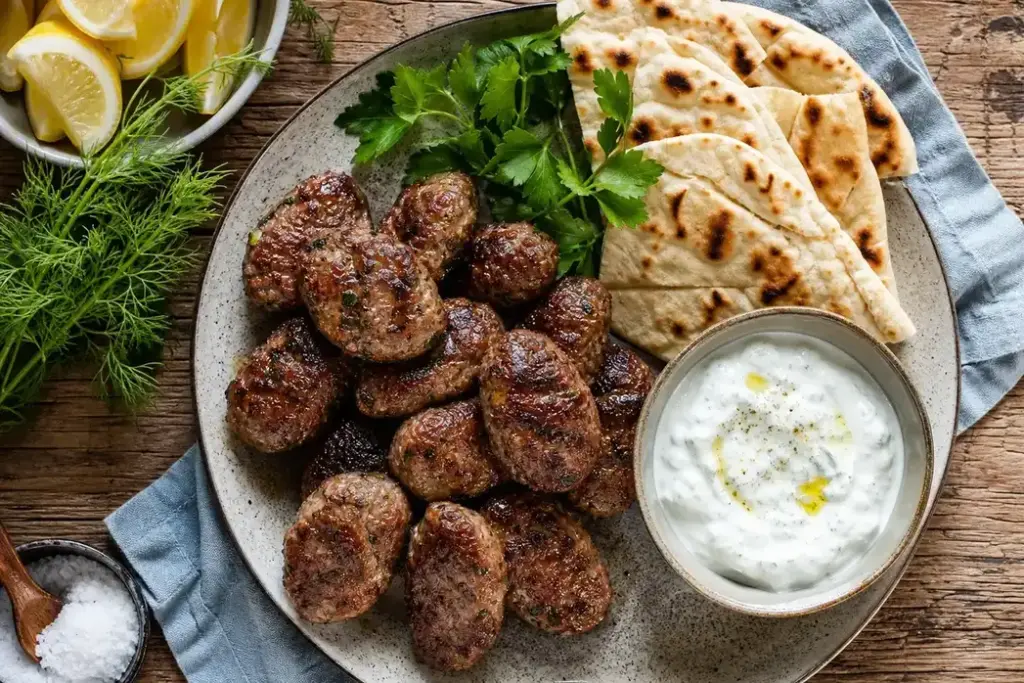
Kofta is one of the most recognizable dishes in Turkish cuisine—meatballs made from ground beef or lamb, mixed with breadcrumbs, herbs and warm spices, then fried or grilled until golden. When visitors ask how to make kofta Turkish meatballs at home, they’re looking to recreate what they’ve encountered at Istanbul’s street stalls and family tables.
This guide takes you through the process of making authentic Turkish kofta in your own kitchen. You’ll learn the classic method: mixing the meat with grated onion, fresh parsley, and spices; letting the mixture rest; shaping and cooking it to tender, flavorful perfection. The result is a versatile dish served with rice, yogurt sauce, tahini, or wrapped in pita bread.
Quick answer: Mix ground beef with breadcrumbs, grated onion, garlic, parsley, egg and warm spices. Let the mixture rest, shape into balls or patties, then fry in oil for 8–10 minutes until cooked through and browned. Total time: 30–40 minutes (including rest period).
At a Glance
| Type | Dishes |
|---|---|
| Origin | The word 'kofta' comes from the Persian kufta, meaning 'to pound.' For centuries, this dish has been pounded into being—by the hands of cooks from Central Asia to Cairo, from Istanbul to Indore. The earliest surviving documents explicitly naming the dish 'köfte/kufta' are Ottoman Turkish culinary manuscripts and palace records from the mid-to-late 15th century onward. Initially made at home and served at family tables, kofta gradually became a commercial dish. First served between slices of bread, kofta became widely popular through street vendors during the Ottoman era. |
| Servings | 2–4 servings |
| Total time | 30–40 minutes (including 15–30 minutes rest time) |
| Difficulty | Easy |
History and Story of Kofta
The word ‘kofta’ comes from the Persian kufta, meaning ‘to pound.’ For centuries, this dish has been pounded into being—by the hands of cooks from Central Asia to Cairo, from Istanbul to Indore. The earliest surviving documents explicitly naming the dish ‘köfte/kufta’ are Ottoman Turkish culinary manuscripts and palace records from the mid-to-late 15th century onward. The dish spread through trade routes, conquests, and cultural exchange to the Middle East, Indian subcontinent, Central Asia, the Balkans, North Africa, and beyond, adapting to local ingredients and preferences. The creation of kofta was originally aimed at preserving meat for longer periods and, during times of scarcity, increasing the amount of meat to feed more people. Initially made at home and served at family tables, kofta gradually became a commercial dish. First served between slices of bread, kofta became widely popular through street vendors during the Ottoman era. Later, as the restaurant culture developed, kofta found its place on restaurant menus. Today, kofta is one of the most beloved dishes in Turkish cuisine.
Ingredients
- 450–500 g (1 lb) ground beef or lamb, or a mixture
- 1 medium onion, to be grated
- 2–3 cloves fresh garlic, minced or crushed
- 1 large egg
- 30–60 g (1–2 oz) white bread or breadcrumbs
- 2–3 tablespoons fresh parsley, finely chopped
- 1 teaspoon ground cumin
- 1 teaspoon ground coriander
- 1 teaspoon allspice
- ½ teaspoon red pepper flakes (Turkish pul biber)
- ½ teaspoon black pepper
- ½–¾ teaspoon salt
- 2–3 tablespoons olive oil or vegetable oil for frying
How Kofta Is Made
Step 1: Gather and prepare ingredients
Grate the onion on the fine side of the grater so no chunks remain. Mince or crush the garlic into a paste. Finely chop fresh parsley. If using whole bread instead of breadcrumbs, tear stale bread into small pieces or pulse in a food processor until breadcrumbs form. Place the ground meat in a large bowl.
Tip: Let ingredients come to room temperature for about 15 minutes before mixing—this helps flavors blend better.
Step 2: Combine all ingredients
Add the grated onion, garlic, chopped parsley, breadcrumbs, egg, cumin, coriander, allspice, red pepper flakes, black pepper and salt to the bowl with the meat. Using your hands, mix thoroughly for 3–5 minutes until everything is well combined and the mixture becomes slightly elastic.
Tip: Do not overmix or the meatballs will become tough. Stop as soon as everything is evenly distributed.
Step 3: Rest the mixture
Cover the bowl and refrigerate the mixture for at least 15–30 minutes, or up to 2 hours. This resting period allows the flavors to develop and helps the meatballs hold their shape during cooking.
Tip: You can prepare the mixture in advance and refrigerate overnight if planning ahead.
Step 4: Shape into meatballs or patties
Wet your hands with cool water to prevent sticking. Take a small portion of the mixture (about the size of a walnut or tangerine) and roll gently between your palms into a smooth ball. Alternatively, flatten slightly with your hand to create an oval patty. Place shaped meatballs on a tray as you go.
Tip: Keep your hands damp while shaping—this prevents the meat from sticking and creates a smoother surface.
Step 5: Heat the oil
Pour a thin layer of olive oil (about 2–3 tablespoons) into a large, heavy-bottomed skillet or cast-iron pan. Heat over medium-high heat until the oil is hot and shimmers slightly, about 1–2 minutes.
Tip: Do not crowd the pan—work in batches of 4–6 meatballs so they brown evenly on all sides.
Step 6: Fry until golden and cooked through
Carefully place the meatballs into the hot oil. Fry for 3–4 minutes on the first side without moving them, then gently turn and cook 3–4 minutes on the other side until evenly browned. Continue turning occasionally so they color on all sides. Total cooking time is 8–10 minutes. The meatballs should be firm and cooked through when you press gently.
Tip: If the outside browns too quickly before the inside cooks, reduce the heat to medium. A meat thermometer should read 160°C (70°C internal) for beef.
Step 7: Drain and serve
Using a slotted spoon, transfer the cooked kofta to a plate lined with paper towels to absorb excess oil. Serve hot, warm or at room temperature with rice, yogurt sauce, tahini, or inside warm pita bread with tomato, onion and lettuce.
Tip: Kofta tastes best served immediately but can be made a few hours ahead and reheated gently in a warm oven.
Variants
- Shish kofta: elongated meatballs skewered on metal rods and grilled, commonly found at Istanbul street stalls
- Lamb kofta: made with ground lamb or a mixture of beef and lamb, traditional and more aromatic than beef alone
- Regional variations: different Turkish regions use different spice combinations, some adding cinnamon, sumac or mint
- Çiğ köfte: raw meat and bulgur mixture from southeastern Anatolia, shaped into balls and wrapped in lettuce leaves
- Mercimek köftesi: lentil-based vegetarian version of kofta, traditionally served as an appetizer
Common Mistakes to Avoid
- Overworking the meat mixture: Mixing for too long or too vigorously makes the meatballs dense and tough. Mix just until everything is evenly combined, then stop.
- Skipping the rest period: Letting the mixture refrigerate helps flavors develop and makes shaping and cooking easier. Do not skip this step for best results.
- Using very lean meat: Beef with 20–30% fat produces softer, juicier meatballs. Lean beef makes them dry and crumbly. If using lamb, it naturally has enough fat.
- Crowding the pan: Cooking too many meatballs at once steams them instead of browning them. Work in small batches and give each meatball space.
- Turning constantly: Resist moving the meatballs every few seconds. Let them sit on each side for 3–4 minutes to develop a brown crust, then turn.
- Not grating the onion finely enough: Chunks of onion can break apart during cooking. Use the fine side of the grater so the onion blends smoothly into the meat.
- Forgetting to wet hands when shaping: Dry hands cause the meat to stick. Keep a bowl of water nearby and wet your hands frequently while shaping.
How to Order and Eat It
This typical food is found in street stalls throughout Istanbul, and although many koftas are round, similar to western meatballs, the traditional kofta is elongated and cooked roasted on a skewer. This type of meatball is served inside a piece of pita bread, with some sauces and vegetables. People consume them while walking through the busy streets of Istanbul. In Turkey, this kebab is enjoyed with rice and salad, but wraps are also in fashion to adapt to modern street food culture. Kofta is often accompanied by yogurt sauce, tahini sauce, fresh tomato and cucumber slices, and raw or grilled onion. Many Turks serve it with a squeeze of lemon juice.
To order: Köfte lütfen [Kofta lutfen] (Kofta please) or Bir porsiyon köfte [Bir porsyon kofta] (One portion of kofta)
Diet and Allergens
- gluten (typically contains)
- dairy (typically contains egg)
Where to Try Kofta
 Antakya Mutfağı Hatay (Antakya) home cooking: mezes, kebabs and desserts
Main image: AI-generated illustration. It may not show the place exactly as it looks.
 Koska Köftecisi Traditional Turkish köfte and piyaz
Main image: AI-generated illustration. It may not show the place exactly as it looks.
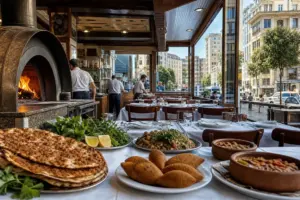 Mahir Lokantası Anatolian home cooking, lahmacun and daily lokanta dishes
Main image: AI-generated illustration. It may not show the place exactly as it looks.
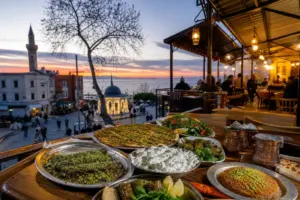 Develi Samatya Gaziantep (Antep) kebab and Turkish dishes
Main image: AI-generated illustration. It may not show the place exactly as it looks.
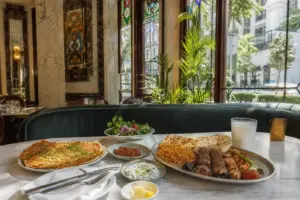 Tatbak Gaziantep-style kebab and lahmacun
Main image: AI-generated illustration. It may not show the place exactly as it looks.
 Yanyalı Fehmi Lokantası Turkish
Main image: AI-generated illustration. It may not show the place exactly as it looks.
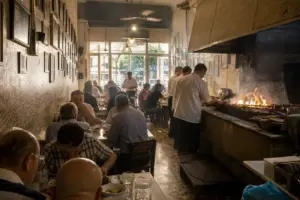 Tarihi Sultanahmet Koftecisi Turkish
Main image: AI-generated illustration. It may not show the place exactly as it looks.
 Balkan Lokantasi Turkish
Main image: AI-generated illustration. It may not show the place exactly as it looks.
Istanbul Vibes Tips
- Buy meat fresh from a butcher if possible and ask them to grind it for you. This gives better texture and flavor than pre-packaged ground meat. Beef with visible marbling or lamb from the shoulder will produce the juiciest kofta.
- Keep everything cold: refrigerate the bowl, the meat, and even wet your hands with cold water while shaping. Cold meat is easier to handle and holds together better during cooking.
- Do not add water or milk to the mixture—the grated onion provides enough moisture. Breadcrumbs absorb excess liquid, keeping the meatballs tender without becoming soggy.
- Shape all meatballs to roughly the same size so they cook evenly in the same amount of time. Aim for walnut-sized or slightly larger for best results.
- Kofta freezes well: shape and freeze unbaked meatballs on a tray, then transfer to freezer bags. Cook directly from frozen, adding 2–3 extra minutes to cooking time.
- For grilling: thread meatballs onto soaked wooden skewers or metal skewers and cook over medium-high heat, turning every 2–3 minutes until browned and cooked through, about 10–12 minutes total.
Explore Nearby Kofta
Browse more: All Food & Drink · All Other
FAQ
Can I use ground lamb instead of beef?
Lamb is traditional and makes them very special. Many Turkish cooks use a mixture of half beef and half lamb for the richest flavor. Ground lamb contains more fat naturally, so you may need slightly less oil for frying.
Do I need breadcrumbs in the mixture?
Yes. Breadcrumbs help bind the ingredients together, absorb juices during cooking to keep the meatballs tender, and extend the meat so the mixture goes further. They are essential for the right texture.
Can I bake or grill kofta instead of frying?
Yes. To bake, brown the meatballs in a hot pan for 2–3 minutes first, then place in a baking dish, cover with tomato sauce or broth, and bake at 180°C (356°F) for 15 minutes. To grill, thread onto skewers and cook over medium-high heat for about 10–12 minutes, turning frequently.
How far ahead can I prepare the mixture?
The mixture can be prepared up to 24 hours ahead and kept covered in the refrigerator. This actually improves flavor. Shaped meatballs can also be frozen for up to 3 months.
What if the meatballs fall apart while cooking?
This usually means the mixture was not mixed long enough or rested long enough. Make sure to knead for 3–5 minutes and refrigerate for at least 30 minutes. Also avoid using very lean meat, which lacks the fat needed to bind everything together.
Is kofta gluten-free?
Traditional kofta contains breadcrumbs, which usually have gluten. You can make gluten-free kofta by using gluten-free breadcrumbs or replacing breadcrumbs with crushed gluten-free crackers or finely grated potato.
What are the best side dishes to serve with kofta?
Common accompaniments include Turkish rice pilaf, bulgur, grilled vegetables, yogurt sauce, tahini sauce, and flatbread. In Istanbul, kofta is often served in pita with fresh tomato, cucumber, and onion, plus lemon juice.
Can I make vegetarian kofta?
Regional variations include lentil-based mercimek köftesi in Turkey, a plant-based option molded without meat. Some cooks also make kofta with finely chopped mushrooms or grated vegetables as a meat substitute, using the same spice and herb mix.
Istanbul Vibes is a one-person project. A coffee keeps it going

Take this guide with you
Get a free PDF of this guide to print or read offline: key facts, tips and a map link on a few clean pages.
Report an issue on this page
How we research and update our guides
About this guide: AI assistance and accuracy
This guide is created with the help of AI and is based on official sources where available. Mistakes can still happen. Opening hours, prices, rules and other details are given to the best of our knowledge as of the date shown and can change without notice. It offers general recommendations only, not professional, legal or travel advice. Please confirm important details with the official source before you travel; you are responsible for your own plans and decisions.
* Affiliate link: as an Amazon Associate we earn from qualifying purchases at no extra cost to you.
