

Bazaar bargaining in Istanbul isn’t confrontation—it’s a social ritual that visitors either enjoy or avoid entirely. This guide is for anyone visiting the Grand Bazaar, Egyptian Bazaar, or smaller carpet and crafts shops who wants to negotiate fairly without feeling awkward or rude.
You’ll learn which items are negotiable, how much to expect to pay after haggling, and the exact moves that work. The recommended approach: greet warmly, let the seller name the price first, counter at roughly 40–50% of their opening figure, then meet somewhere in the middle. Most negotiations take 10–15 minutes and end with tea and a handshake.
Quick answer: Bargaining in the Grand Bazaar is not a confrontation but a social ritual, often accompanied by tea, conversation, and hospitality. Your first offer should be around 50–60% of the initial asking price, and the final price usually lands around 60–70% of the original ask. The process typically takes 10–15 minutes.
At a Glance
| Total time | 10–15 minutes per item |
|---|---|
| Typical cost | ₺₺ |
What You Need Before You Start
- Cash in Turkish lira (strengthens your negotiating position)
- Willingness to walk away politely if the price doesn't suit you
- A genuine interest in the item—haggling without intent to buy is considered rude
- Patience and a calm demeanor
- Basic understanding of which shops allow negotiation (bazaars and markets, not malls or restaurants)
Compare Your Options
| Option | Duration | Price | Notes |
|---|---|---|---|
| Bazaar bargaining (Grand Bazaar, Egyptian Bazaar, Arasta Bazaar) | 10–15 minutes per item | ₺₺ | Haggling happens at the Grand Bazaar, Spice Bazaar, local pazars, carpet shops, and leather shops, but NOT at supermarkets or malls. Expect to negotiate over the price in artisan shops that sell large items such as carpets, paintings, statues, furniture and textiles, and those stocking counterfeit luxury goods. Most useful for high-value items like carpets, ceramics, jewelry, and leather goods. |
| Negotiation at smaller neighborhood markets (pazars) | 5–10 minutes per item | ₺ | At weekly pazars (neighborhood markets), prices are closer to fair from the start—maybe 20-30% room to negotiate. Less formal than the Grand Bazaar but still culturally expected. Vendors are often locals selling directly. |
| No negotiation at fixed-price shops and malls | N/A | N/A | You cannot bargain in grocery stores, shopping malls, restaurants, or on public transport. You can and should bargain in bazaars (like the Grand Bazaar or Spice Bazaar), carpet shops, antique stores, and sometimes for long-distance taxi rides. Food products, packaged sweets, beverages, and items with clearly printed prices are often sold at fixed rates. |
| Bargaining for carpets and large textiles | 30–45 minutes per item | ₺₺₺ | Carpets and leather have a markup of 50% or more; take your time and tea is part of the deal. Highest-value items with the most room for negotiation. Expect longer conversations about craftsmanship, origin, and materials. Sellers will provide certificates of authenticity. |
| Bargaining at spice shops and food vendors | 5 minutes | ₺ | Spices and food items have less room for negotiation. Don't negotiate hard on food—simit (street bread), döner, and baklava have standard prices. Most effective for bulk purchases of tea or spices where discounts exist. |
₺ budget · ₺₺ moderate · ₺₺₺ upscale · ₺₺₺₺ splurge. Price levels are estimates compared with typical prices for visitors.
Step-by-Step Instructions
Step 1: Browse nearby shops without buying
Walk past a few shops to get a 'baseline' price for the item you want. Don't show too much interest in the first shop you enter. Spend 5–10 minutes observing prices for similar items across several stalls. This gives you realistic targets and prevents you from overpaying dramatically. Do not reveal which item catches your eye.
Tip: Watch how vendors interact with other customers to gauge their style and expectations.
Step 2: Enter a shop and greet warmly
Start with a simple 'Merhaba' (Hello) or 'Kolay Gelsin' (May it be easy for you) to build instant rapport and show you aren't a total stranger to the culture. Wait for the shopkeeper to acknowledge you. If they offer tea, accepting it does not commit you to making a purchase—it is simply part of the shopping culture. Sit or stand naturally; do not rush.
Tip: A warm greeting sets the entire tone of the negotiation.
Step 3: Ask the price without naming a figure
Never make the first offer. Ask 'how much?' ('Bu ne kadar?') and let them anchor. Listen to their opening price without reacting strongly. Pause for a moment as if considering it. This signals that you know the item has value and you are not naive.
Tip: Your silence after hearing the price carries weight. Let them wonder if you think it's too high.
Step 4: Counter at 40–50% of their opening price
The opening number is almost always 200–250% of the floor price for textiles & souvenirs. Smile and counter at 40% of the opening number. Not 50%—leave yourself room. Say it with good humor and a slight gesture of disbelief. Use phrases like 'çok pahalı, abi' (too expensive, brother).
Tip: Deliver your counter-offer with a smile and slight surprise, not anger. This is theater, not combat.
Step 5: Wait for their counter-offer and adjust slowly
The shopkeeper will then make a counter offer of 80–90%. You should look disappointed, explain that you have done your research and say that you are not prepared to pay that amount. Then you should offer around 70%. Each round, move upward by small increments (5–10% of the original price). Let them lead the conversation and respond to them, not the other way around.
Tip: If they drop the price dramatically at the first counter, the original markup was very high. If they move only slightly, they may be dealing in higher-quality goods or tighter margins.
Step 6: Make a decision when you reach your target price
By this stage you and the shopkeeper should have sized each other up. They will cite the price at which they are prepared to sell and if it corresponds with what you were initially happy to pay, you can agree to the deal. If yes, agree warmly. If no, move to the next step.
Tip: Know your maximum price beforehand. Do not exceed it in the moment.
Step 7: Walk away politely if the price doesn't work
Smile, shake hands and walk away. If you still aren't sure whether you want to buy the item or not, feel free to take a business card and step away for a while to muse on the offer. Head toward the door slowly. Be ready to walk away—the single most powerful tactic. If the price isn't right, thank the merchant and head for the door; you'll often be called back with a better offer.
Tip: This is often when the seller makes their best final offer. Many will call you back before you leave the shop.
Step 8: Bundle multiple items for a better discount
Buying multiple items often creates opportunities for additional discounts. If you are considering several pieces, mention you would like all of them. Shopkeepers reward loyalty and larger purchases with better overall prices. Frame it as a package deal, not separate negotiations.
Tip: A bundle purchase is your second-strongest negotiating tool after walking away.
Step 9: Pay in cash if you reach a deal
Pay in cash, ideally Turkish Lira. Cash buyers get the best deals, and you'll avoid card surcharges. Producing the agreed cash (lira) can sometimes seal a slightly better deal than charging the card. Most bazaar shops accept both, but lira cash is preferred.
Tip: If you negotiated in lira, paying in lira closes the deal definitively.
Common Mistakes to Avoid
- Never seem too eager. Enthusiasm signals desire, and desire inflates prices. Avoid animated comments like 'this will make a perfect gift' or 'I love this one.' Remain calm and browse other items before circling back.
- Don't start negotiations if you aren't going to buy. It is considered rude to negotiate a price down and then walk away. Only haggle if you genuinely want the item. Mockery damages your reputation in the bazaar, where vendors know each other.
- Once a final price is accepted, avoid reopening negotiations. If you agree to a deal and then ask for a discount, you insult the shopkeeper and break the agreement.
- Many Grand Bazaar vendors quote in euros—negotiate in lira for a better deal. If a price is quoted in euros, ask for the lira equivalent and counter in lira. Currency conversion adds hidden markups.
- Do not mention specific lower prices you found elsewhere unless you actually saw that exact item at that price in a nearby shop. Just be careful that the amount mentioned is not unreasonable as shop assistants generally know how much the items go for. Baseless price comparisons feel like disrespect.
- Do not follow unsolicited 'friends' who approach you on the street offering to guide you to shops. Avoid unsolicited 'friends' offering shop tours—a common scam in 2026. Walk directly to the shop you want or stick with official tours.
- Avoid aggressive or dismissive language about craftsmanship. Walking away abruptly, feigning disinterest too convincingly, or dismissing craftsmanship outright can close doors not just in that shop, but across adjacent stalls where vendors share tea and gossip.
Tickets, Payment and Booking
No tickets or advance bookings are required to enter bazaars and haggle. The Grand Bazaar, Egyptian Bazaar (Spice Bazaar), and Arasta Bazaar are free to enter during business hours.
Payment Methods: Bring some lira in cash. Smaller stalls prefer it, and paying cash strengthens your hand when you bargain. Larger shops take Visa and Mastercard. Most shops accept credit cards, but cash in Turkish lira often provides greater flexibility when negotiating. Carrying some cash is recommended even if you plan to pay electronically.
Warnings: Avoid purchasing from touts or unofficial guides who approach you on the street. Buy directly from shops. Do not bargain aggressively with food vendors; spice and food prices are standardized. Be aware that high-end items like carpets and jewelry may require certification or appraisal if you plan to export them.
Istanbul Vibes Tips
- Arriving between 11AM and 1PM is recommended for the best bargaining. Shopkeepers are warmed up and relaxed, not rushed. Early morning can signal desperation, and late afternoon crowds make extended negotiations uncomfortable.
- Compare prices at 3–4 shops before committing to a purchase. This takes 20 minutes and gives you genuine leverage in negotiations. You can reference similar items and their prices without lying.
- Feel free to take a business card and step away for a while to muse on the offer. However, remember that the moment you walk back into the shop, you're unlikely to bargain further from the last price point. Use this pause strategically if you're unsure. Once you return, the negotiation is effectively over.
- One useful phrase is 'son fiyat ne?' (sohn fee-YAHT neh), meaning 'What is your final price?' Using it politely signals that you understand local bargaining customs. This phrase cuts through endless rounds and signals seriousness.
- Ask whether an item is 'el yapimi' (handmade) or factory-produced. Reputable sellers will answer honestly because both categories have their own price points and buyers. Factory pieces cost less; handmade pieces are worth more—know what you're paying for.
Explore Nearby How to Navigate Bazaar Bargaining
Sights near How to Navigate Bazaar Bargaining
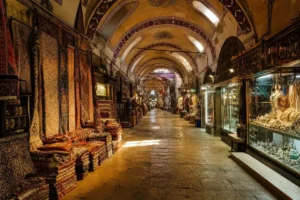 Grand Bazaar · typical visit: 2–4 hours4 min on foot from Beyazıt-Kapalıçarşı metro, Open 08:30–19:00, closed Sun
Main image: AI-generated illustration. It may not show the place exactly as it looks.
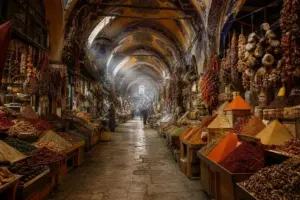 Egyptian Bazaar · typical visit: 30 minutes to 1 hour13 min on foot from Haliç metro, Open daily 08:00–19:30
Main image: AI-generated illustration. It may not show the place exactly as it looks.
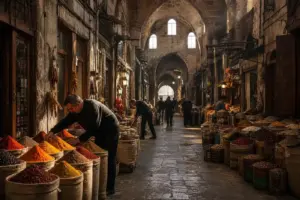 Spice Bazaar · typical visit: 1–2 hours13 min on foot from Haliç metro, Open daily 08:00–19:30
Main image: AI-generated illustration. It may not show the place exactly as it looks.
 Galata Bridge · typical visit: 30 minutes to 1 hour10 min on foot from Haliç metro, Open 24 hours
Main image: AI-generated illustration. It may not show the place exactly as it looks.
Browse more: All Etiquette and Safety · All How-To
FAQ
Is bargaining expected at the Grand Bazaar?
Yes. Bargaining is part of the shopping culture for many items, especially carpets, lamps, jewelry, textiles, and decorative crafts. Approach negotiations politely and with a sense of humor for the best experience.
What if I accept tea from a shopkeeper? Does that mean I have to buy?
If a shopkeeper offers tea, accepting it does not commit you to making a purchase. It is simply part of the shopping culture.
How much should I expect to pay after bargaining?
Offer around 40–50% of the price and steadily work your way up. The best price is the price you are willing to pay (usually between 50–70% of the asking price).
What items can I bargain for?
Carpets, leather goods, jewelry, ceramics, textiles, and souvenirs are all negotiable. Fixed-price items are usually marked. Spices and food items have less room for negotiation.
Should I pay with cash or a card?
Most shops accept credit cards, but cash in Turkish lira often provides greater flexibility when negotiating. Carrying some cash is recommended even if you plan to pay electronically.
What happens if I walk away and the seller doesn't call me back?
If you walk away and they don't come after you, you've probably overstepped the magic last-best-price mark. This means your offer was too low. You can return later and try again with a higher number, or move on.
Can I bargain at malls and restaurants?
You cannot bargain in grocery stores, shopping malls, restaurants, or on public transport. Bargaining is only appropriate in traditional bazaars, markets, and independent craft shops.
Is it rude to bargain at the Grand Bazaar?
No. Bargaining in Turkey is a tradition, so it's expected. Haggling here is not rude. It's expected. It's respected.
Istanbul Vibes is a one-person project. A coffee keeps it going

Take this guide with you
Get a free PDF of this guide to print or read offline: key facts, tips and a map link on a few clean pages.
Report an issue on this page
How we research and update our guides
About this guide: AI assistance and accuracy
This guide is created with the help of AI and is based on official sources where available. Mistakes can still happen. Opening hours, prices, rules and other details are given to the best of our knowledge as of the date shown and can change without notice. It offers general recommendations only, not professional, legal or travel advice. Please confirm important details with the official source before you travel; you are responsible for your own plans and decisions.
* Affiliate link: as an Amazon Associate we earn from qualifying purchases at no extra cost to you.
