

The Nezahat Gökyiğit Botanical Garden is a sprawling green space on the Asian side of Istanbul, built uniquely across eight land parcels formed by motorway intersections. The garden contains approximately 50,000 plants representing over 2,000 species, with specialised collections of Turkish endemics, geophytes, and rare plants. Founded by businessman Ali Nihat Gökyiğit as a memorial to his wife Nezahat, the garden opened to the public in 2002 and became the first and only botanical garden established within a motorway intersection.
Connected by underground tunnels and footbridges to navigate the surrounding highways, the garden functions as both a serene public park and a serious research and education centre. Entry is free, and the site welcomes thousands of visitors annually who come to explore walking paths, natural habitats, and seasonal displays.
Quick Facts
| Built / opened | 2002 |
|---|---|
| Address | Çamlık Mahallesi, Şenol Güneş Bulvarı, No: 9, Ümraniye, 34774, İstanbul Google MapsApple MapsYandex Maps |
| District | Ümraniye |
| Opening hours | Tue–Sun 09:30–17:00 (Nov–Mar); Tue–Sun 09:30–18:00 (Apr–May, Sep–Oct); Tue–Sun 09:30–19:00 (Jun–Aug); Mon closed
Last entry one hour before closing. |
| Admission | Free |
| Best time to visit | Spring (April–May) is ideal for viewing the tulip and bulb collections in full bloom, with mild temperatures and comfortable daylight hours. Autumn (September–October) offers pleasant weather, fewer crowds than summer, and warm foliage colours. Summer (June–August) sees the garden at its greenest but also its busiest, with full closing times extending to 19:00. Winter (November–March) showcases evergreens and structural plantings; days are shorter and the garden closes earlier (17:00). Weekdays are quieter than weekends year-round. Morning visits (09:30–11:00) offer the best light and fewest visitors. |
| Website | ngbb.org.tr/en |
What Is (and Isn't) Part of a Visit to Nezahat Gökyiğit Botanical Garden?
| Part | Status | Notes |
|---|---|---|
| Main botanical garden and eight islands | Included in the standard ticket | The entire 32-hectare complex with all themed zones is covered by free admission. |
| Arboretum Island section | Included in the standard ticket | Dedicated tree collections and wooded areas are part of the main garden. |
| Bosphorus Model Lake | Included in the standard ticket | The miniature Bosphorus feature with waterfowl is accessible within the garden. |
| Children's garden and playground | Included in the standard ticket | Play areas, sand pool and learning stations are free to use. |
| Picnic areas | Included in the standard ticket | Designated picnic zones with tables are provided free of charge. |
| Cafe and food services | Separate ticket or institution | On-site cafe operates separately; charges apply for food and beverages. |
| Parking | Included in the standard ticket | Complimentary parking is available for all visitors. |
| Adjacent TEMA Foundation Research Centre | Outside / not part of it | Scientific facilities and offices are not open to general visitors. |
Why Visit Nezahat Gökyiğit Botanical Garden?
This garden offers an unexpected escape from Istanbul’s urban density, creating an oasis of green amid high-rise development. The diverse plant collections mean something blooms in every season—spring brings tulips, iris and muscari; summer features lush foliage; autumn offers colour; winter reveals structural plantings. Beyond aesthetic appeal, the garden provides educational value through clearly marked plant zones representing Turkey’s natural habitats. Families appreciate the children’s playground, picnic areas, and the novelty of exploring interconnected botanical islands.
How Nezahat Gökyiğit Botanical Garden Is Laid Out
The garden occupies eight separate land parcels (‘islands’) created by the surrounding motorways and slip roads. Underground tunnels and footbridges connect the islands, allowing visitors to navigate between zones without crossing traffic. Two main entrances serve the garden: the Ümraniye entrance on Şenol Güneş Boulevard (the primary access) and the Ataşehir entrance via Rıfat Danışman Street. A sensible route explores the arboretum zone first, then the tulip and bulb collections, followed by the lake area with its Bosphorus-scale model and the children’s garden. Maps are available at both entrances to help orient yourself in the island system.
Highlights of Nezahat Gökyiğit Botanical Garden
Arboretum Island
The garden's core zone showcasing Turkey's native tree species through a mix of wooded areas and specimen plantings. Opened as a dedicated section in 2011, it demonstrates oaks, conifers and broadleaf species in their natural associations. Walking through the arboretum reveals the structure of Turkish forests and is particularly attractive during autumn when leaf colour changes. Look for the labelled specimen trees and natural understory plantings.
Tip: Visit early morning on weekdays to experience the arboretum in relative quiet; the wooded paths are peaceful before afternoon crowds arrive.
Tulip and Bulb Collections
A specialised zone featuring Turkish geophytes (bulbous plants) in spring displays that showcase native species like tulips, muscari, fritillaria and alliums. The garden holds one of Turkey's largest collections of endemic bulb varieties, many of which are rare and endangered in the wild. Spring visiting sees patches of blue, yellow and purple flowers across designated beds and natural plantings.
Tip: Spring (April–May) is peak season for this section; visit mid-morning when light is bright but crowds are still manageable.
Bosphorus Model Lake
A small lake representing the Bosphorus in miniature, complete with islands, inlets and water plants. Ducks and geese inhabit the water, and lotus flowers bloom in summer. The feature offers a peaceful focal point and demonstrates Istanbul's unique geography at a human scale. The surrounding planted margins show wetland plant communities.
Tip: Bring a camera; the lake is one of the most photogenic spots, especially with light reflecting off water in mid-afternoon.
Butterfly and Pollinator Gardens
Zones specifically planted to attract native butterflies, bees and other pollinators. These beds feature flowering plants that provide food and habitat for butterflies and beneficial insects. Unlike formal bedding, the gardens look naturalistic and educational signage explains plant-pollinator relationships. Visitors can observe feeding and breeding behaviour.
Tip: Visit on warm, sunny days (late morning through early afternoon) when insects are most active.
18th-Century Mansion Garden
A historic garden area recreating traditional Ottoman garden design principles. Though not a surviving original structure, the zone demonstrates classical elements of Turkish garden layout with water features, shade structures and heritage plantings. This provides context for how plants were cultivated and displayed in historical Istanbul.
Tip: Explore this zone in mid-afternoon when shadow patterns from trees create the most atmospheric lighting.
Children's Garden and Playground
A dedicated area with a large sand pool, play structures and interactive learning stations about plants and ecology. Age-appropriate plantings and hand-on activities (like touching leaves or smelling flowers) make horticulture accessible to children. The sand play area allows young visitors to dig and explore in a natural setting.
Tip: Best visited before noon when shade structures provide relief and crowds are lighter; bring sun protection and water.
Underground Tunnels and Bridges
The garden's most distinctive feature—passages that connect the eight islands while passing beneath surrounding motorways. The tunnels are well-lit and safe, offering a unique sensory experience: you hear the roar of traffic above, then emerge into quiet green space. This engineering solution demonstrates how to preserve nature within major infrastructure.
Tip: Use the tunnels to transition between zones; they're cooler in summer and provide relief from direct sun.
Atmosphere
The garden feels like an urban sanctuary despite its location within a motorway intersection. Upon entering, the transition from traffic noise to the sound of birds and water is striking. Pathways wind through varying landscapes—dense woodland sections feel remote, while open meadows feel expansive. The lake area is calm and reflective, while the children’s garden buzzes with activity. Seasonal changes are dramatic: spring explodes with colour from bulb collections, summer offers lush green depth, autumn brings warm tones, and winter reveals sculptural plant forms and evergreen structure. The site is busiest on weekends and school holidays; weekday visits in mid-morning offer a more peaceful experience.
History of Nezahat Gökyiğit Botanical Garden
The garden originated as a memorial project. In 1995, Turkish businessman Ali Nihat Gökyiğit, whose family had roots in Georgia, leased approximately 46 hectares of land at a major motorway intersection from Turkey’s General Directorate of Roads. He commissioned the creation of a memorial garden dedicated to his late wife, Nezahat Gökyiğit. The project faced the unusual challenge of designing a public park within an active motorway intersection, requiring innovative engineering solutions including underground tunnels and elevated footbridges to safely separate visitors from traffic.
The site was cleared of construction debris and the soil was improved before approximately 50,000 trees and shrubs were planted. The memorial park opened to the public in 2002, seven years after its inception. By 2003, as the project’s scope expanded beyond landscaping toward active plant research and conservation, it was formally redesignated the Nezahat Gökyiğit Botanical Garden (NGBB) under the administration of the Ali Nihat Gökyiğit Foundation (ANG Foundation).
Since becoming a botanical garden, the site has evolved into Turkey’s leading institution for floristic research. In 2004, NGBB established a dedicated education unit—the first and only such unit in any Turkish botanical garden. Specialised zones were developed over successive years: the Arboretum Island opened in 2011 with a focus on woody plants; an Oak collection was established in 2014. Today the garden holds one of Turkey’s most comprehensive collections of endemic and endangered plant species, particularly bulbous plants (geophytes) native to Turkey. The garden functions simultaneously as a public amenity, a research centre, and an education facility, fulfilling its founders’ vision of conserving plant diversity while increasing public knowledge of Turkey’s botanical heritage.
Tickets and Booking for Nezahat Gökyiğit Botanical Garden
Entry to Nezahat Gökyiğit Botanical Garden is free and no advance booking is required. Simply arrive during opening hours at either the Ümraniye entrance (Şenol Güneş Bulvarı, No: 9) or the Ataşehir entrance (Rıfat Danışman Sokak). Both entrances have visitor facilities including maps and information desks. No tickets are sold; entry is by presenting yourself at the gates. Parking is also complimentary. Food, beverages and any café services are available for separate payment inside the garden. For groups, educational visits or special permissions, contact the garden directly via the official website at www.ngbb.org.tr.
Suggested itineraries Nezahat Gökyiğit Botanical Garden
1–2 hours
Quick visit focusing on the most accessible zones. Enter via Ümraniye entrance, explore the Bosphorus Model Lake area, walk through part of the Arboretum Island, then return via tunnels to the entrance. Suitable for visitors with limited time or families with young children.
2–3 hours
Moderate exploration. Begin at Ümraniye entrance, visit the Arboretum Island thoroughly, cross to the Bulb Collections zone (seasonal), explore the Lake area, visit the Children's Garden, then use tunnels to exit via either entrance. This covers the garden's main zones without rushing.
Half day (3–4 hours)
Comprehensive visit. Explore all eight islands using the map provided. Start with the Arboretum, proceed to Bulb Collections, enjoy the Lake and surrounding wetland plantings, discover the historic Ottoman garden zone, experience the Children's Garden, and allow time for quiet reflection in wooded areas. Pack a picnic to use designated tables.
Full day
Deep exploration including return visits to favourite zones, extended time in the natural areas for wildlife observation, participation in any educational activities or workshops running that day, and leisurely picnicking. Spring and autumn offer the most to see in a full-day visit.
How to Get to Nezahat Gökyiğit Botanical Garden
By bus: The garden has two entrances, each served by different bus routes. Ümraniye entrance (Şenol Güneş Bulvarı): Take buses 13, 13M, 13Y, 14BK or 20D and get off at the ‘Botanik Bahçe’ stop. Ataşehir entrance (Rıfat Danışman Sokak): Take buses 13, 14ŞB, 19M from Kadıköy; 16M from Üsküdar; or 256 from Taksim, getting off at the ‘Ataşehir’ stop.
By car or taxi: The Ümraniye entrance is easier to find and has clearer signage on Şenol Güneş Boulevard; use GPS coordinates 40.99667, 29.11806. The Ataşehir entrance can sometimes be temporarily closed due to nearby construction. Free parking is available at both entrances.
By metro and transfer: No metro station is within practical walking distance. Nearest stations are Çakmak or Sancaktepe, each requiring 30–40 minutes walk. It is more efficient to take a direct bus or taxi.
Accessibility
The garden has accessible paths and designated wheelchair access routes between zones; tunnels connecting islands are accessible with level surfaces. Information about companion passes, accessible toilets and specific accessibility services should be verified directly with the garden via its official website or phone line (+90 216 456 44 37). Benches are placed throughout for rest; picnic areas have accessible seating. Steeper or uneven natural areas may pose challenges for those with mobility limitations.
Food Nearby
The garden operates an on-site café serving drinks and light refreshments. No major restaurant clusters are within immediate walking distance. Nearby commercial areas in Ataşehir and Ümraniye districts (5–15 minutes by car) contain Turkish restaurants, kebab houses and cafés, though they are not walkable from the garden. Bringing your own picnic is popular and recommended; picnic tables are provided free throughout the garden.
What to Bring
Sunscreen and a hat for sunny days, as open areas offer limited shade. Comfortable walking shoes are essential for navigating uneven paths. Bring water or plan to purchase it at the café. A camera for photographing seasonal displays. Light layers, as tunnels and wooded sections are cooler than open areas. Insect repellent during warmer months if sensitive to mosquitoes near the lake. Bags are permitted and there is no security screening.
Best Views and Photo Spots of Nezahat Gökyiğit Botanical Garden
Bosphorus Model Lake
The miniature lake with waterfowl, surrounded by planted margins and reflecting light. Best captures the garden's scale contrast and sense of escape amid urban surroundings. Morning light from the east creates soft reflections; afternoon light from the west creates dramatic shadows.
Best time: Early morning (09:30–10:30) for calm water reflections and soft light; late afternoon (16:00–17:00) for warm, directional light and long shadows.
Tulip and Bulb Collection borders
Dense patches of spring flowers in complementary colours. The low viewing angle captures the full density of blooms and their texture. Yellow and blue iris, purple muscari and red tulips create natural composition.
Best time: Mid-April to early May during peak bloom. Mid-morning (10:00–12:00) provides bright, even light without harsh shadows.
Arboretum woodland paths
Layered tree canopy with dappled light on the path below. Creates depth and sense of immersion in forest. Autumn foliage offers warm colours; spring new growth offers fresh greens.
Best time: Late September to early November for autumn colours; early morning light filters through canopy. Also spring (April–May) with morning backlight highlighting new leaves.
Underground tunnel entrance
Contrast between the human-made structure and natural light beyond; captures the garden's innovative design at motorway intersection. The tunnel receding into distance with green visible ahead creates compositional depth.
Best time: Bright daylight hours (10:00–14:00) so background light and tunnel shadows create maximum contrast.
Children's garden sand pool area
Colourful play structures framed by plantings; captures the garden's family-friendly character. Useful for lifestyle or editorial photography showing intergenerational use.
Best time: Weekday mid-morning (10:00–11:30) when some children are present but not crowded; good natural light without midday harshness.
Elevated viewing platform overlooking multiple zones
Panoramic vista showing the eight-island layout, patchwork of plant collections, and motorway infrastructure in distance. Demonstrates scale of project and urban-nature contrast.
Best time: Clear weather days with good visibility. Mid-morning provides side light that reveals topography and planting patterns clearly.
Photography Rules
Personal photography is welcome throughout the garden for non-commercial use. Tripods are permitted on paths but should not obstruct other visitors. Flash photography is not restricted indoors or in specific zones. Drones and commercial filming require prior written permission from the garden administration; apply via the official website. No restrictions on photographing plants or landscapes for personal use.
Family Suitability
Highly suitable for families with children of all ages. The Children's Garden with sand pool and play structures engages younger children (ages 3–8). Walking paths are accessible for strollers, though some natural areas are uneven. Older children and teens enjoy the Arboretum exploration and discovering the tunnel system. Educational signage appeals to school-age visitors. Picnic facilities and open spaces allow families to spend several hours comfortably. Spring and early autumn offer the best experience: comfortable weather, abundant plant displays, and fewer crowds. Summer can be hot; bring water and use shaded areas. Public toilets are available. The garden's free admission makes it economical for family visits.
Istanbul Vibes Tips
- Arrive early (09:30–10:00) on weekdays to experience the quieter, more peaceful version of the garden. By midday, especially on weekends, visitor density increases noticeably.
- Download or request a garden map at entry. The eight-island layout can be confusing; a map ensures you don't miss zones and helps you use tunnels efficiently.
- Use the underground tunnels not just for practical navigation but as an experience itself. The sensory contrast—traffic noise above, then green silence below—is central to the garden's story and design.
- In spring, prioritise visiting bulb zones mid-morning when light is bright and blooms are fully open. By late afternoon or overcast days, some flowers close.
- Avoid Mondays—the garden is closed for maintenance. Check the official website before visiting to confirm there are no unexpected closures.
- The Ümraniye entrance is more reliably open and has better signage than the Ataşehir entrance, which occasionally closes due to nearby construction. When in doubt, use Ümraniye.
Explore Nearby Nezahat Gökyiğit Botanical Garden
Sights near Nezahat Gökyiğit Botanical Garden
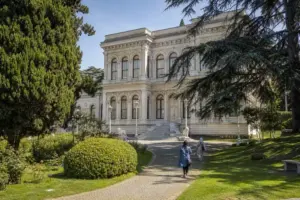 Yıldız Palace – about 10.4 km away · typical visit: 2–3 hours13 min on foot from Yıldız metro, Open 09:00–17:00, closed Mon
Main image: AI-generated illustration. It may not show the place exactly as it looks.
 Göztepe Park – about 5.9 km away · typical visit: 1–2 hoursOpen 24 hours
Main image: AI-generated illustration. It may not show the place exactly as it looks.
 Istanbul Sapphire Tower – about 13.6 km away · typical visit: 1.5–2 hours2 min on foot from 4. Levent metro, Open daily 10:00–22:00
Main image: AI-generated illustration. It may not show the place exactly as it looks.
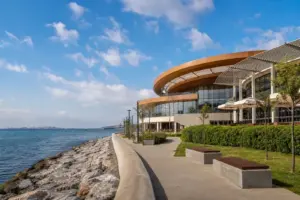 Bostanci Entertainment Center – about 4.6 km away · typical visit: About 3 hours for a show, longer with dinner nearby15 min on foot from Bostancı metro
Main image: AI-generated illustration. It may not show the place exactly as it looks.
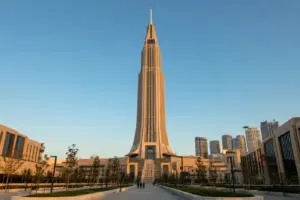 CBRT Towerabout 850 m away (~14 min walk) · typical visit: 30 minutes (exterior view only)
Main image: AI-generated illustration. It may not show the place exactly as it looks.
Related guides
 Necip Fazıl Metro Station: Transport Hub on Istanbul’s M5 Line
Main image: AI-generated illustration. It may not show the place exactly as it looks.
 Çarşı Metro Station: M5 Transit Hub in ÜmraniyeOpen daily 06:00–00:00
Main image: AI-generated illustration. It may not show the place exactly as it looks.
 Vakıf Katılım: Interest-Free Banking in Istanbul
Main image: AI-generated illustration. It may not show the place exactly as it looks.
 Ziraat Katılım: Participation Banking Services in Istanbul
Main image: AI-generated illustration. It may not show the place exactly as it looks.
 Türkiye Finans: Islamic Banking and Services in Istanbul
Main image: AI-generated illustration. It may not show the place exactly as it looks.
Browse more: More in Ümraniye · All Parks · All Sightseeing
FAQ: Nezahat Gökyiğit Botanical Garden
Is entry really free?
Yes, admission to Nezahat Gökyiğit Botanical Garden is completely free. No ticket is required. Parking is also free. The only paid service is the on-site café where drinks and food are available.
Can I take my family with young children?
Yes, the garden is very family-friendly. There is a dedicated Children's Garden with a sand pool, playground and learning activities. Picnic areas are scattered throughout. Paths are accessible for strollers, though some natural areas are uneven. Spring and autumn offer the most comfortable weather.
How do I get there without a car?
Take a direct bus to either entrance. For Ümraniye entrance, use buses 13, 13M, 13Y, 14BK or 20D to the 'Botanik Bahçe' stop. For Ataşehir entrance, use buses 13, 14ŞB, 19M, 16M or 256 to 'Ataşehir' stop. No metro station is within practical walking distance.
What is the best time of year to visit?
Spring (April–May) showcases spectacular tulip and bulb displays. Autumn (September–October) offers pleasant weather and warm foliage. Summer is greenest but busiest and hottest. Winter is quiet but days are short. Weekdays are quieter than weekends.
What makes this garden different from others?
It is the world's first and only botanical garden built within a motorway intersection. The eight islands are connected by underground tunnels and bridges, creating a unique design that preserves nature within major infrastructure. It specialises in Turkish plant species and holds one of Turkey's largest collections of endemic and endangered plants.
Is photography allowed?
Yes, personal photography is welcome for non-commercial use. Tripods are permitted. No special permits are needed for casual photography. Commercial filming or drones require prior written permission from the garden.
How long should I spend there?
A quick visit takes 1–2 hours focusing on main zones. A thorough visit takes 2–3 hours exploring most of the garden. A full day allows deep exploration of all eight islands, wildlife observation and leisurely picnicking. Allow longer in spring and autumn when displays are at their best.
Is the garden open in winter?
Yes, the garden is open year-round except Mondays (when it is closed for maintenance). Winter hours are shorter: it closes at 17:00 (with last entry at 16:00) from November to March. Spring and autumn offer longer daylight hours and more to see.
Istanbul Vibes is a one-person project. A coffee keeps it going
Hotels near Nezahat Gökyiğit Botanical Garden
- Radisson Blu Hotel Istanbul Asia (650 m) Check prices (affiliate link, opens in a new tab)
Affiliate link (opens the booking site): we may earn a commission at no extra cost to you.
Restaurants near Nezahat Gökyiğit Botanical Garden
Distances are straight-line, from OpenStreetMap data.

Take this guide with you
Get a free PDF of this guide to print or read offline: key facts, tips and a map link on a few clean pages.
Report an issue on this page
How we research and update our guides
About this guide: AI assistance and accuracy
This guide is created with the help of AI and is based on official sources where available. Mistakes can still happen. Opening hours, prices, rules and other details are given to the best of our knowledge as of the date shown and can change without notice. It offers general recommendations only, not professional, legal or travel advice. Please confirm important details with the official source before you travel; you are responsible for your own plans and decisions.
* Affiliate link: as an Amazon Associate we earn from qualifying purchases at no extra cost to you.
