

Winter holidays in Istanbul—from mid-December through early January—offer a unique seasonal experience unlike Christmas celebrations elsewhere. Turkey is predominantly Muslim, so December 25 is a working day. Instead, the festive energy centers on Yılbaşı (New Year), with Christmas trees, decorations, and gift-giving rituals reframed for January 1st.
Istanbul’s multicultural identity means the season blends East and West: international hotels and restaurants host festive events, Christian churches hold services, and decorations light up shopping streets and malls. The city operates normally on Christmas Day, keeping museums, bazaars, and restaurants open—a practical advantage for visitors exploring without navigating holiday closures.
Quick Facts
| Type | Seasonal event |
|---|---|
| When | Every year from December to early January |
| Typical duration | 6–8 weeks |
| Public holiday | No, an observance (regular working day) |
| Best time to visit | Early to mid-December offers festive atmosphere with fewer crowds than late December. Early January sees minimal tourist presence and is ideal for unhurried sightseeing. Mid-December through December 30 balances holiday activities with manageable crowds. Avoid December 31 and the final week before it if you prefer calm; these periods are extremely crowded, especially for New Year celebrations and restaurant reservations. Mornings are consistently quieter than afternoons and evenings throughout the season. |
Dates, programs and prices change from year to year. Always check the official website for the current edition.
Tickets and Booking for Winter holidays in Istanbul
Winter holidays in Istanbul do not require advance bookings for general entry—the season is about experiencing the city’s atmosphere and optional festive activities. However, specific experiences benefit from planning.
Christmas markets operate during set dates (typically mid-December through December 25), and entry to these outdoor markets is free. Ice rinks at shopping centers charge modest skating fees, but window shopping and browsing are free. Churches holding Christmas services do not charge admission; services are open to respectful visitors (arrive early for seating).
Hotels, restaurants, and tour operators offering holiday parties, festive dinners, or special New Year’s Eve events require advance reservations and charge accordingly. Bosphorus cruises marketed for the holiday season need booking in advance. Check the official websites of individual attractions, hotels, and tour operators for their specific holiday-season programs and any special hours or pricing, as details vary by year and venue. Major sites like Hagia Sophia and Topkapi Palace operate on regular schedules and do not offer special holiday pricing.
Why Visit Winter holidays in Istanbul?
Winter holidays offer quieter sightseeing than summer months while the city maintains a festive atmosphere. Christmas markets operate from mid-December, ice rinks appear in shopping centers, and Istiklal Avenue glows with lights and holiday decorations. Churches throughout the city—particularly the Cathedral of the Holy Spirit and St. George’s Cathedral—hold meaningful Christmas and New Year services.
You can experience both cultural heritage and seasonal cheer: visit the Basilica Cistern or Hagia Sophia without major queues, attend a Christmas concert or mass, cruise the Bosphorus during the season, and dine at hotel restaurants offering special festive menus. Families appreciate ice skating, while photography enthusiasts capture beautifully lit streets and squares.
What to Expect at Winter holidays in Istanbul
New Year dominates the winter holiday season in Istanbul. Homes display Christmas trees (yılbaşı ağacı), though gifts are traditionally given on New Year’s Eve and Day rather than Christmas morning. Families gather for meals featuring roast turkey or other festive dishes, and Santa—Noel Baba—features prominently in decorations and children’s celebrations.
Christmas markets run from mid-December, with vendors selling crafts, seasonal foods, and gifts. Ice rinks open in shopping centers like Uniq Istanbul, often accompanied by Christmas music and lights. Hotels and restaurants—especially those catering to international guests—host Christmas parties and special menus. On Christmas Eve, Catholic churches hold midnight masses, while the Orthodox community observes Christmas on January 7th according to the Julian calendar.
New Year’s Eve (December 31) sees significant gatherings, particularly in upscale hotels, restaurants, and public squares. The atmosphere is energetic but crowded, with fireworks and celebrations lasting into the early hours.
Highlights of Winter holidays in Istanbul
Istanbul Christmas Market at Four Seasons
This market runs from mid-December through December 25, set in an upscale location near the Bosphorus. Visitors find multiple vendor stalls, live music performances, fairground rides, and an ice rink set against city and water views. It represents one of Istanbul's most organized holiday markets, catering to international visitors seeking a polished seasonal experience.
Tip: Arrive on weekday mornings or early afternoons to avoid crowds; evenings and weekends fill quickly, especially in the final week before Christmas.
Christmas Services at Cathedral of the Holy Spirit
Located on Cumhuriyet Avenue in Şişli, this Baroque-style Catholic church is Istanbul's second-largest and holds Christmas carol concerts on Christmas Eve. Services run in multiple languages, making them accessible to international visitors. The cathedral's interior offers beautiful acoustics for traditional Christmas music.
Tip: Arrive early on Christmas Eve; seating fills quickly for carol concerts. Dress formally or modestly as a sign of respect.
Zorlu Center New Year Village
This luxury shopping center hosts a multi-week New Year celebration running from mid-November through December 31. The festive setup includes holiday markets, decoration displays, and entertainment areas. The venue combines high-end shopping with seasonal atmosphere, reflecting Istanbul's modern holiday culture.
Tip: Visit after dark to see the full effect of holiday lighting; daytime visits work better if you want to shop without evening crowds.
Christmas Eve on the Bosphorus
Private tour boats and cruise operators offer special sunset or evening cruises on Christmas Eve, allowing visitors to experience the city's illuminated skyline during the festive season. The Bosphorus strait provides views of both European and Asian Istanbul, with waterfront neighborhoods decorated for the holidays.
Tip: Book these cruises well in advance, as they fill quickly during the holiday period. Bring a warm layer, as December evenings on the water are cool.
Istiklal Avenue Holiday Decorations
The city's main pedestrian shopping street in Beyoğlu becomes a focal point for holiday atmosphere from December onwards, with festive lights, wreaths, and displays adorning storefronts and restaurants. Churches nearby—including St. Anthony of Padua and Maria Draperis—hold Christmas services. The avenue transforms into a lively winter shopping and dining destination.
Tip: Walk Istiklal in early evening to see both daylight details and nighttime lighting effects. Avoid late nights if you're concerned about crowding.
Orthodox Christmas Celebration at St. George's Cathedral
The Fener Greek Orthodox Patriarchate, headquartered at the Patriarchal Cathedral of St. George in Balat, observes Christmas on January 6–7 according to the Orthodox calendar. This celebration includes unique rituals and services reflecting centuries of Christian tradition in Istanbul. The cathedral itself is architecturally and historically significant.
Tip: Services are held in Greek and Turkish; respectful observation from visitors is welcome. The neighborhood of Balat around the cathedral is historically rich and worth exploring.
Winter Sightseeing with Shorter Queues
December and January see significantly fewer international tourists than summer months, making this an ideal time to visit major sites like the Basilica Cistern, Hagia Sophia, Topkapi Palace, and the Blue Mosque. Winter light is softer and often clearer, particularly for photography. Museums, bazaars, and restaurants remain open throughout the season.
Tip: Mornings after 10:00 AM are typically quieter than afternoon hours; early January sees even fewer visitors than late December.
Ice Skating at Uniq Istanbul
This shopping and entertainment center features an ice rink operational throughout winter, enhanced during the Christmas season with holiday music and lighting. The venue combines shopping, dining, and seasonal entertainment, making it suitable for families and groups.
Tip: Rental skates are available on-site; weekday mornings offer the most space and comfort for skating.
What It Means for Your Visit
Winter holidays have manageable effects on Istanbul’s daily operations. Christmas Day (December 25) is not a public holiday, so transport runs normally, shops and restaurants stay open, and museums remain accessible. This differs sharply from many Western cities where Christmas brings closures and travel disruptions.
New Year’s Day (January 1) is a public holiday in Turkey; some government offices and smaller businesses may close, but major attractions, hotels, and transport continue operating. Roads can be congested on New Year’s Eve as residents and visitors head to celebrations, but downtown areas and public transport function normally.
Hotels, restaurants, and shopping centers are noticeably busier from mid-December through New Year’s Eve than they are in early December or mid-January. If you prefer fewer crowds at major sights, visiting early or late in the winter season offers advantages. Christmas markets run from mid-December, so later arrivals in the season won’t access full market operations. The final week before New Year’s is the busiest period for celebrations and dining reservations.
Atmosphere
The winter holiday atmosphere in Istanbul is cosmopolitan and layered rather than uniformly festive. On Christmas Day, the city functions normally—locals head to work and shops, buses run on schedule—yet holiday decorations adorn shopping streets, malls, and upscale neighborhoods. The feeling is more one of seasonal tourism and international celebration than citywide tradition.
December evenings glow with strings of lights on Istiklal Avenue and around major hotels. Christmas markets are animated with vendor calls, live music, and families browsing stalls. Shopping malls fill with both gift buyers and those seeking indoor warmth. The atmosphere intensifies as New Year approaches: restaurants fill, hotels display elaborate decorations, and crowds gather for countdown celebrations on December 31st.
Weekday mornings in early December feel calm and ordinary, while late December becomes increasingly crowded and festive, particularly in commercial zones. The mood is international and modern rather than religious or traditionally Turkish. Early January returns to quiet, with decorations still visible but most visitors having departed.
History of Winter holidays in Istanbul
Istanbul’s relationship with winter holidays reflects its complex history as a city that was once Christendom’s capital. For nearly a thousand years, as Constantinople, it was the center of the Byzantine Empire and the seat of Orthodox Christianity. Churches, monasteries, and religious observances shaped the winter season for centuries.
After the 1453 Ottoman conquest, Istanbul became predominantly Muslim. Christmas ceased to be a public or citywide celebration, though Christian communities—Greek Orthodox, Armenian, Catholic, and others—maintained their traditions in surviving churches and homes. For Turkish Muslims, winter celebration shifted entirely to secular New Year (Yılbaşı), which became the major winter observance.
In the 20th century, particularly after World War II and Istanbul’s development as an international tourism destination, Western Christmas symbols and celebrations became increasingly visible in the city’s hotels, shopping districts, and expatriate communities. This was not a return to religious observance but rather a commercial and tourist-oriented adoption of holiday aesthetics.
Today’s winter holiday season in Istanbul reflects this layering: New Year (Yılbaşı) remains the official national observance and public holiday on January 1st, while Christmas exists as a cultural and commercial phenomenon driven by tourism, international residents, and the Christian minority communities who maintain historic churches and traditions. The city’s winter decorations, markets, and parties serve both visitors seeking a familiar holiday atmosphere and local consumers engaging with a globalized seasonal culture.
How to Get to Winter holidays in Istanbul
Winter holidays take place throughout Istanbul, so getting there depends on which specific activities you’re pursuing. Most holiday markets, Christmas services, and festive dining are concentrated in central areas.
For Istiklal Avenue and Beyoğlu celebrations: Metro line M2 (red line) to Taksim station. From the exit, walk south on Istiklal Avenue; holiday decorations and markets are immediately visible.
For Four Seasons Christmas Market: Located near the Bosphorus in upscale neighborhoods. Metro or taxi to the specific venue; check current address with the hotel website.
For Cathedral of the Holy Spirit (Şişli): Metro line M2 to Şişli station; walk to Cumhuriyet Avenue.
For major sightseeing (Hagia Sophia, Blue Mosque, Basilica Cistern): Metro line M1 or M2 to Sultanahmet station; a 5–10 minute walk reaches these sites.
For Uniq Istanbul ice rink: Located in a shopping center accessible by metro or taxi; check current location details on the venue website.
Accessibility
Major metro stations serving holiday attractions (Taksim, Sultanahmet, Şişli) have lifts and accessible entrances. Christmas markets at shopping centers are fully wheelchair accessible. Hagia Sophia, Topkapi Palace, and the Basilica Cistern have accessibility facilities, though some areas involve stairs and uneven surfaces; check individual site websites for current accessibility details. Churches hosting Christmas services vary in accessibility; St. Anthony of Padua on Istiklal has step access, while other venues may differ. Restaurants and hotels in upscale areas (where many holiday celebrations occur) typically offer wheelchair access. Accessible transport includes wheelchair-accessible taxis and the metro system. Call individual venues ahead to confirm specific accessibility for your needs.
Food Nearby
Istiklal Avenue and Beyoğlu neighborhoods have abundant cafes and restaurants, many offering festive menus during the season. The area features Turkish, international, and fusion cuisines. Shopping centers hosting Christmas markets (Four Seasons area, Zorlu Center, Uniq Istanbul) have multiple dining options ranging from casual to upscale. Near Sultanahmet sightseeing areas, restaurants serve traditional Ottoman and Turkish dishes; many offer festive options during December and January. Warm Turkish coffee, salep (a hot milk-based drink), and seasonal pastries are available from street vendors and cafes throughout the city during winter.
What to Bring
Warm layers are essential; Istanbul's winter temperatures range from 5–12°C (40–50°F), with occasional rain or cold winds from the Bosphorus. Waterproof jacket, scarf, gloves, and warm socks make outdoor market browsing and sightseeing comfortable. Comfortable walking shoes with good grip help on potentially wet streets. A camera or phone with good low-light capabilities captures festive street lighting effectively. Sunscreen and sunglasses are surprisingly useful; winter light reflecting off water can be intense. For skating or ice-related activities, wear appropriate athletic clothing and bring hand warmers. Carry bags are typically checked at major attractions; keep valuables secure in front pockets or small crossbody bags.
Best Views and Photo Spots of Winter holidays in Istanbul
Istiklal Avenue at night
Festive lights strung across the pedestrian street, storefront windows decorated for the season, and crowds of holiday shoppers create a warm, atmospheric nighttime scene. The avenue's architecture blends Ottoman and modern buildings, all glowing under seasonal lighting.
Best time: Early evening (5:00–7:00 PM) captures both remaining daylight and emerging lights; late evening (8:00 PM onward) shows full lighting effects but crowding increases.
Galata Bridge at sunset
The bridge spans the Golden Horn with Old City minarets visible beyond. Winter light is clearer than summer, and if decorations extend to waterfront areas, the bridge and water create reflective, picturesque compositions.
Best time: Sunset hours (around 4:30–5:00 PM in December–January); early afternoon light is crisp but less dramatic.
Four Seasons Christmas Market area
An organized festive setting with vendor stalls, decorated areas, and the Bosphorus as backdrop. The market combines holiday aesthetic with urban waterfront views, offering colorful and lively compositions.
Best time: Late afternoon into early evening (4:00–6:00 PM) balances natural light and emerging festive lighting. Avoid midday (harsh shadows) and very late evening (excessive crowds).
Cathedral of the Holy Spirit exterior (Şişli)
The Baroque-style church building stands out architecturally; if decorated for Christmas, holiday lighting enhances the structure. Cumhuriyet Avenue provides a street-level perspective showing the building amid modern urban context.
Best time: Early evening captures both architectural detail and any seasonal lighting. Daylight hours (10:00 AM–3:00 PM) show architectural features clearly.
Sultanahmet Square with Blue Mosque and holiday decorations
If the square or nearby buildings display seasonal decorations, the combination of Ottoman architecture (Blue Mosque, Hagia Sophia) with modern holiday elements creates a layered, culturally rich composition.
Best time: Early morning (7:00–9:00 AM) before crowds and for soft golden light. Late afternoon (3:00–4:30 PM) also works well.
Uniq Istanbul ice rink with city backdrop
The rink's festive setting with holiday lighting, ice skaters in motion, and surrounding commercial architecture creates dynamic, lively scenes. The rink's evening illumination is particularly striking.
Best time: Evening hours (6:00–8:00 PM) show full lighting effects and skater activity. Midday (11:00 AM–1:00 PM) captures more natural light but less festive intensity.
Photography Rules
Photography is generally permitted at outdoor markets, streets, and public spaces. Most churches allow photography during services only with permission; ask staff before taking photos inside. Major sights (Hagia Sophia, Basilica Cistern) permit standard photography without flash; check individual venue rules. Tripods and drones are restricted at most attractions and public areas; check specific venue policies. Flash photography damages interior decoration and creates glare; avoid indoors.
Family Suitability
Winter holidays are moderately family-friendly. Ice skating at Uniq Istanbul and other venues appeals to children and is accessible for families with young kids. Christmas markets offer entertainment (fairground rides, live music) and shopping suitable for families. However, crowding intensifies in late December, particularly on weekends and New Year's Eve, making navigation with strollers challenging. Early December and early January are calmer periods. Major sightseeing (Hagia Sophia, Basilica Cistern, Blue Mosque) remains fully accessible; museums and attractions operate normal hours and welcome families. Christmas services are quiet activities suitable for older children and families seeking cultural experiences. Stroller use is practical but challenging during peak market times. The season offers good opportunities for outdoor exploration—weather is cool but manageable for active families.
Istanbul Vibes Tips
- Book hotels and restaurants with holiday menus or special celebrations at least two weeks in advance if you want guaranteed seating for Christmas Eve, Christmas Day, or New Year's Eve. Last-minute availability shrinks rapidly in late December.
- Visit Christmas markets on weekday mornings or early afternoons. Late afternoons and weekends (particularly December 24 and 25) fill with visitors. Avoid the final few days before Christmas and New Year's Eve for enjoyable browsing.
- December 25 is a normal working day in Turkey, not a holiday. This is an advantage: major sights have minimal queues compared to Western countries where Christmas brings closures. Plan your key sightseeing for December 24–26 to benefit from this.
- If attending Christmas services, arrive 30–45 minutes early, especially on Christmas Eve. Popular churches (Cathedral of the Holy Spirit, St. Anthony of Padua) fill to capacity. Dress respectfully; formal or conservative clothing is appropriate.
- Dress warmly in layers. Istanbul's winter is cool and damp, with temperatures typically 5–12°C. Wind off the Bosphorus can make waterfront areas feel colder. Outdoor market browsing and sightseeing are more enjoyable with a good jacket, scarf, and gloves.
- Avoid venturing into crowded New Year's Eve celebrations on December 31 if you're uncomfortable in large, energetic crowds. The city's main celebration hubs—particularly upscale hotels and Taksim Square—become extremely packed from 10:00 PM onward. Early January offers better access to the same attractions with no crowds.
Explore Nearby Winter holidays in Istanbul
Sights near Winter holidays in Istanbul
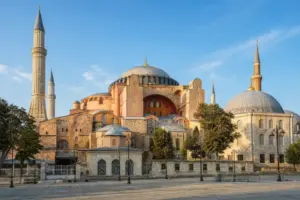 Hagia Sophia · typical visit: 1–1.5 hours8 min on foot from Gülhane metro, Open daily 09:00–19:30
Main image: AI-generated illustration. It may not show the place exactly as it looks.
 Blue Mosque · typical visit: 45–75 minutes3 min on foot from Gülhane metro
Main image: AI-generated illustration. It may not show the place exactly as it looks.
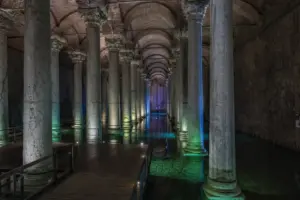 Basilica Cistern · typical visit: 1 hour4 min on foot from Gülhane metro, Open daily 09:00–18:30
Main image: AI-generated illustration. It may not show the place exactly as it looks.
 Topkapi Palace · typical visit: 3–4 hours without Harem; 4–5 hours with Harem15 min on foot from Gülhane metro, Open 09:00–18:30, closed Tue
Main image: AI-generated illustration. It may not show the place exactly as it looks.
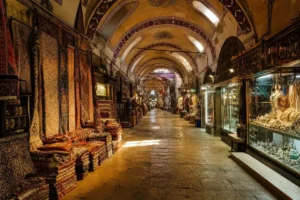 Grand Bazaar · typical visit: 2–4 hours4 min on foot from Beyazıt-Kapalıçarşı metro, Open 08:30–19:00, closed Sun
Main image: AI-generated illustration. It may not show the place exactly as it looks.
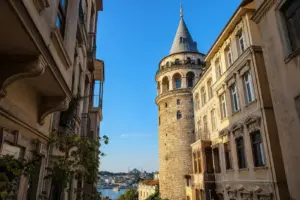 Galata Tower · typical visit: 1–2 hours4 min on foot from Şişhane metro, Open daily 08:30–23:00
Main image: AI-generated illustration. It may not show the place exactly as it looks.
Browse more: All Events & Holidays · All Season
FAQ: Winter holidays in Istanbul
Is Christmas Day (December 25) a public holiday in Turkey?
No. December 25 is a normal working day in Turkey. Shops, museums, restaurants, and public transport operate on regular schedules. This is actually an advantage for tourists, as major attractions have minimal queues. New Year's Day (January 1) is the official public holiday.
What is Yılbaşı, and how is it different from Christmas?
Yılbaşı (New Year) is the main winter celebration in Turkey, not Christmas. Decorations, Christmas trees, and gift-giving are oriented toward January 1st rather than December 25th. Families gather, special meals are prepared, and Santa (Noel Baba) is associated with New Year's Eve and Day, not Christmas morning.
Can I attend Christmas services in Istanbul if I'm not Christian?
Yes. Churches throughout Istanbul hold Christmas services open to respectful visitors, including tourists of any faith. Arrive early for seating, dress conservatively, and observe silently. Services are held in Turkish, English, Greek, and other languages depending on the church.
Are there Christmas markets in Istanbul?
Yes. The main Christmas market operates outside the Four Seasons Hotel from mid-December through December 25, featuring vendors, live music, fairground rides, and an ice rink. Zorlu Center also hosts a New Year Village celebration running from mid-November through December 31. Istiklal Avenue has seasonal shopping and decorations.
What should I wear in Istanbul during winter?
Temperatures range from 5–12°C (40–50°F). Wear warm layers including a waterproof jacket, scarf, gloves, and warm socks. Wind off the Bosphorus makes it feel colder, especially on waterfront areas or during evening cruises. Comfortable walking shoes with grip help on potentially wet streets.
How crowded is Istanbul on December 25?
December 25 is quieter than summer but busier than a typical December weekday. Since it's not a public holiday in Turkey, normal crowds and activities continue. The city is still notably less crowded than in July or August, and attractions have manageable queues.
Is New Year's Eve in Istanbul worth visiting?
Yes, if you enjoy crowds and celebrations. December 31 is lively, with festive dinners, fireworks, and gatherings in hotels and public spaces. However, it's extremely crowded, especially after 10:00 PM. If you prefer calm sightseeing, visit December 24–30 or early January instead.
Can I visit Hagia Sophia, the Blue Mosque, and other major sites during winter holidays?
Yes. Major attractions operate on regular hours throughout the winter season with no holiday closures. December and early January see fewer international tourists, making this an ideal time for sightseeing without summer-level crowds.
Istanbul Vibes is a one-person project. A coffee keeps it going

Take this guide with you
Get a free PDF of this guide to print or read offline: key facts, tips and a map link on a few clean pages.
Report an issue on this page
How we research and update our guides
About this guide: AI assistance and accuracy
This guide is created with the help of AI and is based on official sources where available. Mistakes can still happen. Opening hours, prices, rules and other details are given to the best of our knowledge as of the date shown and can change without notice. It offers general recommendations only, not professional, legal or travel advice. Please confirm important details with the official source before you travel; you are responsible for your own plans and decisions.
* Affiliate link: as an Amazon Associate we earn from qualifying purchases at no extra cost to you.
