
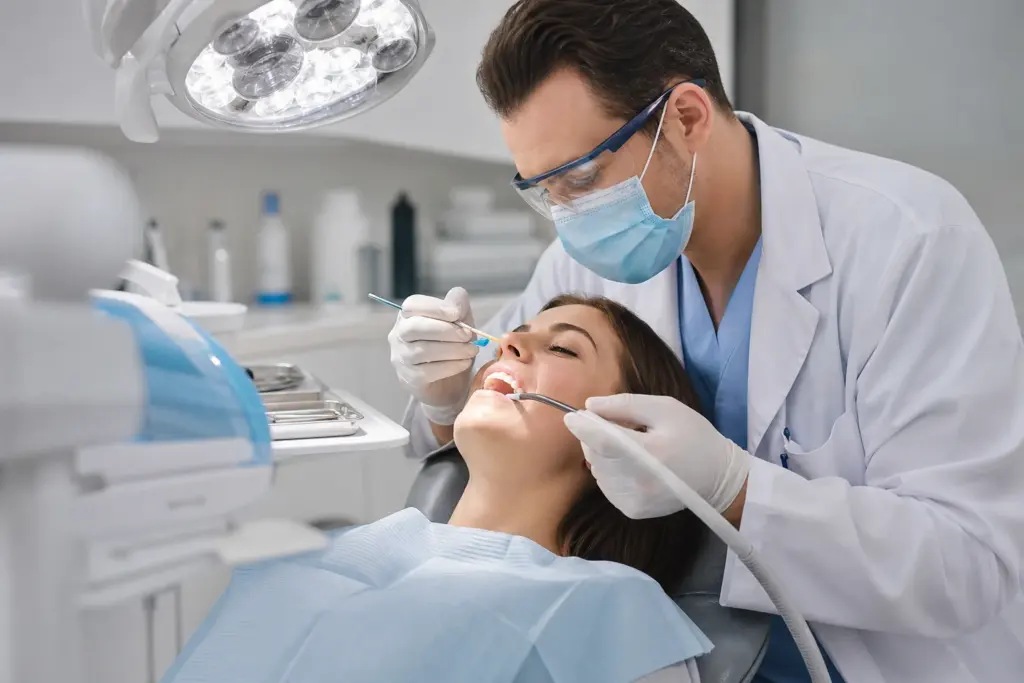
Information only. This article explains what a treatment is and how it is usually carried out. It is not medical advice, not an offer and not a recommendation to have any procedure. Whether it suits you can only be decided by a licensed doctor after an examination.
Dental bonding is a cosmetic and restorative procedure for visitors considering dental work in Istanbul. If you want to repair a chipped tooth, close small gaps, cover stains, or reshape teeth, dental bonding in Istanbul may be an option to explore before deciding on treatment.
This article explains what the procedure involves, how long it typically takes, what to expect during recovery, potential risks, and questions to ask a licensed dentist in your home country before pursuing any treatment abroad.
Quick answer: Dental bonding applies tooth-colored composite resin directly to the tooth surface. The dentist shapes and hardens the material with light, then polishes it to match your natural teeth. The procedure typically takes 30–60 minutes per tooth and can usually be completed in one visit, with no hospital stay required.
At a Glance
| Total time | 30–60 minutes per tooth; typically completed in one visit. No hospital stay or significant recovery period. |
|---|---|
| Typical cost | ₺₺ |
What You Need Before You Start
- Consultation with a licensed dentist to confirm bonding is suitable for your teeth and gums
- Healthy gums; existing gum disease or severe tooth decay must be treated first
- X-rays and tooth examination beforehand
- Realistic expectations about durability (results vary with lifestyle and oral care)
- Follow-up care plan arranged in your home country before traveling
Compare Your Options
| Option | Duration | Price | Notes |
|---|---|---|---|
| Direct composite bonding (standard) | 30–60 minutes per tooth | Tooth-colored resin applied and hardened directly on the tooth. Minimally invasive, little to no enamel removal. Completed in one visit. Typical uses include repairing chips, closing small gaps, covering discoloration, and reshaping teeth. | |
| Bonding with prior whitening | Two appointments; whitening first, bonding 1–2 weeks later | Professional teeth whitening done before bonding ensures the resin matches your desired shade. Recommended if you want a brighter smile, since the composite resin cannot be bleached later. | |
| Porcelain veneers (alternative) | Two appointments; lasts longer than bonding | A more durable alternative to composite bonding. Veneers require more tooth preparation and are typically more expensive, but last longer (10+ years vs. 3–10 years for bonding). Discuss with your dentist which is better for your situation. | |
| Dental crowns (for severe damage) | Two appointments | Used when damage is extensive or bonding is not suitable. A crown covers the entire tooth. More invasive than bonding; used when the tooth structure is compromised. |
₺ budget · ₺₺ moderate · ₺₺₺ upscale · ₺₺₺₺ splurge. Price levels are estimates compared with typical prices for visitors.
Step-by-Step Instructions
Step 1: Consultation and tooth assessment
Your dentist examines the tooth, reviews your bite, and confirms whether bonding suits your situation. X-rays and a full tooth and gum exam are performed. The dentist discusses the desired outcome and checks that no underlying decay, infection, or gum disease needs treatment first. If you have severe gum disease or tooth decay, those issues must be addressed before bonding.
Tip: Bring photos of teeth you admire so the dentist understands your aesthetic goals.
Step 2: Shade selection and tooth preparation
The dentist selects a composite resin shade that matches your natural tooth, including translucency for a realistic appearance. The tooth surface is gently roughened using a conditioning tool to create microscopic texture. A liquid adhesive (bonding agent) is then applied to help the resin stick securely to the enamel.
Tip: Some patients prefer professional teeth whitening before bonding because the resin cannot be bleached later.
Step 3: Resin application and sculpting
Tooth-colored composite resin is applied in thin layers directly to the tooth. The dentist carefully sculpts and molds it to repair the chip, close a gap, or reshape the tooth to match your natural teeth. Each layer is checked for proper fit and blending before the next layer is applied.
Tip: The entire process is usually done without anesthetic, though topical numbing is available if you prefer.
Step 4: Curing (hardening with light)
A special ultraviolet or LED curing light is used to harden the resin. Each layer is hardened individually, allowing the dentist to control the final shape and ensure the material bonds securely to the tooth. This step takes only a few minutes.
Tip: The bonding begins to chemically and mechanically attach to the enamel during this step.
Step 5: Shaping, contouring and polishing
Once the resin is fully hardened, the dentist uses dental instruments to refine and contour the bonded tooth. The surface is shaped to blend naturally with your other teeth and to feel balanced when you bite. The tooth is then polished to an enamel-like finish, which improves appearance and reduces the risk of surface staining.
Tip: Tell your dentist immediately if the bite feels uneven or uncomfortable; adjustments are easy at this stage.
Step 6: Final check and bite adjustment
The dentist reviews the result, checks your bite alignment, and makes any final adjustments needed. The tooth is checked from multiple angles to ensure it looks natural and integrates well with your smile. You are cleared to leave once everything looks and feels correct.
Tip: Ask your dentist for care instructions and a written treatment plan before you leave.
Common Mistakes to Avoid
- Expecting bonding to last for ever. Composite resin is less durable than natural enamel and may chip, wear or stain over time. Bonding often lasts several years to around a decade depending on habits and oral care.
- Not asking about follow-up care at home. Bonding needs ongoing maintenance, such as avoiding hard foods, not using teeth as tools and regular cleanings. A dentist at home who can provide follow-up care is worth arranging before travelling.
- Overlooking existing gum disease or decay. If gums are unhealthy or cavities are untreated, bonding is unlikely to succeed, and these conditions are usually treated first.
- Consuming staining substances right after bonding. Newly set resin can stain easily in the first days, so dentists usually advise avoiding coffee, tea, red wine, tobacco and dark foods for about 48 hours.
- Not understanding that bonding is a cosmetic, less durable option. If a tooth is structurally weak or heavily decayed, a crown or other restoration may be more suitable, which a dentist decides after an examination.
Tickets, Payment and Booking
Many dental clinics in Istanbul offer bonding and accept international patients. Payment methods vary by clinic; some accept credit cards, others require cash or bank transfer. Foreign visitors should confirm payment options directly with the clinic before booking.
Before choosing a clinic, verify that the dentist is licensed and registered with the Turkish health authority. Ask for a written treatment plan, pricing breakdown, and confirmation that follow-up care instructions and any necessary contact information will be provided. Avoid booking through third-party resellers; contact clinics directly through their official websites or verified phone numbers.
Good to know
- Hard, sticky or very hot foods are usually avoided for the first 24 hours after bonding. The resin is set during the procedure, but a short period of minimal stress is commonly advised.
- Smoking and dark drinks are usually avoided for about 48 hours after bonding. The composite is porous at first and stains easily; after a few days it is more resistant.
- A soft toothbrush and non-abrasive toothpaste are usually advised, as aggressive brushing can scratch the bonded surface over time.
- Regular cleanings, typically twice a year, help maintain bonding and detect early wear. Plaque around bonded teeth can weaken the bond.
- If the bonding cracks or chips, contacting the dentist promptly is usual, since small repairs can often be done quickly and delay can allow larger problems.
- A list of medications, especially blood-thinning drugs or drugs affecting wound healing, is usually shared at the first consultation, as it can affect anaesthetic choice and healing.
Explore Nearby Dental Bonding
Sights near Dental Bonding
 Galata Tower · typical visit: 1–2 hours4 min on foot from Şişhane metro, Open daily 08:30–23:00
Main image: AI-generated illustration. It may not show the place exactly as it looks.
 Galata Bridge · typical visit: 30 minutes to 1 hour10 min on foot from Haliç metro, Open 24 hours
Main image: AI-generated illustration. It may not show the place exactly as it looks.
 Spice Bazaar · typical visit: 1–2 hours13 min on foot from Haliç metro, Open daily 08:00–19:30
Main image: AI-generated illustration. It may not show the place exactly as it looks.
 Topkapi Palace · typical visit: 3–4 hours without Harem; 4–5 hours with Harem15 min on foot from Gülhane metro, Open 09:00–18:30, closed Tue
Main image: AI-generated illustration. It may not show the place exactly as it looks.
Browse more: All Other · All Treatments
FAQ
How long does dental bonding last?
Bonding typically lasts 3–10 years depending on your lifestyle, oral hygiene, and the specific tooth. Hard chewing habits, smoking, and frequent consumption of staining foods shorten the lifespan. Results vary from person to person.
Does dental bonding hurt?
Bonding is generally not painful. The procedure does not usually require anesthetic, though your dentist can apply a topical numbing agent if you prefer. If anesthetic is used, you may feel a brief pinch during injection.
Can I eat and drink normally after bonding?
You can eat soft foods immediately after bonding. Avoid very hard, sticky, or extremely hot foods for the first 24 hours. Avoid dark drinks and tobacco for at least 48 hours to prevent staining.
Can bonding be whitened if it stains?
No. Unlike natural teeth, composite resin cannot be bleached. If staining occurs, the bonded tooth can be cleaned professionally, but heavy stains may require replacing the bonding.
Is bonding reversible?
Bonding is largely reversible because little to no natural enamel is removed. The material can be polished off or replaced. However, some minimal tooth preparation is necessary, so discuss this with your dentist.
What is the difference between bonding and veneers?
Bonding uses composite resin applied directly to the tooth in one visit and lasts 3–10 years. Veneers are thin porcelain shells that require two visits, more tooth preparation, and last 10+ years. Bonding is less expensive and less invasive; veneers are more durable.
Can bonding be done if I have gum disease?
No. Gum disease must be treated first. Healthy gums are essential for successful bonding. Your dentist will examine your gums and advise if treatment is needed before proceeding.
Should I arrange follow-up care before traveling for bonding?
Yes. Before traveling abroad for any dental work, arrange a dentist at home who can provide follow-up care, address complications, and monitor your teeth. Ask your treating clinic for written care instructions and contact information.
Not legal advice. This is general information for visitors. Rules on visas, entry, registration, customs and similar matters change often and can depend on your nationality. Check the official source and, if in doubt, ask your embassy or a qualified adviser.
Before you decide anything
Risks and possible complications
- Loosening or loss of bonding material over time, especially if you bite hard objects or chew ice
- Tooth staining: the resin can discolor from coffee, tea, wine, tobacco, and other staining substances
- Chipping or wear of the bonded material with normal use
- Tooth sensitivity after the procedure (usually mild and temporary)
- Rare allergic reaction to bonding materials
- Rare tooth infection if underlying decay was not treated before bonding
- Anesthetic-related complications such as allergic reaction, though uncommon
- Repeated bonding can potentially damage enamel over time if done many times
Alternatives to talk about with a doctor
- Porcelain veneers: more durable but require more tooth preparation
- Dental crowns: for extensive damage or structural weakness
- Professional teeth whitening: for discoloration alone (no bonding needed)
- Orthodontic treatment: for gap closure (alternative to bonding)
- No treatment: accept the chip, gap, or discoloration
Questions to ask a licensed doctor
- Is bonding the right option for my specific concern, or would a crown or veneer be more suitable?
- How long do I need to avoid staining foods and drinks after bonding?
- What is the realistic lifespan of bonding given my lifestyle and habits?
- How should I care for the bonded tooth to maximize durability?
- What happens if the bonding chips or wears—can it be repaired or replaced?
- Are there any risks specific to my health conditions or medications?
- Can you provide a written treatment plan and aftercare instructions before I leave?
- Do you have a contact for follow-up care coordination with my dentist at home?
- This page is information. It is not medical advice and not a recommendation to have any treatment or to choose any clinic, doctor or country.
- Every medical procedure has risks, and results and healing differ from person to person. A licensed doctor who has examined you decides whether a treatment is suitable.
- Talk to a doctor in your home country before you decide, and plan follow-up care at home: problems can appear after you return.
- Check that the clinic and the doctor are licensed in the official register of the Türkiye Cumhuriyeti Sağlık Bakanlığı, and ask for a written treatment plan and a consent form you understand.
- After a procedure, get urgent medical help for severe pain, fever, heavy bleeding or breathing problems. In an emergency call the local emergency number.
Kontrendikasyonlar olabilir. Bir uzmana danışmak gerekir.

Take this guide with you
Get a free PDF of this guide to print or read offline: key facts, tips and a map link on a few clean pages.
Report an issue on this page
How we research and update our guides
About this page: AI assistance and accuracy
This page was prepared with the help of AI and checked by automatic rules. It is general information only, not medical advice and not a recommendation to have any treatment or to choose any clinic. Mistakes can still happen and details can change without notice. Please check important details with the official source and talk to a licensed doctor before you decide anything.
