
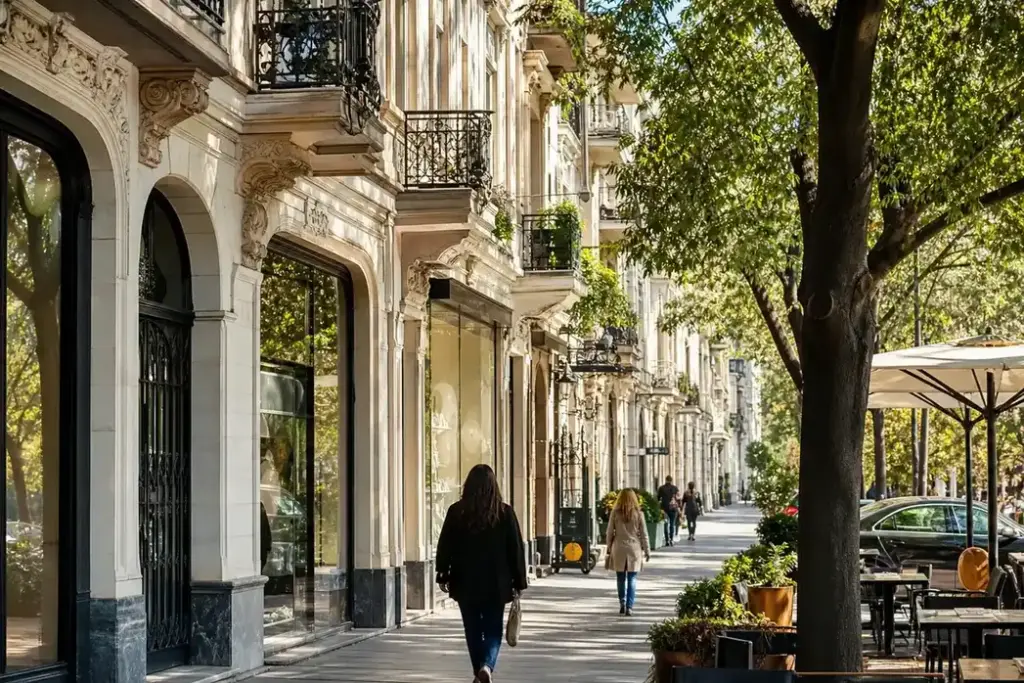
Nişantaşı is Istanbul’s most refined shopping and residential quarter, located in the Şişli district on the European side. Centered around Abdi İpekçi Street and anchored by the Teşvikiye neighborhood, this district embodies Ottoman elegance reinterpreted for the 21st century, offering a different Istanbul from the historical monuments of Sultanahmet.
The district comprises four interconnected neighborhoods—Teşvikiye (the heart), Maçka (to the south), Osmanbey (to the west), and Pangaltı—each with tree-lined streets, early 20th-century apartment blocks, and an abundance of designer boutiques, restaurants, and cafes. It is as much about the atmosphere of strolling through refined avenues as about shopping, drawing locals and international visitors who want to experience the city’s contemporary, cosmopolitan side.
Quick Facts
| Address | Teşvikiye, Şişli, Istanbul Google MapsApple MapsYandex Maps |
|---|---|
| District | Şişli |
| Metro | Osmanbey (M2, short walk to district center) |
| Best time to visit | Nişantaşı is pleasant year-round, but autumn (September–November) and spring (April–May) offer the most comfortable walking weather. Summers (June–August) are warm and humid; many locals vacation in July-August, so the district quiets slightly. Winter (December–February) is mild in Istanbul; occasional rain requires an umbrella but does not deter foot traffic.Visit mid-week (Tuesday–Thursday) for a quieter experience; weekends (especially Saturday) see locals and families shopping, creating a more social but busier atmosphere. Mornings (10:00–13:00) are good for shopping; afternoons (15:00–18:00) bring both school traffic and working professionals on coffee breaks, lending energy to cafes. Evenings (18:00–20:00) transform the streets with warm lighting and are ideal for strolling and dining.Avoid very early morning (before 10:00) when most boutiques are still opening, and late evening (after 21:00) when some streets become quieter. |
| Recommended duration | 2-4 hours |
What Is (and Isn't) Part of a Visit to Nişantaşı?
| Part | Status | Notes |
|---|---|---|
| Nişantaşı Quarter (Four neighborhoods: Teşvikiye, Maçka, Osmanbey, Pangaltı) | Included in the standard ticket | The entire open-air district is freely accessible; shopping streets, cafes, and architecture are part of the visit experience. |
| Maçka Park | Separate ticket or institution | Technically separate; located immediately south of Teşvikiye. See dedicated Maçka Park article for full details. |
| Teşvikiye Mosque | Included in the standard ticket | Active mosque on Teşvikiye square; exterior and courtyard viewable; entry respectful, same rules as any Ottoman mosque. |
| Macka Palas Building | Included in the standard ticket | Historic 1922 building; lobby and courtyard accessible as this is mixed-use (hotel, retail) public space. |
| City's Nisantasi Shopping Mall | Included in the standard ticket | Compact modern shopping mall on Teşvikiye Caddesi; free entry to browse, typical shopping mall facilities. |
| Iblamur Park (Ihlamur Pavilion) | Outside / not part of it | Historic Ottoman pavilion nearby to the south; separate destination with own entry fee and visiting hours. See dedicated article. |
| Harbiye Military Museum | Outside / not part of it | Separate institution west of the district; not part of Nişantaşı. See dedicated article if interested. |
Why Visit Nişantaşı?
Nişantaşı appeals to visitors seeking Istanbul beyond historical tourist sites. Its architecture tells the story of the 19th and early 20th centuries: fine Ottoman baroque and Art Nouveau buildings line streets that were deliberately designed with European urban planning in mind.
The district is a hub for Turkish fashion and design, with both international luxury brands and local designers establishing flagship stores here since the 1990s. The streetscape—wide avenues with elegant storefronts, leafy parks, and outdoor cafes—creates an atmosphere of unrushed cosmopolitan elegance. For those interested in contemporary Turkish culture, literature, and how Istanbul modernized, Nişantaşı provides authentic local texture that museum tickets cannot.
How Nişantaşı Is Laid Out
Nişantaşı spreads across four neighborhoods arranged roughly in a grid pattern. Teşvikiye, at the center, is the commercial and social heart; its main axis is Abdi İpekçi Street, Istanbul’s equivalent of a luxury shopping boulevard. This street runs north-south and is lined with flagship stores, cafes, and restaurants.
To the south lies Maçka, which descends toward Maçka Park (a separate destination with its own woodland character). Osmanbey extends west from Teşvikiye, separated by Vali Konağı Avenue and Rumeli Avenue; it remains more residential and quieter than the central neighborhoods. Pangaltı lies further west near the busy Halaskargazi Avenue corridor.
Most visitors enter from Osmanbey metro station (M2 line) and naturally walk uphill into Teşvikiye, discovering the district’s main streets on foot. The entire quarter is walkable and compact; a first visit of 2-3 hours can cover the key shopping streets and atmosphere, while 4 hours allows time for a cafe stop and exploration of side streets and residential passages.
Highlights of Nişantaşı
Abdi İpekçi Street: The Fashion Boulevard
The spine of Nişantaşı's shopping experience and Istanbul's answer to Paris's Rue Saint-Honoré or Milan's Via Montenapoleone. International luxury brands occupy ground-floor storefronts in buildings dating from the 1920s and 1930s, many designed in Art Nouveau or Ottoman baroque style. Walk the full length to see how early Republican Istanbul architecture frames contemporary retail.
Tip: Visit mid-morning or late afternoon to avoid crowds of local shoppers; stay into early evening when the streetlights come on to see the facades illuminated.
Teşvikiye Mosque: Ottoman Baroque Architecture
Built in 1854 by order of Sultan Abdülmecid, this mosque marks the spiritual and historical center of the neighborhood. Its dome and minaret represent early Ottoman baroque style, a stepping stone between classical Ottoman and European-influenced design. The mosque is still in active use and dominates the Teşvikiye square.
Tip: Observe from the exterior if not praying; the square around the mosque is a natural gathering point and offers a quiet contrast to shopping streets nearby.
Maçka Park: Wooded Refuge Below the Quarter
A large, tree-filled public park immediately south of Teşvikiye, Maçka Park offers walking trails, benches, and greenery within the urban fabric. It provides both respite from shopping and a vantage point looking back up toward the neighborhood's architecture. The park is separate from the shopping district but geographically integrated.
Tip: The southern edge of Maçka Park is closest to public transport; enter from the Nişantaşı side in the morning or late afternoon for cooler walking.
Art Nouveau Apartment Blocks: Streetscape History
Many of Nişantaşı's residential side streets—particularly around Vali Konağı and parallel avenues—preserve fine apartment buildings from the 1920s and 1930s, featuring ornate balconies, decorative stone work, and arched windows. These buildings embody the republican-era modernization that followed the fall of the Ottoman Empire, designed to reflect both European elegance and Turkish identity.
Tip: Wander Teşvikiye Caddesi (the main avenue), Vali Konağı Street, and the narrow passages between major streets to see residential architecture that commercial areas obscure.
Historic Macka Palas Building
Completed in 1922 and designed by renowned architect Giulio Mongeri for Munire Hanım (granddaughter of Sultan Abdülmecid), this landmark building housed embassies and luxury residences and now hosts the Park Hyatt Hotel and high-end boutiques including Emporio Armani and Gucci. It exemplifies the transition from Ottoman elite residences to republican-era cosmopolitan mixed-use buildings.
Tip: The building's lobby and courtyard are accessible to visitors; entry is free and offers a glimpse of early 20th-century Ottoman luxury architecture restored for contemporary use.
Teşvikiye Avenue and Cafe Culture
The pedestrian sections of Teşvikiye Caddesi form the social spine of the district, lined with cafes, patisseries, and small restaurants where locals sit for hours over coffee and conversation. The street trees provide shade; seating spills onto the sidewalk. This is where to observe contemporary Istanbul's educated, design-conscious middle class in their natural habitat.
Tip: Mid-morning coffee is when the avenue is most lively; many cafes serve traditional Turkish coffee alongside espresso, pastries, and pastirma sandwiches.
Nişan Taşları: Historic Target Stones
Several original nişan taşları (target stones)—markers from the 18th-19th century when Ottoman archers trained here—still stand in various locations around the district, particularly near Teşvikiye Mosque. These modest stone monuments are the origin of the neighborhood's name and offer physical connection to Ottoman military history predating the district's development.
Tip: Ask locals or your guide for the exact locations; they are easy to miss but worth photographing as they are working historical artifacts that ground the modern district in its past.
Boutique Turkish Designers and Ateliers
Beyond international luxury, Nişantaşı hosts flagship stores and ateliers of Turkey's own design houses—brands like Gönül Paksoy, Beymen, and Vakko. Since the 1990s, the district became the country's design industry hub, and a walk through side streets reveals the concentration of Turkish creativity in textiles, fashion, and accessories. Many stores combine retail with private ateliers or design studios.
Tip: Visit smaller streets off Abdi İpekçi to find independent Turkish designers; many shop owners are eager to explain their design philosophy and heritage.
Atmosphere
Nişantaşı carries an air of understated luxury and intellectual energy. The streets are cleaner and more orderly than other Istanbul neighborhoods, the storefronts are carefully curated, and the people—a mix of well-dressed locals, students, design professionals, and international visitors—move with purpose but without urgency. Conversations happen over long coffees at sidewalk tables; shopping here is a social ritual as much as a commercial one.
In the morning, the district awakens slowly; by mid-morning, Abdi İpekçi Street fills with shoppers and professionals. Afternoons quieten again as people retreat to offices or cafes. The sound is of footsteps on stone, conversation, and occasional traffic on main avenues like Halaskargazi. On weekends, the district becomes more crowded and social, with families walking together and younger people frequenting the district’s galleries, bookshops, and restaurants. The lighting transforms the neighborhood at dusk when streetlamps and shop windows create warm, inviting scenes that encourage evening strolls.
History of Nişantaşı
Nişantaşı’s name originates in Ottoman military practice. Until the 19th century, the land was an open training ground where the sultan’s archers perfected their skill, marking their longest shots with stone targets called nişan taşları. Some of these original stones survive, embedded in the modern district like archaeological anchors.
The neighborhood’s transformation began in the 1840s when Sultan Abdülmecid I chose to relocate the imperial court to the newly built Dolmabahçe Palace in nearby Beşiktaş. This shift attracted Ottoman elites—high-ranking officials, aristocrats, and foreign diplomats—to the area surrounding the palace. In 1857, Abdülmecid ordered the weddings of his princes to be held in Nişantaşı, signaling its elevation to fashionable status. The following year, the daughters’ weddings were similarly celebrated here, cementing its reputation as the destination for the elite.
Development accelerated from the 1860s onward. The Ottoman government opened the area to private construction, and wealthy families began erecting villas and palaces along the new streets. European urban planning principles influenced the street grid: wide, tree-lined avenues replaced the informal paths of earlier centuries. The neighborhood developed in two waves—first as grand villa estates for the aristocracy in the late 19th century, then from the 1910s onward with multi-family apartment buildings that maintained the quarter’s elegance while increasing its population density.
The proclamation of the Turkish Republic in 1923 shifted the neighborhood’s character without diminishing its prestige. New residents included diplomats, professionals, and intellectuals attracted to the district’s modern infrastructure and cosmopolitan atmosphere. Many of the finest apartment buildings date from the 1920s and 1930s, designed by architects who synthesized Ottoman baroque ornamentation with European modernism. During the Cold War, foreign embassies clustered here, underscoring Nişantaşı’s international character.
The 1970s and 1980s saw the emergence of Nişantaşı as a fashion and design center. As Istiklal Avenue in the neighboring Beyoğlu district began to decline from its earlier prestige, luxury boutiques and design houses migrated to Nişantaşı’s cleaner streets and more controlled environment. From the 1990s onward, Turkish fashion designers established flagship stores and studios here, making the district the heart of contemporary Turkish design. Today, Nişantaşı remains an upscale, cosmopolitan quarter that balances its Ottoman heritage with 21st-century aspirations.
Legends and Myths about Nişantaşı
The Target Stones and Archery Competitions
Orhan Pamuk's Literary Refuge
Legend – historically unreliable. Nobel laureate Turkish novelist Orhan Pamuk lived in Nişantaşı for many years and set multiple novels in the district, most famously 'The Museum of Innocence,' which describes Nişantaşı as 'the favorite place for the highest echelon of Turkish society to meet.' Pamuk's depiction has become so associated with the neighborhood that it now serves as a literary archive of 20th-century Istanbul elite life. The novel itself inspired a museum bearing its name elsewhere in Istanbul.
Tickets and Booking for Nişantaşı
Nişantaşı is an open-air neighborhood with free access to all streets, parks, and public squares. Most shops, cafes, and restaurants are open to walk-in customers during their stated business hours. Shopping mall entry is free; individual retailers set their own opening times, typically 10:00–20:00 daily. Boutiques and smaller shops in residential areas may close Sundays or Mondays; check before visiting. Cafes and restaurants accept cash and card; many international credit cards work in established venues.
Suggested itineraries Nişantaşı
2 hours
Enter from Osmanbey metro station (M2). Walk uphill into Teşvikiye and spend 45 minutes on Abdi İpekçi Street observing the storefronts and architecture. Stop for coffee at a cafe for 20–30 minutes. Spend 20 minutes viewing Teşvikiye Mosque and the square. Return via Teşvikiye Caddesi, descending toward Maçka Park for a short walk or final views.
3 hours
From Osmanbey station, explore Vali Konağı Street and surrounding residential areas for 45 minutes to observe apartment building architecture. Ascend to Abdi İpekçi Street; spend 60 minutes shopping or window-shopping. Visit Macka Palas building lobby and courtyard (15 minutes). Enjoy a coffee break (30 minutes). End with 20 minutes at Teşvikiye Mosque and square.
Half day (4 hours)
Start at Osmanbey station and spend 60 minutes exploring side streets and residential passages, photographing apartment buildings and street details. Spend 90 minutes on Abdi İpekçi Street and shopping areas. Take a full cafe or restaurant meal (60 minutes). Visit Teşvikiye Mosque, City's Nisantasi mall if interested (30 minutes), and end with a walk through Maçka Park or browse independent Turkish designers in smaller boutiques.
How to Get to Nişantaşı
Metro (recommended): Take the M2 line to Osmanbey station. Exit and head uphill into the district center. Osmanbey station is the closest major stop to Nişantaşı’s central neighborhoods. The walk from the station to Teşvikiye square takes 10–15 minutes.
Alternative metro: Nispetiye station (M6 line) serves the northern edge of the district (Etiler/Nispetiye area) but requires walking downhill into the main quarter.
Bus: Multiple bus lines run along Halaskargazi Avenue (western edge) connecting to Taksim Square and other parts of the city. City’s Nisantasi mall area is served by several lines.
From Taksim Square: Approximately one metro stop (2 minutes by M2) or a 15-minute downhill walk from Taksim to Osmanbey station.
From Sultanahmet (Old City): Take the T1 tram to Kabataş, transfer to the M2 metro heading toward Hacıosman, and get off at Osmanbey; total journey approximately 20–25 minutes.
Walking from Beşiktaş: The neighborhood is at the upper edge of Beşiktaş district; ferries to Beşiktaş pier are 15–20 minutes walk downhill from Nişantaşı center.
Accessibility
Nişantaşı is largely walkable on flat streets; however, the district does have some inclines, especially toward Maçka Park to the south. Osmanbey metro station has escalators and elevators for accessibility. Most major streets (Abdi İpekçi, Teşvikiye Caddesi) have even sidewalks suitable for mobility aids. Smaller side streets vary in condition.Cafes and modern shops on main avenues typically have street-level access or one or two steps. Many older apartment building entrances have 2–3 steps. Public restrooms are limited; use cafe or shop facilities. Benches are scattered throughout, especially on Teşvikiye Avenue and near Maçka Park. Teşvikiye Mosque courtyard is accessible and includes benches for rest.Persons with mobility limitations should focus on Abdi İpekçi Street, Teşvikiye Caddesi, and the Teşvikiye Mosque area, avoiding the steeper passages toward Maçka Park.
Food Nearby
Nişantaşı itself is rich in dining options. Abdi İpekçi Street and Teşvikiye Caddesi host numerous cafes, patisseries, sandwich shops, and restaurants ranging from casual to upscale. Turkish breakfast buffets (menemen, boiled eggs, cheese, olives) are standard at many cafes. Lunch favors kebab shops, fish restaurants, and contemporary Turkish cuisine. Dinner venues include everything from meyhanes (traditional taverns) to fine dining establishments.Traditional Turkish coffee and tea are ubiquitous; many cafes also serve espresso and pastries. Baklava shops and patisseries on Teşvikiye Caddesi offer desserts. For a sit-down meal, allow 60 minutes at mid-range restaurants (₺₺); upscale dining (₺₺₺) requires reservation and 90+ minutes. Budget travelers should seek dolma and soups at smaller kebab stands (₺).
What to Bring
Comfortable walking shoes are essential; the district requires 1–4 hours on foot. Bring a light jacket even in summer for air-conditioned shops and early evening. Sunscreen and a hat are wise from May to September; sun reflecting off stone and pavement is intense. A small backpack or crossbody bag is practical for carrying purchases; note that most boutiques and cafes do not permit large bags (security concern in high-end shopping areas).Bring a reusable water bottle; tap water in cafes is safe. Cash (Turkish lira) is increasingly less necessary (most restaurants and shops accept card), but carrying some is useful for street vendors or smaller cafes. Modest dress is not formally required, but Nişantaşı is an upscale area; casual, neat clothing fits the atmosphere better than very casual wear.
Best Views and Photo Spots of Nişantaşı
Abdi İpekçi Street storefronts
The boulevard's elegant storefronts, tree canopies, and architectural details create a compelling urban landscape. Late afternoon light softens the facades and illuminates the street trees. The human flow of well-dressed pedestrians adds life and scale.
Best time: Late afternoon (16:00–17:30) for golden-hour light; weekday mid-morning for fewer crowds in the frame.
Teşvikiye Mosque and square
The mosque's dome and minaret dominate the view; the surrounding square with cafes, street trees, and pedestrians creates a layered, authentically busy scene. Evening light illuminates the mosque's stone and dome.
Best time: Early morning (08:00–09:00) for soft light and fewer crowds; dusk (18:00–19:00) for the mosque lit and cafes busy.
Macka Palas facade on Abdi İpekçi Street
The 1922 facade combines Ottoman baroque stonework with early-20th-century details. The building's history and architectural layering are visible in the carved details and proportions. Storefronts at street level (Armani, Gucci) provide contemporary context.
Best time: Mid-morning (10:00–12:00) when light is clear and not harsh; direct frontal view works best.
Vali Konağı Street residential facades
Art Nouveau and neo-classical apartment building facades with ornate balconies, arched windows, and carved stone details. Tree-lined street and pedestrians add human scale. Showcases the district's residential heritage architecture.
Best time: Morning (09:00–11:00) for side lighting that reveals architectural detail; weekday for fewer parked cars obscuring the view.
Teşvikiye Caddesi (cafe rows)
Street-level cafes with outdoor seating, tree canopies, pedestrians, and historic buildings behind. Captures the social, lived-in character of the neighborhood. Busy and lively.
Best time: Mid-morning (10:30–12:00) when cafes are busy and light is bright; weekend morning for more people and animated scenes.
Maçka Park overlook toward Nişantaşı
From elevated paths in Maçka Park, the district's tree-covered skyline and building rooflines are visible, with Teşvikiye Mosque dome prominent. Provides context showing Nişantaşı's elevated position and relationship to the park.
Best time: Late afternoon (15:00–17:00) when the lowering sun backlights the trees and buildings; clearer in spring and autumn.
Photography Rules
Photography is freely permitted on all public streets, parks, and exteriors. Interior photography in Teşvikiye Mosque follows the same rules as any Ottoman mosque (ask permission; do not photograph worshippers). Cafes and restaurants vary; ask before photographing meals or interiors. Shops may request you not photograph their window displays or merchandise (respect brand privacy). Drones are prohibited in central Istanbul including Nişantaşı. Tripods should be portable and not obstruct foot traffic on busy streets.
Family Suitability
Nişantaşı is moderately family-friendly. The tree-lined streets, cafes, and Maçka Park provide space for children to move and play. The pedestrian-oriented design means less car traffic than many Istanbul areas, making it safer for young children to walk. Many cafes serve children's food and welcome families, especially at lunch.Stroller-pushing is feasible on main streets but more challenging on uneven side streets and passages. Shopping boutiques are not inherently child-oriented; younger children may tire of browsing luxury stores. Teenagers and older children typically enjoy the cafe culture and street atmosphere. The district has no dedicated children's attractions (museums, playgrounds) of its own; Maçka Park has green space and benches but limited play equipment.A family visit of 2–3 hours works well: focus on Abdi İpekçi Street for window-shopping, a cafe break with pastries for children, and a walk or rest in Maçka Park. Avoid shopping during peak Saturday crowds (11:00–18:00) if managing young children.
Istanbul Vibes Tips
- Enter Nişantaşı from Osmanbey metro station and walk uphill into Teşvikiye; this natural flow introduces you to the district's geography and best shops first. Walking downhill at the end—toward Maçka Park—works as a gentle transition out.
- Many visitors confuse Nişantaşı with the City's Nisantasi shopping mall (a specific building). The mall is just one anchor point; the neighborhood is the entire network of streets and is best explored on foot, not by shopping-mall hopping.
- Visit on a weekday mid-morning for the most relaxed experience; weekend afternoons bring dense crowds of locals and can feel rushed. Quiet coffee shops are easier to find on Tuesdays–Thursdays.
- Side streets (Vali Konağı, passages off Teşvikiye Caddesi) reveal residential architecture and boutique shops not visible from main avenues. Allocate 30–40 minutes for wandering these areas.
- Many Turkish designers and small ateliers are reachable from here but not on major streets. Ask cafe staff or shop owners for recommendations; they often have direct connections to local creators.
- Do not expect major tourist activity or souvenir shops; Nişantaşı is not designed for tourists. There are no tour groups, no hard-sell vendors, and no standard Istanbul-branded merchandise. This is its appeal—it is an authentic local district.
Explore Nearby Nişantaşı
Sights near Nişantaşı
 Taksim Square · typical visit: 30 minutes to 1 hour, or longer with İstiklal Avenue
Main image: AI-generated illustration. It may not show the place exactly as it looks.
 Istiklal Avenue – about 2.1 km away · typical visit: 2-3 hours12 min on foot from Tünel metro, Open 24 hours
Main image: AI-generated illustration. It may not show the place exactly as it looks.
 Maçka Park – about 850 m away (~14 min walk) · typical visit: 1–2 hoursOpen 24 hours
Main image: AI-generated illustration. It may not show the place exactly as it looks.
 Pierre Loti Hill – about 4.7 km away · typical visit: 1–2 hours2 min on foot from Piyer Loti metro, Open daily 08:00–23:00
Main image: AI-generated illustration. It may not show the place exactly as it looks.
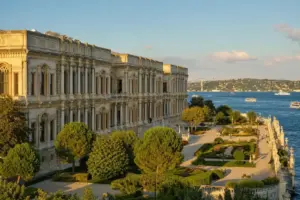 Dolmabahce Palace – about 1.7 km away (~28 min walk) · typical visit: 2–3 hours15 min on foot from Kabataş metro, Open 09:00–18:00, closed Mon
Main image: AI-generated illustration. It may not show the place exactly as it looks.
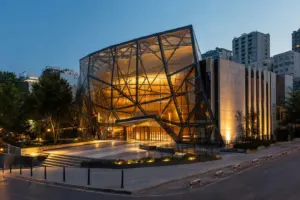 Cemal Reşit Rey Concert Hall – about 400 m away (~7 min walk) · typical visit: 2–3 hoursOpen 10:00–18:00, closed Sun
Main image: AI-generated illustration. It may not show the place exactly as it looks.
Restaurants and cafes near Nişantaşı
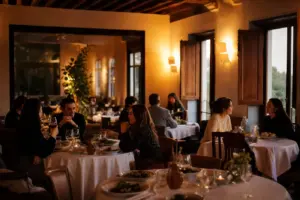 Hamovabout 100 m away (~2 min walk)
Main image: AI-generated illustration. It may not show the place exactly as it looks.
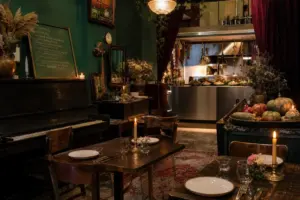 Lokanta Kru – about 500 m away (~9 min walk)Open 12:00–22:00, closed Sun
Main image: AI-generated illustration. It may not show the place exactly as it looks.
 Foxy Nişantaşı – about 1000 m away (~16 min walk)13 min on foot from Yıldız metro
Main image: AI-generated illustration. It may not show the place exactly as it looks.
 TURK Fatih Tutakabout 1.2 km away (~20 min walk)
Main image: AI-generated illustration. It may not show the place exactly as it looks.
Nightlife near Nişantaşı
 Babylonabout 1.1 km away (~17 min walk)
Main image: AI-generated illustration. It may not show the place exactly as it looks.
 Meyhane Kebirabout 1.1 km away (~18 min walk)
Main image: AI-generated illustration. It may not show the place exactly as it looks.
Train stations and river piers near Nişantaşı
 Beşiktaş Ferry Terminalabout 1.6 km away (~27 min walk)
Main image: AI-generated illustration. It may not show the place exactly as it looks.
Events and traditions near Nişantaşı
 Istanbul Film Festivalabout 1.4 km away (~22 min walk)
Main image: AI-generated illustration. It may not show the place exactly as it looks.
 Istanbul Music Festivalabout 1.9 km away (~31 min walk)
Main image: AI-generated illustration. It may not show the place exactly as it looks.
Related guides
 Gluten-Free Istanbul: Bakeries and Safer Dining Checks
Main image: AI-generated illustration. It may not show the place exactly as it looks.
 Best Specialty Coffee Shops in Istanbul: Local Roasters
Main image: AI-generated illustration. It may not show the place exactly as it looks.
 Mahir Lokantası: Lahmacun and Anatolian Dishes in Osmanbey
Main image: AI-generated illustration. It may not show the place exactly as it looks.
 Hünkar: Ottoman Home Cooking in Nişantaşı Since 1950
Main image: AI-generated illustration. It may not show the place exactly as it looks.
 Tatbak: Gaziantep Kebab and Lahmacun in Nişantaşı
Main image: AI-generated illustration. It may not show the place exactly as it looks.
Browse more: More in Şişli · All Markets & Shopping · All Neighborhoods
FAQ: Nişantaşı
Is Nişantaşı the same as City's Nisantasi shopping mall?
No. City's Nisantasi is a specific shopping mall building located on Teşvikiye Caddesi. Nişantaşı is the entire neighborhood comprising four sub-districts (Teşvikiye, Maçka, Osmanbey, Pangaltı). The mall is one landmark within it; most of the experience is exploring streets, cafes, and shops across the wider area.
How far is Nişantaşı from Taksim Square?
Approximately one metro stop (2 minutes by M2) or a 15-minute downhill walk. Both Osmanbey (M2) and nearby Taksim stations provide quick connections. Many visitors combine the two areas in one day.
What is the best way to get to Nişantaşı from the Old City (Sultanahmet)?
Take the T1 tram from Sultanahmet toward Kabataş, then transfer to the M2 metro heading toward Hacıosman and exit at Osmanbey. Total travel time is 20–25 minutes. This route is faster and easier than mixing buses and walking.
Are there significant shops for local Turkish designers?
Yes. Turkish fashion labels like Gönül Paksoy, Beymen, Vakko, and many independent ateliers are concentrated here, especially on Abdi İpekçi Street and side streets. Since the 1990s, Nişantaşı has been the hub of Turkish design. Ask shop owners or cafes for recommendations.
Is it necessary to shop to enjoy Nişantaşı?
No. The neighborhood's appeal lies in its atmosphere, architecture, and cafe culture as much as in shopping. Walking the tree-lined avenues, observing 19th-20th-century buildings, sipping coffee at outdoor cafes, and soaking in the refined urban energy is the experience—shopping is optional.
What is the significance of the Teşvikiye Mosque?
Built in 1854 by Sultan Abdülmecid, it marks the historical and spiritual center of the neighborhood. The mosque exemplifies Ottoman baroque architecture and remains in active use. The surrounding square is a natural gathering point and offers respite from shopping streets.
Can I visit Maçka Park as part of a Nişantaşı visit?
Yes. Maçka Park is immediately south of Teşvikiye and can be explored in 30–45 minutes. However, it is a separate destination with its own character (wooded, quieter). See the dedicated article for more details.
What is the best time to visit Nişantaşı?
Autumn (Sept–Nov) and spring (April–May) offer the most comfortable weather for walking. Mid-week (Tues–Thurs) mornings are less crowded than weekends. Evenings (18:00–20:00) are ideal for strolling and dining, with pleasant lighting and lively cafes.
Istanbul Vibes is a one-person project. A coffee keeps it going

Take this guide with you
Get a free PDF of this guide to print or read offline: key facts, tips and a map link on a few clean pages.
Report an issue on this page
How we research and update our guides
About this guide: AI assistance and accuracy
This guide is created with the help of AI and is based on official sources where available. Mistakes can still happen. Opening hours, prices, rules and other details are given to the best of our knowledge as of the date shown and can change without notice. It offers general recommendations only, not professional, legal or travel advice. Please confirm important details with the official source before you travel; you are responsible for your own plans and decisions.
* Affiliate link: as an Amazon Associate we earn from qualifying purchases at no extra cost to you.
