

This itinerary is for shoppers, bargain hunters, and anyone drawn to the sensory world of Turkish bazaars. It assumes a moderate pace with time to explore, browse and chat with vendors. You’ll move between covered markets built in the 15th and 17th centuries, open-air neighborhood streets, and the daily rhythms of local shopping districts.
By the end of three days, you’ll have navigated the famous Grand Bazaar’s 61 covered streets, inhaled the scent of saffron and dried fruit in the Spice Bazaar, discovered antique shops and street art in Balat and Fener, and learned which neighborhoods locals actually shop in.
Route: 8 stops, about 8–13.5 hours including walking (estimate)
Route map
At a glance: Day 1 focuses on the Grand Bazaar in Beyazıt, its architecture and what people actually buy there. Day 2 takes in the Spice Bazaar and Eminönü waterfront, with time for street shopping near Galata. Day 3 shifts to neighborhood markets: the Wednesday market in Fatih, then Balat and Fener's antique shops, colorful streets and small cafes.
Day 1: Grand Bazaar and Beyazıt
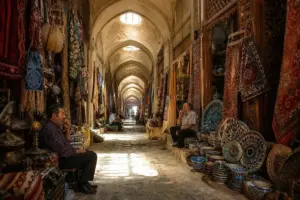
Spend your first morning in Istanbul's most famous covered market. The Grand Bazaar (Kapalıçarşı) contains over 4,000 shops on 61 covered streets—it rewards early arrival when the crowd is smaller and the air is cooler. Expect to get temporarily lost, see gold jewelry, leather goods, carpets and spices, and experience one of the world's oldest continuously operating markets. Arrive when it opens.
- Grand Bazaar – over 4,000 shops across 61 covered streets, free entry (2–3 hours or longer if shopping)
- Beyazıt Mosque – stone landmark at the bazaar's edge, free (20 minutes walk-by)
- Süleymaniye Mosque – Ottoman-era complex overlooking the old city, free (20–30 minutes)
- Nuruosmaniye Mosque – on the bazaar's northwest edge, free (15 minutes walk-by)
- Çemberlitaş Column – Roman column in the square, free (10 minutes)
Tip: Enter through the Beyazıt Gate on the south side (near the Beyazıt-Kapalıçarşı tram stop). Save your entry point on your phone. The busiest hours are 11 am to 4 pm; arrive before 9:30 am or after 5 pm to avoid shoulder-to-shoulder crowds.
Day 2: Spice Bazaar, Eminönü and Waterfront
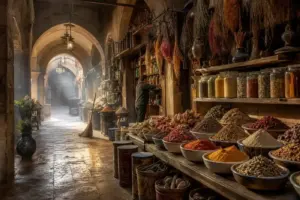
The Spice Bazaar (Mısır Çarşısı), built in 1663, is smaller and more focused than the Grand Bazaar, with distinctive Ottoman arches and an L-shaped layout. You'll find spices, dried fruit, Turkish delight, nuts, tea and caviar—all in smaller quantities and at lower prices than tourist shops elsewhere. The adjacent streets along the Golden Horn and toward Galata add street markets, fish vendors and neighborhood cafes.
- Spice Bazaar – aromatic covered market, L-shaped, 113 shops, free entry (45 minutes–1 hour)
- New Mosque (Yeni Cami) – adjacent to the bazaar, free (20 minutes)
- Eminönü waterfront – pier area with ferry terminals and street vendors (30 minutes for browsing)
- Balik Ekmek at Eminönü – grilled fish sandwich stall on the waterfront (15 minutes)
- Galata Bridge – historic bridge connecting old and new city, free walk (15–20 minutes)
Tip: Visit the Spice Bazaar on a weekday morning (Tuesday–Thursday) when it's less crowded than weekends. The Balık Pazarı Gate on the north side is the main entrance; the Haseki Gate on the south is a good exit toward the ferry docks and Galata.
Day 3: Neighborhood Markets and Antiques in Balat and Fener
Shift from the famous bazaars to where locals shop and dig for antiques. The Çarşamba Market operates only on Wednesdays in the Fatih district—a sprawling open-air market where residents buy clothes, kitchenware and produce at low prices. Then head to Balat and Fener, two adjacent historic neighborhoods with narrow, steep streets, colorful wooden houses and dozens of antique shops, art galleries and cafes where browsing and coffee come together.
- Çarşamba Market (Fatih) – open-air Wednesday market with clothing, produce, household goods (1–1.5 hours (Wednesdays only))
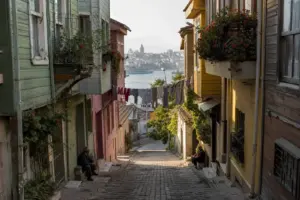
- Balat streets – narrow, steep streets with colorful Ottoman houses and art (1–1.5 hours for wandering)
- Balat antique shops – small second-hand and antique dealers on side streets like Leblebiciler (1–2 hours)
- Fener historic churches and streets – Greek Orthodox heritage, cobblestone streets (1 hour for walking)
- Balat and Fener cafes – small coffee shops and design boutiques mixed with antique dealers (30–45 minutes)
Tip: Çarşamba Market only happens on Wednesdays; plan Day 3 accordingly or visit another day. Balat's Kiremit Street and the steep stairs (Merdivenli) are the most photographed spots—visit early in the morning before tour groups arrive. Antique shops often hold daily auctions; ask vendors about times.
Istanbul Vibes Tips
- The Grand Bazaar is closed on Sundays and some national holidays. Check your calendar before planning Day 1. Monday–Saturday opening is 8:30 or 9:00 am (sources vary slightly); verify the current schedule online or with your hotel.
- Bring small bills and be prepared to negotiate. Many small vendors in the Spice Bazaar and neighborhood markets don't accept cards. ATMs are inside the Grand Bazaar and throughout Eminönü, but they're not plentiful in Balat and Fener.
- The Grand Bazaar has 18–20+ gates. Tourism websites call it 'easy to get lost'—embrace it as part of the experience, but mark your entry gate on your phone map or ask a vendor to point you back to it before you leave.
- Spice and Turkish delight purchases are heavy and fragile. Buy early in your trip or plan to mail purchases home. Vacuum-sealed spices and boxed Turkish delight are easier to transport than loose goods.
- Antique auctions in Balat and Fener happen daily at various shops; they're informal and lively. Look for signs saying 'mezat' (auction) or ask shopkeepers. No registration needed to watch or bid casually on small items.
- Çarşamba Market (Wednesday Bazaar) in Fatih is a local, not tourist, market—most stall holders don't speak English and prices are genuinely cheap. Go early (before 11 am) when the selection is best; it winds down in the afternoon.
Explore Nearby Istanbul Markets and Bazaars
Restaurants and cafes near Istanbul Markets and Bazaars
 Ciya Sofrasi6 min on foot from Kadıköy-İDO metro
Main image: AI-generated illustration. It may not show the place exactly as it looks.
Related guides
 Sultanahmet: Istanbul’s Historic Heart and Essential First Stop
Main image: AI-generated illustration. It may not show the place exactly as it looks.
 Best Neighborhoods for First-Time Visitors: Where to Stay in Istanbul
Main image: AI-generated illustration. It may not show the place exactly as it looks.
 Best Walking Neighborhoods: Where to Explore Istanbul on Foot
Main image: AI-generated illustration. It may not show the place exactly as it looks.
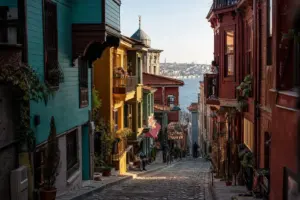 Balat: Istanbul’s Colorful Historic Neighborhood
Main image: AI-generated illustration. It may not show the place exactly as it looks.
 Fener: Istanbul’s Historic Greek Quarter on the Golden Horn
Main image: AI-generated illustration. It may not show the place exactly as it looks.
More guides
 Istanbul Markets Morning Tour
Main image: AI-generated illustration. It may not show the place exactly as it looks.
 Istanbul Weekly Markets by Day: Monday to Sunday Bazaar Guide
Main image: AI-generated illustration. It may not show the place exactly as it looks.
 How to Bargain at Istanbul's Bazaars
Main image: AI-generated illustration. It may not show the place exactly as it looks.
Browse more: All Itineraries · All Themed Routes
FAQ
Is the Grand Bazaar open on Sundays?
No. The Grand Bazaar is closed on Sundays and some national and religious holidays. It opens Monday to Saturday from 8:30 or 9:00 am (exact time varies slightly by source; check locally) to 7:00 or 7:30 pm. Plan your visit for a weekday if possible; early mornings are much less crowded.
Do I need a guide in the Grand Bazaar?
No. Entry is free and guides are optional. The bazaar is well-signposted and many visitors navigate it alone. A guide can save time and explain history, but you can also get lost deliberately, shop at your own pace, and ask vendors for directions. First-timers often spend 2–3 hours without a guide.
What's the difference between the Grand Bazaar and the Spice Bazaar?
The Grand Bazaar (Kapalıçarşı), built from 1455 onward, is enormous—4,000+ shops on 61 streets selling everything from carpets to gold to souvenirs. The Spice Bazaar (Mısır Çarşısı), built in 1663, is smaller—113 shops in an L-shaped layout—and specializes in spices, dried fruit, Turkish delight, nuts and tea. The Spice Bazaar is less maze-like and easier for a quick visit.
Can I bargain in these markets?
In the Grand Bazaar, bargaining is expected on carpets, textiles and higher-value items; prices are often stated as opening offers. In the Spice Bazaar and street markets, prices are usually fixed and non-negotiable. Always ask if a price is firm or if there's room to negotiate on significant purchases.
What should I actually buy in Istanbul's markets?
Common purchases: spices and Turkish delight from the Spice Bazaar; gold, carpets and leather goods from the Grand Bazaar; vintage textiles and ceramics from Balat and Fener antique shops. Prices in neighborhood markets and street stalls are usually lower than in major bazaars. Avoid souvenir-only items; focus on goods locals buy.
Is Çarşamba Market only on Wednesdays?
Yes. The Çarşamba (Wednesday) Market in Fatih only operates on Wednesdays. It's a large open-air market where residents shop for clothing, kitchenware and produce at low prices. If you can't visit on Wednesday, explore a different neighborhood market instead.
Are the markets accessible by public transport?
Yes. The Grand Bazaar is a 15–20-minute walk from Sultanahmet or reachable by tram T1 (get off at Beyazıt-Kapalıçarşı). The Spice Bazaar is in Eminönü at the south end of Galata Bridge, near ferries and tram stops. Balat and Fener are in the Fatih district; reach them by walking from the bazaars or by tram and a short walk.
Are the Grand Bazaar and Spice Bazaar free to enter?
Yes. Both markets are free to enter. You only pay for items you buy. No entrance fee, no mandatory guide, no ticket required. However, many shops sell at high tourist prices; expect to find lower prices in neighborhood markets and street stalls.
Istanbul Vibes is a one-person project. A coffee keeps it going

Take this guide with you
Get a free PDF of this guide to print or read offline: key facts, tips and a map link on a few clean pages.
Report an issue on this page
How we research and update our guides
About this guide: AI assistance and accuracy
This guide is created with the help of AI and is based on official sources where available. Mistakes can still happen. Opening hours, prices, rules and other details are given to the best of our knowledge as of the date shown and can change without notice. It offers general recommendations only, not professional, legal or travel advice. Please confirm important details with the official source before you travel; you are responsible for your own plans and decisions.
* Affiliate link: as an Amazon Associate we earn from qualifying purchases at no extra cost to you.
