
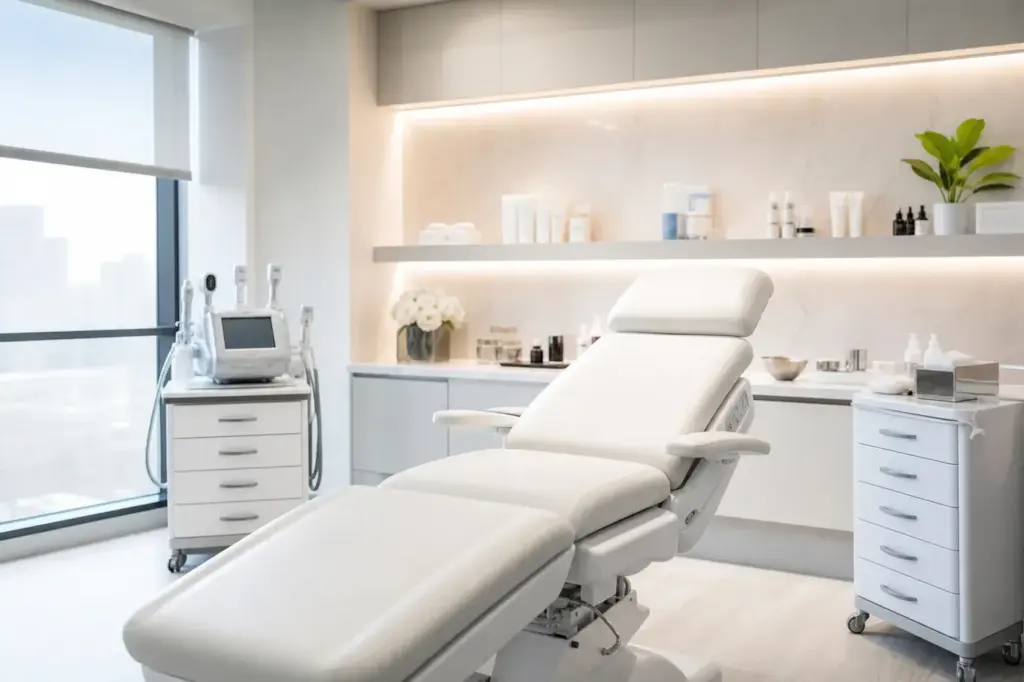
Information only. This article explains what a treatment is and how it is usually carried out. It is not medical advice, not an offer and not a recommendation to have any procedure. Whether it suits you can only be decided by a licensed doctor after an examination.
PRP Therapy is a regenerative treatment available at clinics throughout Istanbul. Many international visitors consider this treatment as part of their travel plans, alongside other medical or aesthetic procedures.
This article explains what PRP therapy is, how the procedure works, what to expect during and after treatment, common risks and complications, and important questions to discuss with your doctor. Treatment decisions should be made only after consulting with a licensed physician who can examine your specific condition.
Quick answer: PRP therapy is a procedure in which blood is drawn from your arm, processed in a centrifuge to concentrate platelets and growth factors, and then injected into the area being treated. A typical session takes 45–90 minutes from start to finish. The procedure is performed at private clinics and hospitals in Istanbul.
At a Glance
| Total time | Procedure itself: 30–45 minutes. Full appointment including consultation and blood draw: 60–90 minutes. Results timeline: 2–6 weeks to notice effects; full response may take 3–6 months. |
|---|---|
| Typical cost | ₺₺ |
What You Need Before You Start
- Current health history and any chronic conditions
- List of medications and supplements you are taking
- Recent blood tests or willingness to have them done before treatment
- Photo identification
- Arrangements for recovery time (usually 2–7 days of reduced activity)
- Written treatment plan from the clinic with follow-up schedule
Compare Your Options
| Option | Duration | Price | Notes |
|---|---|---|---|
| Standard Single-Session PRP Injection | 1 visit; 60–90 minutes total | ₺₺ | One PRP injection to a single treatment area. Used for acute injuries, single joints, or skin conditions. Effects may develop gradually over weeks. |
| Multi-Session PRP Course | 3–4 visits over 3–4 months; each visit 60–90 minutes | ₺₺ | Repeated injections spaced 4–6 weeks apart. Often used for chronic conditions like osteoarthritis or hair loss. May provide longer-lasting or more noticeable results than a single injection. |
| PRP with Microneedling or Topical Application | 1–2 hours per session | ₺₺₺ | PRP combined with skin microneedling or applied topically during a procedure. Primarily for skin rejuvenation and cosmetic use. Different technique than injection alone. |
₺ budget · ₺₺ moderate · ₺₺₺ upscale · ₺₺₺₺ splurge. Price levels are estimates compared with typical prices for visitors.
Step-by-Step Instructions
Step 1: Consultation and Medical Review
Before treatment, you will meet with a doctor to discuss your medical history, current medications (including blood thinners and supplements), and the specific area or condition to be treated. Blood tests may be ordered to check your platelet count and general health. The doctor will explain what PRP aims to do, possible outcomes, recovery time, and risks. Ask questions and request a written treatment plan.
Tip: Bring a list of all medications and supplements, including over-the-counter items. Be honest about your health history so the doctor can assess whether PRP is suitable for you.
Step 2: Blood Draw
A small amount of blood is drawn into a syringe, typically from your arm. The amount varies (usually 15–60 ml depending on the treatment area) but is taken from normal blood draws. The blood goes into a tube with an anticoagulant to prevent clotting.
Tip: Eat a light meal before the appointment to prevent dizziness. Tell the staff if you have a history of fainting with needle procedures.
Step 3: Centrifugation and Processing
Your blood is placed in a centrifuge machine that spins at high speed to separate the components. Red blood cells sink to the bottom, and the platelets and plasma rise to the top. The lab technician or doctor extracts the platelet-rich layer (PRP), which contains 3–5 times more platelets than your normal blood.
Tip: This step takes 10–20 minutes. You may wait in the clinic during this time, or step out if the clinic allows.
Step 4: Injection into Treatment Area
The prepared PRP is injected directly into the target tissue using a fine needle. Depending on the condition, this may be into a joint, tendon, ligament, scalp, or skin. Some clinics use ultrasound guidance to ensure precise placement. Local anesthetic may be applied to reduce discomfort.
Tip: You may feel pressure or mild discomfort but should not feel severe pain. Tell the doctor immediately if you experience sharp or unbearable pain.
Step 5: Immediate Post-Treatment Rest
After injection, the area is usually bandaged or covered. You will rest for 15–30 minutes in the clinic. Ice may be applied for the first 15–20 minutes to reduce swelling. You should not wash the injected area for 24–48 hours.
Tip: Have someone accompany you to drive if you feel dizzy or uncomfortable. Avoid strenuous activity for the rest of the day.
Step 6: Recovery Week 1–2
Mild soreness, swelling, bruising, or discomfort at the injection site is normal. You may take over-the-counter pain relief (ask your doctor which medications are safe). Avoid strenuous exercise, heavy lifting, and activities that stress the treated area for 2 weeks. Light movement and gentle activity are usually fine.
Tip: Ice the area for 15–20 minutes several times a day if swelling occurs. Keep the area clean but do not soak it in water.
Step 7: Follow-Up Visits
You will return to the clinic for follow-up appointments, typically at 2 weeks, 6 weeks, and 3 months after injection. The doctor will examine the area, assess your progress, and determine whether additional treatment is needed. Some conditions require repeated PRP injections (usually spaced 4–6 weeks apart).
Tip: Keep detailed notes of any changes—pain levels, swelling, function, or symptoms. This helps your doctor evaluate whether the treatment is working for you.
Common Mistakes to Avoid
- Assuming results will be immediate. PRP therapy aims to support the body's natural healing, which takes time. Effects may not be noticeable for 2–6 weeks, and full benefit may take 3–6 months. Expecting instant pain relief or dramatic visible changes often leads to disappointment.
- Skipping the pre-treatment medical consultation or hiding health information. Your doctor needs to know about blood clotting disorders, blood-thinning medications, infections, or conditions that may make PRP unsuitable for you. Incomplete or dishonest medical history can lead to complications.
- Resuming strenuous activity too soon. The injection site is being actively healed during the first 2 weeks. Overusing the treated area, especially with heavy exercise or repeated stress, can reduce the effectiveness of treatment and delay healing.
- Not arranging proper follow-up care at home. If you live outside Istanbul, clarify before treatment whether the clinic provides remote follow-up support, written instructions for home care, or coordination with a doctor in your home country. Lack of follow-up monitoring may mean complications go unnoticed.
- Assuming one type of PRP is the same as another. Different clinics use different centrifugation systems, concentration methods, and processing times, resulting in different platelet concentrations and compositions. Ask your clinic exactly what processing method they use and how it affects your treatment.
Tickets, Payment and Booking
PRP therapy is offered at private clinics and hospitals throughout Istanbul. To book a treatment:
- Contact the clinic directly by phone, email, or through their website to request a consultation.
- Many clinics accept payment by cash, Turkish bank card, or international credit card. Some accept cryptocurrency or wire transfer.
- Foreign visitors may be asked to provide passport information and may need travel insurance that covers the procedure, depending on your insurance provider and the clinic.
- Booking is usually possible within a few days to 2 weeks. Urgent appointments may be available in some clinics.
- Avoid booking through third-party medical tourism websites unless you have verified the clinic independently. Always confirm you are paying the clinic directly, not a middleman.
Good to know
- Clarify insurance coverage before traveling. Many travel or international health insurance policies do not cover elective cosmetic or regenerative treatments. Check your policy and ask the clinic whether they can provide documentation you may need for insurance purposes.
- Plan your trip around the recovery schedule. Although the procedure is outpatient, you should expect reduced activity for 2 weeks and wait 4–6 weeks before strenuous exercise or travel. If you are visiting for only a short time, plan to rest rather than sightsee immediately after treatment.
- Verify the clinic's credentials independently. Check that the clinic holds a Turkish Ministry of Health license and is listed in the official registry of health facilities. Ask to see the doctor's medical license. Results differ from person to person, and no clinic can promise specific outcomes.
- Avoid blood thinners before treatment if possible. If you take aspirin, warfarin, or other blood-thinning medications, ask your doctor whether it is safe to pause them 3–5 days before your PRP appointment. Do not stop any medication without medical guidance.
- Request detailed aftercare instructions in writing. Language barriers can make recovery instructions unclear. Ask the clinic for written guidance in English covering activity restrictions, icing schedules, when to seek medical help, and when follow-up appointments should occur.
- Keep records of your treatment. Request copies of your medical records, blood work, consent forms, and the processing parameters used (platelet concentration, centrifugation method). These documents are valuable if you need follow-up care at home or want to discuss the treatment with your own doctor.
Explore Nearby PRP Therapy
More guides
 PRP Hair Treatment
Main image: AI-generated illustration. It may not show the place exactly as it looks.
 PRK Eye Surgery
Main image: AI-generated illustration. It may not show the place exactly as it looks.
 All-on-4 Implants
Main image: AI-generated illustration. It may not show the place exactly as it looks.
 Blepharoplasty
Main image: AI-generated illustration. It may not show the place exactly as it looks.
 Eyelid Lift
Main image: AI-generated illustration. It may not show the place exactly as it looks.
Browse more: All Other · All Treatments
FAQ
How long does a PRP session take?
A full appointment usually takes 60–90 minutes from arrival to discharge. This includes consultation, blood draw, processing, injection, and immediate post-treatment observation. The injection itself typically takes only 5–15 minutes.
When will I see results from PRP therapy?
Results vary widely by condition and individual response. Some people notice changes within 2–4 weeks; others take 6–12 weeks. For skin or hair conditions, it may take up to 6 months to see full effects. Results develop gradually as the body heals, not immediately.
Is PRP therapy painful?
The blood draw may cause mild discomfort. The injection itself may cause pressure or mild soreness, especially if anesthetic is not used. Most people describe it as uncomfortable rather than severely painful. You may experience increased soreness for 1–3 days after injection as inflammation begins, which is part of the healing process.
Can I fly after PRP treatment?
You should avoid flying for at least 24–48 hours after injection to reduce swelling and risk of complications. If you must fly, wear compression clothing and move around during the flight. Discuss timing with your doctor based on your specific treatment and how you recover.
Do I need to repeat PRP injections?
For some conditions, a single injection is sufficient. For others, such as chronic pain or hair loss, repeated injections spaced 4–6 weeks apart may provide better or longer-lasting results. Your doctor will recommend the appropriate schedule based on your condition and how you respond.
Can I combine PRP therapy with other treatments?
PRP can be combined with other therapies such as physical therapy, microneedling, or other injections in some cases. However, timing matters—you may need to space treatments apart to avoid overwhelming the treated area. Discuss your goals with your doctor to create a coordinated plan.
What conditions can PRP treat?
PRP is used for musculoskeletal injuries (tendon, ligament, muscle, joint pain), chronic pain conditions such as osteoarthritis, hair loss, skin rejuvenation, and post-surgical healing. Results vary by condition. Not all conditions respond equally to PRP, and suitability must be determined by a doctor after examination.
Are there people who should not have PRP therapy?
PRP may not be suitable for people with abnormal platelet function, very low platelet counts, active infections at the injection site, untreated cancer, or certain blood disorders. Pregnancy, severe anemia, or blood-thinning medications may also require caution. A licensed doctor must assess your individual health before treatment.
Not legal advice. This is general information for visitors. Rules on visas, entry, registration, customs and similar matters change often and can depend on your nationality. Check the official source and, if in doubt, ask your embassy or a qualified adviser.
Before you decide anything
Risks and possible complications
- Pain, tenderness, bruising, or swelling at the injection site (common; usually mild and temporary).
- Increased pain during the first few days after injection as the body's natural healing inflammation phase begins.
- Infection at the injection site (rare but possible; signs include increasing redness, warmth, pus, or fever).
- Bleeding or hematoma (blood collection under the skin) at the injection site.
- Nerve or blood vessel injury from the needle (rare if the doctor uses proper technique).
- Tissue damage at the injection site.
- Allergic reaction to the anesthetic used (very rare since PRP uses your own blood).
- Systemic effects in rare cases (inflammation elsewhere in the body or other unexpected reactions).
Alternatives to talk about with a doctor
- Physical therapy and rehabilitation exercises to strengthen muscles and improve function.
- Steroid injections to reduce inflammation quickly but with temporary effects.
- Hyaluronic acid injections for joint lubrication (for osteoarthritis).
- Oral anti-inflammatory medications.
- Rest, ice, compression, and elevation (RICE protocol).
- Surgical repair or replacement for severe structural damage.
- Regenerative medicine approaches such as stem cell therapy (where available and studied).
Questions to ask a licensed doctor
- Am I a suitable candidate for PRP therapy given my medical history, medications, and condition?
- What specific processing method and equipment will be used to prepare my PRP?
- How many injections do you recommend, and how far apart should they be spaced?
- What are the realistic outcomes and timelines for my specific condition?
- What activities should I avoid during recovery, and when can I return to normal activity?
- What signs or symptoms should prompt me to seek urgent medical help after treatment?
- Will you provide written follow-up instructions and a treatment plan I can take home?
- Can you coordinate with my doctor in my home country for follow-up care if needed?
- What is your experience treating conditions like mine, and how many procedures have you performed?
- This page is information. It is not medical advice and not a recommendation to have any treatment or to choose any clinic, doctor or country.
- Every medical procedure has risks, and results and healing differ from person to person. A licensed doctor who has examined you decides whether a treatment is suitable.
- Talk to a doctor in your home country before you decide, and plan follow-up care at home: problems can appear after you return.
- Check that the clinic and the doctor are licensed in the official register of the Türkiye Cumhuriyeti Sağlık Bakanlığı, and ask for a written treatment plan and a consent form you understand.
- After a procedure, get urgent medical help for severe pain, fever, heavy bleeding or breathing problems. In an emergency call the local emergency number.
Kontrendikasyonlar olabilir. Bir uzmana danışmak gerekir.

Take this guide with you
Get a free PDF of this guide to print or read offline: key facts, tips and a map link on a few clean pages.
Report an issue on this page
How we research and update our guides
About this page: AI assistance and accuracy
This page was prepared with the help of AI and checked by automatic rules. It is general information only, not medical advice and not a recommendation to have any treatment or to choose any clinic. Mistakes can still happen and details can change without notice. Please check important details with the official source and talk to a licensed doctor before you decide anything.
