

The Sakip Sabanci Museum occupies a grand mansion overlooking the Bosphorus in Istanbul’s quiet Emirgan neighbourhood. Built in 1925 as a private villa and renovated as a museum in 2002, it holds one of the finest collections of Ottoman calligraphy and late Ottoman paintings, alongside rotating international exhibitions.
The museum belongs to Sabancı University and preserves the legacy of Sakip Sabancı, whose bequest transformed the family’s former home into a public cultural institution. Gardens and terraces with panoramic water views extend the visit beyond the galleries.
Quick Facts
| Turkish name | Sakıp Sabancı Müzesi |
|---|---|
| Built / opened | 2002 |
| Architect(s) | Eduard de Nari (main building, 1925); Ayşen Savaş (modern gallery extension, 2002) |
| Address | Sakıp Sabancı Caddesi No:42, Emirgan, 34467 Sarıyer, Istanbul Google MapsApple MapsYandex Maps |
| District | Sarıyer |
| Admission | ₺₺; free on Tuesdays |
| Best time to visit | Spring (April–May) and autumn (September–October) offer the most comfortable weather: mild temperatures, clear skies, and excellent light on the Bosphorus. Summer (June–August) is hot and humid; visit early morning or late afternoon to avoid midday heat.Weekdays (especially Wednesday–Friday) are noticeably quieter than weekends. Tuesday brings free admission and larger crowds, particularly in the afternoon. Arrive early (shortly after 10:00 opening) for a more relaxed experience on any busy day.Late afternoon (15:00–17:30) offers the most beautiful light for gardens and Bosphorus views, making it ideal for photography or sitting on the terraces. The ticket office closes at 17:30, so plan to arrive by 17:00 to ensure entry. |
| Website | sakipsabancimuzesi.org |
What Is (and Isn't) Part of a Visit to Sakip Sabanci Museum?
| Part | Status | Notes |
|---|---|---|
| Permanent Ottoman Calligraphy, Manuscripts and Books Collection | Included in the standard ticket | Core collection displayed in the Atlı Köşk mansion rooms, spanning 500 years of Ottoman calligraphic tradition. |
| Turkish Painting Collection (1850–1950) | Included in the standard ticket | Works by Ottoman and early Republican painters plus foreign court artists, displayed in the modern gallery wings. |
| Ottoman Furniture and Decorative Arts | Included in the standard ticket | Furnishings, carpets, ceramics and household objects from the Sabancı family collection, displayed in mansion rooms and galleries. |
| Temporary International Exhibitions | Included in the standard ticket | Rotating exhibitions by world-renowned artists; content changes annually. Included in standard admission. |
| Gardens and Outdoor Terraces | Included in the standard ticket | Wooded grounds with sculptures, fountains, contemporary art installations, and Bosphorus views are freely accessible with museum entry. |
| Terrace Café (MSA Restaurant) | Separate ticket or institution | On-site café and restaurant run by the MSA Culinary Arts Academy. Food and drink purchases are separate from museum admission. |
| Museum Shop | Separate ticket or institution | Gift shop selling art books, exhibition catalogues, and design products. Purchases are separate from museum admission. |
| Educational Workshops and Events | Separate ticket or institution | Children's creative workshops, conservation demonstrations, concerts, and lectures require separate registration or tickets; check official website for schedule. |
Why Visit Sakip Sabanci Museum?
The calligraphy collection is extraordinary: Ottoman manuscripts, illuminated religious texts, imperial documents bearing sultans’ signatures, and decorative compositions spanning the 14th century to the present. The painting collection focuses on Turkish masters from 1850 to 1950, including Osman Hamdi Bey and Ibrahim Çallı, plus works by foreign court painters such as Fausto Zonaro and Ivan Ayvazovsky.
The setting itself is a draw—the Bosphorus views from the terraces and the wooded grounds make this more than a standard museum visit. Temporary exhibitions by world-renowned artists rotate frequently. Tuesday brings free admission, though expect larger crowds.
How Sakip Sabanci Museum Is Laid Out
The museum spreads across several connected structures. The main building is the Atlı Köşk (Horse Mansion), a two-storey villa, where the permanent collection of calligraphy, paintings, and furnishings is displayed on the original rooms. Modern gallery wings, added in 2002 and expanded in 2005, hold temporary exhibitions. Terraces and gardens occupy the grounds sloping toward the Bosphorus.
Enter through the main gate at Sakıp Sabancı Caddesi; the ticket office is near the entrance. Most visitors tour the mansion first, then move into the gallery wings, and finish in the garden. Allow 2–3 hours for all areas. The layout encourages a natural flow, but you can design your own route.
Highlights of Sakip Sabanci Museum
The Permanent Calligraphy Collection
The museum's core strength is Ottoman calligraphy spanning five centuries. You will see rare manuscript Qurans with intricate illumination, calligraphic compositions on paper and leather, imperial documents bearing sultans' imperial ciphers (monograms), and hilyes—poetic descriptions of the Prophet Muhammad rendered in calligraphy. The collection includes examples from the 14th century through the modern era. A first-time visitor should not miss this section; it occupies the main mansion rooms and is laid out chronologically.
Tip: Spend time in one piece rather than rushing; Ottoman calligraphy repays close observation. Photography of the calligraphy is permitted.
The Painting Gallery
The museum holds an important Turkish painting collection from 1850 to 1950, including works by Osman Hamdi Bey (the Ottoman court painter), Şeker Ahmed Paşa, Süleyman Seyyid, and Ibrahim Çallı. The collection also features works by foreign artists who worked at the Ottoman court, such as the Italian-Russian painter Fausto Zonaro and the Armenian-Russian Ivan Ayvazovsky, known for his maritime scenes. The modern gallery extension houses these works alongside rotating temporary exhibitions.
Tip: The painting collection occupies the newer gallery spaces, which are climate-controlled and well lit. Late afternoon light through the windows can be stunning.
The Atlı Köşk Mansion Rooms
The main building, constructed in 1925 by Italian architect Eduard de Nari for the Egyptian Hidiv (royal) family, preserves the elegance of a Bosphorus villa. Rooms retain period furnishings, carpets, and decorative arts that evoke how the Sabancı family lived here. The mansion's original architecture—including high ceilings, period doors and shutters, views of the water—is part of the museum experience. You walk through private salons that once belonged to a prominent Turkish industrialist family.
Tip: The mansion rooms are cooler and less crowded than the gallery wings. They offer genuine glimpses of early 20th-century Ottoman and Turkish domestic life.
The Bosphorus Terraces and Gardens
The museum grounds include wooded gardens, stone sculptures, fountains, and contemporary art installations overlooking the Bosphorus. Multiple terraces offer sitting areas and vistas. A terrace café (run by the MSA Culinary Arts Academy of Istanbul) serves food and drink with water views. On warm days, the garden becomes a peaceful retreat, especially in early morning or late afternoon when crowds thin.
Tip: Save the garden for the end of your visit when fatigue sets in. The best light on the water and gardens is late afternoon, roughly 15:00–17:30. Arrive early to secure outdoor seating if you plan to eat.
Temporary International Exhibitions
The museum rotates major international exhibitions featuring works by renowned artists. Past exhibitions have included shows dedicated to Monet, Rembrandt, Picasso, Dalí, Anish Kapoor, and Ai Weiwei. These exhibitions occupy the modern gallery wings and change annually or bi-annually. The temporary programme is part of why the museum remains dynamic and why repeat visits reveal different content.
Tip: Check the official website before your visit to see what is on display. Some blockbuster exhibitions draw larger crowds; weekday visits tend to be quieter.
The Ottoman Furniture and Decorative Arts
Beyond calligraphy and paintings, the museum preserves Ottoman furniture, ceramics, carpets, and household objects from the mansion. These furnishings, many of which belonged to the Sabancı family, provide context for understanding daily life in a wealthy Ottoman and early Republican household. The pieces are displayed in situ (in the mansion rooms) as well as in dedicated gallery sections.
Tip: The decorative arts often receive less attention from visitors. If you have limited time, prioritize calligraphy and paintings, but return to this collection if you have an extra hour.
Atmosphere
The atmosphere is serene and cultivated. Unlike crowded central museums, the Sakip Sabanci feels intimate and unhurried. On weekdays and outside Tuesday, visitor numbers are manageable, allowing you to linger in galleries and on terraces. The Bosphorus breeze and greenery create a retreat atmosphere rather than a tourist checkpoint.
The mix of visitors includes art enthusiasts, families, couples, and older visitors. Weekday mornings (especially Wednesday–Friday) are quietest. Tuesdays (free admission) bring noticeably more people, particularly in the afternoon. Late afternoon (15:00–17:30) is atmospherically beautiful as golden light hits the water and gardens. The modern gallery spaces feel contemporary and white-walled, contrasting pleasantly with the period character of the mansion rooms.
History of Sakip Sabanci Museum
The building’s origins predate its current use. In 1925, the Italian architect Eduard de Nari designed the villa—called the Atlı Köşk (Horse Mansion)—for Prince Mehmed Ali Hasan of the Hidiv family of Egypt, the royal house that ruled Egypt in the 19th and early 20th centuries. For decades, the mansion served as a summer residence for various Hidiv family members.
In 1951, the businessman Hacı Ömer Sabancı, patriarch of the Sabancı industrial and commercial dynasty, purchased the property. The family converted it into a permanent residence. After Hacı Ömer’s death in 1966, his son Sakip Sabancı (born 1933), then the eldest, moved in permanently in 1974 and lived here for many years. Sakip Sabancı was a major art collector, amassing an outstanding collection of Ottoman calligraphy and Turkish paintings.
In 1998, Sakip Sabancı bequeathed the mansion, its furnishings, and his entire art collection to Sabancı University to be transformed into a public museum. The university commissioned modern gallery wings and conservation facilities (designed by architect Ayşen Savaş), which were completed and opened to the public in 2002. In 2005, the exhibition galleries were expanded and renovated to international technical standards. Today, the museum continues to grow its temporary exhibition programme, hosting major international shows and serving as a centre for Ottoman and Turkish art scholarship, conservation, and public education.
Tickets and Booking for Sakip Sabanci Museum
| Ticket | Price | Includes |
|---|---|---|
| General Admission (Adult) | ₺₺ | Access to permanent calligraphy, painting, and decorative arts collections; temporary exhibitions; gardens and terraces. |
| Free Admission Day (Tuesdays) | Free | Full access to all museum areas on Tuesdays (10:00–18:00) for all visitors; no ticket required. |
| Children under 12 / Visitors with Disabilities | Free | Free admission every day of the week (documentation or proof may be required at entry). |
| Discounted Ticket (Students, Over 65, Teachers) | ₺ | Reduced-price admission; valid ID (student card, pension documentation, or teacher credential) must be presented at the ticket office. |
₺ budget · ₺₺ moderate · ₺₺₺ upscale · ₺₺₺₺ splurge. Price levels are estimates compared with typical prices for visitors.
Tickets are sold at the entrance building ticket office during opening hours (10:00–17:30; office closes 30 minutes before museum closing time). Online advance purchase is available through the official museum website. If a date is not yet available for online booking, it typically appears 2–4 weeks in advance.
Admission on Tuesdays is free; no advance booking required, but the museum is busier on that day. On other days, purchase a ticket at the entrance or online. Same-day online tickets are usually available.
Children under 12 and visitors with disabilities receive free admission every day; proof (identification or disability documentation) may be required. Student, senior, and teacher discounts apply; bring valid ID. Rates differ for Turkish citizens and other concessions. For all ticket categories, rates, and current promotions, visit the official website at sakipsabancimuzesi.org.
Suggested itineraries Sakip Sabanci Museum
1.5–2 hours
Start with the Atlı Köşk mansion: tour the calligraphy and decorative arts in the period rooms (30 min). Move to the modern gallery wings to see the painting collection and current temporary exhibition (45 min). Finish with a brief walk through the garden terraces (15 min). Skip the café unless time allows.
2.5–3 hours
Begin in the mansion rooms with the calligraphy collection (40 min). Tour the painting gallery (45 min). Visit the temporary exhibition (30 min). Spend time in the gardens and on the terraces (20 min). Sit at the café for refreshment with Bosphorus views (20 min).
3–4 hours (full day)
Leisurely tour of all permanent collections in the mansion (60 min). Explore temporary exhibitions fully (60 min). Dedicated garden time and sitting on the terraces (45 min). Lunch or afternoon tea at the café (45 min). Browse the museum shop (15 min) and any additional areas of interest. This pace allows for contemplation and photography.
How to Get to Sakip Sabanci Museum
By Bus: The museum is not on a metro line. Take a bus from central Istanbul toward Sarıyer along the coastal road. From Taksim, take buses 40, 40T, or 42T toward Emirgan; from Kabataş or Beşiktaş, take buses 22, 22RE, or 25E. The journey takes 15–30 minutes depending on traffic and starting point. Get off at the Emirgan stop and walk uphill (5–10 min) to Sakıp Sabancı Caddesi No:42.
By Ferry: A scenic alternative is to take a ferry (Dentur Avrasya and other operators) from central piers (Kabataş, Beşiktaş, or Eminönü) to the Emirgan pier on the Bosphorus. The ferry journey takes 15–30 minutes depending on route. From the Emirgan pier, walk uphill along the coastal road for 5–10 minutes to the museum entrance.
By Taxi or Car: From central Istanbul (Sultanahmet), a taxi or private car takes 30–45 minutes depending on traffic. Address: Sakıp Sabancı Caddesi No:42, Emirgan, Sarıyer. Parking is available on-site.
Entrance: Enter through the main gate at Sakıp Sabancı Caddesi. The ticket office is in the entrance building immediately inside the gate.
Accessibility
The museum is fully wheelchair accessible. A level entrance path leads from the main gate to the ticket office and galleries. The Atlı Köşk mansion has ramps and lifts connecting floors, allowing wheelchair users to access all permanent collection areas. Modern gallery wings are fully accessible with lifts and smooth flooring.Gardens are accessible via paved paths, though some areas have slopes. The café terrace is accessible, and accessible restrooms are available. Visitors with disabilities receive free admission daily (bring proof of disability status if required). Free companion tickets are available for caregivers of visitors with disabilities; details are at the ticket office.
Food Nearby
The museum's on-site terrace café (MSA Restaurant), run by the MSA Culinary Arts Academy of Istanbul, serves Turkish and international cuisine with panoramic Bosphorus views. It is included within the museum grounds and is accessible to museum visitors.Beyond the museum, the Emirgan neighborhood has small restaurants and cafés along the coastal road. Within a 10-minute walk, you will find casual Turkish eateries, fish restaurants, and cafés. Food options are more limited than in central Istanbul, so many visitors eat at the museum café.
What to Bring
Comfortable walking shoes are essential, as the site involves both indoor galleries and outdoor terraces. Bring a light layer or jacket even in summer, as the Bosphorus breeze can be cool. Sunscreen and a hat are useful for garden and terrace time, especially in warm months. A camera or smartphone for photography is worthwhile given the views and artworks.Small bags and rucksacks are permitted; large bags may be subject to inspection. See the official website for current bag policy. Photography of the collections is generally permitted (no flash or tripods in galleries).
Best Views and Photo Spots of Sakip Sabanci Museum
Fıstıklı Terrace
The main terrace overlooking the Bosphorus offers the widest panoramic view. The water, the European coastline, and the landscaped grounds frame a classic Istanbul scene. This is the most recognizable vantage point for the museum's Bosphorus setting.
Best time: Late afternoon (15:00–17:30) when golden light rakes the water and gardens, creating warm tones and soft shadows.
Mansion Exterior from Garden
Stepping back from the Atlı Köşk building and photographing it from the garden level captures the architectural elegance of the villa against trees and sky. The period architectural details and the interplay of stone, windows, and greenery are evident from this angle.
Best time: Mid-morning (10:00–12:00) when the building is well lit from the side and front, without harsh shadows.
Main Entrance Gates and Pathway
The formal entrance at Sakıp Sabancı Caddesi, with iron gates and the avenue of trees leading toward the mansion, conveys the grand arrival experience and the mansion's setting within tree cover.
Best time: Early morning (shortly after opening) when the path is often empty and the light is fresh.
Terraced Garden Stairs and Sculptures
Stone stairs, fountains, and contemporary art sculptures scattered through the wooded grounds create layered scenes of the museum's integration of art and landscape. These spots offer intimate framing rather than broad vistas.
Best time: Cloudy days or morning hours, when soft light avoids harsh shadows on stone and sculpture.
Gallery Interior with Artworks
Modern gallery spaces with well-lit permanent collections offer opportunities to photograph Ottoman calligraphy, paintings, and period furnishings in their display context. The clean, contemporary gallery design contrasts with historical pieces.
Best time: Daytime gallery hours (no flash allowed); typically between 11:00–16:00 when galleries are evenly lit and less crowded.
Photography Rules
Photography is permitted in most areas of the museum for personal use. Flash photography and tripods are not allowed indoors to protect artworks and provide a respectful experience for other visitors. Outdoor photography in the gardens and on terraces is unrestricted. Drones are not permitted on the grounds. Always check current gallery-specific restrictions at the entrance or on the official website.
Family Suitability
The museum is suitable for families with children over 8 years old who can appreciate art and history. Younger children may find the focus on calligraphy and Ottoman paintings less engaging. The gardens and outdoor terraces are a strong draw for families, offering space to move and fresh air after gallery time.Children under 12 receive free admission. Stroller access is feasible in modern gallery wings and main pathways, though the Atlı Köşk mansion has some narrow doorways and period features that can be tight for large strollers. The outdoor terraces are stroller-friendly. Free children's creative workshops (drawing, sculpture, etc.) run regularly and require advance reservation; check the official website for age groups and schedules. The café offers child-friendly options and outdoor seating. Overall, the peaceful setting, free admission for young children, and range of activities make it a family-friendly destination.
Istanbul Vibes Tips
- Visit on a weekday morning (Tuesday–Friday, 10:00–12:00) to avoid crowds, especially if you do not want the free-admission-day experience. Tuesday is free but busier in the afternoon; come early if cost is a concern.
- Do not rush the Ottoman calligraphy collection. These works are often unfamiliar to Western visitors and benefit from close, unhurried viewing. Spend at least 30 minutes here; it is the museum's greatest strength.
- Check the temporary exhibition schedule before you visit. Major blockbuster shows by famous artists draw significantly larger crowds and may occupy more gallery space than smaller exhibitions. Plan timing accordingly.
- Arrive by 17:00 to allow time in the gardens and on the terraces before sunset. The ticket office closes at 17:30, and the light is most beautiful in the last hour before closing (until 18:00).
- The MSA café offers good food with the best views. If you plan to eat, go during your visit rather than leaving the grounds; return entry is not always straightforward, and the experience is part of the visit.
- The museum has no direct metro connection; do not expect to arrive by underground. Budget extra time for bus or ferry travel if coming from central Istanbul. The ferry journey, though slower, is scenic and part of the Emirgan experience.
Explore Nearby Sakip Sabanci Museum
Sights near Sakip Sabanci Museum
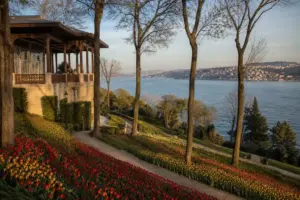 Emirgan Park – about 1.0 km away (~17 min walk) · typical visit: 2–3 hoursOpen daily 07:00–22:00
Main image: AI-generated illustration. It may not show the place exactly as it looks.
 Blue Mosque – about 12.3 km away · typical visit: 45–75 minutes3 min on foot from Gülhane metro
Main image: AI-generated illustration. It may not show the place exactly as it looks.
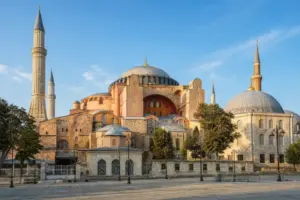 Hagia Sophia – about 11.8 km away · typical visit: 1–1.5 hours8 min on foot from Gülhane metro, Open daily 09:00–19:30
Main image: AI-generated illustration. It may not show the place exactly as it looks.
 Baltalimanı Japanese Garden – about 300 m away (~5 min walk) · typical visit: 30–45 minutesOpen daily 08:00–19:00
Main image: AI-generated illustration. It may not show the place exactly as it looks.
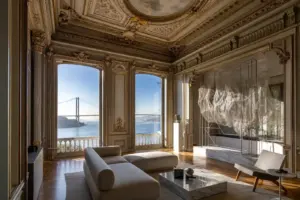 Borusan Contemporaryabout 400 m away (~6 min walk) · typical visit: 1.5–2 hours
Main image: AI-generated illustration. It may not show the place exactly as it looks.
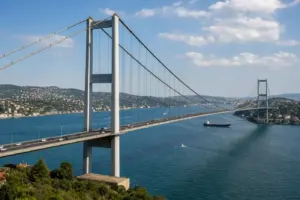 Fatih Sultan Mehmet Bridge – about 1.1 km away (~18 min walk) · typical visit: 30 minutes to 1 hourOpen 24 hours
Main image: AI-generated illustration. It may not show the place exactly as it looks.
Restaurants and cafes near Sakip Sabanci Museum
 Emirgan Sütiş – about 450 m away (~8 min walk)Open daily 06:00–02:00
Main image: AI-generated illustration. It may not show the place exactly as it looks.
Related guides
 Mikla: Michelin-Starred Turkish Rooftop Fine Dining15 min on foot from Tünel metro, Open 18:00–01:00, closed Sun
Main image: AI-generated illustration. It may not show the place exactly as it looks.
 Lokanta Kru: Seasonal Turkish Dining in NişantaşıOpen 12:00–22:00, closed Sun
Main image: AI-generated illustration. It may not show the place exactly as it looks.
 Arkestra: Michelin Fine Dining in a Music-Filled Villa11 min on foot from Etiler metro
Main image: AI-generated illustration. It may not show the place exactly as it looks.
 Istanbul Biennial: Contemporary Art Across Eight Beyoğlu Venues
Main image: AI-generated illustration. It may not show the place exactly as it looks.
 Sarıyer: Bosphorus villages, seafood and green escapes north of Istanbul
Main image: AI-generated illustration. It may not show the place exactly as it looks.
Browse more: More in Sarıyer · All Museums · All Sightseeing
FAQ: Sakip Sabanci Museum
Is the Sakip Sabanci Museum free?
Admission is charged on most days (moderate price level). Admission is completely free on Tuesdays for all visitors. Children under 12 and visitors with disabilities receive free admission every day of the week.
What is the difference between the mansion and the gallery wings?
The Atlı Köşk (Horse Mansion) is the original 1925 building, where the permanent Ottoman calligraphy collection and family furnishings are displayed in period rooms. The modern gallery wings (added 2002, expanded 2005) house the painting collection and all temporary exhibitions. Both are included in standard admission.
How long should I plan to spend at the museum?
Most visitors spend 2–3 hours to see both the permanent collections and temporary exhibition, plus the gardens. Allow 1.5 hours for essentials, 3–4 hours for a leisurely visit with the café.
Can I eat or drink at the museum?
Yes. The MSA Restaurant (terrace café) is on-site and serves Turkish and international cuisine with Bosphorus views. Food and drink purchases are separate from museum admission. There is no external food allowed in the gardens, but the café is excellent.
Is the museum wheelchair accessible?
Yes, the museum is fully wheelchair accessible. Ramps, lifts, and accessible restrooms are available. The Atlı Köşk mansion has lifts connecting floors, and modern gallery wings are fully accessible. Gardens have paved paths. Visitors with disabilities receive free admission and free companion tickets.
How do I get to the Sakip Sabanci Museum without a car?
Take a bus from central Istanbul toward Emirgan (buses 40, 40T, 42T from Taksim; buses 22, 22RE, 25E from Kabataş or Beşiktaş), or take a ferry to Emirgan pier and walk uphill. The bus journey takes 15–30 minutes from central areas. See the 'Getting There' section for details.
Can I photograph the artworks?
Photography is permitted for personal use. Flash and tripods are not allowed indoors to protect artworks. Drones are not permitted. Outdoor photography in gardens and terraces is unrestricted. Check the official website for any current gallery-specific restrictions.
What temporary exhibitions are currently on display?
Temporary exhibitions change annually or bi-annually. Check the official website (sakipsabancimuzesi.org) for the current schedule before your visit. Past exhibitions have featured major artists such as Monet, Rembrandt, Picasso, Dalí, and Ai Weiwei.
Istanbul Vibes is a one-person project. A coffee keeps it going
Hotels near Sakip Sabanci Museum
- Baltalimanı Polis Evi (50 m) Check prices (affiliate link, opens in a new tab)
Affiliate link (opens the booking site): we may earn a commission at no extra cost to you.
Restaurants near Sakip Sabanci Museum
- Angel Blue (50 m) Google Maps
- Oba Restaurant (450 m) Google Maps
Distances are straight-line, from OpenStreetMap data.

Take this guide with you
Get a free PDF of this guide to print or read offline: key facts, tips and a map link on a few clean pages.
Report an issue on this page
How we research and update our guides
About this guide: AI assistance and accuracy
This guide is created with the help of AI and is based on official sources where available. Mistakes can still happen. Opening hours, prices, rules and other details are given to the best of our knowledge as of the date shown and can change without notice. It offers general recommendations only, not professional, legal or travel advice. Please confirm important details with the official source before you travel; you are responsible for your own plans and decisions.
* Affiliate link: as an Amazon Associate we earn from qualifying purchases at no extra cost to you.
