

Information only. This page is general information, not medical advice and not a recommendation to have any treatment. The order of a list is not a ranking. Whether a treatment suits you can only be decided by a licensed doctor after an examination.
Traveling with a chronic condition requires planning, but Istanbul’s modern healthcare infrastructure, English-speaking medical professionals, and accessible pharmacy system make it manageable. This guide is for anyone traveling to Istanbul who takes regular medications, needs ongoing care, or wants to prepare for potential health needs while visiting.
The guide covers hospital access, how to obtain medications, what to bring from home, practical navigation of the Turkish healthcare system, and essential preparation steps. Whether you manage diabetes, heart conditions, asthma, or any other condition, these practical steps help visitors handle medical needs confidently.
At a Glance
| # | Place | Best for | Good to know |
|---|---|---|---|
| 1 | Preparation: Medical Summary and Medication Lists | Before you travel | Preparation at home; download and print or photograph for your phone |
| 2 | Bringing Medications From Home | What to pack | Pack in carry-on luggage; keep original packaging and labels intact |
| 3 | Private Hospital International Patient Departments | Emergency or urgent care | Beyoğlu, Şişli, Nişantaşı (European side) and Kadıköy (Asian side); most private hospitals are near metro stations |
| 4 | Turkish Pharmacies (Eczane) System | Getting medications | Green cross sign visible from street; found throughout the city; accept cash and cards |
| 5 | Getting Prescription Medications in Istanbul | If you run out or need refills | Private clinics available in all neighborhoods; near metro stations; usually open 09:00–19:00 weekdays |
| 6 | Controlled Medications and Customs | Traveling with restricted medicines | Declare at customs on entry; carry doctor's letter and original prescription with you |
| 7 | Istanbul Airport Pharmacy | Arriving without medication | Depart level, terminal; complimentary delivery to gate available |
| 8 | Public Transportation and Accessibility | Managing getting around | Metro card (Akbil) available at stations; tap readers at entry; buses throughout city |
| 9 | Staying Hydrated and Resting | Self-care while traveling | Water bottles available at convenience stores and pharmacies; parks and cafes throughout city |
| 10 | Insurance and Payment | Medical costs | Private clinics charge a consultation fee for walk-in visits; bring payment card or cash |
| 11 | Turkish Healthcare Authority Regulations | Official framework | Ministry of Health oversight; JCI-accredited hospitals meet international standards |
How We Chose
This guide is based on verified information from Istanbul’s major private hospitals, pharmacy regulations, and travel health guidance. The order reflects the logical sequence a traveler would follow—from preparation before departure through managing medications on arrival to accessing care if needed.
- All healthcare facilities named are private hospitals and clinics verified as operating and serving international patients
- Pharmacy information reflects Turkish national regulations that apply to all visitors
- Transportation tips are based on current metro and public transport accessibility
- This is information only, not a ranking or endorsement. Suitability depends on your individual condition and needs.
1. Preparation: Medical Summary and Medication Lists – Before you travel
Create a written document in English with your diagnosis, all current medications (using generic names, not brand names), dosages, allergies, and any recent medical procedures. Turkish pharmacists and doctors recognize international generic drug names more readily than foreign brand names. Include your doctor's contact information and any special medical conditions. Bring this document with you and keep a copy separately.
This single page removes ambiguity if you need to consult a doctor or pharmacist in Istanbul. Many conditions follow different naming conventions by country; having this in writing solves language barriers and prevents medication errors.
Good to know: Preparation at home; download and print or photograph for your phone
Tip: Use the generic (active ingredient) name for each medication, not the brand name. For example, "metformin" instead of "Glucophage", or "lisinopril" instead of "Prinivil". Turkish pharmacists search for medicines by generic name.
2. Bringing Medications From Home – What to pack
Carry enough medication to cover your entire trip in original pharmacy packaging with your name on the label. Turkish pharmacies require prescriptions for many medications that may be available over-the-counter elsewhere, so bringing your own supply avoids complications.
For controlled medications (such as opioids or certain psychiatric medications), carry your original prescription from your home country and a signed letter from your doctor on clinic letterhead confirming diagnosis, medication, dosage, and medical necessity. Keep everything in original packaging. Declare controlled medications at customs.
Good to know: Pack in carry-on luggage; keep original packaging and labels intact
Tip: If you take a controlled medication, get a letter from your doctor before you leave home. The letter should be on clinic letterhead and signed by the doctor. This avoids delays or questions at Istanbul customs.
3. Private Hospital International Patient Departments – Emergency or urgent care
Major private hospitals in Istanbul operate dedicated international patient departments staffed with English-speaking coordinators. These departments handle registration, translation, insurance paperwork, and follow-up communication for foreign visitors.
Walk-in access is standard; you do not need a referral or prior registration with the Turkish health system. Bring your passport and any travel insurance documentation. Private hospitals are modern, well-equipped, and accustomed to treating international patients with complex or ongoing conditions.
Good to know: Beyoğlu, Şişli, Nişantaşı (European side) and Kadıköy (Asian side); most private hospitals are near metro stations
Tip: Call ahead if possible or ask your hotel to call—the international patient department can often streamline check-in and arrange English-speaking staff to meet you, saving time during an urgent visit.
4. Turkish Pharmacies (Eczane) System – Getting medications
Pharmacies in Istanbul, called "eczane", are marked by a green illuminated cross outside. Most common over-the-counter pain relievers (paracetamol, ibuprofen), antihistamines, antacids, and digestive remedies are available without prescription. Many pharmacists speak basic English.
Medicines that require a Turkish prescription include antibiotics, blood pressure medications, asthma medications, strong painkillers, and hormonal treatments. If you need a prescription medication and brought no prescription from home, you must consult a doctor first—pharmacists cannot override this rule.
Good to know: Green cross sign visible from street; found throughout the city; accept cash and cards
Tip: Duty pharmacies (nöbetçi eczane) operate 24/7 on a rotating basis by neighborhood. Ask your hotel or a pharmacist which duty pharmacy is open in your area if you need medication after hours or on a Sunday.
5. Getting Prescription Medications in Istanbul – If you run out or need refills
Foreign prescriptions are not legally valid in Turkey. If you need a prescription medication and did not bring sufficient supply, you must visit a local doctor or clinic to obtain a Turkish prescription.
Private clinics offer walk-in appointments with minimal waiting. Bring your medical summary, original prescription from home (even if not valid for dispensing, it helps explain your need), and your passport. The doctor will issue a Turkish prescription that any pharmacy will honor.
Good to know: Private clinics available in all neighborhoods; near metro stations; usually open 09:00–19:00 weekdays
Tip: Show the pharmacist your foreign prescription or tell them the medication name in writing. For many common medicines, the pharmacist can suggest an equivalent available over-the-counter in Turkey. This avoids an unnecessary doctor visit.
6. Controlled Medications and Customs – Traveling with restricted medicines
Opioids, certain psychiatric medications, and some neurological medications are strictly controlled in Turkey. Carry these medications only in original pharmacy packaging with your name on the label, together with your original prescription from home and a signed letter from your doctor on clinic letterhead.
Include your diagnosis, the medication name, dosage, and medical necessity in the letter. If carrying significant quantities, declare them at customs. Turkish customs enforces these rules strictly; undeclared controlled medications may be confiscated or result in legal complications.
Good to know: Declare at customs on entry; carry doctor's letter and original prescription with you
Tip: Before traveling, contact your doctor and ask for a letter on clinic letterhead in English, specifically mentioning that you are traveling. This single document resolves most customs questions.
7. Istanbul Airport Pharmacy – Arriving without medication
If you arrive without enough medication or realize medication was lost, Istanbul Airport has pharmacies on the departures floor and offers a complimentary medicine delivery service to gates for passengers who need medication after passport control. If you need urgent medication after landing, this is your fastest option before leaving the airport.
For non-urgent needs after leaving the airport, seek a private clinic or hospital instead of attempting to navigate a public health facility.
Good to know: Depart level, terminal; complimentary delivery to gate available
Tip: If your medication is missing when you land, ask airport staff to direct you to the pharmacy. Explain your situation; the staff can often facilitate quick access or direct you to a nearby clinic.
8. Public Transportation and Accessibility – Managing getting around
Istanbul's metro is modern and wheelchair-accessible at major stations, though not all stations have elevators. Buses are crowded during peak hours (07:00–09:00 and 17:00–19:00) and may be stressful for those with fatigue or limited mobility.
For visitors with reduced mobility, joint pain, or fatigue, taxis and ride-sharing apps (such as Uber and Bolt) are efficient alternatives. Many people with chronic conditions find using taxis for longer journeys more manageable than navigating crowded public transport while managing symptoms.
Good to know: Metro card (Akbil) available at stations; tap readers at entry; buses throughout city
Tip: Download the city's transit app to plan routes before traveling. Many metro stations near tourist attractions have elevators; if you need accessibility, check the station in advance rather than arriving to find no elevator.
9. Staying Hydrated and Resting – Self-care while traveling
Istanbul's climate can be hot in summer and conditions like crowds, uneven streets, and intense sightseeing can aggravate chronic symptoms. Dehydration worsens many conditions, including headaches, joint pain, and blood pressure fluctuations.
Plan rest into your itinerary, not as an afterthought. Many museums and attractions allow entry during quieter morning or late afternoon hours. Cafes and parks provide rest spots throughout the city. Listening to your body and adjusting plans prevents symptom flare-ups that could derail your trip.
Good to know: Water bottles available at convenience stores and pharmacies; parks and cafes throughout city
Tip: Istanbul's streets are historic and often uneven. Wear comfortable walking shoes and take breaks. Smaller, neighborhood-based itineraries often work better than trying to cover major tourist sites in one day.
10. Insurance and Payment – Medical costs
Emergency care at public hospitals is free for tourists. Private hospital and clinic visits are paid services. Check whether your home country's health insurance covers treatment abroad, or purchase travel insurance that includes medical coverage before departure. Many travelers find it practical to pay private clinics directly; they often charge lower rates than comparable care at home.
Turkish payment systems are modern and widely accept international credit cards. Discuss costs upfront at private clinics; staff can typically provide quotes before treatment.
Good to know: Private clinics charge a consultation fee for walk-in visits; bring payment card or cash
Tip: Ask the clinic for a written invoice and record of any tests or diagnoses. This paperwork is useful for your home country doctor and for insurance claims.
11. Turkish Healthcare Authority Regulations – Official framework
The Turkish Ministry of Health sets regulations for healthcare services and foreign patients. These rules cover prescription requirements, controlled medications, and medical facility licensing. Hospitals are checked against international standards (such as JCI accreditation) but regulations differ from your home country. Private hospitals are the safest option for visitors; quality and practices vary widely among public facilities.
If you need to verify a clinic or doctor's credentials, ask for their license number or check with the Turkish Medical Association.
Good to know: Ministry of Health oversight; JCI-accredited hospitals meet international standards
Tip: Before choosing a doctor or clinic, ask whether they are JCI-accredited or licensed by the Turkish Ministry of Health. This is a quick marker of international standards.
Good to know
- Talk to your home country doctor before traveling. Discuss your trip length, the climate, and whether any adjustments to your medication timing or dosage might be needed. Ask for a written summary and an extra prescription as backup, even if it won't be filled in Turkey.
- Keep medications on their normal schedule despite time zones. If crossing time zones causes confusion, set phone reminders for medication times in your home time zone first, then transition gradually. Sudden changes in medication timing can destabilize some conditions.
- Many hotels have partnerships with doctors or clinics. If you need a doctor visit, ask your hotel concierge first—they often can arrange a same-day appointment or recommend a nearby clinic with English-speaking staff.
- Stress and new environments can trigger symptom flare-ups. If you feel symptoms worsening, rest instead of pushing through sightseeing. Most flare-ups improve quickly with rest; seeking care while symptoms are mild prevents complications.
- If you feel serious symptoms after hours (severe chest pain, difficulty breathing, sudden weakness), call emergency services (112 in Turkey) rather than trying to find a private clinic. Emergency care is free and the ambulance staff speak English.
- Before you leave the hospital or clinic after a visit, ask for a written summary in English of what was diagnosed, which medications were prescribed, and any follow-up care you need at home. Email this to your home country doctor so continuity of care isn't lost.
Explore Nearby Traveling with Chronic Conditions
Sights near Traveling with Chronic Conditions
 Beyazit Tower · typical visit: 20–30 minutes (viewing from outside)7 min on foot from Vezneciler metro
Main image: AI-generated illustration. It may not show the place exactly as it looks.
 Maçka Park · typical visit: 1–2 hoursOpen 24 hours
Main image: AI-generated illustration. It may not show the place exactly as it looks.
 Istanbul Sapphire Tower · typical visit: 1.5–2 hours2 min on foot from 4. Levent metro, Open daily 10:00–22:00
Main image: AI-generated illustration. It may not show the place exactly as it looks.
 Göztepe Park · typical visit: 1–2 hoursOpen 24 hours
Main image: AI-generated illustration. It may not show the place exactly as it looks.
Related guides
 How to Prepare for an Earthquake While Visiting Istanbul: Safety Steps and Real Risks
Main image: AI-generated illustration. It may not show the place exactly as it looks.
 Hysterectomy: Procedure Types, Recovery and What to Expect
Main image: AI-generated illustration. It may not show the place exactly as it looks.
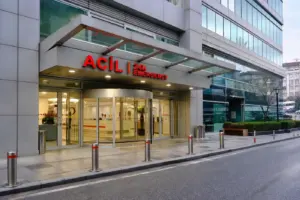 How to Get Medical Help in Istanbul: Emergency Care, Clinics and What to Expect
Main image: AI-generated illustration. It may not show the place exactly as it looks.
 Traveling with Prescription Medications: Istanbul Customs, Pharmacies and Rules
Main image: AI-generated illustration. It may not show the place exactly as it looks.
Browse more: All Health Guides · All Other
FAQ
Can I take my prescription medications through Istanbul customs?
Yes, if they are in original pharmacy packaging with your name on the label. For controlled medications (opioids, certain psychiatric drugs), carry your original prescription and a signed letter from your doctor confirming medical necessity. Declare controlled medications at customs. Most common chronic condition medications (blood pressure, diabetes, thyroid) pass through without issue.
What if I run out of medication while visiting?
If you brought an unused prescription from home, show it to a pharmacist (eczane); many common medicines are available over-the-counter or with minimal delay. If you need a new prescription, visit a private clinic or call your hotel for a doctor referral. Walk-in appointments typically take less than an hour. Istanbul Airport has pharmacies if the issue occurs on arrival.
Do I need travel insurance for chronic conditions?
Check your home country insurance to see whether it covers treatment abroad. Many policies exclude pre-existing conditions or require declaration. Travel insurance that specifically covers medical treatment abroad is affordable and recommended. Even if your condition is stable, Istanbul travel insurance protects against unexpected complications or accidents.
Are hospitals in Istanbul safe and accredited?
Major private hospitals are modern and many hold JCI accreditation (an international safety standard). They employ English-speaking staff and have international patient departments. Ask whether a hospital is JCI-accredited before choosing. Public hospitals are free but may not meet the standard you expect; private hospitals are the recommended choice for international visitors.
How much does a doctor visit or hospital visit cost?
Private clinic walk-in visits and consultations typically cost a moderate amount. Emergency care at public hospitals is free for tourists. Private hospitals charge for all services; costs depend on complexity of care. Discuss fees upfront before treatment. Many people find private care more affordable than equivalent treatment in their home country.
Can I get prescription refills if I forgot my medications?
Not directly. Foreign prescriptions are not legally valid in Turkey. You must visit a local doctor (at a private clinic) to obtain a Turkish prescription. The doctor will review your medical summary and issue a new prescription, which any pharmacy will honor. This typically takes a few hours.
What if I have a medical emergency after hours?
Call 112 (Turkish emergency number) for serious symptoms such as chest pain, difficulty breathing, or severe injury. Ambulances arrive quickly and speak English. Emergency care at public hospitals is free. For non-emergency issues (fever, mild pain, medication questions) after hours, ask your hotel for a duty pharmacy location or on-call clinic.
Is it better to use public or private hospitals?
Private hospitals are recommended for most international visitors with chronic conditions. They offer English-speaking staff, shorter waits, modern equipment, and international patient departments. Public hospitals are free but may be crowded and less familiar with international patients. Choose private care unless you experience a serious emergency, in which case emergency departments treat everyone regardless of payment.
Before you decide anything
- This page is information. It is not medical advice and not a recommendation to have any treatment or to choose any clinic, doctor or country.
- Every medical procedure has risks, and results and healing differ from person to person. A licensed doctor who has examined you decides whether a treatment is suitable.
- Talk to a doctor in your home country before you decide, and plan follow-up care at home: problems can appear after you return.
- Check that the clinic and the doctor are licensed in the official register of the Türkiye Cumhuriyeti Sağlık Bakanlığı, and ask for a written treatment plan and a consent form you understand.
- After a procedure, get urgent medical help for severe pain, fever, heavy bleeding or breathing problems. In an emergency call the local emergency number.
Kontrendikasyonlar olabilir. Bir uzmana danışmak gerekir.

Take this guide with you
Get a free PDF of this guide to print or read offline: key facts, tips and a map link on a few clean pages.
Report an issue on this page
How we research and update our guides
About this page: AI assistance and accuracy
This page was prepared with the help of AI and checked by automatic rules. It is general information only, not medical advice and not a recommendation to have any treatment or to choose any clinic. Mistakes can still happen and details can change without notice. Please check important details with the official source and talk to a licensed doctor before you decide anything.
