

Yeşilköy, meaning “green village” in Turkish, is a neighborhood in Istanbul’s Bakırköy district that sits along the Sea of Marmara about 11 kilometers west of the city center. Once known as San Stefano until 1926, when the name was changed at the suggestion of famous novelist Halid Ziya Uşaklıgil, Yeşilköy has preserved much of its character as a quiet, residential area despite the modern city’s expansion around it.
The neighborhood is inseparable from Turkish aviation history: it was the site of the first aviation school (opened 1912) and Atatürk Airport (completed 1953), which served as Turkey’s primary international gateway for decades before the new Istanbul Airport opened. Today, visitors find a seaside neighborhood with low-rise architecture, tree-lined streets, working fishing boats and waterfront restaurants that feel worlds away from the tourist routes of the historic peninsula.
Quick Facts
| Address | Bakırköy, Istanbul, Turkey Google MapsApple MapsYandex Maps |
|---|---|
| District | Bakırköy |
| Metro | Atatürk Havalimanı (M1A, Follow signs to airport terminal) Yeşilköy (Marmaray, Exit towards Yeşilköy Marina) |
| Best time to visit | Spring (April–May) and autumn (September–October) offer mild weather, clear skies and comfortable walking conditions. Summer can be hot and crowded with families at the waterfront on weekends. Winter is quiet and cool, with occasional rain, but still pleasant for a neighborhood walk. Early mornings (before 9 a.m.) are best for seeing fishing activity and the quietest atmosphere. Evenings (after 6 p.m.) bring families and couples to the waterfront, making it more lively but also busier. Weekdays are generally quieter than weekends. |
| Recommended duration | 2–3 hours |
What Is (and Isn't) Part of a Visit to Yeşilköy?
| Part | Status | Notes |
|---|---|---|
| Yeşilköy neighborhood (residential and waterfront area) | Included in the standard ticket | The neighborhood itself is freely accessible; streets, waterfront and marina are open to the public. |
| Yeşilköy Lighthouse (Yeşilköy Feneri) exterior | Included in the standard ticket | The lighthouse building is visible and photographable from the waterfront; the keepers' building is now a restaurant (separate ticket). |
| Fener Lokantası restaurant (in lighthouse building) | Separate ticket or institution | Requires a meal purchase; operates as a fish and seafood restaurant with waterfront seating. |
| Istanbul Aviation Museum (Hava Müzesi) | Separate ticket or institution | Located in the broader Yeşilköy area; requires a separate ticket and is a dedicated aviation history museum. |
| Atatürk Airport (former terminal and grounds) | Not open to visitors | The airport ceased commercial operations in 2018; the grounds are not open to public access as a sight. The Atatürk Havalimanı metro station passes through the site. |
| Yeşilköy Marina boat rentals | Separate ticket or institution | Boat rentals and harbor tours operate independently; prices and availability vary by season. |
| Aghios Stephanos (Greek Orthodox Church of St. Stephen) | Included in the standard ticket | The church is part of the neighborhood; visitors may visit outside of services; the Thysias ceremony occurs on December 26. |
Why Visit Yeşilköy?
Yeşilköy offers a genuine glimpse of how Istanbul residents live and work outside the heritage zones. The neighborhood combines genuine local flavor with accessible waterfront dining; the Yeşilköy Marina and fishing pier give a sense of the working harbor that has defined the area for centuries. History enthusiasts will appreciate the legacy of early Turkish aviation and the renamed street signs that reflect the 1926 change from San Stefano to Yeşilköy. The proximity to Atatürk Airport and Marmaray train connections makes it a convenient stop for those with time before or after flights.
How Yeşilköy Is Laid Out
Yeşilköy is spread along the coast with the main waterfront attractions running roughly east to west. The Yeşilköy Lighthouse (Yeşilköy Feneri), built in 1856, marks the neighborhood’s western point and sits at the end of a peninsula; today its keepers’ building houses a fish restaurant. From there, the neighborhood extends eastward with the Marina area providing boat rentals and waterfront promenades. The street grid is modest and walkable; most visitors start at either the Atatürk Havalimanı metro station (M1A line) in the north or the Yeşilköy Marmaray station in the south, with a 10–15 minute walk bringing you to the waterfront and main streets.
The neighborhood is bordered by the Sea of Marmara to the south, Yeşilyurt to the east, and Ataköy to the northeast. Florya and the western district of Çiroz lie beyond. Streets are quiet with a mix of detached houses with gardens and renovated four- or five-story residential buildings. There are no skyscrapers, which is part of Yeşilköy’s appeal for those seeking an authentic neighborhood experience.
Highlights of Yeşilköy
Yeşilköy Lighthouse (Yeşilköy Feneri)
Built in 1856, this functioning lighthouse stands on Yeşilköy Point overlooking the Sea of Marmara. The lighthouse outbuilding is now home to Fener Lokantası, a seafood restaurant where visitors can sit at tables with views of the water and passing boats. The structure is one of the few remaining Ottoman-era landmarks in the neighborhood and serves as a navigational anchor for the entire area.
Tip: Visit in late afternoon for golden-hour light off the water and to watch fishing boats return to the harbor at dusk.
Atatürk Airport (Closed but Historically Significant)
The site of the airport that served Istanbul from 1953 to 2018, Yeşilköy was where commercial aviation transformed Turkey. Opened as Yeşilköy Airport and renamed Atatürk Airport in 1985, the facility witnessed the modernization of Turkish air transport. While the airport itself is no longer operational for commercial flights, the neighborhood's streets and infrastructure still reflect this legacy, and the historical importance shapes how locals think about their neighborhood.
Tip: The Atatürk Havalimanı metro station (M1A) sits on the former airport grounds; walk around the area to observe what remains of the terminal and infrastructure.
Yeşilköy Marina and Waterfront
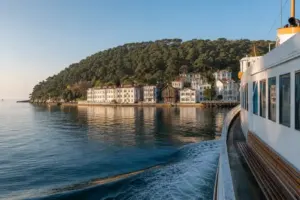
The marina offers boat rentals and a working fishing harbor where traditional fishing boats are still moored. This is the neighborhood's social heart—locals and visitors walk the waterfront promenade, watch the Sea of Marmara, and stop at waterfront cafés. The western part of the waterfront near the lighthouse is quieter and more atmospheric than the central marina area.
Tip: Early morning is best for seeing the fishing boats and fewest crowds; bring a camera for waterfront light and boat reflections.
Turkish Aviation School Origins
In 1912, Yeşilköy was chosen as the site of the Ottoman Empire's first aviation school, founded with the guidance of aviation pioneer Vecihi Hürkuş. The land's favorable winds, condition and proximity to the railway made it ideal. This location established Yeşilköy as the birthplace of Turkish military and civilian aviation. Though the structures are no longer visible, the historical significance remains embedded in the neighborhood's identity.
Tip: Visit the Istanbul Aviation Museum (Hava Müzesi) located in the Yeşilköy area to see early Turkish aircraft and learn more about the Aviation School.
Quiet Residential Streets and Architecture
The neighborhood's charm lies in its low-rise, tree-lined streets with detached houses with gardens and modest apartment buildings of four to five stories. There has been no high-rise development, which is unusual for modern Istanbul. Walking these streets, especially away from the waterfront, reveals a residential character that feels removed from tourism and urban density.
Tip: Wander inland from the marina into the residential blocks near Ahmet Rasim Pasha Caddesi; you'll find local cafés and a sense of everyday neighborhood life.
St. Stephen's Church and San Stefano History
The neighborhood's former name, San Stefano (or Ayastefanos), derives from a ship carrying the relics of Saint Stephen that wrecked near this shore in the early 13th century. The Greek Orthodox Church of Aghios Stephanos still stands in the neighborhood, marking this legend. On December 26 each year (Saint Stephen's Day), a ceremony called Thysias is held in the church garden, a tradition that connects the neighborhood to its Byzantine and Ottoman past.
Tip: If visiting on or near December 26, you may observe the traditional Thysias ceremony; otherwise, the church's quiet presence in a residential area is accessible year-round.
Treaty of San Stefano Historical Significance
The Treaty of San Stefano, signed in 1878 after the Russo-Turkish War, took its name from this location. Although the treaty itself was signed elsewhere, the name association reflects Yeşilköy's prominence in Ottoman history. This historical weight underpins the neighborhood's sense of place and its transition from imperial port to residential area.
Tip: While no specific treaty monument exists in Yeşilköy, the historical fact is worth knowing when walking the waterfront; it adds depth to understanding the neighborhood's role in Turkish-Russian history.
Waterfront Restaurants and Seafood Dining
The Yeşilköy waterfront offers a concentration of fish and seafood restaurants, from casual to upscale. Many have tables on outdoor terraces with views of the Sea of Marmara and working harbor. These establishments serve both local residents and visitors, offering fresh catch and traditional Turkish seafood preparations in a far more relaxed setting than restaurants in tourist-heavy areas.
Tip: Restaurants near the lighthouse tend to be quieter and more atmospheric; book ahead on weekends, especially for sunset dining.
Atmosphere
Yeşilköy feels like a neighborhood frozen in a more human-scaled Istanbul. The waterfront promenade is animated by local residents on evening walks, fishing boats, and the gentle sound of water lapping against the harbor walls. Streets inland are quiet and tree-lined, with the hum of the city distant. There are no tour groups, souvenir shops or the manufactured energy of tourist zones.
Early morning at the marina, fishermen tend their boats and sell the night’s catch to restaurants and locals. Afternoons are quieter inland, with neighbors sitting in neighborhood cafés. Evenings bring families to the waterfront and couples to waterfront restaurants. The light off the Marmara at sunset is soft and golden. Air traffic noise from the nearby metro line occasionally punctuates the calm, a reminder of the neighborhood’s aviation heritage. The feel is residential, workmanlike, and genuinely Turkish—a place where people live and work, not a stage set for visitors.
History of Yeşilköy
Yeşilköy’s recorded history begins in legend: according to local tradition, in the early 13th century, a ship carrying the relics of Saint Stephen (Agios Stephanos in Greek) was forced ashore near this point. The ensuing settlement took the name San Stefano or Ayastefanos, under which it remained for centuries. A Greek Orthodox church was built to honor the saint, establishing the area as a place of pilgrimage and settlement.
The neighborhood’s fortunes rose dramatically in the early 20th century. In 1912, the Ottoman military leadership identified Yeşilköy as the ideal location for an aviation school and facility. The flat land, favorable wind patterns, and proximity to the railway made it attractive. The Yeşilköy Aviation School officially opened on July 3, 1912, with pilot training overseen by early aviation figures including Vecihi Hürkuş. This school became the birthplace of Turkish military aviation and trained the pilots and observers who would form the Ottoman air force during World War I. Though the school was evacuated in 1919 at British request, the neighborhood’s identity as a center of Turkish aviation was established.
In 1947, following the Chicago Convention on International Civil Aviation signed three years earlier, the Turkish government approved a plan to develop Yeşilköy as Istanbul’s international airport. Construction began in 1949 and was completed in 1953, with American firms Westinghouse Electric and J. G. White Engineering Corporation involved. On August 1, 1953, Istanbul’s new international airport opened to international traffic. The modern terminal, international-standard runway, taxiways and maintenance facilities transformed Yeşilköy into a gateway for global air travel. For decades, Atatürk Airport (as it was renamed in 1985) remained Turkey’s busiest and most important aviation hub, witness to Turkish modernization and integration into global networks.
In 1926, reflecting the literary tastes of residents and the Republican era’s spirit, the neighborhood’s name was changed from San Stefano to Yeşilköy (“green village”), following a suggestion by acclaimed novelist Halid Ziya Uşaklıgil. This renaming symbolized a transition from Ottoman to Turkish Republican identity, though it retained the old names in local memory.
By the 1970s, Istanbul’s rapid expansion threatened to overwhelm Yeşilköy, but the neighborhood retained much of its character. Unlike many surrounding areas, high-rise development was limited, preserving low-rise residential architecture and tree-lined streets. The waterfront maintained its working harbor character, with fishing boats and family-run restaurants coexisting with the aviation activity above.
With the opening of Istanbul’s new airport in 2018, Atatürk Airport ceased commercial operations. This marked the end of an era, but Yeşilköy has quietly adjusted, maintaining its identity as a residential neighborhood with strong ties to maritime culture and early aviation history. Today it stands as a place where Ottoman heritage, early Republican ambition, and quiet residential life intersect, largely bypassed by the tourist currents that flow through the old city.
Legends and Myths about Yeşilköy
Saint Stephen's Shipwreck
Legend – historically unreliable. According to local tradition, in the early 13th century, a ship carrying the relics of Saint Stephen (Agios Stephanos) was caught in a storm and forced ashore near what is now Yeşilköy Point. The local people, taking this as a divine sign, built a church in honor of the saint. The name San Stefano, which the neighborhood carried for centuries, derives from this legend. A Greek Orthodox church dedicated to Saint Stephen still stands in Yeşilköy, and each December 26, the traditional Thysias ceremony takes place in its garden, commemorating the saint's protection.
Treaty of San Stefano Named After Yeşilköy
Disputed by historians. The Treaty of San Stefano, signed in 1878 after the Russo-Turkish War and a turning point in Ottoman-Russian relations, took its name from this neighborhood, signifying Yeşilköy's prominence in Ottoman geography and diplomacy. Though the treaty was signed elsewhere, the association gave Yeşilköy historical weight beyond its local significance and marked it as a place of empire-scale importance.
Tickets and Booking for Yeşilköy
Yeşilköy is a freely accessible neighborhood with no entry ticket required to walk the streets, waterfront or visit the lighthouse exterior. Attractions within the area have separate arrangements:
- Fener Lokantası restaurant: No entry fee; you must order food or drinks to sit. Dinner reservations recommended, especially weekends and sunset hours.
- Istanbul Aviation Museum: Operates separately with its own admission fee and hours; check the museum’s official website for current ticket prices and opening times.
- Boat rentals and harbor tours: Arrange directly at the marina; prices vary by boat size and rental duration.
Most visitors simply explore the neighborhood on foot. The area is best visited by Marmaray train (Yeşilköy station) or M1A metro (Atatürk Havalimanı station), both of which serve the Bakırköy district. There is no single official Yeşilköy visitor center, but local restaurants and marina staff can provide information.
Suggested itineraries Yeşilköy
1.5–2 hours
Walk from Yeşilköy Marmaray station toward the marina. Explore the waterfront promenade, watch the fishing boats and harbor activity. Visit the exterior of Yeşilköy Lighthouse at Yeşilköy Point. Have coffee or a light meal at a waterfront café. Walk inland through residential streets to see the neighborhood's tree-lined character. Return to the station.
3–4 hours
Start as above, then add a meal at a waterfront seafood restaurant (lunch or dinner). Visit Aghios Stephanos church and learn about the Saint Stephen legend. Spend more time wandering residential neighborhoods away from the waterfront. If interested in aviation history, combine with a visit to the Istanbul Aviation Museum (allow 1–2 additional hours and separate ticket).
Half day
Combine a full Yeşilköy exploration—waterfront, lighthouse, church, residential streets and a leisurely lunch or dinner—with a visit to the Istanbul Aviation Museum. Walk the broader area to understand the relationship between the neighborhood and its aviation heritage. End with a waterfront sunset walk before returning to the city center by Marmaray or bus.
How to Get to Yeşilköy
By Metro: Take the M1A line to Atatürk Havalimanı station (the western terminus). Exit toward the airport and follow signs to “Yeşilköy Mahallesi” or the waterfront. A 10–15 minute walk brings you to the marina and main streets.
By Marmaray commuter train: Take the Marmaray line to Yeşilköy station, which serves the neighborhood directly. Exit toward the waterfront; the marina and main area are a 5–10 minute walk away.
By bus: Various buses serve the area, including routes from central Bakırköy and the historic peninsula. The bus station at Hava Müzesi (Aviation Museum) is a landmark; from there, walk toward the water or follow local signage.
By taxi or car: Yeşilköy is about 25–30 minutes from Sultanahmet (historic peninsula) by taxi, depending on traffic. Parking is available in residential streets and near the marina, though space can be tight on weekends.
Accessibility
Yeşilköy is generally accessible on foot. The waterfront promenade is flat and paved, suitable for strollers and wheelchairs. Many waterfront restaurants have outdoor seating accessible at ground level. Residential streets vary; some have uneven or narrow sidewalks. The Marmaray and M1A metro stations have elevators and accessible entry. The Aghios Stephanos church has steps at its entrance; wheelchair access is limited. Most cafés and restaurants are at street level with accessible entry from the waterfront promenade.
Food Nearby
The waterfront offers a concentration of fish and seafood restaurants, many with tables overlooking the Sea of Marmara. Establishments range from casual tavernas to upscale dining. Fener Lokantası at the lighthouse is known for fresh seafood. Inland residential streets have local cafés, bakeries and smaller restaurants serving Turkish cuisine. A neighborhood market operates on Wednesdays with fresh produce and local goods. The atmosphere is far more residential than touristic, so dining is geared to local tastes and working-person prices rather than visitor markup.
What to Bring
Comfortable walking shoes (streets are paved but uneven in places). Hat and sunscreen for sunny days, as waterfront areas offer limited shade. An umbrella or rain jacket in winter or uncertain weather. If visiting the Aviation Museum, bring a jacket; indoor spaces can be cool. Water bottle; there are cafés but carrying water is practical. A light sweater or jacket for evenings, as waterfront breezes can be cool even in summer.
Best Views and Photo Spots of Yeşilköy
Yeşilköy Lighthouse at Yeşilköy Point
The lighthouse against the Sea of Marmara is the neighborhood's iconic landmark. Position yourself on the waterfront to capture the lighthouse tower with the water and far shore behind it. The setting sun behind the lighthouse creates silhouettes and golden light on the water.
Best time: Late afternoon from 4–6 p.m., especially 30–60 minutes before sunset, for warm, directional light. Clearest on calm, cloudless days.
Yeşilköy Marina and fishing boats
The working harbor with traditional fishing boats moored at the pier offers a lively, colorful scene. Boats are reflected in calm water, and the bustle of fishing activity (nets, equipment, people) creates authentic atmosphere. Wide-angle views show the curving marina with boats receding into distance.
Best time: Early morning (6–8 a.m.) when fishermen are active and light is soft. Evening light also works, but mornings are less crowded and boats are more active.
Waterfront promenade facing the Sea of Marmara
Long sight lines across the water toward the distant Asian shore. The promenade with benches, trees and locals creates human-scale context. Wide-angle shots capture the shoreline's expanse; tight framing isolates water and sky for minimalist compositions.
Best time: Sunrise and sunset for colorful skies and soft light. Overcast days create flat, calming water without glare.
Residential streets inland (Ahmet Rasim Pasha Caddesi area)
Tree-lined streets with low-rise architecture, local cafés and quiet character. Detached houses with gardens and modest apartment buildings create a human-scaled, residential mood distinct from central Istanbul. Dappled light through trees adds texture.
Best time: Mid-morning to early afternoon when light filters through leaves. Cloudy days reduce harsh shadows and reveal architectural detail more clearly.
View from the Marmaray platform or M1A station toward the bay
Elevated vantage point showing the broader waterfront and neighborhood in context. The contrast of urban infrastructure and water creates compositional depth. Interesting perspective on the relationship between transportation and place.
Best time: Daytime with clear light. Early morning or late afternoon add directional quality.
Photography Rules
Photography is generally permitted throughout the neighborhood, including the lighthouse exterior, marina, and streets. The waterfront at sunset offers excellent light. No drones are permitted without special authorization. Tripods may be used on the waterfront promenade but should not block foot traffic. Flash photography inside Aghios Stephanos church is discouraged during services; check before photographing inside.
Family Suitability
Yeşilköy is family-friendly for older children and parents seeking a relaxed, low-stress neighborhood outing. The waterfront promenade is safe and flat, suitable for strollers and young children. Fishing boats and marina activity interest children. Restaurants on the waterfront welcome families and offer seafood, which children may find more appealing than heavy meat dishes. The neighborhood's quiet streets feel safe for older children to explore on foot. Very young children may find fewer dedicated play areas compared to larger parks. The Marmaray station and M1A metro provide accessible transport with elevators, making arrival straightforward. Swimming at the waterfront is not typical; there are no beaches—the waterfront is for fishing and dining, not bathing.
Istanbul Vibes Tips
- Visit in the early morning (before 9 a.m.) if you want to see the fishing boats active and the waterfront quiet. Fishermen still work the harbor at dawn, and the light is soft and golden; it's the neighborhood's least crowded and most authentic moment.
- Use the Marmaray commuter train (direct to Yeşilköy station) rather than the M1A metro for faster, more direct access to the waterfront. The Marmaray is faster and puts you closer to the marina.
- Don't expect a tourist attractions 'experience'—Yeşilköy is a functioning neighborhood. The appeal is precisely that it feels lived-in and local. Wander inland away from the waterfront to see how residents actually use the streets and cafés.
- Book a waterfront restaurant dinner the day before if you want a specific table with a sunset view. Popular restaurants fill quickly, especially on weekends. The calm that made Yeşilköy special also means fewer dining spots than in central areas.
- Don't miss the Greek Orthodox Church of Aghios Stephanos. It's small and quiet but deeply connected to the neighborhood's history (the Saint Stephen shipwreck legend). If visiting near December 26, you may see the Thysias ceremony, a rare surviving Byzantine ritual.
- Bring a camera but don't spend all your time behind the lens—the real charm is the walk itself, the waterfront sounds and light, and the sense of being in a neighborhood where Istanbullus live, not a stage set. Sit and drink tea or coffee rather than rushing to photograph everything.
Explore Nearby Yeşilköy
Sights near Yeşilköy
 Istanbul Aviation Museumabout 500 m away (~8 min walk) · typical visit: 2–3 hours
Main image: AI-generated illustration. It may not show the place exactly as it looks.
 Belgrad Forestabout 28.2 km away · typical visit: 2–4 hours
Main image: AI-generated illustration. It may not show the place exactly as it looks.
 Istanbul Aquariumabout 2.2 km away · typical visit: 2–3 hours
Main image: AI-generated illustration. It may not show the place exactly as it looks.
Metro stations near Yeşilköy
 Ataköyabout 3.5 km away
Main image: AI-generated illustration. It may not show the place exactly as it looks.
Restaurants and cafes near Yeşilköy
 Mahsun Usta – about 350 m away (~6 min walk)Open daily 08:00–23:00
Main image: AI-generated illustration. It may not show the place exactly as it looks.
Related guides
 Beaches and Island Day Trips: Escape Istanbul by Ferry and Bus
Main image: AI-generated illustration. It may not show the place exactly as it looks.
 Bakırköy Dr. Sadi Konuk Training and Research Hospital: Information for International Patients
Main image: AI-generated illustration. It may not show the place exactly as it looks.
 Acıbadem International Hospital: Location, Services and Medical Care in Istanbul
Main image: AI-generated illustration. It may not show the place exactly as it looks.
 Medicana Ataköy Hospital: Services, Contact and How to Visit
Main image: AI-generated illustration. It may not show the place exactly as it looks.
 JW Marriott Hotel Istanbul Marmara Sea: Waterfront Luxury Away From City Centre
Main image: AI-generated illustration. It may not show the place exactly as it looks.
Browse more: More in Bakırköy · All Hidden Istanbul · All Neighborhoods
FAQ: Yeşilköy
Is Yeşilköy a neighborhood I can freely walk around, or is it restricted?
Yeşilköy is freely accessible as a residential neighborhood. Streets, the waterfront promenade and public spaces are open to visitors. There are no entry restrictions to the neighborhood itself. Individual attractions (restaurants, the Aviation Museum, boat rentals) have separate arrangements, but wandering and photography are unrestricted.
Can I see Atatürk Airport or walk through the former airport grounds?
The former Atatürk Airport ceased commercial operations in 2018. The grounds are not open to public access as a tourist sight. The Atatürk Havalimanı metro station (M1A line) runs through the area, and you'll see remnants of the facility from the train, but you cannot walk the airport itself. The neighborhood's aviation heritage is better explored at the Istanbul Aviation Museum.
How is Yeşilköy different from other neighborhoods like Bakırköy or Ataköy?
Yeşilköy is quieter, more residential and working-class than Ataköy (which is more upscale and suburban). It has a stronger connection to maritime and aviation history. The waterfront character and fishing harbor distinguish it from inland neighborhoods. It feels less developed and more authentically lived-in than heavily touristed areas, which is its appeal.
What is there to eat in Yeşilköy?
The waterfront is lined with fish and seafood restaurants with outdoor seating and water views, ranging from casual to upscale. Inland streets have local cafés, bakeries and Turkish restaurants serving everyday food. A Wednesday market offers fresh produce. Dining is geared to residents rather than tourists, so prices are reasonable and authentic.
Is Yeşilköy worth a visit if I only have a few hours in Istanbul?
If you have 2–3 hours and want to escape the tourist crowds and see where Istanbullus live, yes. The Marmaray or M1A metro access makes arrival straightforward. However, if your time is very limited, prioritize the historic peninsula (Sultanahmet) and major monuments first. Yeşilköy is better appreciated as a slower neighborhood walk than a rushed tourist tick-box.
Can I rent a boat or take a harbor tour from Yeşilköy?
Yes, the Yeşilköy Marina offers boat rentals and harbor tours. Arrangements are made directly at the marina; prices and availability vary seasonally. Boats allow you to see the waterfront and the Sea of Marmara from the water, offering a different perspective on the neighborhood.
When should I visit Yeşilköy to avoid crowds?
Weekday mornings (especially Tuesday–Thursday, 9 a.m.–noon) are quietest. Early morning (before 8 a.m.) shows fishing activity and calm. Autumn (September–October) is less crowded than summer. Avoid weekend afternoons and summer evenings, when families and couples fill the waterfront.
Is there a connection between Yeşilköy and the Treaty of San Stefano?
The 1878 treaty took its name from San Stefano, Yeşilköy's former Ottoman name, signifying the neighborhood's historical prominence. However, the treaty itself was signed elsewhere, not in Yeşilköy. The name association reflects the neighborhood's place in Ottoman-era history and diplomacy.
Istanbul Vibes is a one-person project. A coffee keeps it going

Take this guide with you
Get a free PDF of this guide to print or read offline: key facts, tips and a map link on a few clean pages.
Report an issue on this page
How we research and update our guides
About this guide: AI assistance and accuracy
This guide is created with the help of AI and is based on official sources where available. Mistakes can still happen. Opening hours, prices, rules and other details are given to the best of our knowledge as of the date shown and can change without notice. It offers general recommendations only, not professional, legal or travel advice. Please confirm important details with the official source before you travel; you are responsible for your own plans and decisions.
* Affiliate link: as an Amazon Associate we earn from qualifying purchases at no extra cost to you.
