

Fethiye Mosque, in the Fatih district’s historic Balat neighbourhood, is one of Istanbul’s most layered monuments. Originally built as the Church of Theotokos Pammakaristos (the All-Blessed Mother of God) in the late 13th century, it stands as a rare surviving example of Middle Byzantine architecture with later Palaiologan additions.
Converted into the Fethiye Mosque in 1591 to commemorate Ottoman military victories in Georgia and Azerbaijan, the building seamlessly blends its Christian origins with Islamic use. Today it remains partly a mosque while a partitioned section functions as a museum, housing Byzantine mosaics and frescoes that rank among the finest surviving examples from Constantinople’s final centuries.
Quick Facts
| Built / opened | 1282 (as church); 1591 (as mosque) |
|---|---|
| Address | Balat Draman Cd., 34087 Fatih, Istanbul, Turkey Google MapsApple MapsYandex Maps |
| District | Fatih |
| Admission | Free |
| Best time to visit | Visit on a weekday morning or late afternoon for fewer crowds and better light on the dome mosaics. The interior is dimmer on overcast days; clear sunny weather enhances the reflections off the mosaic gold tesserae. The building is pleasant year-round; there are no seasonal closures, though the stone can be slippery after rain. |
| Recommended duration | 1–1.5 hours |
What Is (and Isn't) Part of a Visit to Fethiye Mosque?
| Part | Status | Notes |
|---|---|---|
| Main mosque hall | Included in the standard ticket | Open for prayer and visitor viewing; modest dress expected. |
| Parekklesion (side chapel museum) | Separate ticket or institution | This section is partitioned off and functions as the Fethiye Museum; may have separate entry or fee. |
| Courtyard and exterior | Included in the standard ticket | Freely accessible; allows viewing of architectural layers and original surroundings. |
| Upper galleries or matroneum | Not open to visitors | Not typically open to visitors. |
Why Visit Fethiye Mosque?
The Fethiye Mosque offers something few other Istanbul sites can match: direct visual access to Byzantine artistry at its most refined. The mosaics and frescoes in the museum section—particularly the dome compositions—display the gold-background work and figure drawing that defined 14th-century Constantinople aesthetics. You can examine details that are difficult to see at larger, more crowded sites like Hagia Sophia.
The building’s architectural layers also tell a compressed history of Istanbul itself: a shrine for Orthodox Christians, a seat of the Patriarch, a victory monument for the Ottomans, and now a shared cultural space. The hillside location in Balat, surrounded by traditional wooden houses and narrow lanes, adds atmospheric context that brings this history into focus.
Highlights of Fethiye Mosque
The Main Dome Mosaics
The central dome is covered with Byzantine mosaics depicting the Pantocrator (Christ in judgment) surrounded by Old Testament prophets. These are among the largest and best-preserved dome mosaics in Istanbul after those in Hagia Sophia. The gold background and intricate tesserae (small glass tiles) create a luminous effect visible from the museum floor. Look for the figure of Christ blessing, and around it the prophets Moses, Ezekiel, and Habakkuk rendered with confident, individual faces.
Tip: The best light for viewing the dome mosaics reaches the museum section in the afternoon; visit late morning through early afternoon to see the details without harsh shadows.
The Parekklesion (Side Chapel) Museum
Originally a domed side chapel, this section is now cordoned off and functions as the Fethiye Museum. Its walls are adorned with mosaics and frescoes including depictions of saints, angels, and a Baptism of Christ. This was built later than the main church (14th century) and showcases the final flowering of Byzantine mosaic technique. The chapel was restored in the 1950s by the American Byzantine Institute, which uncovered these works.
Tip: This section is the museum proper; it has a separate entrance from the main mosque hall and may require a small fee (verify current status on arrival).
The Architectural Transition
The building visibly shows two distinct construction periods: the main 11th–12th-century church structure with its classical Byzantine proportions, and the vaulted aisles and additional supports added in the 14th century during the Palaiologan restoration. After Ottoman conversion in 1591, the apse was demolished, a mihrab added, and the interior partitioned. These layers of alteration—each adding stone, blocking, and architectural elements—are readable on the walls and in the column spacing.
Tip: Walk the perimeter path around the building to see the different masonry styles (stone and brick) from each era, and notice the later additions like the minaret and buttresses.
The Dome and Drum Lighting
The main dome sits on a high drum pierced by twelve windows, a feature that struck visitors as exceptional in Byzantine design. This arrangement floods the interior with light that reflects off the mosaics. The dome structure itself, built with stone and brick in a distinctive pattern, shows Middle Byzantine engineering before later bracing was added. The effect at midday is especially luminous.
Tip: Position yourself in the mosque's main hall and look straight up to see the full dome silhouetted against the lit drum; the contrast between the mosaic-covered surfaces and the apertures is architectural drama at its best.
The Marble Revetment and Stone Details
Traces of the original marble interior cladding remain on lower walls, along with carved stone capitals and cornices in the Byzantine style. The marble surfaces, worn and partial though they are, indicate the luxury of the original church. These materials—Greek marble and carved limestone—are harder to preserve than mosaics and much has been lost to weathering and human alteration over five centuries.
Tip: Look at the base courses and column capitals for marble fragments and carved ornament; these give a sense of the church's original richness before centuries of use and modification.
The Historic Role as Patriarchate Seat
From 1455 to 1587, this church was the seat of the Greek Orthodox Patriarchate, the spiritual centre of Orthodoxy under Ottoman rule. The relocation from the destroyed Church of the Holy Apostles to Pammakaristos marked a turning point: the Patriarch and his community had to negotiate their place in a conquered, increasingly Islamic city. This building thus witnessed the formation of Ottoman-era Christianity.
Tip: This historical significance is not marked by plaques in the mosque; visitors should know this context beforehand to appreciate the building's role beyond architecture alone.
Atmosphere
The Fethiye Mosque sits on a quiet hilltop in Balat, surrounded by timber-frame Ottoman-era buildings and narrow cobbled lanes. The interior is sober and reverent, neither heavily trafficked nor isolated. On weekdays, worshippers move through the main mosque hall, creating moments of genuine use rather than museum sterility. The museum section is generally quieter.
The light quality changes the mood: morning sun creates sharp shadows through the drum windows that animate the dome; afternoon light washes the interior in gold. The mosaics have a worn, ancient patina that reads as authentic rather than polished. The smell of age—stone, plaster, trace incense—lingers. Few visitors crowd here compared to other Istanbul monuments, making quiet observation possible.
History of Fethiye Mosque
The building began as a Byzantine church, the Monastery of the Theotokos Pammakaristos (All-Blessed Mother of God), founded in the late 13th century (around 1282). It was endowed by Michael Tarchaneiotes Glabas, a nephew of Emperor Michael VIII Palaeologos, at a time when the restored Byzantine Empire was reasserting itself after the Latin occupation. The church belonged to the Middle Byzantine period, though later renovations in the 14th century added the parekklesion (side chapel) in the ornate Palaiologan style.
After the Ottoman conquest of Constantinople in 1453, many churches were converted into mosques, but Pammakaristos retained its Christian function longer than most. In 1455, the church became the seat of the Ecumenical Patriarchate—the spiritual centre of Orthodox Christianity. This role gave the building unexpected importance within Ottoman rule: it became the place where the Patriarch could maintain continuity of Orthodox tradition and negotiate with Ottoman authorities on behalf of the Greek community. The Patriarchate remained here until 1587, when it moved to the Church of Saint George in Fener.
In 1591, during the reign of Sultan Murad III, the church was formally converted into a mosque. The Ottoman name, Fethiye Camii (Mosque of the Conquest), commemorated the empire’s military victories in Georgia and Azerbaijan—a naming convention for Ottoman conquest mosques. Structural changes followed: the apse was demolished, a mihrab (prayer niche) oriented toward Mecca was installed, and a minaret was added. The interior was partitioned to create an enclosed prayer space, though the original architectural volumes remained intact beneath the changes.
The building deteriorated over the following centuries. In 1845, Sultan Abdulmejid ordered repairs. In the early 20th century, a primary school was built in the courtyard and walls were removed. Between 1938 and 1940, serious restoration occurred, during which exterior plaster was cleaned and the building’s true structure re-emerged. In 1955, a team from the American Byzantine Institute undertook conservation work that uncovered the surviving Byzantine mosaics and frescoes, revealing the artistic richness hidden beneath centuries of plaster and neglect. The building was designated a museum for its parekklesion section while the main hall continues as a mosque.
Tickets and Booking for Fethiye Mosque
The mosque is freely accessible for viewing the main hall. The Fethiye Museum section (parekklesion) may have a small separate admission fee; verify current status on arrival or with nearby attendants. No tickets or advance booking are typically required for casual visits. Visiting during midday or early afternoon offers the best light for seeing the dome mosaics. Modest dress is expected in the mosque hall (covered shoulders and knees); the museum section has less strict requirements.
Suggested itineraries Fethiye Mosque
1 hour
Enter the main mosque hall, spend 15–20 minutes viewing the dome and dome mosaics from below. If the museum section is accessible, spend 30–40 minutes examining the parekklesion mosaics and frescoes in detail. Note the marble revetment and carved stone details on your exit.
1.5 hours
Start with the main hall; study the dome, drum lighting, and supporting architecture. Move to the museum section for a slow examination of each mosaic panel and fresco. Walk the building's exterior and surrounding lanes to see the Balat neighbourhood's Ottoman timber houses and narrow streets. Sit briefly in the courtyard to absorb the hilltop setting.
How to Get to Fethiye Mosque
By bus: Take a bus to the Fener or Fethiye stop. The mosque is a short walk uphill from either stop, following Draman Street into the Balat neighbourhood.
By walking: From the nearby neighborhoods of Fener or Balat, the mosque sits prominently on a hilltop and is reachable by a 10–15 minute walk through traditional residential lanes. The streets are steep and narrow but well-walked.
By metro: The closest metro line is the M2 (Red Line). Exit at Fener and walk uphill toward Balat; this is approximately a 15–20 minute walk. Alternatively, take a taxi or rideshare app directly to the mosque address on Draman Cd.
Accessibility
The building sits on a hillside with sloped entry approaches; reaching it requires some climbing up cobbled streets. The main mosque hall has a stepped entrance. The interior has narrow passages and uneven flooring. There is no wheelchair access to the upper gallery or museum section. Seating is very limited; those with mobility concerns should plan accordingly.
Food Nearby
The Balat neighbourhood nearby has informal neighbourhood cafés, traditional restaurants serving Turkish and Kurdish dishes, and small grocers. The waterfront area of the Golden Horn (Haliç) is within walking distance and has restaurant options with water views. Specific venue options change; explore the surrounding lanes on foot to find current open establishments.
What to Bring
Comfortable walking shoes suitable for steep, narrow, cobbled streets. A light jacket or sweater even in summer, as the interior stone is cool. Modest clothing (covered shoulders and knees) for the mosque hall. A camera or phone for photography (see photography rules below). The building offers no food or water services; bring a water bottle.
Best Views and Photo Spots of Fethiye Mosque
Interior main hall, directly beneath the dome
Straight up through the dome and drum at the mosaics, with light streaming through the 12 drum windows creating rays across the gold mosaic surface. The dome's geometric divisions and the surrounding prophets' figures frame perfectly in an upward shot.
Best time: Midday or early afternoon when the drum windows are most brightly lit and create the strongest contrast with the interior.
Museum section (parekklesion), facing a major mosaic panel
Close-range detail of a surviving Byzantine mosaic showing figures or scenes against the gold background, with the worn patina and tesserae patterns visible. The scale and artistry come across clearly at close range.
Best time: Any time; the museum section is generally well-lit and the mosaics are the same regardless of external light.
Exterior courtyard, looking at the building's east or south facade
The full architectural mass with visible stone and brick layering, the minaret, dome and drum silhouetted, and the surrounding traditional timber houses framing the structure. The architectural diversity across periods is apparent.
Best time: Late afternoon light when the stone facades show warm colour and shadow definition.
Photography Rules
Photography is generally permitted in the main mosque hall and the museum section, though flash and tripods should be avoided out of respect. Check with mosque staff on arrival for current rules. Interior lighting is low, so high-ISO settings or available light techniques work best. Exterior and courtyard photography has no restrictions.
Family Suitability
The steep hillside access and narrow lane navigation make this less suitable for very young children or those with strollers. The interior steps, narrow passages, and lack of railings present minor hazards for young children. Older children (8+) interested in history and art can appreciate the mosaics and the building's layered story. The quiet, reverential atmosphere may challenge children seeking activity or play. Supervision is necessary throughout.
Istanbul Vibes Tips
- Visit early in your Istanbul trip if Byzantine art interests you, while your eye is fresh for mosaic detail and before site fatigue sets in. The mosaics here are manageable in scale compared to Hagia Sophia, allowing true close observation rather than rushed viewing.
- Arrive during weekday hours if possible. The mosque is actively used for prayer, especially on Fridays and in early mornings and late afternoons; weekend visits can involve prayer times and reduced visitor access. Call ahead or ask at the entrance about prayer schedules.
- Spend time in the exterior courtyard and surrounding Balat lanes, not just the interior. The neighbourhood's Ottoman-era timber houses and street life are part of the historical context. This area offers some of Istanbul's best vernacular architecture photography.
- Many guidebooks and online sources state the church was founded in the 11th or 12th century; more recent scholarship places it at circa 1282. The 14th-century parekklesion additions are the truly exceptional Byzantine phase. Understanding this timeline helps interpret what you see.
- Bring a torch or flashlight app if visiting in late afternoon. The interior is naturally dim, and a small light helps reveal mosaic details that eyes might miss in shadow. Photography inside will require adjustments to your camera settings for available light.
Explore Nearby Fethiye Mosque
Sights near Fethiye Mosque
 Blue Mosque – about 3.7 km away · typical visit: 45–75 minutes3 min on foot from Gülhane metro
Main image: AI-generated illustration. It may not show the place exactly as it looks.
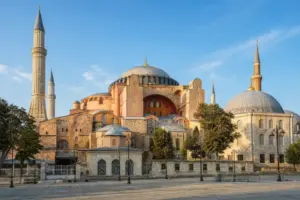 Hagia Sophia – about 3.6 km away · typical visit: 1–1.5 hours8 min on foot from Gülhane metro, Open daily 09:00–19:30
Main image: AI-generated illustration. It may not show the place exactly as it looks.
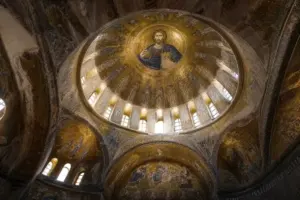 Chora Church – about 650 m away (~11 min walk) · typical visit: 2–3 hoursOpen 09:00–18:00, closed Fri
Main image: AI-generated illustration. It may not show the place exactly as it looks.
 Church of St. Mary of the Mongols – about 200 m away (~4 min walk) · typical visit: 45 minutes to 1 hourOpen 09:00–17:00, closed Mon
Main image: AI-generated illustration. It may not show the place exactly as it looks.
 Bulgarian St. Stephen Church – about 400 m away (~7 min walk) · typical visit: 30–45 minutesOpen daily 09:00–17:00
Main image: AI-generated illustration. It may not show the place exactly as it looks.
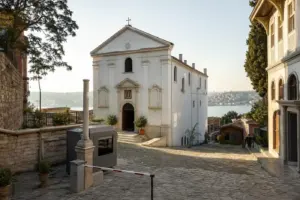 St. George's Cathedral – about 450 m away (~7 min walk) · typical visit: 30–45 minutesOpen daily 08:00–16:30
Main image: AI-generated illustration. It may not show the place exactly as it looks.
Metro stations near Fethiye Mosque
 Ayvansaray – about 1.2 km away (~19 min walk)Open daily 05:00–00:00
Main image: AI-generated illustration. It may not show the place exactly as it looks.
Related guides
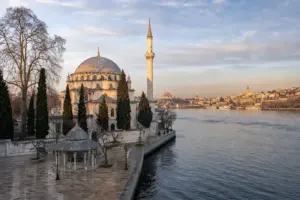 Eyüp: Sacred History, Cemeteries, and Golden Horn Views
Main image: AI-generated illustration. It may not show the place exactly as it looks.
 Best Underground Cisterns in Istanbul: Three Sites Compared
Main image: AI-generated illustration. It may not show the place exactly as it looks.
 The Red School in Fener: A Castle above the Golden Horn
Main image: AI-generated illustration. It may not show the place exactly as it looks.
 Orient Occident Hotel: Green and Brass in Sirkeci
Main image: AI-generated illustration. It may not show the place exactly as it looks.
 AJWA Sultanahmet: Ottoman Luxury Near the Blue Mosque
Main image: AI-generated illustration. It may not show the place exactly as it looks.
Browse more: More in Fatih · All Architecture · All Sightseeing
FAQ: Fethiye Mosque
Is this the same building as Chora Museum?
No. Fethiye Mosque (Pammakaristos) and the Chora Museum are two separate Byzantine churches in Istanbul. Both have outstanding mosaics and are worth visiting, but they are distinct buildings in different neighbourhoods. Chora is in Edirnekapı; Fethiye is in Balat.
Is entry free?
The main mosque hall is free to enter and view. The parekklesion (side chapel museum section) may have a small admission fee; policies vary. Check on arrival. No tickets or advance booking are usually required.
Can I visit during prayer times?
The main mosque hall remains accessible during prayer times, but visitors are expected to be respectful and unobtrusive. It is courteous to avoid entering during the midday prayer (Dhuhr) or Friday congregational prayer. Weekday early mornings and afternoons are typically less busy.
What dress is required?
Modest dress is expected in the mosque hall: covered shoulders and knees. The museum section has less strict requirements. Shoes are removed before entering the main prayer area; visitors can walk in socks or use provided shoe covers, or view from the periphery while shod.
Is there parking?
The Balat neighbourhood has limited on-street parking. Nearby bus stops and the metro station (Fener on M2) are more practical. Taxi or rideshare services can drop you at the mosque's gate. Once there, walking is the only option due to narrow streets.
How long should I spend here?
Budget 1–1.5 hours. This allows 15–20 minutes in the main hall studying the dome, 30–40 minutes examining the museum mosaics in detail, and time to walk the exterior and courtyard. If you rush, 45 minutes is a bare minimum.
Is a guide necessary?
A guide is not essential but adds value. The building's five centuries of architectural and religious transition are complex and not always obvious to casual visitors. A knowledgeable guide can explain the mosaic iconography and construction history. Consider hiring one if Byzantine art history is unfamiliar.
Why is part of this building a museum?
The parekklesion (side chapel) was partitioned off during the Ottoman period and closed to the main prayer space. In the mid-20th century, it was designated as the Fethiye Museum to preserve and display its exceptional Byzantine mosaics and frescoes, which might not have survived active prayer use. The main hall remains a functioning mosque.
Istanbul Vibes is a one-person project. A coffee keeps it going
Hotels near Fethiye Mosque
- Hotel Troya Balat (550 m) Check prices (affiliate link, opens in a new tab)
- Kariye otel (650 m) Check prices (affiliate link, opens in a new tab)
Affiliate link (opens the booking site): we may earn a commission at no extra cost to you.
Restaurants near Fethiye Mosque
- Zeman alkheir (100 m) Google Maps
- Konak Bufe (200 m) Google Maps
- Kaçar borek salonu (200 m) Google Maps
- Yaraligoz borek (250 m) Google Maps
Distances are straight-line, from OpenStreetMap data.

Take this guide with you
Get a free PDF of this guide to print or read offline: key facts, tips and a map link on a few clean pages.
Report an issue on this page
How we research and update our guides
About this guide: AI assistance and accuracy
This guide is created with the help of AI and is based on official sources where available. Mistakes can still happen. Opening hours, prices, rules and other details are given to the best of our knowledge as of the date shown and can change without notice. It offers general recommendations only, not professional, legal or travel advice. Please confirm important details with the official source before you travel; you are responsible for your own plans and decisions.
* Affiliate link: as an Amazon Associate we earn from qualifying purchases at no extra cost to you.
