

Arasta Bazaar is a narrow, shop-lined street tucked directly behind the Blue Mosque in Istanbul’s historic Sultanahmet district. Built in 1617 as part of the mosque complex, it was originally called the Sipahi Çarşısı—the Cavalry Bazaar—because it sold equipment for the Ottoman cavalry corps. Today, the bazaar remains a working marketplace of roughly 70 boutique shops offering traditional Turkish goods.
Unlike the vast Grand Bazaar elsewhere in the old city, Arasta Bazaar feels intimate and peaceful. Shopkeepers are not aggressive; the atmosphere is calm; and the street itself is manageable to walk at leisure. Most visitors spend an hour or two browsing, sipping tea, and taking in the surroundings.
Quick Facts
| Built / opened | 1617 |
|---|---|
| Address | Sultan Ahmet, Mimar Mehmet Ağa Caddesi No. 2, 34122 Fatih, Istanbul Google MapsApple MapsYandex Maps |
| District | Fatih |
| Metro | Sultanahmet (T1, Follow signs to Blue Mosque and Arasta Çarşısı; 400 m uphill walk) |
| Admission | Free |
| Best time to visit | Mid-morning (10:00–12:00) or late afternoon (16:00–18:00) are quietest. Avoid midday crowds (12:00–15:00) in summer. The bazaar is open on Sundays and stays open later than the Grand Bazaar (until about 19:00). Spring and autumn offer the most comfortable temperatures for walking and browsing. Weekdays are typically quieter than weekends. |
What Is (and Isn't) Part of a Visit to Arasta Bazaar?
| Part | Status | Notes |
|---|---|---|
| Bazaar street and shops | Included in the standard ticket | Entry to the bazaar street is free. Individual shop purchases are optional. |
| Great Palace Mosaic Museum | Separate ticket or institution | The museum is housed within or near the bazaar but requires a separate ticket and separate entrance fee. |
| Tea garden and nargile café | Included in the standard ticket | Open-air seating in the vicinity; you pay for tea or food ordered, not for the seating. |
| Blue Mosque (Sultanahmet Mosque) | Outside / not part of it | Adjacent to the bazaar but a separate site with its own entry rules and ticket (when applicable). The bazaar is behind and below the mosque courtyard. |
| Hagia Sophia | Outside / not part of it | A separate major sight approximately 10 minutes walk away; not part of the bazaar. |
Why Visit Arasta Bazaar?
Authentic without the crush. You will find the same high-quality goods as the Grand Bazaar—carpets, kilims, Iznik ceramics, textiles, jewelry—but with room to breathe. The bazaar is genuinely quieter and stays open later (until about 19:00 daily and open on Sundays).
Tied to the Blue Mosque. Rent from these shops historically funded the mosque’s maintenance. Walking through the bazaar is walking through part of the mosque’s complex; you are surrounded by its architecture.
Byzantine archaeology nearby. Beneath the bazaar lies the Great Palace Mosaic Museum, entered from the same lane, containing mosaics excavated during restoration work in the 1930s and unearthed from the ancient Byzantine palace.
How Arasta Bazaar Is Laid Out
Arasta Bazaar is a single covered street (or series of connected lanes) running along the southeastern side of the Blue Mosque courtyard. The bazaar runs roughly north to south, with Torun Sokak and Mimar Mehmet Ağa Caddesi forming its main entrance points. Most shops line both sides.
The Great Palace Mosaic Museum entrance is roughly halfway down the bazaar. A tea garden and nargile café with views of the Blue Mosque operate in the vicinity. The street is flat and straightforward to navigate; walking its full length takes 15–20 minutes if you browse casually.
Highlights of Arasta Bazaar
The Bazaar Street Itself
Built in 1617 as part of the Blue Mosque complex, the bazaar consists of around eighty stores lining a covered street, historically called the Sipahi Çarşısı because Ottoman cavalry corps equipment was sold here during the Ottoman period. The stores are made of stone and covered by a vault or roof in the traditional Ottoman arasta style. You will notice the stone arcades and the architectural unity of the shopfronts; this is the original design.
Tip: Enter from the Mimar Mehmet Ağa side (near the Blue Mosque) and walk the full length to the opposite end; you'll see the street's character more clearly this way.
Great Palace Mosaic Museum
Mosaics found during excavation works in the 1930s proved that the territory once formed part of the Byzantine-era Great Palace complex. The museum is housed within the bazaar complex and displays these stunning Byzantine mosaics. Entry is separate and requires its own ticket; it is a museum, not part of the bazaar shopping experience.
Tip: Visit the museum in the middle of your bazaar visit when you need a break from shopping. The cooler interior and quieter atmosphere offer relief.
Iznik Ceramics and Turkish Tiles
The bazaar features some of the classiest traders in the city, offering everything from genuine Iznik ceramics to fine textiles to beautifully crafted jewellery. Iznik tiles and ceramics are easily identifiable by their hand-painted botanical designs and distinctive blue and turquoise glazes.
Tip: Ask shopkeepers directly whether pieces are original Iznik or reproductions; many shops are honest about this distinction, and reproductions are still beautiful and authentic to Turkish craft.
Handwoven Textiles and Turkish Towels
If you are looking for handwoven pestemals (thin, flat-woven towels), blankets, bedspreads, curtains, or upholstery material, Jennifer's Hamam is one of the best sources in the city. Many shops specialize in kilims, ikat scarves, and traditional Turkish weaving.
Tip: Jennifer's Hamam operates on fixed prices, so do not attempt to bargain there. Other textile shops do negotiate.
Carpets and Kilims
The bazaar is lined with shops selling carpets and kilims, items similar to those you will find at the Grand Bazaar. The selection ranges from small decorative pieces to full-sized Turkish rugs. Quality and authenticity vary; examine weaving carefully.
Tip: Bring measurements of the space you want to fill. Shopkeepers will help you visualize how a carpet will look, and many offer shipping to arrange export.
Spices, Turkish Delight and Food
Several shops sell dried spices, saffron, Turkish delight (lokum), and prepared foods. A lively open-air café serving tea, water pipes, and Turkish food operates in the vicinity of the bazaar. These are informal vendors and cafés, not formal restaurants.
Tip: Buy spices in smaller quantities to test them at home before committing to larger purchases. Turkish delight quality varies; taste before buying.
Jewelry and Metalwork
The bazaar features beautifully crafted jewellery alongside ceramics and textiles. Silver jewelry, both contemporary and antique-style pieces, is widely available. Quality markings vary.
Tip: Ask for jewelry hallmarks (metal purity marks). Turkish silver is often 925 sterling or marked accordingly. Request certificates for expensive pieces.
Atmosphere
Arasta Bazaar feels quiet and leisurely compared to Istanbul’s busier markets. You walk on a flat, stone-paved street with shops on either side and arched stone vaults overhead, creating pools of shade. The light is soft and filtered through the arcade structure. Shopkeepers are present but not aggressive; many will acknowledge you but let you browse in peace.
The air carries the scent of spices, tea, and wood from the older buildings. You hear Turkish music or conversation from shops, the clink of tea glasses, and occasional call to prayer from the Blue Mosque nearby. The pace is slow; visitors linger, sit, negotiate, and sip tea. The bazaar attracts a mix of tourists and locals. Mornings and late afternoons are quieter than midday.
History of Arasta Bazaar
The market was established in 1617 under Sultan Ahmed I as part of the Sultan Ahmed Külliye, the mosque complex designed by the renowned architect Sedefkar Mehmed Ağa. Originally called the Sipahi Çarşısı (Cavalrymen’s Bazaar), this market served Istanbul’s elite cavalry units—light-armored horsemen who numbered up to 40,000 during the 17th century. The term ‘Arasta’ refers to a series of shops built beneath or near a mosque, with rent from these shops contributing to the maintenance of the mosque and its charitable institutions, including soup kitchens and schools.
The bazaar was constructed in 1617 above the covered rubble of the Great Palace of Constantinople, built by Constantine I in the 4th century. This location meant that during excavation and restoration, workers uncovered priceless Byzantine mosaics.
Originally this place was built in the 17th century together with the mosque and used to be stables during the Ottoman period. Several fires in the past destroyed the stables and it was left in ruins for a long time. It was converted into shops in the 1980s, permitting the money from rents to be used in the restoration works of the Blue Mosque. Originally a marketplace catering to specific artisan trades, Arasta Bazaar fell into neglect during the late Ottoman period and early Turkish Republic years. However, a significant restoration project in the 1980s revitalized the bazaar, transforming it into a unique shopping destination that preserves its historical roots while offering modern comforts.
Tickets and Booking for Arasta Bazaar
| Ticket | Price | Includes |
|---|---|---|
| Arasta Bazaar (street access) | Free | Entry to browse shops along the bazaar street. Purchases from individual vendors are optional and charged separately at shop prices. |
| Great Palace Mosaic Museum | ₺₺ | Separate museum ticket (not included in bazaar access). The museum is located within the bazaar zone but charged separately. |
₺ budget · ₺₺ moderate · ₺₺₺ upscale · ₺₺₺₺ splurge. Price levels are estimates compared with typical prices for visitors.
The bazaar requires no advance booking or tickets for street access. Entry is free and open to the public during operating hours.
The Great Palace Mosaic Museum is housed within the bazaar area and has its own ticket. Check the official museum website for current rates and opening hours, as these may differ from bazaar hours.
Shopping and haggling. Prices are displayed in Turkish lira. The atmosphere is peaceful (shopkeepers are not allowed to spruik potential customers), making it a low-pressure environment to browse. Haggling is customary in bazaars; you may politely negotiate prices, though not at all shops. Payment is usually cash (lira) or card, depending on the vendor. Ask before assuming card payment is available.
Suggested itineraries Arasta Bazaar
1 hour
Enter from the Mimar Mehmet Ağa side near the Blue Mosque. Walk the length of the bazaar at a relaxed pace, stopping at 2–3 shops that catch your eye. Have tea at the café. Exit the same way. This is a proper introduction without deep shopping.
2 hours
Arrive mid-morning or late afternoon (quieter). Browse both sides of the street, visiting 4–5 shops carefully. Sit for tea. Visit the Great Palace Mosaic Museum (roughly 30 minutes). Return to browsing if time permits. This is a balanced visit combining shopping and culture.
3 hours
Spend 1.5 hours browsing multiple shops and negotiating purchases. Visit the Great Palace Mosaic Museum for 45 minutes. Have lunch or snacks at the tea café. Browse again if desired. This allows time for more serious shopping and museum exploration.
How to Get to Arasta Bazaar
By tram (T1): Take the T1 line to Sultanahmet station. Follow directional signs toward the Blue Mosque. Head uphill on foot for approximately 400 meters; signage for ‘Arasta Çarşısı’ will guide you. The walk is uphill but flat once you reach the bazaar street itself.
On foot from Hagia Sophia: Approximately 10 minutes walk south and downhill. Head toward the Blue Mosque courtyard and continue southeast to the bazaar entrance.
On foot from Topkapi Palace: Approximately 15 minutes walk southwest.
By taxi: Give the driver the address ‘Arasta Çarşısı, Sultan Ahmet, Fatih.’ Parking in Sultanahmet is limited, so taxi drop-off is convenient.
By bus or ferry: Buses serving Sultanahmet stop near the tram station; ferries arrive at Eminönü pier, from which it is a 15-minute walk uphill to the bazaar.
Accessibility
The bazaar is on a long flat road and accessible to wheelchairs. Wheelchairs and mobility scooters can navigate the stone-paved street. Some shop entrances may have small steps; staff can usually assist. Accessible toilets are not noted; check with the bazaar management if this is essential. Benches are not evident along the street; the tea café offers seating.
Food Nearby
A lively open-air café serving tea, water pipes, and Turkish food operates just next to the bazaar. This informal café serves basic Turkish refreshments and light snacks. There is also a tea garden and nargile (waterpipe) café with a fantastic view of the Blue Mosque. For sit-down meals, small restaurants and cafés line the neighboring streets around the Blue Mosque and Sultanahmet Square, within a 5-minute walk.
What to Bring
Comfortable walking shoes (the street is stone-paved and flat but worn). Sun protection (hat, sunscreen) for the open sections; the arcades provide shade. A light scarf or jacket for prayer times (women may wish to cover shoulders inside the Blue Mosque if visiting). Small bills in Turkish lira for tea and small purchases; larger shops accept cards. A small bag for purchases; heavy carpets can be arranged for shipping. Water bottle to stay hydrated. No special dress code; casual wear is fine, but dress modestly in the surrounding mosque area.
Best Views and Photo Spots of Arasta Bazaar
Bazaar entrance from Mimar Mehmet Ağa side
Looking into the street shows the arched stone vault ceiling, shops on both sides, and the filtered light creating a historic atmosphere. The composition frames the street's depth and architectural character.
Best time: Early morning or late afternoon for soft directional light and fewer people in frame.
Tea café area with Blue Mosque view
From the café seating, the Blue Mosque is visible in the background. The scene captures bazaar life—tea service, patrons relaxing, and the mosque's silhouette.
Best time: Late afternoon when the light is golden and the café becomes more populated with visitors.
Shop frontages with detail
Close-ups of shop entrances reveal painted woodwork, tiled surrounds, and carefully arranged displays of ceramics, rugs, or jewelry. These frames highlight the artisan craftsmanship.
Best time: Midday when shop exteriors are well-lit and organized.
Interior of a textiles shop
Stacks of colorful kilims, scarves, or ikat fabrics create layered, saturated color compositions. The textural quality is strong when photographed from the side.
Best time: When the shop is open and the owner is amenable; ask first. Interior light varies.
Photography Rules
Photography is permitted in the bazaar street and shops. The Great Palace Mosaic Museum may have specific photography rules; check on entry. Flash photography in shops should be requested first out of courtesy. Tripods and drones are not typical for this street market; use them only with explicit permission. Taking photographs of people requires consent, especially in religious or private spaces.
Family Suitability
The bazaar is suitable for families with children aged 7 and up. The street is flat, paved, and not crowded enough to be overwhelming. Younger children may tire from the pace and may not be interested in shopping for long periods. Stroller access is possible on the flat street, though not all shop interiors accommodate strollers. The relaxed atmosphere and tea café make it a low-stress experience compared to busier markets. A tea garden and nargile café offer seating where families can rest. The Great Palace Mosaic Museum (separate ticket) is educational for older children and history-minded families.
Istanbul Vibes Tips
- Negotiate in Turkish, not English. Shopkeepers respect polite haggling more when you use basic Turkish phrases. A smile and 'Nedir en iyi fiyat?' (What is your best price?) opens conversation. You are more likely to win a better deal.
- Avoid the early afternoon rush (12:00–15:00) in summer when tour groups arrive in waves. The bazaar is genuinely peaceful in the late morning (10:00–12:00) or late afternoon (16:00–18:00).
- Do not assume all 'Turkish' goods are made in Turkey. Ask shopkeepers directly where items are sourced. Some pieces are genuinely handmade; others are factory-made. Quality varies; examine weaving and stitching closely.
- Bring small bills. Many small shops prefer cash and may not have change for large denominations. Turkish ATMs and currency exchange are within 5 minutes walk in Sultanahmet.
- Combine your visit with the Blue Mosque (free entry during prayer hours, modest dress required) rather than visiting them separately. The bazaar and mosque are a single historical complex; seeing both together makes sense culturally and logistically.
- The Great Palace Mosaic Museum is easy to skip, but it is genuinely worthwhile if you are interested in Byzantine history. The entrance is unmarked; ask a bazaar shopkeeper to point it out if you miss it.
Explore Nearby Arasta Bazaar
Sights near Arasta Bazaar
 Blue Mosque – about 100 m away (~2 min walk) · typical visit: 45–75 minutes3 min on foot from Gülhane metro
Main image: AI-generated illustration. It may not show the place exactly as it looks.
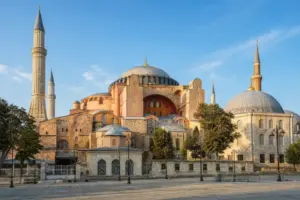 Hagia Sophia – about 450 m away (~7 min walk) · typical visit: 1–1.5 hours8 min on foot from Gülhane metro, Open daily 09:00–19:30
Main image: AI-generated illustration. It may not show the place exactly as it looks.
 Topkapi Palace – about 900 m away (~14 min walk) · typical visit: 3–4 hours without Harem; 4–5 hours with Harem15 min on foot from Gülhane metro, Open 09:00–18:30, closed Tue
Main image: AI-generated illustration. It may not show the place exactly as it looks.
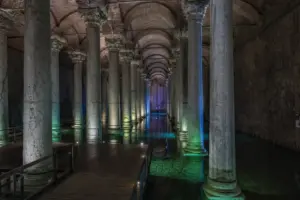 Basilica Cistern – about 150 m away (~3 min walk) · typical visit: 1 hour4 min on foot from Gülhane metro, Open daily 09:00–18:30
Main image: AI-generated illustration. It may not show the place exactly as it looks.
 Hippodrome – about 250 m away (~4 min walk) · typical visit: 1–2 hours5 min on foot from Gülhane metro, Open 24 hours
Main image: AI-generated illustration. It may not show the place exactly as it looks.
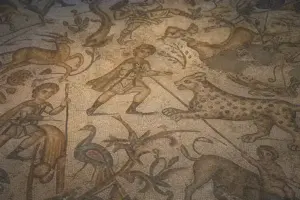 Great Palace Mosaics Museum – about 100 m away (~2 min walk) · typical visit: 45 minutes to 1 hour1 min on foot from Gülhane metro, Open daily 09:00–19:30
Main image: AI-generated illustration. It may not show the place exactly as it looks.
Metro stations near Arasta Bazaar
 Gülhane – about 50 m away (~1 min walk)Open daily 06:00–00:00
Main image: AI-generated illustration. It may not show the place exactly as it looks.
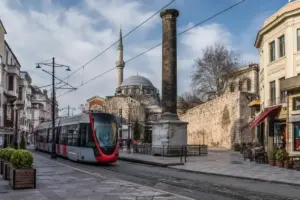 Çemberlitaşabout 700 m away (~11 min walk)
Main image: AI-generated illustration. It may not show the place exactly as it looks.
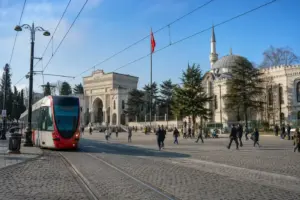 Beyazıt-Kapalıçarşı – about 1.0 km away (~17 min walk)Open daily 06:00–00:00
Main image: AI-generated illustration. It may not show the place exactly as it looks.
Restaurants and cafes near Arasta Bazaar
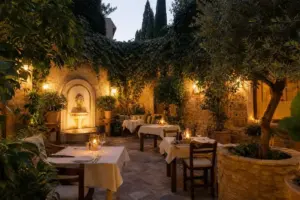 Hidden Garden – about 200 m away (~3 min walk)4 min on foot from Gülhane metro, Open daily 11:00–00:00
Main image: AI-generated illustration. It may not show the place exactly as it looks.
 Giritli Restaurant – about 300 m away (~5 min walk)3 min on foot from Gülhane metro, Open daily 12:00–00:00
Main image: AI-generated illustration. It may not show the place exactly as it looks.
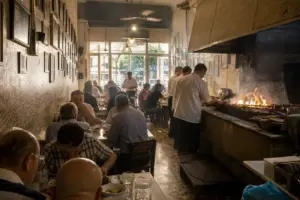 Tarihi Sultanahmet Koftecisi – about 350 m away (~6 min walk)7 min on foot from Gülhane metro, Open daily 11:00–23:00
Main image: AI-generated illustration. It may not show the place exactly as it looks.
 Balık Ekmek at Eminönü – about 400 m away (~6 min walk)7 min on foot from Gülhane metro, Open daily 09:00–22:30
Main image: AI-generated illustration. It may not show the place exactly as it looks.
Nightlife near Arasta Bazaar
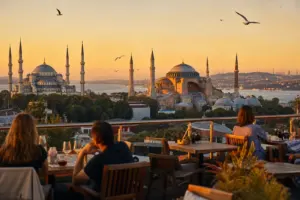 Seven Hills – about 250 m away (~4 min walk)4 min on foot from Gülhane metro, Open daily 08:00–23:00
Main image: AI-generated illustration. It may not show the place exactly as it looks.
 Roxy – about 400 m away (~6 min walk)7 min on foot from Gülhane metro
Main image: AI-generated illustration. It may not show the place exactly as it looks.
Train stations and river piers near Arasta Bazaar
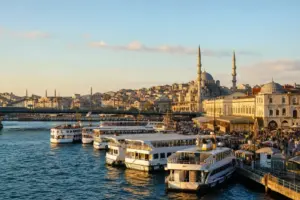 Eminönü Ferry Terminalabout 1.5 km away (~24 min walk)
Main image: AI-generated illustration. It may not show the place exactly as it looks.
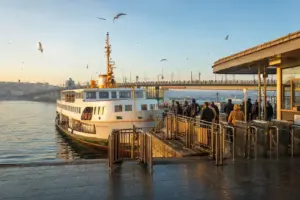 Karaköy Ferry Terminalabout 1.9 km away (~31 min walk)
Main image: AI-generated illustration. It may not show the place exactly as it looks.
Events and traditions near Arasta Bazaar
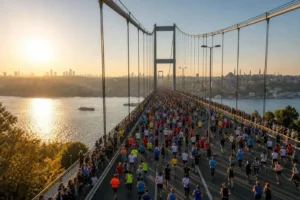 Istanbul Marathonabout 150 m away (~3 min walk)
Main image: AI-generated illustration. It may not show the place exactly as it looks.
Related guides
 Buying Turkish Carpets in Istanbul: Quality, Costs and Scams
Main image: AI-generated illustration. It may not show the place exactly as it looks.
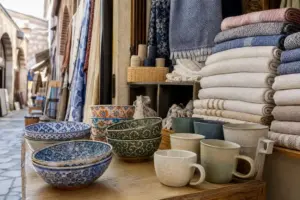 30 Best Souvenirs from Istanbul: What to Buy and Where to Find It
Main image: AI-generated illustration. It may not show the place exactly as it looks.
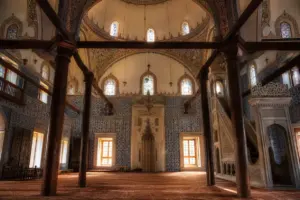 Sokollu Mehmet Pasha Mosque: A Masterpiece of Ottoman Architecture5 min on foot from Gülhane metro
Main image: AI-generated illustration. It may not show the place exactly as it looks.
 Istanbul in Autumn: Golden Light, Festivals and Fewer Crowds
Main image: AI-generated illustration. It may not show the place exactly as it looks.
 Turkish Delight: How to Make Lokum at Home
Main image: AI-generated illustration. It may not show the place exactly as it looks.
Browse more: More in Fatih · All Markets & Shopping · All Sightseeing
FAQ: Arasta Bazaar
Is entry to the bazaar free?
Entry is free, as the bazaar is an open market street rather than a ticketed attraction. You can browse shops without paying. Shopping purchases are optional and charged separately.
Is the Great Palace Mosaic Museum included in bazaar entry?
No. The museum is located within or near the bazaar zone but requires a separate ticket. The museum has its own entrance, hours, and fee. See the booking section for details.
Is it crowded? Can I avoid crowds?
Arasta Bazaar offers a peaceful and charming contrast to the larger, more crowded markets. Compared with the city's larger bazaars, Arasta provides a more relaxed and tranquil atmosphere, with fewer crowds. Visit late morning or late afternoon for the fewest people.
How long should I spend here?
1–2 hours is typical. A relaxed browse of the street takes 1 hour; adding tea, the museum, or serious shopping extends the visit to 2–3 hours. The itineraries section offers specific options.
Do I need to haggle?
Haggling is customary in Istanbul bazaars, including Arasta. However, the atmosphere is peaceful (shopkeepers are not allowed to spruik potential customers), so the experience is low-pressure. Some shops, like Jennifer's Hamam, have fixed prices. Polite negotiation usually works.
Can I use a card, or do I need cash?
Many shops accept cards, but cash (Turkish lira) is safer, especially at small vendors. Bring small bills; change is not always available. ATMs are within 5 minutes walk in Sultanahmet.
What is the difference between Arasta Bazaar and the Grand Bazaar?
Arasta Bazaar is a walkway lined with shops selling items similar to those at the Grand Bazaar (primarily carpets, ceramics, textiles, jewelry, and handicrafts), at sometimes lower prices. The atmosphere is considerably calmer, and, unlike the Grand Bazaar, Arasta is open on Sundays and stays open later.
What is arasta?
An arasta is a series of shops built beneath or near a mosque. Rent from the shops provides money for the maintenance and repair of the mosque. The term is Ottoman architectural terminology. Arasta Bazaar is a prime historical example of this arrangement.
Istanbul Vibes is a one-person project. A coffee keeps it going
Hotels near Arasta Bazaar
- Sultan Ahmet Palace (50 m) Check prices (affiliate link, opens in a new tab)
- Nobel Hostel (100 m) Check prices (affiliate link, opens in a new tab)
- Divalis Hotel (100 m) Check prices (affiliate link, opens in a new tab)
- Lamp Hotel (100 m) Check prices (affiliate link, opens in a new tab)
Affiliate link (opens the booking site): we may earn a commission at no extra cost to you.
Restaurants near Arasta Bazaar
- Serbethane Cafe & Restaurant (100 m) Google Maps
- West Town Cafe & Restaurant (100 m) Google Maps
- Sultan Köşesi (150 m) Google Maps
- Akbıyık Balık Evi (150 m) Google Maps
Distances are straight-line, from OpenStreetMap data.

Take this guide with you
Get a free PDF of this guide to print or read offline: key facts, tips and a map link on a few clean pages.
Report an issue on this page
How we research and update our guides
About this guide: AI assistance and accuracy
This guide is created with the help of AI and is based on official sources where available. Mistakes can still happen. Opening hours, prices, rules and other details are given to the best of our knowledge as of the date shown and can change without notice. It offers general recommendations only, not professional, legal or travel advice. Please confirm important details with the official source before you travel; you are responsible for your own plans and decisions.
* Affiliate link: as an Amazon Associate we earn from qualifying purchases at no extra cost to you.
