
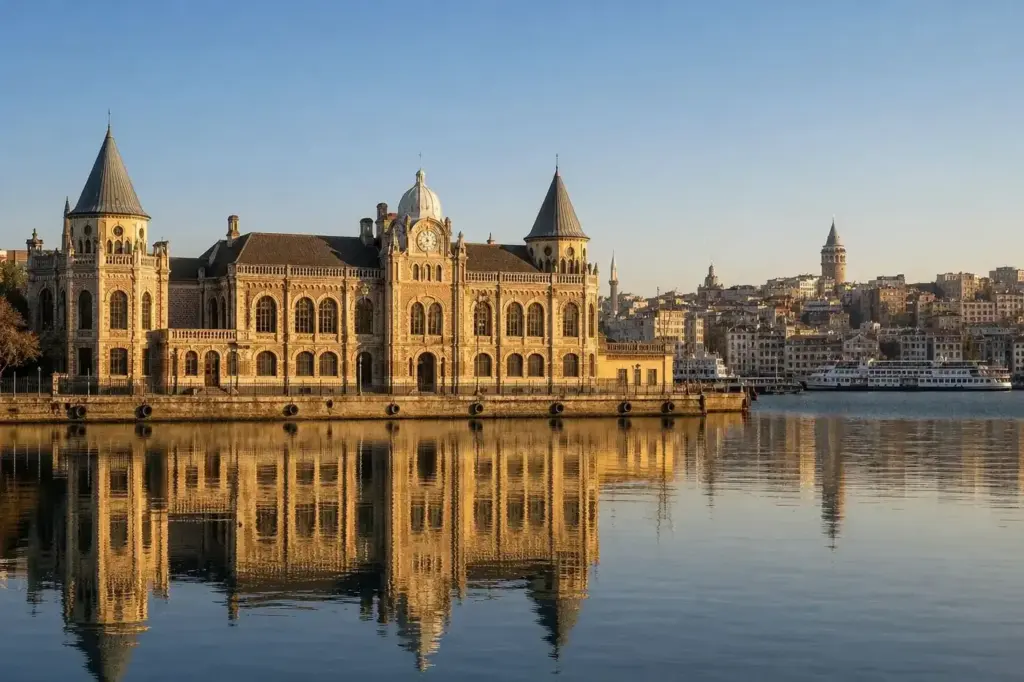
Sirkeci is a neighborhood in the Fatih district, sandwiched between Sultanahmet and Eminönü on the Golden Horn‘s eastern shore. Its name means ‘vinegar-maker’ in Turkish, but the area is known worldwide as the Istanbul terminus of the legendary Orient Express, which arrived here from Paris in 1883. Today, Sirkeci functions as a vital transport junction where Marmaray trains, trams, ferries and suburban rail lines converge beneath and around the historic 1890 railway station.
What makes Sirkeci practical for visitors is its density: within a 5–10 minute walk are Hagia Sophia, Topkapı Palace, the Basilica Cistern, Spice Bazaar, Grand Bazaar, Blue Mosque and Gülhane Park, plus hundreds of hotels and restaurants at lower prices than Sultanahmet. It is a neighbourhood defined by movement and commerce, not monuments.
Current access notice: As of October 2026: The Sirkeci railway station building remains under ongoing restoration. Access to certain areas, including the Istanbul Railway Museum and some heritage spaces, may be limited or subject to changing hours. Check with station staff or the Turkish State Railways (TCDD) website for the latest access details.
Quick Facts
| Address | Sirkeci, Fatih, Istanbul, Turkey Google MapsApple MapsYandex Maps |
|---|---|
| District | Fatih |
| Metro | Sirkeci (Marmaray, Main station building) Sirkeci (T6 (U3 Sirkeci–Kazlıçeşme line), Main entrance) |
| Best time to visit | Sirkeci functions year-round, but visitor patterns vary. Spring (April–May) and Autumn (September–October) offer mild weather and moderate crowds. Summer (June–August) brings peak tourism; the neighborhood is extremely crowded and hot, especially midday.Winter (November–February) is quieter but can be rainy and grey. The Golden Horn remains fascinating year-round; morning light (before 09:00) is best for photography of the station and waterfront.Weekdays (Monday–Friday) are calmer than weekends; the neighborhood is busiest midday (11:00–15:00) when tour groups and commuters overlap. Evenings (after 18:00) are quieter except on Hocapaşa Street, which remains lively through 21:00. |
| Recommended duration | 3–4 hours |
What Is (and Isn't) Part of a Visit to Sirkeci?
| Part | Status | Notes |
|---|---|---|
| Sirkeci railway station (historic building and platforms) | Included in the standard ticket | Open to visitors entering for trains or to explore; no separate ticket required to walk through the main hall and view the architecture. |
| Istanbul Railway Museum (Demirbaş Müze) | Separate ticket or institution | Located inside the station; free entry but may have limited hours during renovation. |
| Marmaray platform and tunnel access | Included in the standard ticket | Accessible with a valid transport card or ticket; requires payment for travel, not separate admission. |
| Sirkeci ferry pier (Sirkeci Şehir Hatları) | Separate ticket or institution | Located southwest of the station; requires a ferry ticket to board, operated by Şehir Hatları and IDO. |
| Gülhane Park | Outside / not part of it | Separate attraction, a 5-minute walk east; entry is free but belongs to the Topkapı Palace complex. |
| Eminönü Pier and Egyptian (Spice) Bazaar | Outside / not part of it | Separate areas and attractions; Eminönü pier is a 10-minute walk west, the bazaar is 10 minutes southwest. |
Why Visit Sirkeci?
Sirkeci offers unmatched convenience as a base for exploring Istanbul’s historic core. Its position on the Golden Horn puts you steps from major attractions—Hagia Sophia is an 8-minute walk, Topkapı Palace 9 minutes on foot—yet it avoids the tourist crush of Sultanahmet. Ferry docks connect to Kadıköy, Üsküdar, the Bosphorus and the Princes’ Islands. The Marmaray line enables rapid access to the Asian side without crossing a bridge.
The neighborhood retains working-city character: bakeries, stationers, pharmacies and exchange offices sit alongside hotels and restaurants, making longer stays practical. Hocapaşa Street is a tight lane of kebab houses, fish restaurants and pudding shops open from noon into evening, where local workers eat rather than tourists.
How Sirkeci Is Laid Out
Sirkeci is small and compact, roughly 10 minutes walk north to south and east to west. The Sirkeci railway station (containing Marmaray and T6 stations) occupies the northern waterfront, its grand Ottoman-era building facing the Golden Horn. From the station, Hocapaşa Street runs southeast as the neighborhood’s main artery, lined with restaurants and tea houses. Streets west of the station toward the ferry pier are more commercial; those east toward Cağaloğlu and Gülhane Park are quieter with traditional buildings and smaller hotels.
The tram line runs along the western edge. The southern boundary is roughly where the neighborhood merges with Cağaloğlu and Eminönü. Walking from the station to any point in Sirkeci takes under 15 minutes.
Highlights of Sirkeci
Sirkeci Railway Station
Designed by Prussian architect August Jasmund and inaugurated on February 11th, 1888 during the reign of Sultan Abdülhamid II, this Ottoman-era terminus has a striking Oriental-Gothic façade with turrets, clock towers and stained-glass windows. The very first Orient Express train from Paris pulled into Istanbul on October 4, 1883, establishing Sirkeci's fame as the gateway where European elegance met Ottoman Constantinople. Today the building houses the Marmaray metro station and the Istanbul Railway Museum, which displays historical train furniture and memorabilia. The station remains the symbolic heart of the neighborhood.
Tip: Enter from the waterfront side to see the full façade and clock towers; the station interior is open to rail passengers and museum visitors, though access rules may apply during renovation phases.
Istanbul Railway Museum (Demirbaş Müze)
Located inside Sirkeci Station, this small museum opened in 2005 and displays around 300 historical items from the railway's golden age: china and silver cutlery from Orient Express dining cars, station equipment, timetables, the original station clock and bell. It is a quick stop (20–30 minutes) that adds context to the building's role as a hub of international travel and imperial prestige.
Tip: Check opening hours at the station entrance; the museum typically closes by early evening and on certain days. Entrance is free.
Hocapaşa Street (Hocapaşa Caddesi)
This narrow lane two minutes south of the station is Sirkeci's kitchen and social heart. A dense row of kebab houses, pide ovens (traditional flatbread bakeries), fish restaurants, and pudding shops open from noon and remain busy into the evening. Most serve esnaf lokantası (worker's canteens)—family-run kitchens that cook fresh dishes each morning for shopkeepers and locals. Prices are budget-friendly and you order by pointing at what you want.
Tip: Go at midday or after 17:00 when local workers eat; lunch finishes by 14:00. Many places close by 22:00 or earlier.
Sirkeci Pier (Sirkeci Şehir Hatları Pier)
The small ferry terminal at Sirkeci offers direct connections to Kadıköy and Üsküdar on the Asian side, the Princes' Islands, and up the Golden Horn. Sirkeci has its own small ferry terminal and is only a short walk away from Eminönü, whose terminal is one of the busiest in the city. From there, ferries sail to Kadıköy and Üsküdar on the Asian side, up the Bosphorus towards the Black Sea, along the Golden Horn, and out to the Princes' Islands. It is quieter and faster than Eminönü, especially for short hops across the water.
Tip: Check ferry schedules on the IDO (Istanbul Deniz Otobüsleri) or Şehir Hatları websites; times vary by route and season. The pier is a 5-minute walk southwest from the station.
Marmaray Underpass (Golden Horn Tunnel)
With the opening of the Marmaray regional train line on October 29, 2013, Sirkeci Station took on a new purpose as an important stop on this cross-Bosphorus rail line. The Marmaray tunnel passes under the Bosphorus, allowing passengers to switch between Europe and Asia in minutes without crossing a bridge or waiting for a ferry. The station's modern platforms below the historic building are a stark contrast—gleaming steel and glass beneath centuries-old stone.
Tip: Buy a transport card (Istanbulkart) at the station's ticket office or convenience stores; it is cheaper and faster than buying single journey tickets.
Prosphorion Harbour Site (Byzantine History)
In the Byzantine period, the area was known as Prosphorion, which was a major port supplying Constantinople with food and goods. Though no visible remains exist on land, the harbor once extended where the railway station now stands. Archaeological digs during the Marmaray construction uncovered Roman and Ottoman artifacts, confirming the site's ancient commercial role.
Tip: The harbor's position is marked on old maps in the Railway Museum; stand near the station's waterfront side to imagine where medieval ships once docked.
Street Texture and Architecture
The neighborhood's other half, on the western side of the tramline, eventually merges with Eminönü and is a fair deal more commercial with all types of everyday shops and businesses. Its jumble of streets are packed with a chaotic mix of white collar workers, women shopping for their daughter's wedding supplies, government officials, and tourists from all over the world. Narrow lanes between faded Ottoman buildings, stationer shops, car dealerships converted to hotels, and small tea houses create a lived-in, unglamorous atmosphere that feels like contemporary Istanbul rather than a museum quarter.
Tip: Wander side streets (Hocapaşa Sokak, Terkos Cad.) in the late morning to see how the neighborhood actually works before tourist crowds arrive.
Golden Horn Waterfront Views
The neighborhood borders to the north the mouth of the Golden Horn. From the station forecourt or nearby cafés, the waterfront offers views across the Golden Horn to Galata, Beyoğlu and the modern city beyond. The Galata Bridge is a 10-minute walk west; the ferry pier is visible from the station.
Tip: Early morning (before 08:00) offers the clearest light and fewest crowds for photos of the station and waterfront.
Atmosphere
Sirkeci is frenetic and practical, not romantic. The station forecourt and nearby streets hum with commuters, hotel guests dragging luggage, tour groups, and taxi drivers. The air smells of diesel, tea, meat cooking on vertical spits, and exhaust from the tram. Buildings range from restored Ottoman stone to 1990s concrete hotels with tinted windows. Voices echo in multiple languages—Turkish, Arabic, English, Russian, Farsi.
By day (08:00–18:00) it is busiest, with office workers, shoppers, and visitors flowing to and from attractions. Early evening (18:00–21:00) brings an older crowd to Hocapaşa Street’s restaurants and tea houses. After 22:00 it quiets significantly, though some hotels and a few late-night places remain open. The neighborhood never pretends to be quaint; it is a working quarter that happens to be famous.
History of Sirkeci
Byzantine and Ottoman Beginnings
In the Byzantine period, the area was known as Prosphorion, a harbor that supplied Constantinople with food and goods from the hinterland. The name comes from ancient Greek and means ‘offering place.’ This position on the Golden Horn’s eastern shore made it a key point of maritime commerce for over a thousand years. In Ottoman times, Sirkeci retained its role as a trade center, though less prominently than earlier periods.
Railway and the Orient Express (1872–1883)
After the Crimean War, the Ottomans decided that a railway line to connect with Europe was necessary and so one was completed in 1872. A temporary terminus building was erected in 1873. Sirkeci Station was designed by Prussian architect August Jasmund and inaugurated on February 11th, 1888 during the reign of Sultan Abdülhamid II. The building was completed in 1889 (sources vary slightly on exact completion date). The very first Orient Express train from Paris pulled into Istanbul on October 4, 1883, though it initially used the temporary station; services moved to the new building as it opened.
The Orient Express transformed Sirkeci’s role. The elegant sleeper trains brought wealthy European, American and Ottoman élites to Istanbul, making the station a symbol of modernity and international prestige. Hotels and restaurants sprouted nearby. The grand terminus, with its Oriental-Gothic façade and clock towers, announced to arrivals that they had entered an imperial city.
20th Century: Decline and Marmaray
The Orient Express stopped running to Istanbul on May 19, 1977, marking the end of an era. For decades afterward, Sirkeci Station carried mostly suburban and regional traffic, losing glamour. All international connections to Sirkeci Station stopped in May 2013, including service to Sofia, Bulgaria, and Belgrade, Serbia. The station fell into disrepair and the district became known more for budget hotels and wholesale trade than for tourism.
With the opening of the Marmaray regional train line on October 29, 2013, Sirkeci Station took on a new purpose as an important stop on this cross-Bosphorus rail line. This modern metro tunnel, running beneath the Golden Horn and Bosphorus to the Asian side, restored Sirkeci’s significance as a transport hub. Recent renovations have stabilized the historic building and opened its platforms and museum to contemporary use.
Legends and Myths about Sirkeci
The Ghost of the Orient Express
Legend – historically unreliable. Local stories claim that on certain nights, the sound of a steam whistle echoes through the old station, and the phantom smell of coal smoke drifts across the tracks—remnants of the Orient Express era, when elegant sleeping cars glided into Sirkeci in the dawn light. No verifiable sightings exist, but the legend persists among older residents and staff, rooted in nostalgia for the station's glamorous past.
Agatha Christie's Connection
Disputed by historians. Popular claims state that Agatha Christie wrote 'Murder on the Orient Express' while traveling on the train to or from Istanbul, or that she witnessed the station's grandeur and based scenes on it. While Christie traveled by rail extensively and likely passed through Sirkeci, no direct evidence confirms she wrote the novel there or that specific Sirkeci details inspired the book. The legend conflates her documented rail travels with the novel's setting.
Tickets and Booking for Sirkeci
Sirkeci is a neighborhood, not a ticketed attraction; entry is free. The railway station’s main hall and forecourt are open and accessible without payment. If you wish to visit the Istanbul Railway Museum inside the station, entry is typically free, though hours may change during ongoing restoration work. Check at the station information desk or call ahead to confirm current access.
To use Marmaray trains or the T6 tramway, you will need a valid Istanbulkart (transport card) or single journey ticket, purchased at station machines or nearby convenience stores.
To take a ferry from Sirkeci Pier, buy a ticket at the pier’s ticket office before boarding.
Suggested itineraries Sirkeci
1–2 hours
Start at Sirkeci railway station, spend 20–30 minutes inside viewing the building's architecture and the Railway Museum. Walk south on Hocapaşa Street and eat or drink at a local restaurant or tea house (30–60 minutes). Walk back to the pier and admire the waterfront view toward Galata.
3–4 hours
Explore the station as above. Walk east through quiet back streets toward Gülhane Park (5 min walk) and enter for trees and views. Return to Sirkeci and explore the side lanes west of the station (streets with stationers, bookshops, small hotels). Lunch on Hocapaşa Street. Finish with a short walk west to the Galata Bridge (10 min) and watch the waterfront activity.
Half day (4–6 hours)
Base yourself in Sirkeci as a hub. Start with the station and museum (1 hour). Walk south and visit the Egyptian Bazaar (Spice Bazaar) 10 min walk away, then return and eat on Hocapaşa Street (2 hours including meal). Take a ferry from Sirkeci Pier to Kadıköy or Üsküdar (30 min journey, 1 hour total with waiting). Return and explore the tram line westward toward Eminönü, or relax in a waterfront café.
How to Get to Sirkeci
By Marmaray Metro
Marmaray trains run under the Bosphorus to connect Europe and Asia. The Sirkeci station is at the northwest tip of the historic peninsula. From the Galata side, take Marmaray from Karakoy, Galatasaray or Taksim, crossing under the Bosphorus and exiting at Sirkeci. From the Asian side, board at Üsküdar, Kadıköy or Bostancı and ride to Sirkeci (about 10–15 minutes). The platform is directly below the historic station building.
By Tram
The T6 (U3) line connects the city walls in the west to Sirkeci in the northeast. Board at Kazlıçeşme (west side) or any central stop like Eminönü or Sultanahmet, and ride to Sirkeci terminal (the northernmost stop). The tram stops are a short walk from the station forecourt and ferry pier.
On Foot
From Sultanahmet: Walk downhill (north) toward the water on any main street (e.g., Hocapaşa Cad.) for 10–12 minutes. You will reach the station waterfront.
From Eminönü: Walk east along the Golden Horn waterfront for 5–10 minutes, or take the tram one stop.
From Galata Bridge: Walk southeast along the Golden Horn shore for 10 minutes, or take the tram.
By Taxi or Dolmuş
Taxis are abundant at the station and nearby; negotiate the fare beforehand or use a meter. Dolmuşes (shared minibuses) serving local routes run from nearby stands, but are meant for local commuters and less convenient for tourists.
Accessibility
Sirkeci Station's main floor is accessible via ramps and a lift; Marmaray platforms are reached by escalator and lift from the main hall. The historic station building is wheelchair-navigable, though older sections have cobblestones and slight changes in level. Modern metro areas are fully accessible.Ferry piers have ramps and are wheelchair-accessible. Hocapaşa Street and side lanes have uneven pavements, steps between buildings, and narrow passages that may be challenging for wheelchair users or people with mobility limitations. Tram boarding requires a small step; assistance is available at the station ticket office.Accessible restrooms are located inside the main station building and at the Marmaray concourse. The neighborhood is not ideal for visitors with serious mobility restrictions due to steep streets and variable pavement quality, but the station itself and major transit links are equipped.
Food Nearby
Hocapaşa Street is the neighborhood's eating and drinking heart. Kebab houses, vertical spit roasters (döner), pide ovens, and fish restaurants line the lane—all budget-friendly, open from midday onward. Worker's canteens (esnaf lokantası) serve fresh cooked meals at low prices; point at what you want. Turkish tea and coffee houses (çay bahçesi) are on every corner.Side streets west of the station have additional budget restaurants and casual spots. The main bazaars (Egyptian/Spice Bazaar 10 min walk south, Grand Bazaar 10 min southeast) have food stalls and lunch counters. Hotels in the neighborhood include restaurants, some upscale, mostly moderate. Avoid the most touristy places immediately around the station; walk a few streets away to eat where locals do.
What to Bring
Comfortable walking shoes are essential; streets are cobblestone and hilly. A water bottle and hat are useful for sunny days. Layers are advisable in spring and autumn; a raincoat in winter. An Istanbulkart (transport card) or cash for ferries and trams saves time. A power bank for phone navigation. Small change for tea and street food. Sunscreen in summer. No special equipment is needed; bag security is standard (watch for pickpockets in crowded areas like the station and tram stops).
Best Views and Photo Spots of Sirkeci
Sirkeci Station Waterfront Façade
The full north face of the 1890 building, with its turrets, clock towers, and arched windows, is best framed from the station forecourt or the Golden Horn waterfront across the street. The Ottoman-Gothic architecture is most striking in morning light (08:00–10:00) when it is lit by low rays from the northeast.
Best time: Morning, clear days in spring or autumn for soft light and minimal shadows; summer requires earlier times to avoid harsh midday heat.
Golden Horn Waterfront View (from near the ferry pier)
From Sirkeci Pier or the waterfront promenade southwest of the station, you can frame the station building against the Golden Horn, with Galata Tower and modern Beyoğlu skyline behind. Water and reflections add depth.
Best time: Early morning (07:00–09:00) for soft light and calm water; golden hour (17:00–18:30) for warm tones and fewer crowds.
Hocapaşa Street (Street Life and Restaurants)
The narrow lane's tangle of restaurant signs, hanging menus, cooking activity, and mix of workers and visitors captures the neighborhood's working character. Shots from street level at shoulder height convey intimacy; shots from above show the lane's density.
Best time: 11:30–13:00 when kitchens are active and workers arrive; late afternoon (16:00–18:00) for warm light but fewer crowds; avoid midday summer sun, which creates harsh shadows.
Station Interior (Main Hall and Platforms)
The vaulted ceiling of the main hall, with its arches and the Tughra (Sultan's calligraphy) above the entrance, is dramatic. Modern Marmaray platforms below contrast sharply with historic stone above. Symmetrical shots from platform center emphasize scale.
Best time: Weekday mornings (08:00–10:00) for fewer crowds and clearer sightlines; natural light from high windows illuminates the historic upper hall.
Galata Bridge (from Sirkeci side)
A 10-minute walk west, the Galata Bridge frames Sirkeci and the historic peninsula to the northeast, with the Bosphorus and Beyoğlu beyond. Shot from the bridge looking back east captures the station's setting in the larger cityscape.
Best time: Late afternoon (16:00–18:00) for warm light on the peninsula and fewer fishing lines; evening (18:00–19:30) for city lights reflections.
Eminönü Ferry Terminal Area (from Sirkeci looking west)
A short walk west, Eminönü's larger ferry terminal, with its crowds and boat traffic, contrasts with Sirkeci's quieter pier. Ferries boarding and water activity create movement; the Spice Bazaar entrance is visible nearby.
Best time: Late morning (10:00–12:00) for clear light and active ferry traffic; early evening (17:00–19:00) for warm tones and departure crowds.
Photography Rules
Photography is unrestricted in public areas of Sirkeci. The railway station's historic interior, facades and waterfront are favorite subjects. Tripods and professional equipment may require permission from station staff; check at the information desk. Flash photography is discouraged inside the station's museum and heritage areas to protect displays. Drone flying is prohibited in the area. Early morning (before 08:00) offers the best light and fewest crowds for station and waterfront shots.
Family Suitability
Sirkeci is suitable for families with children aged 6 and up. The station building, with its towers and grand interior, interests older children and history-minded kids. The Railway Museum (small and free) offers 20–30 minutes of engagement with old trains and memorabilia. Ferries to the Asian side or Princes' Islands appeal to children; short rides (10–15 minutes) keep them entertained without fatigue.Drawbacks: Streets are crowded and narrow, making stroller navigation difficult. Hocapaşa Street's heat and cooking smoke may be intense for small children. Restaurant seating is tight and not always child-friendly. Sidewalks are uneven cobblestone, challenging for young toddlers. Marmaray and tram platforms require watching children carefully due to crowds. Parks (Gülhane, 5 min walk) are better for family play. Overall, Sirkeci works as a transit point or 2–3 hour neighborhood visit with school-age kids, but not as a day destination for toddlers.
Istanbul Vibes Tips
- Visit the railway station early (before 08:00) to see it without crowds and photograph the façade in morning light. By 10:00, tour groups and commuters fill the main hall.
- Eat lunch on Hocapaşa Street between 11:30 and 14:00 when kitchens are hot and dishes are fresh. After 14:00, many places empty out; after 21:00, most close. Tea houses stay open later.
- Buy an Istanbulkart transport card at a station kiosk or nearby supermarket (Migros, Carrefour). Single journey tickets are expensive and require queuing; the card is valid for all trams, Marmaray, ferries and buses across the city.
- Avoid the main tourist restaurants right at the station and on the waterfront promenade immediately north; they are overpriced and mediocre. Walk 2–3 minutes inland or south on Hocapaşa to find authentic worker-run places.
- The neighborhood's charm lies in its working character, not monuments. Don't expect pristine streets or polished tourism. Narrow lanes, clutter, and chaos are authentic. Wander side streets early in the morning (07:00–08:30) to see the neighborhood as locals do, before the tourist day begins.
- Ferry schedules vary by route and season. Check the Şehir Hatları or IDO website or ask at the pier ticket office before buying a ticket. A short hop to Kadıköy (15 min) is reliable and cheaper than a restaurant meal.
Explore Nearby Sirkeci
Sights near Sirkeci
 Gülhane Park – about 1.2 km away (~19 min walk) · typical visit: 1–2 hours7 min on foot from Gülhane metro, Open daily 06:00–22:30
Main image: AI-generated illustration. It may not show the place exactly as it looks.
 Topkapi Palace – about 650 m away (~10 min walk) · typical visit: 3–4 hours without Harem; 4–5 hours with Harem15 min on foot from Gülhane metro, Open 09:00–18:30, closed Tue
Main image: AI-generated illustration. It may not show the place exactly as it looks.
 Hagia Sophia – about 750 m away (~12 min walk) · typical visit: 1–1.5 hours8 min on foot from Gülhane metro, Open daily 09:00–19:30
Main image: AI-generated illustration. It may not show the place exactly as it looks.
 Blue Mosque – about 1.1 km away (~18 min walk) · typical visit: 45–75 minutes3 min on foot from Gülhane metro
Main image: AI-generated illustration. It may not show the place exactly as it looks.
 Basilica Cistern – about 1000 m away (~16 min walk) · typical visit: 1 hour4 min on foot from Gülhane metro, Open daily 09:00–18:30
Main image: AI-generated illustration. It may not show the place exactly as it looks.
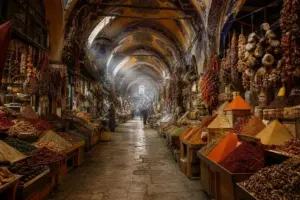 Egyptian Bazaar – about 600 m away (~9 min walk) · typical visit: 30 minutes to 1 hour13 min on foot from Haliç metro, Open daily 08:00–19:30
Main image: AI-generated illustration. It may not show the place exactly as it looks.
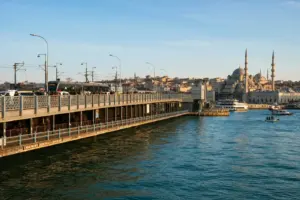 Galata Bridge – about 650 m away (~11 min walk) · typical visit: 30 minutes to 1 hour10 min on foot from Haliç metro, Open 24 hours
Main image: AI-generated illustration. It may not show the place exactly as it looks.
Metro stations near Sirkeci
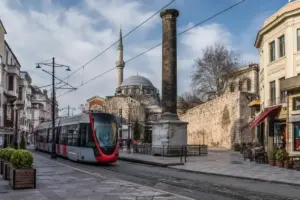 Çemberlitaşabout 900 m away (~14 min walk)
Main image: AI-generated illustration. It may not show the place exactly as it looks.
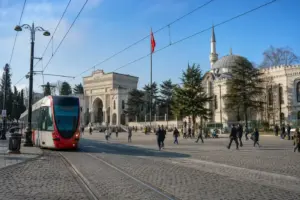 Beyazıt-Kapalıçarşı – about 1.1 km away (~18 min walk)Open daily 06:00–00:00
Main image: AI-generated illustration. It may not show the place exactly as it looks.
 Gülhane – about 1.2 km away (~19 min walk)Open daily 06:00–00:00
Main image: AI-generated illustration. It may not show the place exactly as it looks.
Restaurants and cafes near Sirkeci
 Hafız Mustafa 1864 – about 150 m away (~2 min walk)12 min on foot from Çemberlitaş metro, Open daily 12:00–23:59
Main image: AI-generated illustration. It may not show the place exactly as it looks.
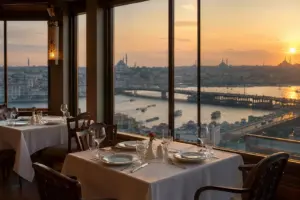 Hamdi Restaurant – about 400 m away (~6 min walk)12 min on foot from Çemberlitaş metro, Open daily 12:00–00:00
Main image: AI-generated illustration. It may not show the place exactly as it looks.
 Pandeli – about 550 m away (~9 min walk)12 min on foot from Haliç metro, Open 11:30–19:00, closed Sun
Main image: AI-generated illustration. It may not show the place exactly as it looks.
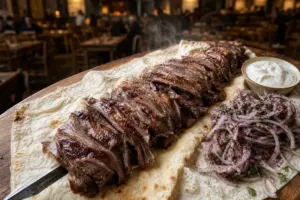 Şehzade Cağ Kebap – about 650 m away (~11 min walk)11 min on foot from Haliç metro
Main image: AI-generated illustration. It may not show the place exactly as it looks.
Nightlife near Sirkeci
 Roxy – about 750 m away (~12 min walk)7 min on foot from Gülhane metro
Main image: AI-generated illustration. It may not show the place exactly as it looks.
 Cheers Karaköy – about 800 m away (~13 min walk)9 min on foot from Haliç metro, Open daily 08:30–02:00
Main image: AI-generated illustration. It may not show the place exactly as it looks.
Train stations and river piers near Sirkeci
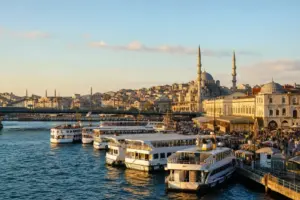 Eminönü Ferry Terminalabout 550 m away (~9 min walk)
Main image: AI-generated illustration. It may not show the place exactly as it looks.
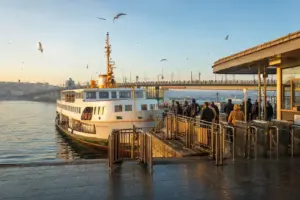 Karaköy Ferry Terminalabout 750 m away (~12 min walk)
Main image: AI-generated illustration. It may not show the place exactly as it looks.
Events and traditions near Sirkeci
 Istanbul Marathonabout 1.1 km away (~18 min walk)
Main image: AI-generated illustration. It may not show the place exactly as it looks.
Related guides
 Marmaray Train Guide: Bosphorus Crossing and Connections
Main image: AI-generated illustration. It may not show the place exactly as it looks.
 Istanbul Metro Map 2027: All Lines, Interchanges and Tourist Stops
Main image: AI-generated illustration. It may not show the place exactly as it looks.
 Istanbul with a Baby or Stroller: Transport, Hotels and Attractions
Main image: AI-generated illustration. It may not show the place exactly as it looks.
 Whirling Dervish Shows in Istanbul: Sema and Tickets
Main image: AI-generated illustration. It may not show the place exactly as it looks.
 Best Baklava Shops in Istanbul: Where and What to Order
Main image: AI-generated illustration. It may not show the place exactly as it looks.
Browse more: More in Fatih · All Neighborhoods
FAQ: Sirkeci
Is Sirkeci a separate attraction or just a transit hub?
Sirkeci is a neighborhood, not a ticketed attraction. You enter freely. The railway station building and museum are open (though museum hours may change during renovation). Its value lies in proximity to major sights, cheaper hotels, and transport connections, making it a practical base or transition point rather than a destination in itself.
Can I take the Orient Express from Sirkeci today?
No. The historic Orient Express stopped running to Istanbul in 1977. Sirkeci now serves local suburban trains, the Marmaray metro line (crossing under the Bosphorus), and the T6 tram. The Venice Simplon-Orient-Express luxury train occasionally arrives at heritage tours, but regular passenger service ended decades ago.
What is the difference between Sirkeci and Sultanahmet?
Sultanahmet, immediately south, is Istanbul's monument quarter with the Blue Mosque, Hagia Sophia, Topkapı Palace and Basilica Cistern—all major paid attractions. Sirkeci is a working neighborhood with hotels, shops, restaurants and transit links, quieter and cheaper. Many visitors stay in Sirkeci and walk to Sultanahmet sights (10–12 min) to avoid crowding and high prices.
How do I get from Sirkeci to the Asian side?
Take the Marmaray metro from Sirkeci station under the Bosphorus to Kadıköy, Üsküdar or other Asian stops (10–15 minutes). Alternatively, take a ferry from Sirkeci Pier to Kadıköy (15 min) or Üsküdar (20 min). The tram also connects to ferry piers. Marmaray is fastest; ferries are scenic.
Where is the best place to eat in Sirkeci?
Hocapaşa Street, a narrow lane south of the station, has the most authentic restaurants—kebab houses, pide ovens, fish spots and tea houses where locals eat. Prices are budget-friendly. Avoid the main waterfront and station-front restaurants, which cater to tourists and are overpriced. Worker's canteens (esnaf lokantası) are cheapest and serve fresh cooked food.
Is the railway station closed for renovation?
As of October 2026, the station building is under ongoing restoration, but the main hall and historic exterior remain accessible. The Marmaray and T6 platforms are operational. Museum hours may be limited. Check with Turkish State Railways (TCDD) or at the station for current access details. The main structure is not closed to visitors.
Can I walk from Sirkeci to the Spice Bazaar and Grand Bazaar?
Yes. The Spice Bazaar (Egyptian Bazaar) is a 10-minute walk south and east. The Grand Bazaar is about 12–15 minutes farther south. Both are walkable from Sirkeci, though streets are hilly and crowded. The tram also connects to nearby stops for these bazaars.
What time does Sirkeci get crowded with tourists?
Peak hours are 10:00–15:00 when tour groups visit the station and pass through. Early morning (before 08:00) and evening (after 18:00) are quieter. Weekdays are calmer than weekends. Hocapaşa Street's restaurants are busiest 11:30–14:00 (lunch) and 18:00–21:00 (dinner).
Istanbul Vibes is a one-person project. A coffee keeps it going

Take this guide with you
Get a free PDF of this guide to print or read offline: key facts, tips and a map link on a few clean pages.
Report an issue on this page
How we research and update our guides
About this guide: AI assistance and accuracy
This guide is created with the help of AI and is based on official sources where available. Mistakes can still happen. Opening hours, prices, rules and other details are given to the best of our knowledge as of the date shown and can change without notice. It offers general recommendations only, not professional, legal or travel advice. Please confirm important details with the official source before you travel; you are responsible for your own plans and decisions.
* Affiliate link: as an Amazon Associate we earn from qualifying purchases at no extra cost to you.
