

Traditional Turkish baths by neighborhood is a guide to the city’s most notable hammams, organized by district. Istanbul’s public bathhouses span from the earliest Ottoman foundations to carefully restored monuments of marble and tile, each with its own character and history.
This list covers 10 essential hammams that remain active and open to visitors. Whether you are exploring the Old City near Sultanahmet, staying in trendy Beyoğlu, or seeking a less-touristed experience in Edirnekapı or Tophane, you’ll find detailed guidance on where to go, what to expect, and how each bath fits into the neighborhood around it.
At a Glance
| # | Place | Best for | Good to know |
|---|---|---|---|
| 1 | Kılıç Ali Paşa Hamamı | Most elegant, Mimar Sinan masterpiece | Tophane (between Karaköy and Beşiktaş); paid, ₺₺₺ |
| 2 | Hürrem Sultan Hamamı | Iconic location, highest-end experience | Sultanahmet, near Hagia Sophia and Blue Mosque; paid, ₺₺₺₺ |
| 3 | Çemberlitaş Hamamı | Best for first-timers, central location | Çemberlitaş (near Grand Bazaar); paid, ₺₺ |
| 4 | Süleymaniye Hamamı | Best for couples, quieter atmosphere | Beyazıt (near Süleymaniye Mosque); paid, ₺₺₺ |
| 5 | Çukurcuma Hamamı | Boutique option, Museum of Innocence location | Beyoğlu/Çukurcuma (near Taksim); paid, ₺₺₺ |
| 6 | Galatasaray Hamamı | Oldest continuously operating, Beyoğlu landmark | Beyoğlu, İstiklal Street; paid, ₺₺ |
| 7 | Ağa Hamamı | Oldest in the city, royal origins | Beyoğlu (near Taksim); paid, ₺₺ |
| 8 | Mihrimah Sultan Hamamı | Ultra-local, Mimar Sinan design, rooftop views | Edirnekapı (northwest of city center); paid, ₺ |
| 9 | Sifa Hamamı | Best for first-timers, mixed-gender bathing | Sultanahmet; paid, ₺ |
| 10 | Gedikpaşa Hamamı | Budget-friendly, near Grand Bazaar | Fatih (near Grand Bazaar); paid, ₺ |
How We Chose
Each hammam on this list meets the following criteria:
- Currently operating and verified open to visitors as of October 2026
- Chosen for authentic Ottoman or historic architecture, neighborhood character, and suitability for different visitor types
- Located in distinct areas across the city: Sultanahmet, Beyoğlu, Fatih, Tophane, Edirnekapı
- A mix of famous monuments and quieter local establishments
- Most offer traditional ritual (steam, scrub, wash, massage, tea) with gender-separated or co-ed bathing options
1. Kılıç Ali Paşa Hamamı – Most elegant, Mimar Sinan masterpiece
One of Istanbul's most elegant Turkish baths, combining classical Ottoman architecture with contemporary restoration, designed by Mimar Sinan in the late 16th century and part of the Kılıç Ali Paşa Mosque complex in Tophane. The main dome is among the largest in the city. Expect marble interiors, high domes, and careful attention to traditional detail. Upscale, popular with visitors seeking refined surroundings.
Good to know: Tophane (between Karaköy and Beşiktaş); paid, ₺₺₺
Tip: Book ahead for a time slot. The hammam's café and nearby Karaköy restaurants make this a good district for dinner after your bath.
2. Hürrem Sultan Hamamı – Iconic location, highest-end experience
Mimar Sinan-designed structure erected in the 16th century upon the request of Hürrem Sultan, the wife of Suleiman the Magnificent, located where the Temple of Zeus once stood. Between the Hagia Sophia and Blue Mosque. Excellent for tourists wanting a splurge-level experience in the heart of Sultanahmet.
Good to know: Sultanahmet, near Hagia Sophia and Blue Mosque; paid, ₺₺₺₺
Tip: Queue can be long during peak hours. Early morning or late afternoon offers a calmer experience. Book ahead if possible.
3. Çemberlitaş Hamamı – Best for first-timers, central location
Commissioned by Nurbanu Sultan, the mother of Murad III, designed in the 16th century by Mimar Sinan and has maintained its original charm. Remains relatively affordable while still offering an authentic experience, striking a balance between history, accessibility, and value for travelers who want a traditional Turkish bath ritual without premium pricing.
Good to know: Çemberlitaş (near Grand Bazaar); paid, ₺₺
Tip: Located near Çemberlitaş Column and minutes from the Grand Bazaar. An easy stop after shopping or sightseeing in the Old City.
4. Süleymaniye Hamamı – Best for couples, quieter atmosphere
One of Istanbul's most significant examples of Ottoman bathhouse architecture, built around 1550, featuring a traditional central dome, skylights, and intricate tilework, built by Mimar Sinan around the same time as Hurrem Sultan Hamam. One of the few hammams in Istanbul offering mixed bathing for couples. Fewer tourists than Sultanahmet baths.
Good to know: Beyazıt (near Süleymaniye Mosque); paid, ₺₺₺
Tip: A 2-minute walk from the Süleymaniye Mosque. Offer afternoon hours of mixed bathing for couples; confirm times when booking.
5. Çukurcuma Hamamı – Boutique option, Museum of Innocence location
A small and charming Turkish bathhouse located in the trendy Beyoğlu district, built in the 19th century and beautifully restored to its former glory. A mixed hammam where couples can bathe together; however, children under 12 are not permitted. Near the Museum of Innocence, in a historic residential neighborhood.
Good to know: Beyoğlu/Çukurcuma (near Taksim); paid, ₺₺₺
Tip: Walking distance from Istiklal Street and Taksim. The surrounding backstreets are atmospheric for an evening stroll after your bath.
6. Galatasaray Hamamı – Oldest continuously operating, Beyoğlu landmark
Built in 1481 at the behest of Sultan Bayezid II, Istanbul's oldest hammam still in operation and remained for centuries the reference bath for the Beyoğlu district, the European area of the city across the Golden Horn. Stands on İstiklal Caddesi, the major pedestrian avenue of the modern centre.
Good to know: Beyoğlu, İstiklal Street; paid, ₺₺
Tip: On the main pedestrian boulevard between Taksim and Galata Tower. Ideal for those based in Beyoğlu who want to avoid crossing to the Old City.
7. Ağa Hamamı – Oldest in the city, royal origins
The Historical Ağa Hamamı was constructed in Istanbul by Mehmed the Conqueror in 1454. Until the final years of the Ottoman Empire, Ağa Turkish Bath was reserved exclusively for sultans; after the establishment of the Republic of Turkey in 1923, it was purchased and opened to public use for the first time. Smaller, more intimate than other central hammams.
Good to know: Beyoğlu (near Taksim); paid, ₺₺
Tip: More boutique and relaxed than tourist-heavy Sultanahmet baths. Mixed and same-gender sessions available.
8. Mihrimah Sultan Hamamı – Ultra-local, Mimar Sinan design, rooftop views
A historic Turkish bath located in the Edirnekapı neighbourhood, built in the 16th century by Mimar Sinan and named after the daughter of Suleiman the Magnificent, Mihrimah Sultan. One unique feature is its rooftop terrace, which offers stunning views of Istanbul's skyline. Fewer tourists; attracts mainly local residents.
Good to know: Edirnekapı (northwest of city center); paid, ₺
Tip: Located in a quieter neighborhood away from the main tourist zones. Best reached by metro or taxi. Offers an authentic neighborhood experience.
9. Sifa Hamamı – Best for first-timers, mixed-gender bathing
An authentic Ottoman hammam operating continuously since 1777 in the heart of Sultanahmet, Old City, where men and women can enjoy the Turkish bath ritual together in the same space—while still receiving treatments from gender-matching therapists for comfort and privacy. Welcoming and less overwhelming than larger tourist hammams.
Good to know: Sultanahmet; paid, ₺
Tip: Affordable option in a touristy area. No need to book; walk-in friendly most times except midday.
10. Gedikpaşa Hamamı – Budget-friendly, near Grand Bazaar
Dating back to the 15th century, one of Istanbul's oldest and most atmospheric Turkish baths, located close to the Grand Bazaar and an easy walk from Sultanahmet, combining centuries of tradition with modern comfort. Popular with locals and offers a relaxed, less touristed vibe despite proximity to major sites.
Good to know: Fatih (near Grand Bazaar); paid, ₺
Tip: Convenient stop after exploring the Grand Bazaar or Beyazıt area. Attracts a mix of locals and travelers, so the atmosphere feels authentic.
Istanbul Vibes Tips
- Gender separation is the norm. Most traditional hammams have separate bathing times or sections for men and women; attendants match your gender. Ask staff about times when booking. A few baths like Süleymaniye and Sifa offer mixed-gender sessions; confirm hours when you call or book online.
- The ritual typically lasts 45 minutes to an hour and follows a sequence: warm room to acclimate, hot chamber with the heated marble platform (göbektaşı), vigorous scrub with a kese mitt, foam massage, and cooling room for tea. Arrive with time to enjoy it without rushing.
- Visit early morning or late afternoon to avoid crowds. Midday (especially 12–3pm) is when local residents and tour groups converge. Weekday mornings tend to be quieter than weekends.
- Book ahead for the most famous baths (Hürrem Sultan, Kılıç Ali Paşa, Çemberlitaş) to secure your preferred time. Less central hammams like Mihrimah Sultan and Gedikpaşa often accept walk-ins; check online or call first.
- Bring your own towel or ask if one is included (policies vary). Many modern tourist hammams provide towels; neighborhood baths may not. Shower shoes or flip-flops are useful. The floors are hot and can be slippery.
- Plan your hammam around your neighborhood of stay. Sultanahmet visitors have four good options; Beyoğlu visitors have Galatasaray, Ağa, and Çukurcuma within walking distance, so you can book dinner nearby afterward instead of crossing the Golden Horn.
Explore Nearby Traditional Turkish Baths by Neighborhood
Sights near Traditional Turkish Baths by Neighborhood
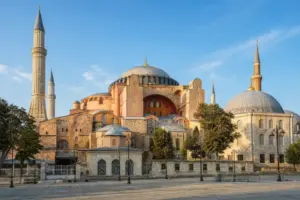 Hagia Sophia · typical visit: 1–1.5 hours8 min on foot from Gülhane metro, Open daily 09:00–19:30
Main image: AI-generated illustration. It may not show the place exactly as it looks.
 Blue Mosque · typical visit: 45–75 minutes3 min on foot from Gülhane metro
Main image: AI-generated illustration. It may not show the place exactly as it looks.
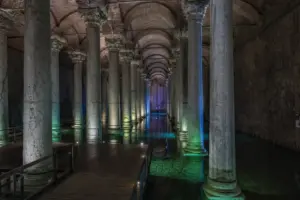 Basilica Cistern · typical visit: 1 hour4 min on foot from Gülhane metro, Open daily 09:00–18:30
Main image: AI-generated illustration. It may not show the place exactly as it looks.
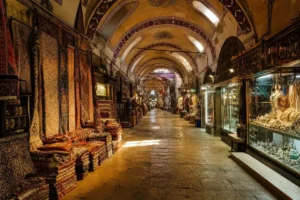 Grand Bazaar · typical visit: 2–4 hours4 min on foot from Beyazıt-Kapalıçarşı metro, Open 08:30–19:00, closed Sun
Main image: AI-generated illustration. It may not show the place exactly as it looks.
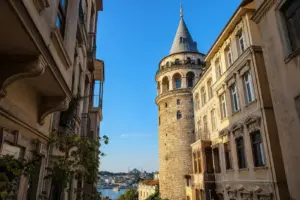 Galata Tower · typical visit: 1–2 hours4 min on foot from Şişhane metro, Open daily 08:30–23:00
Main image: AI-generated illustration. It may not show the place exactly as it looks.
Related guides
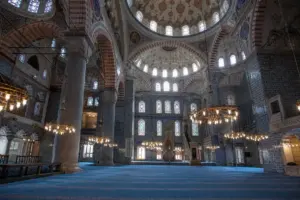 How to Take Photos Respectfully in Istanbul: Rules for Mosques, Streets and Historic Sites
Main image: AI-generated illustration. It may not show the place exactly as it looks.
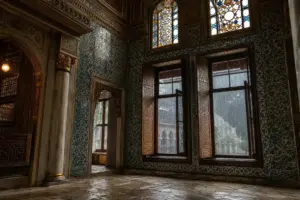 Istanbul in Rain: A 3-Day Indoor Itinerary for Palaces, Cisterns and Bazaars
Main image: AI-generated illustration. It may not show the place exactly as it looks.
 Sunset and Evening Itinerary: Golden Hour to Night Lights in Istanbul
Main image: AI-generated illustration. It may not show the place exactly as it looks.
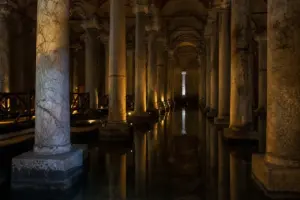 Basilica Cistern and Surroundings: A Day in Byzantine Sultanahmet
Main image: AI-generated illustration. It may not show the place exactly as it looks.
Browse more: All Culture Lists · All Guides
FAQ
What should I wear and bring to a hammam?
Wear minimal clothing: a bathing suit or underwear. Most hammams provide towels, though ask when booking. Bring shower shoes or flip-flops (floors are very hot), a small bag for valuables (which you lock in a locker), and a change of clothes. Some prefer to bring their own towel. Men and women typically bathe separately or at different times unless the hammam specifies mixed bathing.
Is a hammam experience appropriate for solo travelers, couples, and families?
Absolutely for solo travelers and adults. Most hammams require gender separation, which is standard. For couples, a few baths like Süleymaniye and Sifa offer mixed-gender sessions or private rooms. Children under 12 are often not permitted at upscale tourist hammams, though some neighborhood baths welcome them; call ahead. Families traveling together should book private-room options if available.
How long does a traditional hammam visit take?
A traditional visit takes about 45 minutes: a kese scrub, a foam wash, and a massage, followed by tea or sherbet. Add time for changing and relaxing. Total time from arrival to departure is usually 1.5 to 2 hours.
What's the difference between a historic hammam and a modern spa?
Historic hammams (like Çemberlitaş or Kılıç Ali Paşa) are housed in centuries-old Ottoman buildings with traditional marble chambers, domed ceilings, and authentic architectural details. Modern spas offer updated facilities and sometimes multiple services under one roof. Historic baths provide cultural immersion; modern ones offer comfort and convenience. Many tourist-friendly hammams blend both.
Do I need to speak Turkish, or can I book in English?
Major tourist hammams have English-speaking staff and accept online booking in English. Call ahead or check websites for language availability. Staff will guide you through the process. Neighborhood hammams may have limited English; having a hotel concierge call on your behalf or arriving with a prepared Turkish phrase helps.
Are the hammams clean and safe?
Yes. Tourist hammams maintain high hygiene standards and are regularly inspected. Floors are frequently cleaned; water is hot and flows constantly. Neighborhood hammams frequented by locals also maintain cleanliness. Wear flip-flops on communal floors and avoid soaking in used water; you rinse with fresh running water throughout.
Can I visit a hammam if I have a skin condition or injury?
Many conditions are fine, but heat and moisture can irritate some skin issues. Avoid hammams if you have active infections, wounds, or heart problems. Pregnant women and those with high blood pressure should consult a doctor first. Tell staff about any concerns when you arrive so they can advise or adjust the experience.
What neighborhoods have the best hammams, and which should I choose based on where I'm staying?
Sultanahmet has the most tourist hammams: Hürrem Sultan, Çemberlitaş, and Sifa. Beyoğlu has Galatasaray (on İstiklal Street), Ağa, and Çukurcuma. Fatih has Gedikpaşa and quiet Mihrimah Sultan. Tophane has Kılıç Ali Paşa. Choose one in or near your neighborhood to avoid long transport and to enjoy dinner afterward nearby.
Istanbul Vibes is a one-person project. A coffee keeps it going

Take this guide with you
Get a free PDF of this guide to print or read offline: key facts, tips and a map link on a few clean pages.
Report an issue on this page
How we research and update our guides
About this guide: AI assistance and accuracy
This guide is created with the help of AI and is based on official sources where available. Mistakes can still happen. Opening hours, prices, rules and other details are given to the best of our knowledge as of the date shown and can change without notice. It offers general recommendations only, not professional, legal or travel advice. Please confirm important details with the official source before you travel; you are responsible for your own plans and decisions.
* Affiliate link: as an Amazon Associate we earn from qualifying purchases at no extra cost to you.
