
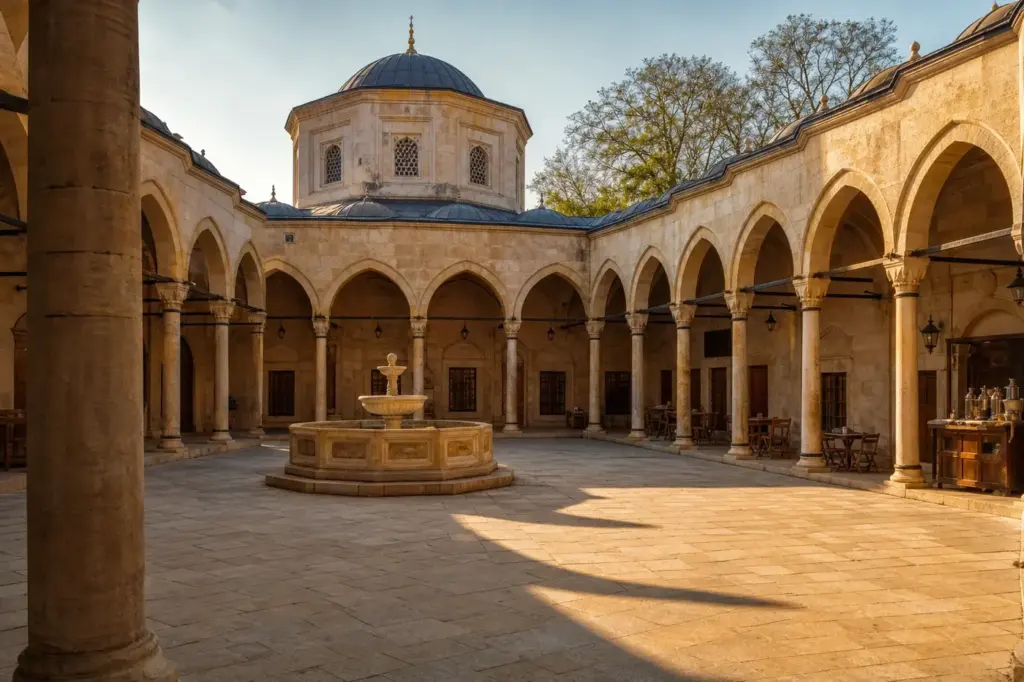
The Çorlulu Ali Pasha Madrasa stands on Yeniçeriler Street in Fatih, steps away from the Grand Bazaar‘s main entrance. Built between 1707 and 1709 by Grand Vizier Çorlulu Ali Pasha, it formed part of a külliye that included a mosque and library. The structure remains one of the old city‘s quieter architectural survivors, largely overlooked by tourists rushing between famous monuments.
Today the madrasa functions as an informal gathering place. The rooms that once housed students are now used by commercial enterprises, and the building has become a popular spot for students and tourists since the 1970s.
Quick Facts
| Turkish name | Çorlulu Ali Paşa Medresesi |
|---|---|
| Built / opened | 1707 |
| Architect(s) | Unknown |
| Address | Mollafenari, Yeniceriler Cd. No:50, 34120 Fatih, Istanbul Google MapsApple MapsYandex Maps |
| District | Fatih |
| Metro | Beyazıt-Kapalıçarşı (M1A, 5–10 min walk toward Yeniçeriler Street) |
| Admission | Free |
| Best time to visit | Visit mid-morning (9:00–11:00) or mid-afternoon (14:00–16:00) when the courtyard is quieter than peak tourist hours. Mornings offer the softest, clearest light for photography. Afternoons bring long shadows across the paving and archways.
Spring (April–May) and autumn (September–October) offer pleasant weather and comfortable seating in the courtyard. Summer heat can make sitting outside difficult by mid-afternoon. Winter is quieter but can be cold and damp in the stone courtyard. Avoid the courtyard during Friday prayers at the adjacent mosque, when the area becomes more crowded and the café operations may be limited. |
What Is (and Isn't) Part of a Visit to Çorlulu Ali Pasha Madrasa?
| Part | Status | Notes |
|---|---|---|
| Courtyard and arcaded walkways | Included in the standard ticket | Free to walk through and spend time; the entire courtyard is open to visitors. |
| Tea rooms and hookah cafés in the courtyard | Included in the standard ticket | No entrance fee to the courtyard. Tea and refreshments are available for purchase at moderate prices. |
| Student cell rooms with gift shops | Included in the standard ticket | The rooms are open and can be explored; they house souvenir and handicraft vendors. |
| Domed classroom (dershane) | Included in the standard ticket | Visible from the courtyard; interior access depends on current use and vendor permission. |
| Mosque (Çorlulu Ali Pasha Mosque) | Separate ticket or institution | The adjacent mosque operates separately with its own entrance and is an active place of worship. |
| Library | Not open to visitors | The library building functions as an administrative office and is not open to casual visitors. |
| Cemetery and tomb of Çorlulu Ali Pasha | Outside / not part of it | The original cemetery was part of the complex but is no longer accessible as a separate site. |
Why Visit Çorlulu Ali Pasha Madrasa?
This small complex offers an intimate view of Ottoman educational architecture without the crowds that surround larger monuments. The rectangular courtyard features a central fountain, surrounding student cells, and a domed classroom with an entrance inscription dated 1708.
The authentic atmosphere of the courtyard—where locals drink Turkish coffee and tea—makes it feel genuinely historical rather than staged. The location is also practical: it sits on the direct route between the Grand Bazaar and Beyazıt area, making it easy to visit during a walking exploration of the district.
How Çorlulu Ali Pasha Madrasa Is Laid Out
The compact rectangular medrese is located in the Mollafenari quarter of Beyazıt in Istanbul’s Fatih district. The main courtyard forms the heart of the complex, with a central fountain and arcaded walkways on all sides. Student cells line the western boundary, while the domed classroom (dershane) stands at the southeast corner, with the library to its north.
Two arched stone entrances lead into the courtyard from Yeniçeriler Street. The low stone fence with barred arches frames the complex, making it feel separated from the busy street. Most visitors enter at ground level and immediately find themselves in the quiet courtyard.
Highlights of Çorlulu Ali Pasha Madrasa
The Central Courtyard and Fountain
The courtyard features a central fountain and is surrounded by student cells and arcaded walkways. The space remains intimate and atmospheric, retaining its original proportions. The fountain still functions, and the open design allows natural light to fill the court. This is where tea vendors, locals, and curious visitors congregate.
Tip: Arrive mid-morning or late afternoon when local shopkeepers and students gather; the atmosphere is most authentic then.
The Domed Classroom
The dershane (classroom) features an octagonal prismatic body with a dome, marble-covered entrance portico with muqarnas capitals, and careful decorative work on the railings. This was the main teaching space where Islamic scholars trained students in hadith (prophetic tradition). The dome rises above the courtyard arcades, marking the building's most architecturally refined space.
Tip: The classroom interior is not always accessible to visitors; check with café staff before entering, as the space may be in use or closed.
The Entrance Inscription
An entrance inscription on the courtyard gate is dated 1708, marking the madrasa's completion date. This plaque, now weathered and worn, is one of the few original inscriptions that survive. It serves as a physical record of the madrasa's construction under Çorlulu Ali Pasha's patronage.
Tip: Look for the inscription above the main gate on the courtyard side; it's in Ottoman Turkish and visible from the ground level.
Student Cell Rooms
Eight of the madrasah rooms and three of the lodge cells remain today. These compact chambers, arranged along the courtyard's western side, housed students during the Ottoman period. The cells line the western boundary of the courtyard. Many now contain gift shops and handicraft vendors.
Tip: Step into one of the cell rooms to see the small window openings, thick stone walls, and modest arched ceilings that give a sense of student life in the 18th century.
The Stone Construction
The madrasa walls are built using cut limestone (küfeki taşı). This pale, durable stone is visible throughout, giving the complex its warm, honey-colored appearance. The stone quality and careful masonry reflect the status of its patron, Grand Vizier Çorlulu Ali Pasha.
Tip: Notice how the stone has weathered over three centuries; darker patches show where repairs were made after earthquakes in 1766 and 1894.
The Library
The complex originally included a library as part of a larger ensemble that also contained a mosque, dervish lodge, and cemetery. The külliye library today functions as the imam's office. The library building survives as part of the architectural complex.
Tip: The library is not open to casual visitors; it operates only as an administrative office for the adjacent mosque.
Atmosphere
The courtyard feels quieter and more local than tourist-heavy sites. Hookah smoke drifts gently across the paved ground, and the sound of dominoes or backgammon pieces clacking on tables echoes off the stone walls. Turkish coffee and tea vendors occupy corner niches, and their glass displays catch afternoon light.
The space operates as a genuine meeting place rather than a heritage stage. Shopkeepers take breaks in the courtyard; students from the nearby university stop for tea; locals pass through on their way elsewhere. The combination of Ottoman architecture, functioning cafés, and everyday life creates an authentic Istanbul atmosphere that rarely feels performed.
The stone walls create natural shade, and in summer the courtyard becomes a cool refuge from the crowded street. Morning light is softest; by late afternoon, the fountain and cell entrances cast dramatic shadows across the paving.
History of Çorlulu Ali Pasha Madrasa
Çorlulu Ali Pasha served as Grand Vizier from May 1706 until June 1710. The madrasa was built between 1707 and 1709 to serve as both a science center for the Ottoman state and as the grand vizier’s personal memorial. As grand vizier during the reign of Ahmed III, Çorlulu Ali Pasha was known for his reformist and innovative approaches to state affairs.
The complex originally formed a complete külliye (charitable complex) that included a mosque, library, dervish lodge, and cemetery, all built as expressions of the patron’s piety and status. The madrasa itself is a compact rectangular structure with a central courtyard, surrounding student cells, and a domed classroom, with the entrance inscription dated 1708.
After the Ottoman period of stagnation, the madrasa lost its educational function and remained idle after the major earthquakes in 1766 and 1894. The building was restored in 1910 and 1965. Since the 1970s it has become a popular spot for students and tourists.
Today the rooms that once housed students studying Islamic law and hadith are mostly used by commercial enterprises—tea vendors, gift shops, and carpet dealers—transforming the historic courtyard into an informal café. The madrasa is now used as shops and nargile (hookah) cafés. This functional reuse, while different from its original purpose, has preserved the structure and kept it alive in the city.
Tickets and Booking for Çorlulu Ali Pasha Madrasa
Entry to the courtyard and café areas is free. There is no ticket required to walk through the madrasa courtyard or visit the vendor rooms. If you purchase tea, coffee, or order a nargile (hookah), payment is made directly to the vendor.
Opening hours: The courtyard is generally open daily from early morning until late evening. However, specific vendor hours may vary, and the space functions informally—check on-site for current café hours.
Visiting the mosque: The adjacent Çorlulu Ali Pasha Mosque was built between 1707 and 1709 and operates as an active place of worship. If you wish to enter the mosque, observe standard etiquette: remove shoes, dress modestly, and avoid prayer times. No separate ticket is required.
Suggested itineraries Çorlulu Ali Pasha Madrasa
30 minutes
Enter from Yeniçeriler Street and spend time in the courtyard. Observe the fountain, arcade details, and stone construction. If time allows, step into one or two of the student cell rooms to see the original proportions. This works as a break during a longer Bazaar visit.
45 minutes
Walk the full courtyard perimeter, examining each section. Visit the domed classroom if accessible. Sit with tea or coffee in one of the courtyards cafés to soak in the atmosphere and watch local life. This captures the madrasa's character as both historic architecture and living space.
1 hour
Explore the courtyard thoroughly, visit the dershane interior if permitted, browse the handicraft vendors, and order refreshments. If interested, check the adjacent mosque from outside. Combine this with a walk along Yeniçeriler Street to see other Ottoman buildings in the area.
How to Get to Çorlulu Ali Pasha Madrasa
By Metro: Take the M1A line to Beyazıt-Kapalıçarşı station. Exit at the Grand Bazaar exit and walk toward Yeniçeriler Street. The madrasa entrance is on Yeniçeriler Caddesi (Street), about a 5–10 minute walk from the station. The location is on the main route between the metro and the Grand Bazaar’s north entrance.
Walking from nearby landmarks:
- From the Grand Bazaar’s main (Nuruosmaniye) gate: Walk east on Yeniçeriler Street for about 3 minutes; the madrasa is on your left (north side).
- From Beyazıt Square and Tower: Head east toward the Bazaar; Yeniçeriler Street runs along the Bazaar’s north side.
By taxi or local transport: Ask the driver for “Çorlulu Ali Paşa Medresesi” or “Yeniçeriler Caddesi” in the Mollafenari quarter of Fatih.
Accessibility
The courtyard is at ground level and fully accessible without steps or stairs. The paved surface is even and stable. Wheelchair users can navigate the main courtyard and arcade areas.
Most individual cell rooms can be entered through low doorways; some require a small step or bend to pass through. Benches and low seating are available throughout the courtyard for resting.
The domed classroom (dershane) has limited wheelchair accessibility due to its interior layout and entrance height.
No designated accessible restrooms are clearly marked on-site; inquire with café staff for facilities.
Food Nearby
Within the madrasa courtyard itself, traditional Turkish tea and coffee vendors operate from small stalls. Nargile (hookah) is available, often served with tea or coffee. These vendors offer authentic local experience at budget prices.
Along Yeniçeriler Street and in the surrounding Bazaar area, numerous casual eateries, kebab shops, and locanta (home-style restaurants) operate. The Grand Bazaar itself contains dozens of cafés and small restaurants catering to visitors and shopkeepers.
Beyazıt Square, a short walk away, has several established restaurants and coffee shops with outdoor seating.
What to Bring
Comfortable walking shoes are essential; the courtyard paving is uneven in places. Bring a hat or sunglasses for sun protection when sitting in the courtyards. In summer, a light scarf can help shield from sun and dust. A small bag or backpack is practical for shopping at the small vendors.
If visiting the adjacent mosque, bring a plastic bag or consider removing shoes at the entrance; some visitors carry a small cloth to cover shoulders if dressed immodestly. Simple bag checks may occur; large luggage is not practical in the narrow spaces.
Best Views and Photo Spots of Çorlulu Ali Pasha Madrasa
Courtyard looking south toward the domed classroom
The domed structure rises above the arcaded courtyard, with the fountain in the foreground and student cell arches flanking the sides. This captures the madrasa's architectural focus and the interplay of light and shadow on the stone.
Best time: Mid-morning (9:00–11:00) for soft directional light that highlights the dome and archways without harsh shadows.
Northern arcade looking toward Yeniçeriler Street entrance
The colonnade creates layered depth, with the stone arches framing a view back out toward the street. The interplay of shadow and light on the floor and columns is striking.
Best time: Late morning (10:00–12:00) when northern light fills the arcade without creating dark shadows.
Central fountain with courtyard arcades in background
The fountain is the geometric and visual center of the space. Shooting from ground level with the arcaded walls above creates a sense of intimate scale and surrounds the viewer with architecture.
Best time: Noon to 14:00, when the fountain is in bright light and the arcades cast sharp shadows.
Detail of student cell doorway with carved stone
The small arched doorways and weathered limestone reveal craftsmanship and the passage of time. Close detail work shows original muqarnas decoration on some arches.
Best time: Afternoon side light (15:00–17:00) rakes across the stonework, highlighting carved details and surface texture.
Western courtyard wall with shadow pattern
In late afternoon, the arcade arches cast geometric shadow patterns across the western wall and floor. The interplay of sun and shade creates a graphic, abstract composition.
Best time: Late afternoon (16:00–18:00) for dramatic shadow patterns cast by the arches.
Photography Rules
Photography is generally allowed throughout the courtyard and arcade areas. The small cell rooms are accessible for photos. Avoid photographing people without permission, especially inside the shops and vendor stalls. The adjacent mosque may have restrictions on interior photography; ask before entering. Tripods and drones are not appropriate for this intimate space. Flash photography can be jarring in low-light interior spaces like the domed classroom.
Family Suitability
The madrasa is suitable for families with children of all ages. The open courtyard is safe for young children to walk and explore. The space is relatively quiet and not crowded compared to major tourist sites.
The tea and hookah vendors can be interesting cultural observations for older children learning about Ottoman life. Younger children may enjoy running around the courtyard or sitting for refreshments.
Strollers can navigate the courtyard but the uneven paving and doorways into small rooms make pushing a stroller around all the cells challenging. The main courtyard is easily accessible with a stroller.
No dedicated children's facilities or activities are present; this is an architectural and cultural site rather than an entertainment venue. Supervision is needed to keep children from wandering into vendor shops or the adjacent mosque without permission.
Istanbul Vibes Tips
- Visit early in your Istanbul trip before Bazaar fatigue sets in. The madrasa works as a peaceful 30-minute break from the chaos of the Grand Bazaar—it's practically next door.
- If possible, sit in the courtyard with tea for at least 15 minutes. The atmosphere reveals itself slowly; you'll notice architectural details and local rhythms that quick visitors miss.
- Don't confuse the madrasa courtyard (free, open courtyard with vendors) with the adjacent Çorlulu Ali Pasha Mosque (separate, active place of worship). They are different spaces; both are worth seeing but have different purposes.
- The best time to experience authentic local character is mid-afternoon, when shopkeepers and nearby students gather for tea. Tourist crowds are minimal.
- Look for the dated inscription above the courtyard gate (1708). It's one of the few original Ottoman texts surviving on-site and provides concrete evidence of the construction date.
- Ask permission before photographing people working in the shops or smoking hookah; most vendors are friendly and accommodating but respect matters.
Explore Nearby Çorlulu Ali Pasha Madrasa
Sights near Çorlulu Ali Pasha Madrasa
 Beyazit Tower – about 500 m away (~8 min walk) · typical visit: 20–30 minutes (viewing from outside)7 min on foot from Vezneciler metro
Main image: AI-generated illustration. It may not show the place exactly as it looks.
 Column of Constantine – about 250 m away (~4 min walk) · typical visit: 15–20 minutes1 min on foot from Çemberlitaş metro, Open 24 hours
Main image: AI-generated illustration. It may not show the place exactly as it looks.
 Book Bazaar – about 150 m away (~3 min walk) · typical visit: 1–2 hours4 min on foot from Beyazıt-Kapalıçarşı metro
Main image: AI-generated illustration. It may not show the place exactly as it looks.
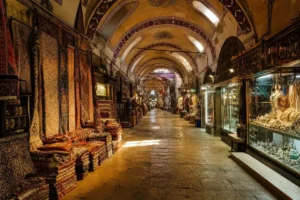 Grand Bazaar – about 200 m away (~3 min walk) · typical visit: 2–4 hours4 min on foot from Beyazıt-Kapalıçarşı metro, Open 08:30–19:00, closed Sun
Main image: AI-generated illustration. It may not show the place exactly as it looks.
 Nuruosmaniye Mosque – about 250 m away (~4 min walk) · typical visit: 1–2 hours3 min on foot from Çemberlitaş metro
Main image: AI-generated illustration. It may not show the place exactly as it looks.
 Zincirli Han – about 250 m away (~4 min walk) · typical visit: 30–45 minutes2 min on foot from Beyazıt-Kapalıçarşı metro, Open daily 09:00–19:00
Main image: AI-generated illustration. It may not show the place exactly as it looks.
Metro stations near Çorlulu Ali Pasha Madrasa
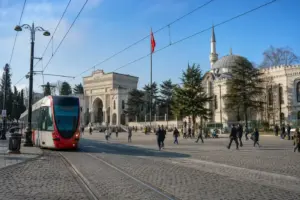 Beyazıt-Kapalıçarşı – about 150 m away (~2 min walk)Open daily 06:00–00:00
Main image: AI-generated illustration. It may not show the place exactly as it looks.
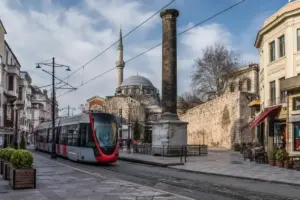 Çemberlitaşabout 250 m away (~4 min walk)
Main image: AI-generated illustration. It may not show the place exactly as it looks.
 Laleli-Üniversiteabout 750 m away (~12 min walk)
Main image: AI-generated illustration. It may not show the place exactly as it looks.
Restaurants and cafes near Çorlulu Ali Pasha Madrasa
 Dönerci Şahin Usta – about 250 m away (~4 min walk)4 min on foot from Çemberlitaş metro
Main image: AI-generated illustration. It may not show the place exactly as it looks.
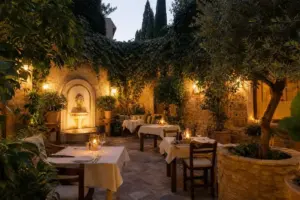 Hidden Garden – about 750 m away (~12 min walk)4 min on foot from Gülhane metro, Open daily 11:00–00:00
Main image: AI-generated illustration. It may not show the place exactly as it looks.
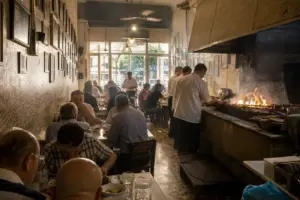 Tarihi Sultanahmet Koftecisi – about 750 m away (~12 min walk)7 min on foot from Gülhane metro, Open daily 11:00–23:00
Main image: AI-generated illustration. It may not show the place exactly as it looks.
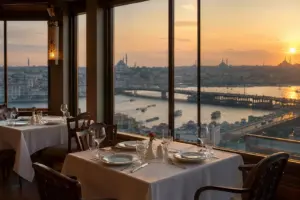 Hamdi Restaurant – about 800 m away (~13 min walk)12 min on foot from Çemberlitaş metro, Open daily 12:00–00:00
Main image: AI-generated illustration. It may not show the place exactly as it looks.
Nightlife near Çorlulu Ali Pasha Madrasa
 Roxy – about 850 m away (~14 min walk)7 min on foot from Gülhane metro
Main image: AI-generated illustration. It may not show the place exactly as it looks.
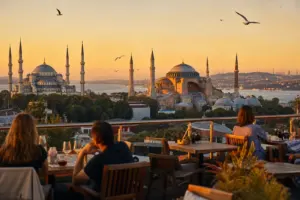 Seven Hills – about 1000 m away (~16 min walk)4 min on foot from Gülhane metro, Open daily 08:00–23:00
Main image: AI-generated illustration. It may not show the place exactly as it looks.
Train stations and river piers near Çorlulu Ali Pasha Madrasa
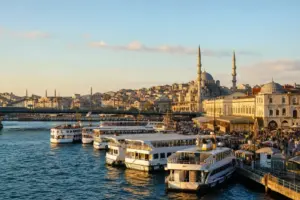 Eminönü Ferry Terminalabout 950 m away (~15 min walk)
Main image: AI-generated illustration. It may not show the place exactly as it looks.
 Karaköy Ferry Terminalabout 1.6 km away (~26 min walk)
Main image: AI-generated illustration. It may not show the place exactly as it looks.
Events and traditions near Çorlulu Ali Pasha Madrasa
 Istanbul Marathonabout 750 m away (~12 min walk)
Main image: AI-generated illustration. It may not show the place exactly as it looks.
Related guides
 Spice Bazaar Shopping Guide: What to Buy in Eminönü
Main image: AI-generated illustration. It may not show the place exactly as it looks.
 Chora Church (Kariye Mosque): Mosaics and Visitor Route
Main image: AI-generated illustration. It may not show the place exactly as it looks.
 Blue Mosque Visiting Guide: Prayer, Courtyard and Tiles
Main image: AI-generated illustration. It may not show the place exactly as it looks.
 Topkapı Palace Visiting Guide: Courtyards, Treasury and Harem
Main image: AI-generated illustration. It may not show the place exactly as it looks.
 Hagia Sophia Visiting Guide: Entrance, Dome and Mosaics
Main image: AI-generated illustration. It may not show the place exactly as it looks.
Browse more: More in Fatih · All Architecture · All Sightseeing
FAQ: Çorlulu Ali Pasha Madrasa
Is entry to Çorlulu Ali Pasha Madrasa free?
Yes, entry to the courtyard and arcade areas is completely free. You can walk through and spend as much time as you like without paying. If you purchase tea, coffee, or order a nargile, you pay the vendor directly.
What is the difference between the madrasa courtyard and the adjacent mosque?
The complex originally included both a mosque and a madrasa as separate structures within a larger külliye. The madrasa courtyard is what visitors see today—it functions as a café area and is open to everyone. The mosque is a separate, active place of worship with different etiquette rules. Both are part of the original complex but operate independently.
Can I visit the inside of the domed classroom?
The domed classroom (dershane) is visible from the courtyard. Interior access depends on current use and vendor permission. Always ask before entering. The space is sometimes used for storage or informal purposes, so access varies.
How long should I spend here?
A quick walk-through of the courtyard takes 15–20 minutes. To truly experience the atmosphere and sit with tea, allow 45 minutes to an hour. This makes it an ideal break during a longer Bazaar visit.
Can I take photos here?
Photography is generally allowed throughout the courtyard. Avoid photographing people or vendors without permission. If you want to enter the adjacent mosque for photos, ask first—interior photography may be restricted. Tripods and drones are not suitable for this intimate space.
Is the madrasa accessible with a wheelchair?
The main courtyard is at ground level and fully accessible to wheelchair users. The paved surface is even. Individual cell rooms require doorways that may be challenging for some users. No designated accessible restrooms are clearly marked; ask vendors for facilities.
When was Çorlulu Ali Pasha Madrasa built?
The madrasa was built between 1707 and 1709 by Grand Vizier Çorlulu Ali Pasha. An entrance inscription on the courtyard gate is dated 1708.
What is nargile and is it safe to try?
Nargile (also called hookah or shisha) is a traditional water pipe used to smoke flavored tobacco. It's a cultural experience offered at cafés throughout Istanbul, including here. Whether to try it is a personal choice; it's widely available and considered a social activity in Turkish culture.
Istanbul Vibes is a one-person project. A coffee keeps it going
Hotels near Çorlulu Ali Pasha Madrasa
- Divani Ali Hotel (150 m) Check prices (affiliate link, opens in a new tab)
- Hotel Padova (150 m) Check prices (affiliate link, opens in a new tab)
- Bizim Hotel (150 m) Check prices (affiliate link, opens in a new tab)
- Eliza Hotel (150 m) Check prices (affiliate link, opens in a new tab)
Affiliate link (opens the booking site): we may earn a commission at no extra cost to you.
Restaurants near Çorlulu Ali Pasha Madrasa
- Bosna (50 m) Google Maps
- Meshur Üsküp Köftecisi (50 m) Google Maps
- Yıldız Kebap (50 m) Google Maps
- Tadım Köfte Salonu (50 m) Google Maps
Distances are straight-line, from OpenStreetMap data.

Take this guide with you
Get a free PDF of this guide to print or read offline: key facts, tips and a map link on a few clean pages.
Report an issue on this page
How we research and update our guides
About this guide: AI assistance and accuracy
This guide is created with the help of AI and is based on official sources where available. Mistakes can still happen. Opening hours, prices, rules and other details are given to the best of our knowledge as of the date shown and can change without notice. It offers general recommendations only, not professional, legal or travel advice. Please confirm important details with the official source before you travel; you are responsible for your own plans and decisions.
* Affiliate link: as an Amazon Associate we earn from qualifying purchases at no extra cost to you.
