
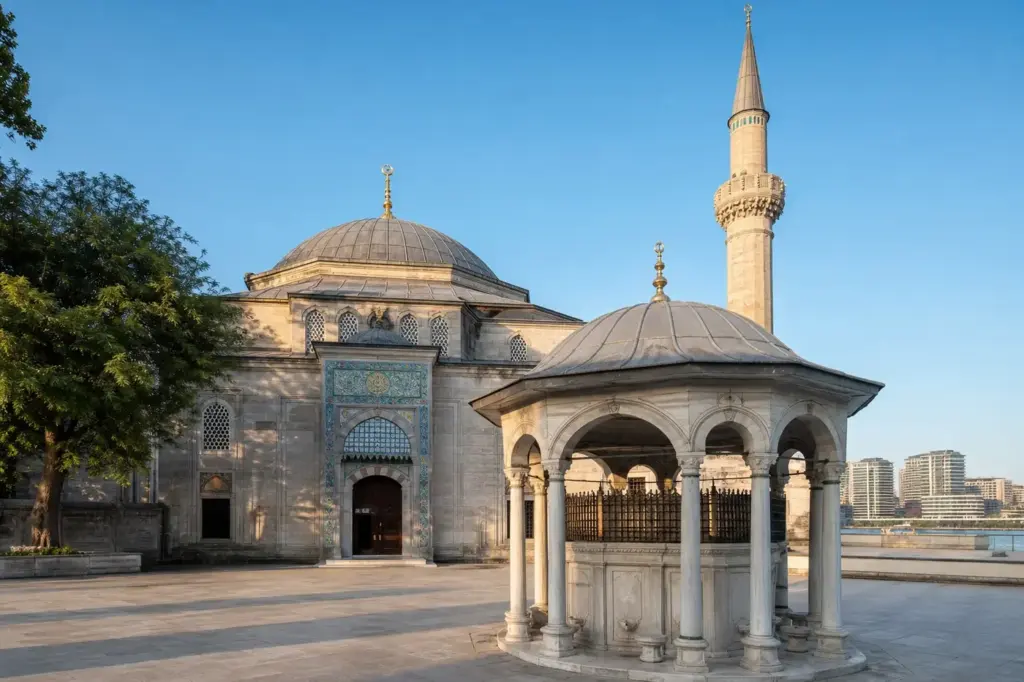
Kılıç Ali Pasha Mosque is an impressive 16th-century mosque located in Beyoğlu, Istanbul. The complex is named after its patron, who was the grand admiral of the Ottoman Navy. Sinan, the chief architect of the Ottoman court, designed the mosque toward the end of his career.
Inscriptions date the completion of the complex to 1580-1581/988 AH. Located in the Tophane district, near the Galataport area, the mosque is easily accessible and provides a less crowded alternative to the more famous mosques in Istanbul. The complex sits where the shoreline once met the Bosphorus, before modern landfill extended the port.
Quick Facts
| Turkish name | Kılıç Ali Paşa Camii |
|---|---|
| Built / opened | 1580 |
| Architect(s) | Mimar Sinan |
| Address | Kemankeş Karamustafa Paşa Kemeraltı Caddesi No:50, 34425 Beyoğlu, İstanbul Google MapsApple MapsYandex Maps |
| District | Beyoğlu |
| Metro | Tophane (T1, 2 min walk downhill from station) |
| Admission | free |
| Best time to visit | Visit outside the five daily prayer times for unrestricted access to the prayer hall. Early morning (before 10:00) offers the quietest atmosphere and best light for photography. Autumn and spring bring mild weather and lower humidity than summer. Weekday mornings are less crowded than weekends. The complex can be visited year-round; winter is cooler but still pleasant, and the courtyard's fountain provides serenity in all seasons. |
What Is (and Isn't) Part of a Visit to Kılıç Ali Pasha Mosque?
| Part | Status | Notes |
|---|---|---|
| The Mosque Prayer Hall | Included in the standard ticket | Free entry; open to visitors outside prayer times. Closed during the five daily prayer times. |
| Courtyard and Ablutions Fountain | Included in the standard ticket | Free access; part of the mosque complex. |
| Tomb of Kılıç Ali Pasha | Included in the standard ticket | Free access; located in the garden east of the mosque. |
| The Hamam (Turkish Bath) | Separate ticket or institution | Separate entrance and payment required; operates as a luxury spa with its own hours. |
| The Madrasa (Religious School) | Separate ticket or institution | Not open to regular visitors; occasionally used for exhibitions or cultural events. |
| Sabil (Water Fountain Kiosk) | Separate ticket or institution | Located at the northeast corner of the enclosure; not open to visitors. |
| Nusretiye Mosque | Outside / not part of it | A different, later baroque mosque (1823–1826) nearby in Tophane Square; do not confuse with Kılıç Ali Pasha Mosque. |
| Tophane Fountain | Outside / not part of it | Free-standing public fountain (built 1732) in Tophane Square; separate monument outside the Kılıç Ali Pasha complex. |
Why Visit Kılıç Ali Pasha Mosque?
Rumors have it that when he announced he would endow a mosque, his rival, the Grand Vizier Rustem Pasha (who commissioned Rustem Pasha Mosque), said that, “Since he is the admiral, let him build his mosque on the sea.” The ever-determined Kilic Ali Pasha simply had an artificial island built in the Bosphorus Strait, and the mosque went on top of that. Although designed by Sinan almost as a replica of the Hagia Sophia, the mosque is still a fine example of Ottoman Islamic architecture, decorated with some beautiful Islamic art including calligraphy and tiles. The mosques mihrab tiles are from the Iznik tile workshop, which was known for its high-quality products.
How Kılıç Ali Pasha Mosque Is Laid Out
The larger complex includes a mosque, a madrasa, public baths, a water dispenser (sabil), and a cemetery including the founder’s tomb. The main gate to the enclosure is located just south of the sabil, on the east wall. Within the enclosure, the mosque and its octagonal ablutions fountain occupy the northern half of the site. South of the mosque, behind the qibla wall, is an open green space that contains the mausoleum. The madrasa and baths lie to the west of the enclosure: the madrasa adjoining its southwestern corner and the baths lying just north of this, adjacent to the west side of the mosque. Visitors enter through the main gate and can explore each component moving through the walled enclosure.
Highlights of Kılıç Ali Pasha Mosque
Central Dome and Interior
The mosque is based on a rectangular design and is described as an enlarged plan of the Hagia Sophia Mosque. The tops of the windows are adorned with tiles, and the largest dome rests on four elephant-leg-shaped marble columns. This central dome is supported to the east and west by two half domes, while a small dome sits in each of the four corners. Natural light streams through the windows, creating a luminous prayer space.
Tip: Arrive outside the five daily prayer times (dawn, midday, afternoon, sunset, night) for easier access and photography.
Iznik Tiles and Calligraphy
The mosques mihrab tiles are from the Iznik tile workshop, which was known for its high-quality products. The mosques calligraphy is by Demircikulu Yusuf Efendi, who is considered the last representative of the Karahisari school of calligraphy. Look for the turquoise and cobalt patterns framing the mihrab on the south wall.
Tip: Study the tiles during morning light when the colours are most vibrant.
Octagonal Ablutions Fountain
The three doors of the inner garden feature ornate carvings, while Quranic verses are painted on ceramic panels over the windows. In the garden stands a fountain with eight marble columns and a domed cover, adding to the calm and balanced composition of the complex. This fountain is essential for ritual washing before prayer.
Tip: The courtyard's fountain is a perfect spot to rest and observe the quiet life of the mosque.
Tomb of Kılıç Ali Pasha
The tomb of Kılıç Ali Paşa is located in the garden facing east. The simple stone structure honours the admiral who commissioned the entire complex and rose from slavery to become one of the Ottoman Empire's most powerful naval commanders.
Tip: The tomb's eastern-facing position aligns with Islamic burial tradition.
Minaret and Street View
By the garden wall facing the street is a fountain, and on the right-hand side of the mosque a minaret rises with its balcony. The mosque's minaret was rebuilt from the middle section by installing scaffolding during the renovation works in 1855. The minaret is visible from Kemankeş Karamustafa Paşa street.
Tip: Photograph the minaret and exterior from the street for context with surrounding Tophane architecture.
The Hamam (Turkish Bath)
The hamam on the right-hand side of the mosque is still in use today, and the school is located on the seaside of the hamam. The hamam, completed in 1583, has glass doors leading into two separate soğukluks (cool rooms) on either side of the hararet (caldarium – hot room) which is hexagonal in plan. The hamam now operates as a luxury spa.
Tip: The hamam is a separate facility with its own entrance; it requires a separate visit and payment.
Atmosphere
The mosque feels serene and intimate compared to Istanbul’s grander sultan mosques. The interior is praised for its peaceful and awe-inspiring ambiance, enhanced by natural light streaming through the windows. The courtyard, featuring a charming fountain, offers a tranquil escape from the city’s hustle and bustle. Because it serves the local community, the mosque stays open outside tourist hours and offers a genuine sense of daily worship that larger sultan mosques sometimes lack. During prayer times, the space fills with worshippers; visitors outside prayer times may have it nearly to themselves. The Tophane waterfront outside adds bustle and life to the area, with modern galleries, cafés, and the Galataport shopping complex nearby.
History of Kılıç Ali Pasha Mosque
Commissioned by the eponymous Kilic Ali Pasha, an ambitious 16th-century Italian privateer who converted to Islam, and was named Uluç Ali Reis. He rose up the ranks from slave to captain of his ship, later going on to become the Kapudan-i Derya (Grand Admiral) of the Ottoman navy. The name Kılıç (meaning sword) was conferred upon him on his appointment.
According to the legend, Kılıç Ali Pasha asked Sultan Murad III for suitable land to build a mosque. However, considering that he was the Grand Admiral, the Sultan ordered him to “build a mosque in the sea.” Thereupon, Kılıç Ali Pasha made an agreement with Mimar Sinan and began the construction of the mosque by piling up stones, soil and rubble on the edge of the Tophane dock. The later creation of the modern port, means the mosque is now well inland.
The mosque itself was constructed in 1578–1580. The complex was designed and built between 1580 and 1587 by Mimar Sinan, who at the time was in his 90s. The Kılıç Ali Pasha Mosque was built by Mimar Sinan, inspired by the architecture of Hagia Sophia. It is defined as a small revision of Hagia Sophia with its domes and half domes.
Over the centuries, the complex underwent several modifications. The mosque’s minaret was rebuilt from the middle section by installing scaffolding during the renovation works in 1855. In 1913, its stained glass and plaster windows were renewed by a master named Tevfik from Bursa. In 2011, the mosque, the tomb and the bath underwent a comprehensive restoration. Other parts of the complex were restored in 2015. In 1948, the 16th-century ship’s lantern that had hung from the main dome was moved to the Istanbul Naval Museum.
Legends and Myths about Kılıç Ali Pasha Mosque
The Admiral's Challenge
Legend – historically unreliable. When Kılıç Ali Pasha told Sultan Murad III he wanted to build a mosque, his rival Grand Vizier Rüstem Pasha mockingly said: 'Since you are the admiral, build it on the sea.' Rather than take offense, Kılıç Ali Pasha accepted the taunt and had an artificial island constructed in the Bosphorus, building his mosque on landfill. The challenge became legend.
The Ship's Lantern
Legend – historically unreliable. A 16th-century ship's lantern once hung from the central dome of the mosque, symbolizing Kılıç Ali Pasha's connection to the sea and naval power. The lantern remained in place for centuries until 1948, when it was moved to the Istanbul Naval Museum to preserve it.
Tickets and Booking for Kılıç Ali Pasha Mosque
Entry to the mosque and courtyard is free. There are no tickets to purchase or reservations needed. Simply arrive during visiting hours and enter through the main gate on the east side of the enclosure.
Where to pray: Muslim visitors can use the prayer hall freely; ablution facilities are available at the octagonal fountain in the courtyard.
Hamam (bath): The separate hamam facility requires its own payment and booking; inquire at the entrance or contact ahead for current rates and hours.
Timing: Avoid visiting during the five daily prayer times (dawn, midday, afternoon, sunset, night) if you wish to explore the prayer hall undisturbed. Times vary by season; check locally or ask at the entrance.
Suggested itineraries Kılıç Ali Pasha Mosque
30–45 minutes
Enter through the main gate, pause in the courtyard to view the octagonal fountain and absorb the atmosphere. Walk through the prayer hall, noting the central dome and Iznik tiles around the mihrab. Exit to view the tomb of Kılıç Ali Pasha in the garden. This works as a quick stop on a Tophane walk.
1 hour
Follow the 30-minute route but spend extra time studying the calligraphy, tile work, and the marble columns supporting the dome. Explore the exterior from Kemankeş Karamustafa Paşa street to photograph the minaret. Walk around the complex to see the hamam entrance and madrasa building. End with a rest in the courtyard.
2–3 hours (with area exploration)
Visit the mosque complex as above, then explore the surrounding Tophane neighbourhood. Walk to the Tophane Fountain, visit the Nusretiye Mosque (a different, later baroque mosque), explore the galleries and cafés, or head to nearby Galataport or Istanbul Modern museum. This creates a full half-day cultural experience in the waterfront district.
How to Get to Kılıç Ali Pasha Mosque
By Tram: Take the T1 tram to Tophane station. Exit the tram and walk downhill (south) for about 2 minutes along Kemankeş Karamustafa Paşa Kemeraltı Caddesi; the mosque entrance is on your right.
On Foot: From Galata, walk south along Kemankeş Karamustafa Paşa street toward the waterfront (about 10 minutes). From Karaköy, head west and uphill; the mosque is a 5–10 minute walk. From Beyoğlu, descend toward the waterfront via any street heading toward the sea.
By Taxi or Car: Ask the driver for Kılıç Ali Paşa Camii or the Tophane area. Street parking can be tight in this busy district.
Nearby Ferry Pier: Karaköy ferry terminal (ferries to Üsküdar and other destinations) is a 5-minute walk east.
Accessibility
The mosque has a traditional Ottoman layout with stone flooring and a single main entrance. There are steps leading into the prayer hall. No lifts or wheelchair-accessible routes are available. Visitors with mobility limitations should be aware that exploration of the complex involves some stairs and uneven courtyard surfaces. The courtyard itself is relatively flat. No accessible toilet facilities are mentioned in official sources.
Food Nearby
Tophane has numerous cafés and casual eateries along the waterfront and in the surrounding streets. Look for tea gardens (çay bahçesi), casual kebab stands, and modern cafés near Galataport and the Nusretiye Mosque. Several restaurants offer views toward the Bosphorus. The area is close to Karaköy, which has more dining options ranging from street food to upscale establishments.
What to Bring
Wear modest clothing (covered shoulders and knees) out of respect, especially if visiting during prayer times. Women may wish to bring a headscarf in case one is requested; the mosque does not enforce a strict dress code for tourists. Bring water and a hat for sunny days. A camera is welcome; see photography rules below. Comfortable walking shoes are essential for exploring the courtyard and surrounding area.
Best Views and Photo Spots of Kılıç Ali Pasha Mosque
Courtyard facing the mosque
Stand in the courtyard looking north toward the mosque façade to capture the entrance portal, the domed prayer hall behind it, and the minaret on the right. The octagonal fountain in the foreground adds depth.
Best time: Mid-morning (09:00–11:00) for warm, balanced light on the stone façade.
Outside the main gate looking south
Stand outside the main gate (or nearby on the street) looking back at the complex to frame the whole enclosure wall, minaret, and dome in one shot.
Best time: Late morning or early afternoon when the buildings cast interesting shadows.
Kemankeş Karamustafa Paşa street
Walk along the street in front of the mosque to photograph the minaret rising above the walls and the street-facing architecture.
Best time: Morning light highlights the stone and minaret details.
Near the octagonal fountain
Photograph the intricate fountain with its marble columns and domed top, with the prayer hall dome visible in the background.
Best time: Overcast or early morning to avoid harsh shadows on the stonework.
The tomb garden
Photograph the simple, elegant tomb of Kılıç Ali Pasha surrounded by the garden, with the eastern aspect of the mosque visible.
Best time: Late afternoon when the garden receives warm side light.
Photography Rules
Photography is permitted inside and outside the mosque for personal use. Avoid photographing people at prayer without permission. Flash photography inside the prayer hall is not permitted out of respect for worshippers. Tripods and professional filming may require permission from mosque staff. Drones are not permitted in the area.
Family Suitability
The mosque is suitable for families with older children (age 8+) who can respect the quiet, sacred atmosphere. Young children may find the visit short due to the limitations on activity (it is a place of prayer, not play). The courtyard is safe and open, but supervision is needed. Stroller access is limited due to steps and uneven surfaces. Families should visit outside prayer times to avoid disruption. The complex's historical significance makes it educational for school-age children interested in Ottoman history and architecture.
Istanbul Vibes Tips
- Arrive outside prayer times (dawn, midday, afternoon, sunset, and night prayers) for the best visitor experience. If you encounter worshippers, step to the sides respectfully; the mosque remains open during prayer, but the central prayer area is reserved for prayer.
- The nearby Nusretiye Mosque (visible from outside) is a different, later baroque mosque from 1823–1826. Do not confuse it with Kılıç Ali Pasha Mosque; they are separate monuments.
- Combine your visit with the surrounding Tophane district: the free-standing Tophane Fountain, Galataport shopping complex, Istanbul Modern museum, and dozens of galleries and cafés. The entire area is walkable in an afternoon.
- Bring water and wear sunscreen if visiting on a sunny day. The courtyard and surrounding streets offer little shade.
- If you book the hamam bath experience, plan at least 1–2 hours for the full traditional experience. It is separate from the mosque visit and requires advance booking and payment.
- The T1 tram is the fastest approach from Beyoğlu or Çemberlitaş. Avoid visiting during rush hours (08:00–09:30, 17:00–19:00 on weekdays) if crowds concern you.
Explore Nearby Kılıç Ali Pasha Mosque
Sights near Kılıç Ali Pasha Mosque
 Istanbul Modern – about 300 m away (~5 min walk) · typical visit: 2–3 hours4 min on foot from Tophane metro
Main image: AI-generated illustration. It may not show the place exactly as it looks.
 Tophane Park – about 100 m away (~2 min walk) · typical visit: 45 minutes to 1 hour2 min on foot from Tophane metro, Open 24 hours
Main image: AI-generated illustration. It may not show the place exactly as it looks.
 Galata Tower – about 550 m away (~9 min walk) · typical visit: 1–2 hours4 min on foot from Şişhane metro, Open daily 08:30–23:00
Main image: AI-generated illustration. It may not show the place exactly as it looks.
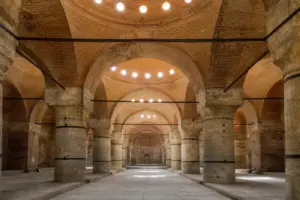 Topane-i Amire Cultural and Art Center – about 150 m away (~2 min walk) · typical visit: 1–2 hours1 min on foot from Tophane metro, Open 10:00–18:00, closed Mon
Main image: AI-generated illustration. It may not show the place exactly as it looks.
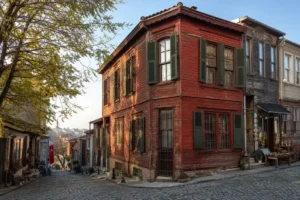 Museum of Innocence – about 500 m away (~8 min walk) · typical visit: 1.5–2.5 hours8 min on foot from Tophane metro
Main image: AI-generated illustration. It may not show the place exactly as it looks.
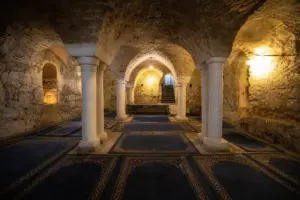 Yeralti Camii – about 550 m away (~9 min walk) · typical visit: 30–45 minutes10 min on foot from Tophane metro
Main image: AI-generated illustration. It may not show the place exactly as it looks.
Metro stations near Kılıç Ali Pasha Mosque
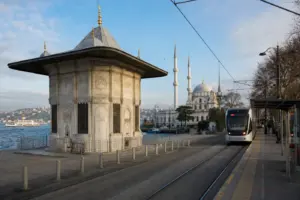 Tophaneabout 50 m away (~1 min walk)
Main image: AI-generated illustration. It may not show the place exactly as it looks.
 Tünelabout 600 m away (~10 min walk)
Main image: AI-generated illustration. It may not show the place exactly as it looks.
 Şişhane – about 700 m away (~12 min walk)Open daily 06:09–00:09
Main image: AI-generated illustration. It may not show the place exactly as it looks.
Restaurants and cafes near Kılıç Ali Pasha Mosque
 Karaköy Lokantası – about 200 m away (~3 min walk)4 min on foot from Tophane metro
Main image: AI-generated illustration. It may not show the place exactly as it looks.
 Mürver – about 200 m away (~3 min walk)4 min on foot from Tophane metro
Main image: AI-generated illustration. It may not show the place exactly as it looks.
 Vegan Community Kitchen – about 450 m away (~8 min walk)3 min on foot from Tünel metro, Open 12:30–22:30, closed Mon
Main image: AI-generated illustration. It may not show the place exactly as it looks.
 Galata Kitchen – about 500 m away (~8 min walk)5 min on foot from Tünel metro, Open 11:30–22:00, closed Sun
Main image: AI-generated illustration. It may not show the place exactly as it looks.
Nightlife near Kılıç Ali Pasha Mosque
 Asia-Khai Jazz Club – about 500 m away (~8 min walk)6 min on foot from Şişhane metro
Main image: AI-generated illustration. It may not show the place exactly as it looks.
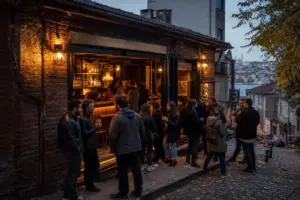 Geyik Coffee Roastery and Cocktail Bar – about 500 m away (~8 min walk)7 min on foot from Tophane metro, Open daily 16:00–02:00
Main image: AI-generated illustration. It may not show the place exactly as it looks.
Train stations and river piers near Kılıç Ali Pasha Mosque
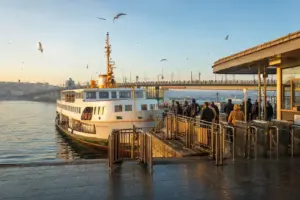 Karaköy Ferry Terminalabout 650 m away (~10 min walk)
Main image: AI-generated illustration. It may not show the place exactly as it looks.
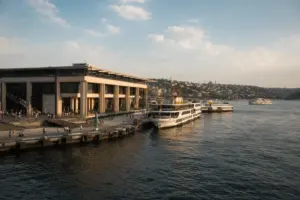 Kabataş Ferry Terminalabout 1.3 km away (~21 min walk)
Main image: AI-generated illustration. It may not show the place exactly as it looks.
Events and traditions near Kılıç Ali Pasha Mosque
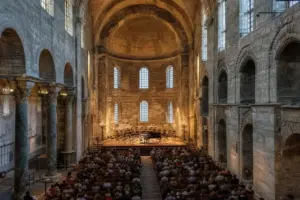 Istanbul Music Festivalabout 1.4 km away (~23 min walk)
Main image: AI-generated illustration. It may not show the place exactly as it looks.
Related guides
 Galataport: Shopping, Dining and Waterfront in Karaköy
Main image: AI-generated illustration. It may not show the place exactly as it looks.
 Karaköy: Istanbul’s Historic Waterfront at the Golden Horn
Main image: AI-generated illustration. It may not show the place exactly as it looks.
 Beyoğlu Nightlife Streets: Nevizade to Asmalımescit
Main image: AI-generated illustration. It may not show the place exactly as it looks.
 Best Rooftop Bars in Istanbul: Views and Reservations
Main image: AI-generated illustration. It may not show the place exactly as it looks.
 Tünel and Historic Funicular Guide: Karaköy to Beyoğlu
Main image: AI-generated illustration. It may not show the place exactly as it looks.
Browse more: More in Beyoğlu · All Landmarks · All Sightseeing
FAQ: Kılıç Ali Pasha Mosque
Is entry to the mosque free?
Yes. The mosque, courtyard, tomb, and sabil are all free to enter. Only the separate hamam bath facility requires payment.
When can I visit?
The mosque is open daily 09:00–17:00. However, avoid the five daily prayer times (dawn, midday, afternoon, sunset, night) when the prayer hall is reserved for worshippers, though visitors may still enter and move quietly around the edges. Ask the staff for prayer times on the day of your visit.
Is Kılıç Ali Pasha Mosque the same as Nusretiye Mosque?
No. Nusretiye is a different, later baroque mosque (1823–1826) also in Tophane Square. They are separate monuments. Kılıç Ali Pasha is the earlier, Ottoman-style mosque designed by Mimar Sinan in 1580.
Can women and non-Muslims visit?
Yes. The mosque welcomes visitors of all backgrounds outside prayer times. Women should wear modest clothing (covered shoulders and knees); a headscarf is not required for tourists but may be offered as a courtesy. Remove shoes before entering the prayer hall, or leave them in the courtyard.
How long does a visit usually take?
A quick visit takes 30–45 minutes. A more thorough exploration of the courtyard, prayer hall, and tomb takes 1–1.5 hours. Including time in the surrounding Tophane district, plan 2–3 hours or more.
Can I book a tour or hire a guide?
The mosque does not require a guide. Private guides and group tours are available through Istanbul tour operators but are not necessary for a meaningful visit. Audio guides are not offered at the mosque.
What is the hamam, and do I need to visit it?
The hamam is a separate Ottoman-style Turkish bath built in 1583 as part of the original complex. It now operates as a luxury spa with its own entrance and fees. It is optional; many visitors skip it and focus only on the mosque complex. Book in advance if interested.
Why is it called 'the sea mosque'?
According to legend, Kılıç Ali Pasha was challenged by the Sultan to 'build a mosque on the sea' because he was a great admiral. Pasha rose to the challenge and had an artificial island constructed in the Bosphorus, making it one of the first mosques built on landfill. Modern port development has since moved the shoreline further out.
Istanbul Vibes is a one-person project. A coffee keeps it going
Hotels near Kılıç Ali Pasha Mosque
- Center Port Hotel (50 m) Check prices (affiliate link, opens in a new tab)
- Port Hotel (100 m) Check prices (affiliate link, opens in a new tab)
- Root Karaköy (150 m) Check prices (affiliate link, opens in a new tab)
- Dream Inn Hotel (150 m) Check prices (affiliate link, opens in a new tab)
Affiliate link (opens the booking site): we may earn a commission at no extra cost to you.
Restaurants near Kılıç Ali Pasha Mosque
- Bosnjak (50 m) Google Maps
- Pasta Nini (50 m) Google Maps
- Pim Kitchen & Patisserie (50 m) Google Maps
- Nabu Karakoy (150 m) Google Maps
Distances are straight-line, from OpenStreetMap data.

Take this guide with you
Get a free PDF of this guide to print or read offline: key facts, tips and a map link on a few clean pages.
Report an issue on this page
How we research and update our guides
About this guide: AI assistance and accuracy
This guide is created with the help of AI and is based on official sources where available. Mistakes can still happen. Opening hours, prices, rules and other details are given to the best of our knowledge as of the date shown and can change without notice. It offers general recommendations only, not professional, legal or travel advice. Please confirm important details with the official source before you travel; you are responsible for your own plans and decisions.
* Affiliate link: as an Amazon Associate we earn from qualifying purchases at no extra cost to you.
