

Tantuni is a famous street food from Mersin, a Mediterranean port city in southern Turkey, that has become one of the country’s most popular wraps. This article teaches you how to make authentic Tantuni at home, with step-by-step instructions for the meat, fresh garnishes, and proper assembly.
The key to good Tantuni lies in the cooking method: finely diced beef or lamb is boiled briefly, then sautéed quickly in oil until tender, keeping the meat juicy rather than dry. The warm meat is wrapped in soft lavash bread and topped with raw onions, tomatoes, parsley, and a dusting of tangy sumac. Serve it hot with lemon wedges and pickled peppers on the side, and you’ll have an authentic street food experience.
Quick answer: Dice beef or lamb into small cubes and boil briefly in water. Fry in oil with paprika and salt until golden, adding water gradually to keep the meat tender. Combine raw onions with sumac in a separate bowl. Place warm meat onto lavash bread, top with the onion-sumac mixture, fresh tomatoes, and parsley, then wrap and serve hot with lemon wedges.
Total time: 35–45 minutes.
At a Glance
| Type | Street food & snacks |
|---|---|
| Origin | Originating from the Mersin province in southern Turkey, it has become one of the country's most popular street foods. The word "tantuni" itself may come from an onomatopoeic origin: it is believed to derive from the "tan-tun" sounds produced when the metal spoon hits the metal sac (pan) rhythmically during the cooking process. In 2017, "Mersin Tantunisi" was granted a Geographical Indication (GI) registration by the Turkish Patent and Trademark Office. |
| Servings | 2–4 people (makes 4–6 wraps) |
| Total time | 35–45 minutes |
| Difficulty | Easy |
History and Story of Tantuni (Tantuni)
Distinct from other Turkish kebabs or döner, tantuni is characterised by its specific cooking method involving a combination of boiling and frying, the use of cottonseed oil, and the ritual of steaming the bread atop the cooking meat. Tantuni is a famous street food of Mersin city. When you think about Mersin city of Turkey, Tantuni is the first thing that comes up to our mind.
Ingredients
- 500 g beef or lamb, trimmed of fat
- 2–3 tablespoons vegetable oil or butter
- 1 cup water, divided
- 1 teaspoon paprika
- Salt to taste
- 1 medium red onion
- 1 teaspoon sumac
- 2 medium tomatoes, diced
- 30 g fresh parsley, chopped
- 4–6 lavash flatbreads or thin wraps
- 2 lemons, cut into wedges
- Small pickled green peppers (optional)
How Tantuni (Tantuni) Is Made
Step 1: Prepare the garnish ahead
Slice the red onion thinly into half-moons. Place in a small bowl, sprinkle with sumac and a pinch of salt, and massage gently with your fingers. This softens the onion and distributes the tangy sumac flavour. Set aside. Dice the tomatoes and chop the parsley separately. Keep all three in their own bowls until assembly.
Tip: Preparing the garnish first ensures it is ready when the meat finishes cooking, so everything can be assembled hot.
Step 2: Boil the meat
Trim any visible fat from the beef or lamb, then cut into very small cubes about the size of dice. Bring a pot of water to boil, add the meat cubes, and simmer for 5 minutes. The meat will release its juices. Drain well in a colander and set aside.
Tip: Pre-boiling removes impurities and begins tenderising the meat, which is essential for Tantuni's characteristic tender texture.
Step 3: Sauté the meat in oil
Heat 2–3 tablespoons of oil or butter in a wide skillet or shallow pan over medium heat. Add the drained meat cubes and stir constantly with a wooden spoon or spatula. As it cooks, it will begin to brown. Continue stirring every few seconds to prevent clumping.
Tip: Keep the heat at medium; high heat will toughen the meat. The constant stirring ensures even cooking and the meat stays loose and separate.
Step 4: Add water and seasonings
When the meat begins to turn brown, sprinkle paprika and salt over it. Stir well. Then begin adding water gradually—about a few tablespoons at a time—while stirring constantly. Add more water as it evaporates, repeating this process 3–4 times over 8–10 minutes. The meat should become moist and soft, not dry.
Tip: This step—the combination of frying, paprika, and gradual water addition—is what distinguishes Tantuni from other Turkish meat dishes. The water keeps the meat juicy and prevents it from becoming tough.
Step 5: Steam the lavash over the meat (optional traditional step)
If you want to follow the traditional Mersin method, place a clean lavash flatbread directly over the pan of cooked meat for 20–30 seconds. The bread will absorb some of the warm cooking juices and spices. Remove and place on a serving plate. Repeat with remaining bread. This step adds authentic flavour but is optional.
Tip: This is where the name "tantuni" may come from—the rhythmic scraping of the metal spoon against the pan during cooking creates a "tan-tun" sound.
Step 6: Assemble each wrap
Place one lavash bread on a flat surface. Spoon a line of warm cooked meat down the centre, leaving space on all sides. Top the meat with a small handful of the onion-sumac mixture, then add diced tomatoes and fresh chopped parsley. Drizzle lightly with any remaining pan juices if desired.
Tip: Do not overfill the wrap; a modest line of meat allows the bread to fold without tearing and keeps the wrap easy to eat.
Step 7: Fold and serve hot
Fold one long side of the lavash over the filling, then fold the short ends inward, and finally roll the remaining side over to form a compact package. You can leave it as an open wrap or fold it like a burrito. Serve immediately while hot, with lemon wedges and pickled green peppers on the side.
Tip: Eat the wrap hot from both sides to ensure every bite has a good ratio of meat, bread, and fresh vegetables.
Variants
- Dürüm: wrapped in thin lavash flatbread (most common)
- Ekmek Arası: served inside a half-loaf of white Turkish bread (somun)
- Yoğurtlu Tantuni: sliced into bite-sized pieces and topped with garlic yogurt and melted butter sauce
- Chicken Tantuni: made with diced chicken thighs instead of beef or lamb
- With fresh peppers: some versions include sliced green peppers cooked into the meat mixture
Common Mistakes to Avoid
- Using tough cuts of meat: Tantuni requires tender meat that will soften during cooking. Avoid very lean cuts or tough pieces; use sirloin, leg, or other tender cuts. Pre-boiling helps tenderise the meat before frying.
- Cooking too quickly or too hot: High heat will harden and dry out the meat. Keep the heat moderate and stir constantly. The gradual water addition is essential—it keeps the meat soft and juicy, not rubbery.
- Forgetting the gradual water addition: This is the defining technique of Tantuni. Simply frying the meat in oil will produce a different, drier dish. Adding water in stages and stirring keeps the meat tender.
- Skipping the raw onion and sumac: The contrast between warm meat and cool, fresh, tangy garnish is what makes Tantuni special. Do not skip the raw onion-sumac salad; it is not a condiment but a key part of the dish.
- Overfilling the wrap: Too much filling will cause the bread to tear and makes the wrap difficult to eat. A modest, neat line of meat in the centre is better than piling it high.
- Using stale or incorrect bread: Lavash must be soft and pliable. If your lavash is hard or dry, steam it lightly or warm it over a flame. Never use thick bread; the wrap should be thin and easy to fold.
How to Order and Eat It
It is traditionally served with lemon wedges, which are squeezed generously over the meat to cut through the oiliness. Side dishes almost always include small, hot pickled peppers (cin biber). The wrap should be folded firmly and eaten while hot, squeezing lemon juice over each bite. Many Istanbulites eat it standing up as a quick street food.
To order: Tantuni one wrap with vegetables please. [Tantuni bir döner sebzeli lütfen.]
Where to Try Tantuni (Tantuni)
 Araf Contemporary Turkish, offal-focused
Main image: AI-generated illustration. It may not show the place exactly as it looks.
Istanbul Vibes Tips
- Difference from döner: Tantuni and döner are both popular Turkish wraps, but they are prepared differently. Döner is made with seasoned meat cooked on a vertical rotisserie and shaved into thin slices. Tantuni uses small pieces of beef cooked in a skillet or special Tantuni pan with water, fat, paprika, salt, and black pepper. Tantuni is lighter on spices and relies on the freshness of raw garnishes.
- Finding Tantuni in Istanbul: Though Tantuni originated in Mersin, it is now widely available in Istanbul. Look for street vendors, casual wrapperies, and kebab shops. Many concentrate in areas with high foot traffic such as near metro stations. The name "Mersin Tantunisi" on a shop sign often indicates authentic preparation.
- Oil matters: Traditionally, traditional Mersin Tantuni is cooked with cottonseed oil. Cottonseed oil is hard to find outside Turkey, but vegetable oil, butter, or a mix of the two work well at home. The important thing is enough fat to keep the meat moist during the frying process.
- Sumac is essential: Do not skip the sumac. This tangy red spice is not just a garnish—it is what gives Tantuni its distinctive sour note. If you cannot find sumac, a squeeze of fresh lemon juice can substitute in a pinch, though the flavour will be different.
- Make the salad first: Prepare the onion-sumac mix, tomatoes, and parsley well before the meat finishes cooking. This ensures everything is ready when you assemble the wrap, so it stays hot and fresh.
- Speed matters: Tantuni is assembled quickly after ordering. Assembly should take only a minute or two. The contrast between the warm meat and cool, fresh vegetables is essential to the dish's character.
Where to Find Tantuni (Tantuni) in Istanbul
Related guides
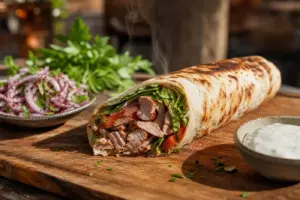 Durum: How to Make and Eat Turkish Kebab Wraps
Main image: AI-generated illustration. It may not show the place exactly as it looks.
 Adana Kebab: How to Cook the Turkish Spiced Lamb Skewer
Main image: AI-generated illustration. It may not show the place exactly as it looks.
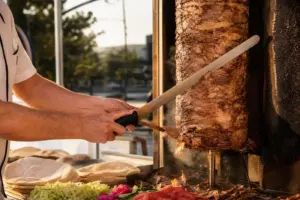 Doner Kebab: Recipe, History and How to Eat it in Istanbul
Main image: AI-generated illustration. It may not show the place exactly as it looks.
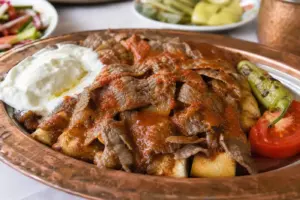 Iskender Kebab: How to Make Turkey’s Iconic Dish
Main image: AI-generated illustration. It may not show the place exactly as it looks.
Browse more: All Food & Drink · All Other
FAQ
Is Tantuni the same as döner kebab?
No. Both are meat wraps served in bread, but they are cooked differently. Döner is made with seasoned meat cooked on a vertical rotisserie and shaved into thin slices. Tantuni uses small diced pieces of meat boiled and then fried in a shallow pan with water and spices, resulting in a moister, less heavily spiced dish.
What oil should I use if I cannot find cottonseed oil?
Traditional Mersin Tantuni is cooked with cottonseed oil. As it can be difficult to find outside Turkey, you can use butter or finely chopped lamb fat instead. Vegetable oil and olive oil also work; the key is having enough fat to keep the meat moist during the long, gentle frying process.
Can I make Tantuni with chicken?
Yes. Modern versions of Tantuni often include chicken as a lighter option alongside beef and lamb. Use boneless, skinless chicken thighs cut into small cubes and follow the same cooking method: boil briefly, then fry slowly with paprika, salt, and gradual water additions until tender.
Why is the meat boiled before frying?
Pre-boiling serves two purposes: it removes impurities and begins tenderising the meat through moist heat. This ensures the meat will stay soft and juicy during the subsequent frying stage, rather than becoming tough or rubbery. This two-step cooking method is what makes Tantuni distinctive.
What is sumac, and where can I find it?
Sumac is a tart, reddish spice made from dried berries. It adds a lemony sourness to dishes. You can find it in Middle Eastern markets, spice shops, or online. It is essential to authentic Tantuni flavour. If unavailable, lemon juice can substitute, though the result will taste different.
Can I make Tantuni ahead of time?
The meat can be cooked ahead and reheated gently. However, Tantuni is best assembled fresh and eaten hot immediately. The contrast between warm meat and cool, fresh vegetables is essential. Prepare the garnish ahead, but assemble and serve right away.
Why do vendors steam the bread over the meat?
Steaming the lavash over the pan allows the bread to absorb some of the warm meat juices and flavours, enriching it. This traditional step also inspired the dish's name, from the "tan-tun" sound of the spoon scraping the metal pan. It is an optional but authentic touch.
What are the best cuts of meat for Tantuni?
Use tender cuts such as beef sirloin, leg, or lamb sirloin. Avoid very tough cuts or those with excessive connective tissue, which will remain chewy. The meat should be trimmed of visible fat before dicing, though some marbling is helpful for keeping the meat moist during cooking.
Istanbul Vibes is a one-person project. A coffee keeps it going

Take this guide with you
Get a free PDF of this guide to print or read offline: key facts, tips and a map link on a few clean pages.
Report an issue on this page
How we research and update our guides
About this guide: AI assistance and accuracy
This guide is created with the help of AI and is based on official sources where available. Mistakes can still happen. Opening hours, prices, rules and other details are given to the best of our knowledge as of the date shown and can change without notice. It offers general recommendations only, not professional, legal or travel advice. Please confirm important details with the official source before you travel; you are responsible for your own plans and decisions.
* Affiliate link: as an Amazon Associate we earn from qualifying purchases at no extra cost to you.
